
Damage Restoration in Woodstock, GA
- Damage Restoration Services Overview
- Common Damage Restoration Issues in Woodstock, Georgia
- Neighborhoods We Serve in Woodstock
- Seasonal Damage Patterns in Woodstock
- Housing Characteristics & Restoration Considerations
- Environmental Conditions & Damage Implications
- Start-to-Finish Restoration: From Emergency Call to Final Walkthrough
Damage Restoration Services Overview
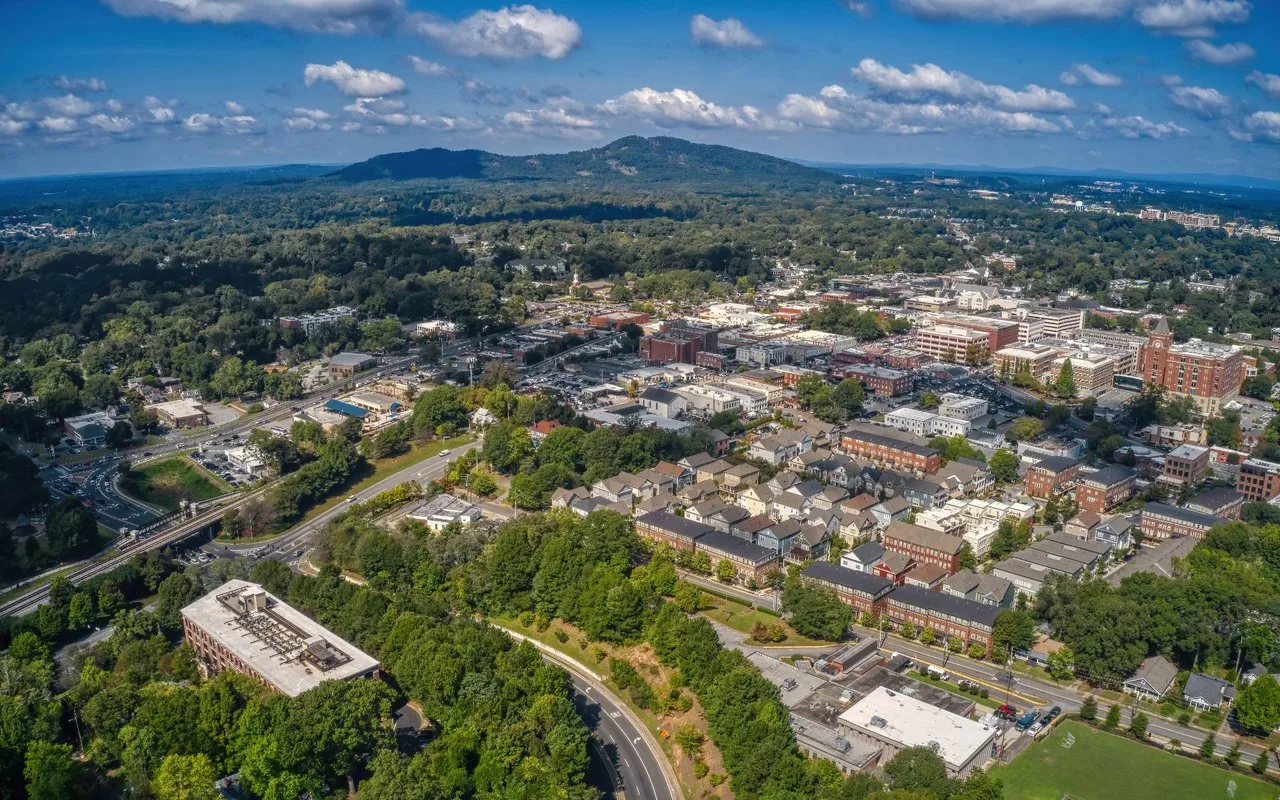
Water spreads through drywall, subfloor, and insulation within minutes, and mold colonies can begin forming in as little as 24 to 48 hours in Georgia's humid climate. Smoke residues turn acidic and start etching metal, glass, and finishes almost immediately after a fire is extinguished. The speed of the response often matters more than the size of the loss.
Woodstock property owners - from historic cottages near the downtown district to newer subdivisions off Towne Lake Parkway - rely on a full range of mitigation and rebuild services:
- Water damage restoration - extraction, structural drying, moisture mapping, and repairs after supply line breaks, appliance failures, roof leaks, and storm intrusion
- Flooded basement cleanup - pumping standing water, drying below-grade spaces, and addressing the hydrostatic pressure and drainage problems behind the flooding
- Sewage cleanup - containment, removal of contaminated porous materials, antimicrobial treatment, and disinfection of Category 3 water losses
- Fire damage restoration - board-up, debris removal, structural cleaning, contents recovery, and full reconstruction
- Smoke damage restoration - soot removal, thermal fogging, HVAC cleaning, and odor neutralization at the molecular level
- Mold removal - containment barriers, HEPA filtration, safe removal of affected materials, and correcting the moisture source
Emergency crews serve residential and commercial properties around the clock, because a Saturday night pipe burst cannot wait until Monday.
Common Damage Restoration Issues in Woodstock, Georgia
Woodstock's growth - once ranked among the ten fastest-growing suburbs in the country - means an unusual mix of building ages and infrastructure conditions sitting side by side. That mix produces predictable damage patterns.
Frequent Causes of Loss
- Severe thunderstorms and remnant tropical systems that overwhelm gutters, downspouts, and yard drainage, pushing water toward foundations
- Basement and crawl space flooding in homes built on Cherokee County's clay-heavy slopes, where saturated soil presses water through foundation cracks
- Winter pipe failures during brief hard freezes, especially in garages, exterior walls, and unheated crawl spaces where lines were never properly insulated
- Sewer backups and septic failures triggered by heavy rain infiltration, tree root intrusion in older laterals, and drain field saturation on rural-edge properties
- Kitchen fires, grill fires, and electrical faults that leave behind both flame damage and building-wide smoke contamination
- Hidden mold growth behind vinyl wallpaper, under laminate flooring, and in HVAC plenums where condensation collects
Warning Signs Worth Acting On
- Musty odors that intensify when the air conditioning cycles on
- Cupped or lifting flooring planks, or nail pops in drywall
- Efflorescence - white chalky residue - on basement walls
- Slow drains, gurgling toilets, or sewage odors near floor drains
- Lingering smoke smell weeks after a small fire, indicating residue in ductwork
- Unexplained increases in water usage with no visible leak
Documenting these early gives insurers a clearer picture and usually reduces the scope of demolition needed.
Neighborhoods We Serve in Woodstock
Coverage extends across the 30188 and 30189 ZIP codes and into the surrounding Cherokee County communities:
- Downtown Woodstock and the Main Street district, including older wood-frame homes and mixed-use commercial buildings
- Towne Lake and the neighborhoods bordering Lake Allatoona
- Bridgemill, Eagle Watch, and Woodstock Knoll
- Deer Run, Wiley Bridge, and the Little River corridor
- Ridgewalk and the newer developments along Highway 92 and Bells Ferry Road
- Nearby Acworth, Holly Springs, Canton, Kennesaw, Roswell, and Mountain Park
With roughly 35,000 residents in nearly 13,000 households, response times matter. Crews staged within the north metro Atlanta area typically reach Woodstock addresses quickly, whether the call involves a flooded finished basement in Eagle Watch or smoke damage in a downtown storefront.
Seasonal Damage Patterns in Woodstock
Winter (December - February)
- Frozen and burst supply lines during brief Arctic outbreaks
- Fire damage from space heaters, fireplaces, and overloaded circuits
- Smoke damage from improperly maintained chimneys and flues
Spring (March - May)
- Peak season for flooded basements and crawl spaces as saturated clay soils shed water
- Storm-driven roof leaks and window intrusion from severe weather and hail
- Sewage backups when heavy rain infiltrates aging sewer laterals
Summer (June - August)
- Mold growth accelerates with dew points in the 70s and indoor humidity climbing
- Condensation damage around undersized or failing HVAC systems and clogged condensate lines
- Water damage from failed washing machine hoses, water heaters, and refrigerator lines
Fall (September - November)
- Remnants of tropical systems delivering multi-inch rainfall totals
- Clogged gutters from leaf fall redirecting water into foundations
- Early-season heating equipment fires and puff-back soot from furnaces fired up after months idle
Scheduling gutter cleaning, HVAC service, and sump pump testing ahead of each seasonal shift prevents a large share of these losses.
Housing Characteristics & Restoration Considerations
Woodstock's housing stock spans more than a century, and construction era drives almost every restoration decision.
Older Homes Near Downtown
- Wood-frame construction with plaster, shiplap, or early gypsum board that absorbs water quickly
- Cast iron and galvanized plumbing prone to corrosion, pinhole leaks, and root-intruded sewer lines
- Knob-and-tube or early wiring remnants that raise fire risk and complicate rebuild permitting
- Possible asbestos-containing floor tile, mastic, or insulation requiring testing before demolition
- Unvented crawl spaces where soil moisture feeds persistent mold growth
1990s Through 2000s Subdivisions
- Slab-on-grade and daylight basement designs common on Cherokee County's rolling terrain
- Finished basements with carpet, pad, and drywall - the materials most vulnerable to flooding and the first to require removal in sewage losses
- Polybutylene and early PEX supply lines that can fail without warning
- Engineered wood flooring and MDF trim that delaminate rather than dry
- Multi-story open floor plans that let smoke travel through every level in minutes
Newer Construction
- Tight building envelopes that trap moisture, making controlled drying and dehumidification essential
- Spray foam and dense-pack insulation that hides water migration behind finished walls
- Attic-mounted air handlers where a condensate overflow can damage every floor below
Moisture meters, thermal imaging, and cavity drying equipment are matched to each construction type so drying happens without unnecessary demolition.
Environmental Conditions & Damage Implications
North Georgia's climate creates conditions that favor microbial growth nearly year-round, which shapes how every loss is handled.
Climate and Humidity
- Annual rainfall commonly exceeds 50 inches, much of it in intense convective downpours
- Summer relative humidity frequently sits above 70 percent, slowing natural drying to a crawl
- Warm shoulder seasons extend the window for mold amplification into October and back into March
Soil and Drainage
- Red Piedmont clay drains slowly and expands when saturated, increasing hydrostatic pressure against basement walls
- Rolling topography channels runoff toward homes built into hillsides, a frequent cause of flooded basements
- Shallow bedrock in some areas limits infiltration, sending water across the surface instead
Water and Air Quality
- Municipal supply serves most of the city, while outlying properties rely on wells and septic systems where failures produce contaminated water losses
- Proximity to Lake Allatoona and the Little River raises groundwater levels in low-lying neighborhoods
- Metro Atlanta pollen and particulate loads mean HVAC systems often carry existing debris that compounds smoke contamination
What This Means for Restoration
- Aggressive dehumidification and containment, not just air movement, to hit drying targets
- Antimicrobial application on materials that stayed wet longer than 48 hours
- Duct inspection after fires and after any mold discovery, since the HVAC system distributes spores and soot throughout the structure
Start-to-Finish Restoration: From Emergency Call to Final Walkthrough
The hardest part of property damage is rarely the water or the fire - it is coordinating mitigation crews, mold specialists, insurance adjusters, and contractors while your household is displaced. Single-source restoration removes that burden by handling every phase under one project manager.
How the Process Unfolds
- Emergency response - 24/7 dispatch to Woodstock addresses, with immediate priorities on stopping the water source, securing the structure, and establishing safety
- Assessment and documentation - moisture mapping, thermal imaging, air and surface sampling where mold is suspected, plus photo and written records for the claim
- Water extraction and stabilization - truck-mounted extraction, sump pumping in flooded basements, and removal of unsalvageable porous materials
- Containment for contaminated losses - negative air pressure, HEPA filtration, and controlled removal for sewage and mold work
- Structural drying - air movers and commercial dehumidifiers monitored daily against documented drying goals
- Soot and odor treatment - dry and wet cleaning of surfaces, contents cleaning, duct cleaning, and hydroxyl or thermal fogging for embedded smoke odor
- Antimicrobial and remediation clearance - final cleaning and, when appropriate, third-party verification before rebuilding
- Reconstruction - framing, drywall, flooring, cabinetry, paint, and trim carried out to match the original finish
- Final walkthrough - punch list review and a plan for preventing recurrence, whether that means regrading, a new sump system, or plumbing upgrades
Why One Provider Matters
- No gap between mitigation and rebuild where secondary damage develops
- Consistent documentation that supports the insurance claim from first notice to final invoice
- Certified technicians trained to industry standards for water, fire, and microbial remediation
- Commercial capability for Woodstock's downtown businesses, offices, and retail spaces that need to reopen fast
One phone call starts the process - and keeps it moving until the property is genuinely back to normal.





