
Damage Restoration in St. Marys, GA
- Damage Restoration Services Overview
- Common Damage Restoration Issues in St. Marys, Georgia
- Neighborhoods We Serve in St. Marys
- Seasonal Damage Patterns in St. Marys
- Housing Characteristics & Restoration Considerations
- Environmental Conditions & Damage Implications
- Storm Season Readiness and Advanced Drying Technology on the Georgia Coast
Damage Restoration Services Overview
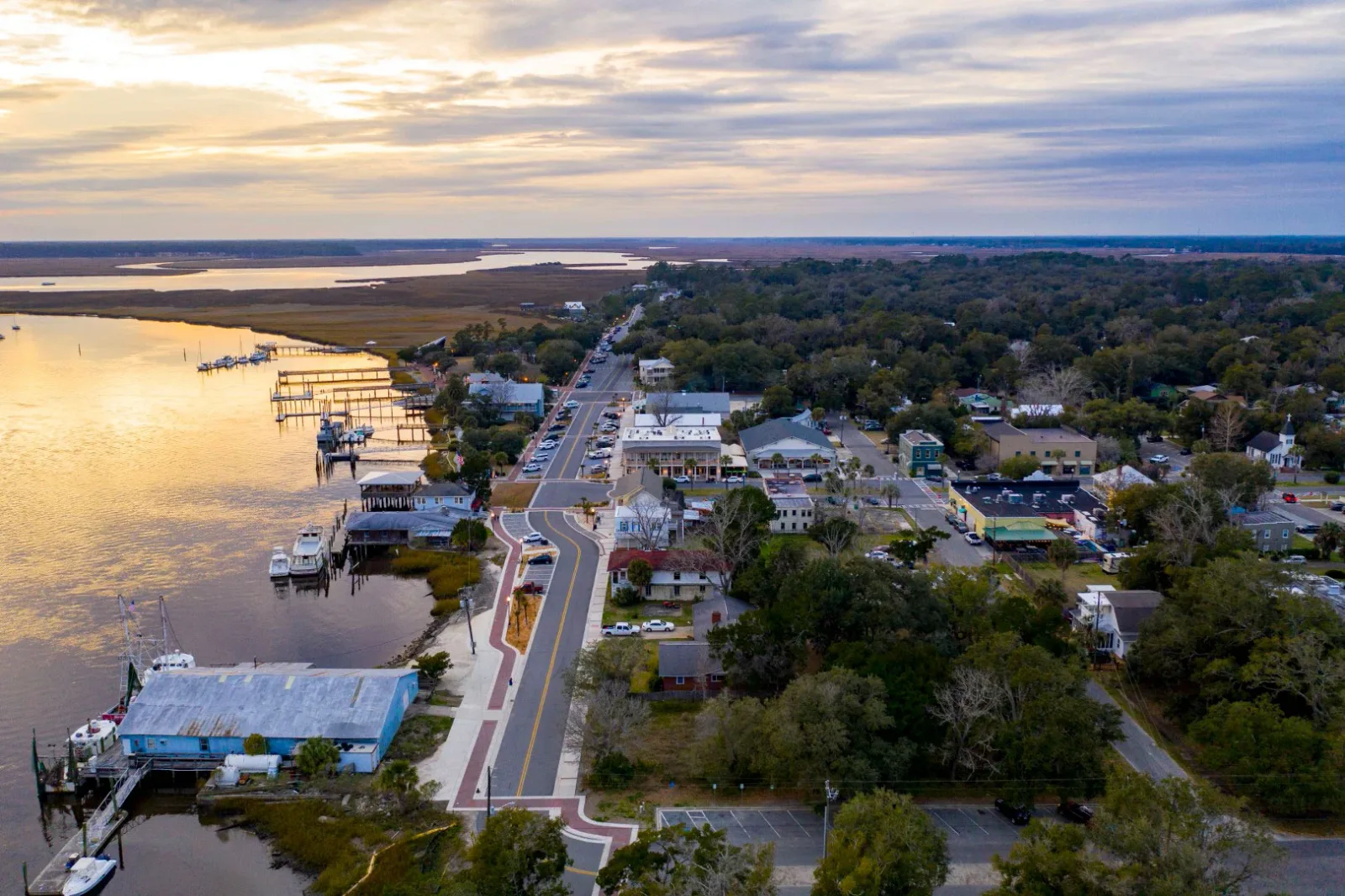
When water pours through a ceiling or smoke settles into every surface of a home, the fastest path back to normal starts with a trained crew and the right equipment. Property owners across St. Marys rely on locally based restoration professionals backed by a national network with more than 65 years of combined industry experience - close enough to arrive quickly, resourced enough to handle large losses.
Services available throughout St. Marys and Camden County include:
- Water Damage Restoration - extraction, structural drying, moisture mapping, and documentation for insurance
- Flooded Basement and Crawl Space Cleanup - pumping, dehumidification, and treatment of below-grade spaces
- Sewage Cleanup - safe removal of Category 3 contaminated water, disinfection, and disposal of affected porous materials
- Fire Damage Restoration - board-up, debris removal, soot cleaning, structural cleaning, and contents recovery
- Smoke Damage Restoration - odor neutralization, HVAC cleaning, and textile restoration
- Mold Removal - containment, HEPA filtration, controlled removal, and moisture-source correction
The benefit for homeowners and business operators is straightforward: contained damage, fewer materials thrown away, less disruption, and a clear record of the work performed. Crews are available around the clock, every day of the year, because emergencies rarely wait for business hours.
Common Damage Restoration Issues in St. Marys, Georgia
Coastal humidity, a high water table, and tropical weather drive the majority of restoration calls in St. Marys. Properties sit near the St. Marys River and tidal marsh systems, which means drainage problems and groundwater intrusion are recurring themes rather than rare events.
Frequent Causes of Damage
- Tropical storms and hurricane bands producing wind-driven rain and roof leaks
- Tidal surge and heavy rainfall overwhelming yard drainage and low-lying slabs
- Sewer backups when municipal lines and septic systems are saturated
- Failed water heaters, supply lines, and washing machine hoses in older homes
- Air conditioning condensate line clogs that soak drywall and subflooring
- Kitchen fires, grill fires, and electrical faults producing widespread soot travel
- Lightning strikes during summer thunderstorm season
Warning Signs Worth Acting On
- Musty odors in closets, crawl spaces, or near HVAC returns
- Discoloration or bubbling paint along baseboards and ceiling seams
- Buckling laminate, cupping hardwood, or soft spots underfoot
- Condensation on ductwork or interior walls during humid stretches
- Persistent smoke odor that returns when the air handler runs
- Slow drains in multiple fixtures at once, often the first sign of a main-line blockage
- Visible growth behind furniture placed against exterior walls
Small leaks in this climate rarely stay small. Elevated indoor humidity gives mold a head start within a day or two, which is why moisture readings matter as much as what you can see.
Neighborhoods We Serve in St. Marys
Response coverage spans the historic waterfront district through the newer subdivisions west of Highway 40.
- Historic Downtown St. Marys - older wood-frame homes near the riverfront
- Osprey Cove and Cumberland Harbour - waterfront and marsh-adjacent properties
- Point Peter, Charlton, and Colerain Road corridors
- Kings Bay area neighborhoods serving military families and rentals
- Kingsland and Woodbine - residential and commercial properties along I-95
- Waverly, Folkston, and Saint George - rural properties with septic and well systems
Commercial coverage includes retail centers, restaurants, hotels, medical offices, churches, schools, and multi-unit apartment communities. Having a physical location in the area means crews reach most addresses quickly, which limits secondary damage such as swelling wood, wicking drywall, and spreading soot residue.
Seasonal Damage Patterns in St. Marys
Restoration needs shift predictably through the year along the Georgia coast.
- January - March: Cold snaps burst exposed pipes in crawl spaces and unheated garages. Space heaters and fireplaces drive winter fire and smoke damage calls.
- April - May: Spring rains reveal roof and window flashing failures from winter storms. Pollen and dust loads make HVAC cleaning a common add-on after any water event.
- June - August: Peak humidity and daily thunderstorms. Mold growth accelerates, AC condensate overflows spike, and lightning-related fires increase.
- August - October: Hurricane season peak. Flooded basements, crawl space inundation, wind-driven rain intrusion, and sewage backups cluster during and after named storms.
- November - December: Holiday cooking fires, candles, and decorative lighting drive fire and smoke restoration. Closed-up houses trap moisture and odors.
The one constant: humidity in St. Marys rarely drops low enough for a wet structure to dry on its own. Mechanical drying with dehumidifiers and controlled air movement is needed in nearly every season.
Housing Characteristics & Restoration Considerations
Housing in St. Marys spans centuries-old riverfront structures to subdivisions built within the last two decades, and each type responds differently to water, fire, and mold.
Common Construction Types
- Historic wood-frame homes - heart pine floors, plaster walls, and shiplap that need gentle, controlled drying rather than aggressive demolition
- Mid-century block and stucco homes - masonry holds moisture long after surfaces feel dry, requiring extended monitoring
- Slab-on-grade construction - water spreads laterally under flooring and wicks up wall cavities
- Raised pier and crawl space foundations - vulnerable to groundwater, poor ventilation, and insulation saturation
- Manufactured and modular homes - particleboard subfloors and vinyl-backed drywall trap moisture between layers
- Newer energy-efficient builds - tight envelopes hold humidity in, making small leaks a mold problem faster
How This Shapes the Work
- Older homes may contain asbestos-containing materials or lead paint, so testing precedes any removal
- Plaster and solid wood often can be saved with targeted drying and specialty equipment
- Crawl spaces need vapor barrier evaluation after flooding, not just water removal
- Smoke residue behaves differently on painted plaster than on modern latex over drywall, changing the cleaning method
- Sewage events in slab homes frequently require flooring removal to reach contaminated substrate
Documenting pre-existing conditions protects homeowners during insurance review and keeps the scope focused on genuine loss.
Environmental Conditions & Damage Implications
St. Marys sits in a humid subtropical zone where average relative humidity stays high year-round - the single biggest environmental factor in restoration outcomes here.
Climate and Water Conditions
- Annual rainfall well above the national average, concentrated in summer months
- Frequent dew points in the seventies, meaning outside air cannot be used to dry a structure much of the year
- Tidal influence from the St. Marys River and adjacent marshes raising the local water table
- Storm surge potential that can introduce brackish, contaminated water into homes
Soil and Groundwater
- Sandy coastal plain soils drain quickly but sit over shallow groundwater
- Pockets of clay and organic marsh soil hold water against foundations
- High water tables cause hydrostatic pressure on below-grade walls and slab edges
- Septic systems in outlying areas back up when soil is saturated, creating sewage cleanup needs
Air Quality Considerations
- Salt air accelerates corrosion, and after a fire, acidic soot combines with humidity to etch metal and appliances within days
- Elevated pollen and mold spore counts complicate indoor air quality after any moisture event
- Prescribed burns and regional wildfire smoke occasionally add outdoor smoke odor concerns
These conditions justify aggressive dehumidification, prompt soot removal, and HEPA air filtration as standard practice rather than optional upgrades.
Storm Season Readiness and Advanced Drying Technology on the Georgia Coast
Hurricane and tropical storm exposure makes St. Marys a place where restoration capacity matters as much as speed. When a single storm affects thousands of properties at once, local crews backed by a national franchise network can draw additional equipment and manpower into the area instead of leaving homeowners waiting weeks for a drying system.
Equipment Used on Coastal Losses
- Low-grain refrigerant and desiccant dehumidifiers that pull moisture even when outdoor air is saturated
- Truck-mounted and portable extraction units for high-volume water removal from flooded basements and crawl spaces
- Thermal imaging cameras and penetrating moisture meters to find water hidden behind finishes
- Injectidry and cavity drying systems that dry wall assemblies and hardwood without removing them
- Negative air machines with HEPA filtration for mold containment and sewage remediation
- Hydroxyl generators, ozone, and thermal fogging for smoke odor neutralization
- Ultrasonic cleaning systems for soot-covered contents, electronics housings, and hardware
- Antimicrobial and EPA-registered disinfectants applied after Category 3 water losses
What the Process Looks Like
- Emergency contact and dispatch, any hour of the day
- On-site inspection with moisture mapping and photo documentation
- Water extraction, debris removal, or fire board-up as conditions require
- Removal of unsalvageable materials with containment in place
- Controlled drying with daily moisture readings until targets are met
- Cleaning, sanitizing, deodorizing, and textile restoration
- Reconstruction coordination and a final walkthrough with the property owner
Insurance coordination runs alongside the work, with readings and photographs shared so adjusters have what they need. Clear communication at every step keeps St. Marys homeowners and business operators informed rather than guessing.





