Damage Restoration in Worcester County, MD
- Damage Restoration Services Overview
- Common Damage Restoration Issues in Worcester County, Maryland
- Neighborhoods We Serve in Worcester County
- Seasonal Damage Patterns in Worcester County
- Housing Characteristics & Restoration Considerations
- Environmental Conditions & Damage Implications
- Storm Surge, Flood Insurance, and Documentation on the Lower Shore
Damage Restoration Services Overview
Water that sits for a weekend does not simply dry on its own. It migrates into wall cavities, wicks up drywall, saturates subfloor sheathing, and creates the humidity conditions that let mold colonies establish within days. Smoke residues left on surfaces after a fire continue to etch metal, stain finishes, and off-gas odor for months. Sewage backups introduce pathogens that remain viable in porous materials long after the visible mess is gone.
Worcester County properties - coastal, humid, and often built on sandy soils with high water tables - are particularly unforgiving when restoration is delayed. A complete restoration program addresses the full chain of damage rather than the surface symptoms.
- Water Damage Restoration - extraction, moisture mapping, structural drying, and controlled reconstruction after plumbing failures, roof intrusion, or storm surge.
- Flooded Basement - pump-out, sump and drainage evaluation, dehumidification of below-grade spaces, and salvage of stored contents.
- Sewage Cleanup - Category 3 protocols, removal of contaminated porous materials, antimicrobial application, and verification cleaning.
- Fire Damage Restoration - debris removal, structural stabilization, soot cleaning, and rebuild coordination.
- Smoke Damage Restoration - residue classification, HVAC decontamination, thermal fogging, and odor neutralization.
- Mold Removal - containment, negative air, affected material removal, and moisture-source correction.
The benefit for homeowners and business owners is straightforward: less material loss, cleaner insurance documentation, and a building that dries to a verified standard rather than a guess.
Common Damage Restoration Issues in Worcester County, Maryland
Worcester County sits between the Atlantic and the Pocomoke River watershed, and that position drives most of the loss patterns restoration crews encounter here.
Primary Local Causes
- Coastal storms and nor'easters - wind-driven rain forced past siding, shingles, and window flashing in Ocean City and Ocean Pines.
- Tidal and stormwater flooding - low-lying properties near Assateague, the coastal bays, and the Pocomoke floodplain take on standing water during surge events.
- High groundwater tables - sandy Coastal Plain soils saturate quickly, pushing water through basement walls, crawl space vapor barriers, and slab seams.
- Aging plumbing and supply lines - burst pipes and failed water heaters in older Snow Hill, Berlin, and Pocomoke City housing stock.
- Sewer and septic overload - heavy rainfall stresses municipal lines and rural septic fields, producing backups into lower levels.
- Seasonal fire risk - space heaters, fireplaces, cooking incidents, and electrical faults in rental and vacation properties left unattended.
Warning Signs Worth Acting On
- Musty odor in a closed vacation unit or basement, especially after a shoulder-season vacancy.
- Cupping hardwood, blistered paint, or drywall tape separating along baseboards.
- Efflorescence or chalky white residue on foundation walls.
- Gurgling floor drains or slow fixtures throughout the house at once - an early sewer backup indicator.
- Persistent smoke odor that returns on humid days after a small kitchen or chimney fire.
- Visible surface growth on closet walls, behind furniture, or on crawl space joists.
Each of these points to an active moisture source that will keep producing damage until it is located and corrected.
Neighborhoods We Serve in Worcester County
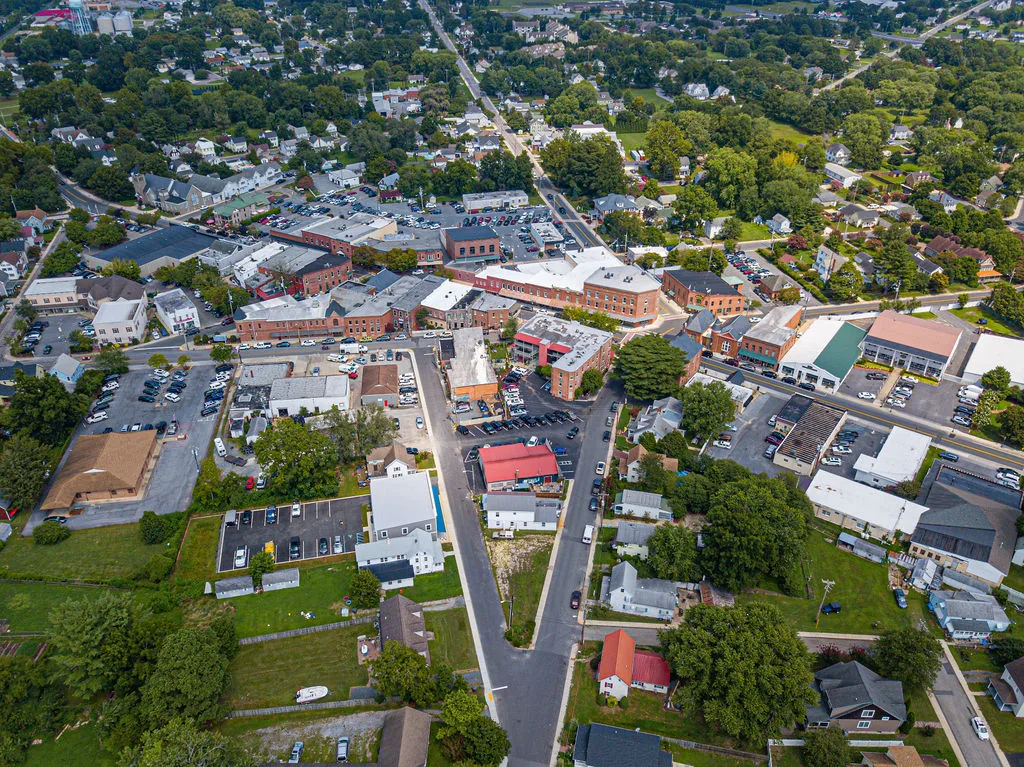
Response coverage spans the full county, from the barrier island to the inland farming communities along the Pocomoke.
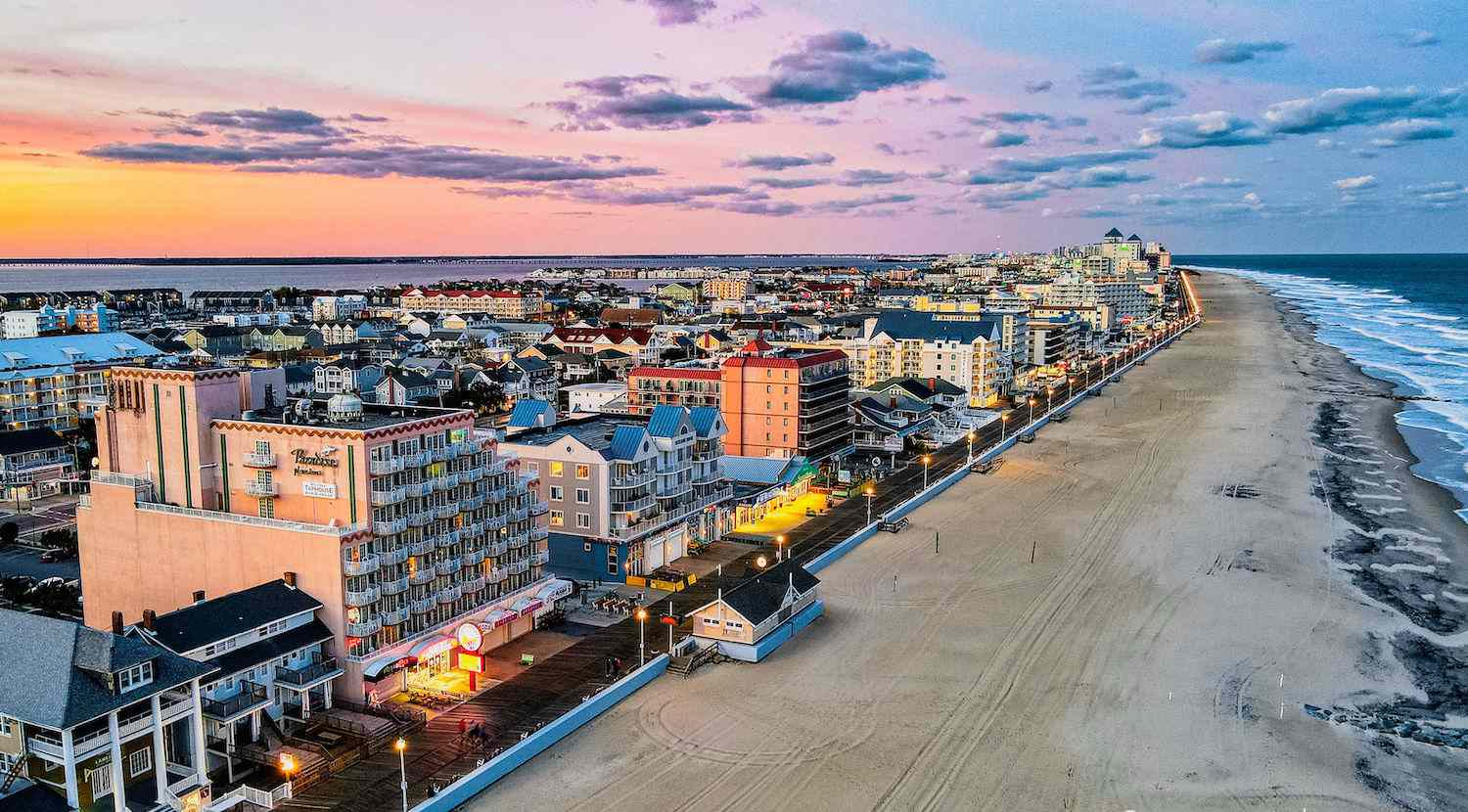
- Ocean City - high-rise condos, mid-town rentals, and bayside single-family homes.
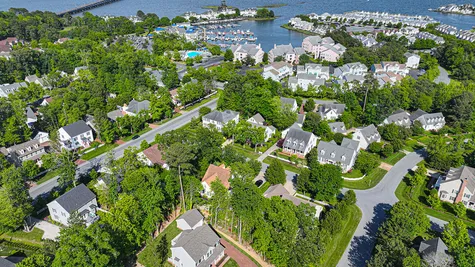
- Ocean Pines - large residential community with extensive crawl space and slab construction.
- Berlin - historic downtown structures and surrounding subdivisions.
- Snow Hill - the county seat, with older riverfront housing stock.
- Pocomoke City - river-adjacent homes and commercial buildings.
- Whaleyville, Bishopville, and Showell - rural northern communities on well and septic systems.
- West Ocean City, Newark, Girdletree, Stockton, and Public Landing - coastal bay and marshland properties.
Surrounding service reach includes neighboring Wicomico and Somerset County communities as well as nearby Delaware coastal areas, which matters when a regional storm generates simultaneous calls across the lower shore.
Seasonal Damage Patterns in Worcester County
Winter (December - February)
- Frozen and burst supply lines in unoccupied rentals and seasonal condos.
- Peak fire and smoke damage season from heating equipment, chimneys, and electrical loads.
- Ice damming and roof leaks after wet snow events.
Spring (March - May)
- Thaw plus rainfall raises groundwater, driving flooded basement and crawl space calls.
- Sump pump failures surface after a winter of disuse.
- Mold growth accelerates as indoor temperatures climb over winter-hidden moisture.
Summer (June - August)
- Tropical systems and severe thunderstorms bring wind-driven water intrusion.
- Sustained coastal humidity feeds mold in closed vacation properties and attics.
- HVAC condensate line clogs cause slow, hidden ceiling and wall damage.
Fall (September - November)
- Hurricane and nor'easter season peaks, producing surge flooding and sewage backups.
- Off-season vacancies mean leaks go undiscovered for weeks.
- Early heating season restarts introduce furnace puff-back and smoke odor events.
Housing Characteristics & Restoration Considerations
Worcester County's building stock is unusually varied for a single county, and construction type dictates the drying and remediation approach.
Common Construction Profiles
- Historic frame homes in Berlin, Snow Hill, and Pocomoke City - plaster on wood lath, balloon framing, and original heart pine floors that require slower, monitored drying to avoid cracking and cupping.
- Mid-century ranch and Cape homes - block foundations, partial basements, and older cast iron or galvanized plumbing prone to failure.
- Coastal condominiums and mid-rises in Ocean City - shared wall assemblies, stacked plumbing risers, and losses that migrate vertically across multiple units.
- Elevated and pier-supported coastal homes - open underfloor areas, ductwork below the living space, and salt-air corrosion on fasteners and mechanicals.
- Slab-on-grade and crawl space builds in Ocean Pines and newer subdivisions - moisture wicks laterally beneath flooring and lingers in insulation.
How This Shapes the Work
- Plaster and lath assemblies hold water far longer than modern drywall, so moisture mapping with meters and thermal imaging comes before any demolition decision.
- Multi-unit condo losses require containment and coordination with associations so drying does not push contaminated air into neighboring units.
- Crawl spaces and elevated underfloor areas need dedicated dehumidification and vapor barrier replacement, not just surface extraction.
- Homes on septic systems require sewage cleanup protocols that account for the field's condition, not only the interior contamination.
- Older knob-and-tube or aluminum wiring found during fire damage restoration changes the rebuild scope and may trigger code upgrades.
Environmental Conditions & Damage Implications
The environment here works against a drying building almost year-round.
Climate and Humidity
- Humid subtropical conditions with summer dew points that regularly sit in the low to mid 70s.
- Outside air cannot be used for drying much of the year - closed drying systems with commercial dehumidifiers are the working method.
- Mild, damp winters keep indoor relative humidity elevated in unheated seasonal properties.
Soil and Groundwater
- Sandy and loamy Coastal Plain soils drain fast but sit over a shallow water table.
- Below-grade spaces experience hydrostatic pressure through foundation walls and floor joints during heavy rain.
- Poor lot drainage near the coastal bays keeps perimeter soils saturated for days after a storm.
Water Quality and Contamination
- Storm surge and tidal flooding are treated as Category 3 water - it carries marsh sediment, fuel residue, and sewage overflow.
- Rural septic systems in saturated ground back up into homes, requiring full pathogen protocols.
- Brackish and salt exposure accelerates corrosion of electrical panels, HVAC coils, and metal fasteners.
Air Quality Effects
- Salt air and coastal pollen combine with mold spore loads to aggravate respiratory conditions.
- Smoke residues bind more aggressively to surfaces in humid interiors, making prompt smoke damage restoration important for odor control.
- HVAC systems distribute both soot and spores building-wide unless isolated early.
Storm Surge, Flood Insurance, and Documentation on the Lower Shore
Worcester County has more properties in mapped flood zones than most Maryland counties, and that reality changes how a restoration project must be documented from hour one. Standard homeowners policies typically exclude rising surface water. NFIP flood coverage responds to it. When a home takes on both a burst pipe and surge water in the same storm, separating those causes in the record determines what gets paid.
Documentation That Supports a Claim
- Photograph and video conditions before any material is moved or removed.
- Record exterior high-water marks and interior water lines on walls and stored contents.
- Log moisture readings by room and material type, with daily readings through the drying period.
- Note the water category and class assignment with the reasoning behind it.
- Inventory removed materials and unsalvageable contents with itemized lists.
- Provide equipment logs showing dehumidifier and air mover placement and run duration.
- Issue drying verification once materials reach documented dry standard.
What Property Owners Can Do Immediately
- Shut off power to affected areas if it can be done safely from a dry location.
- Stay out of standing floodwater and any sewage-contaminated space until it has been assessed.
- Call the insurer and the restoration provider in parallel rather than waiting for an adjuster to arrive.
- Keep receipts for temporary lodging, pumps, tarps, and emergency purchases.
- Do not discard damaged contents before they are photographed and listed.
For second-home and rental owners who are not on-site, remote coordination matters. Crews document conditions, communicate findings, and work directly with adjusters and property managers so drying begins before spore growth and corrosion compound the loss. IICRC-aligned procedures for water, sewage, fire, smoke, and mold work give that record credibility with carriers.