
Damage Restoration in Ocean City, MD
- Damage Restoration Services Overview
- Common Damage Restoration Issues in Ocean City, Maryland
- Neighborhoods We Serve in Ocean City
- Seasonal Damage Patterns in Ocean City
- Housing Characteristics & Restoration Considerations
- Environmental Conditions & Damage Implications
- Protecting Seasonal Rentals and Second Homes on the Eastern Shore
Damage Restoration Services Overview
You come back to your Ocean City condo after a stretch away, open the door, and the air feels thick and sour. A supply line behind the washer let go days ago, and the water has spread under the flooring and into the drywall.
Situations like this move fast in a coastal town where humidity never fully leaves. Salt air, high water tables, and seasonal vacancy turn a small leak into a structural and air-quality problem.
Restoration professionals serving the Eastern Shore handle the full range of property emergencies:
- Water Damage Restoration - extraction, structural drying, and moisture mapping after burst pipes, roof leaks, or storm intrusion
- Flooded Basement cleanup - pump-out, content triage, and drying for lower levels, crawl spaces, and ground-floor units
- Sewage Cleanup - containment, removal of contaminated materials, and antimicrobial treatment after backups or lift station failures
- Fire Damage Restoration - board-up, debris removal, structural cleaning, and rebuild coordination
- Smoke Damage Restoration - soot removal from surfaces, HVAC systems, and textiles, plus odor neutralization
- Mold Removal - containment, controlled removal of affected materials, and correction of the moisture source
Benefits for local property owners are practical: reduced secondary damage, documentation that supports insurance claims, and one team managing cleanup through reconstruction.
Common Damage Restoration Issues in Ocean City, Maryland
A barrier island address brings pressures that inland properties rarely face. Wind-driven rain, tidal flooding, and shifting sand all play a role.
Local Causes of Property Damage
- Nor'easters and tropical systems pushing bay water into ground-level garages and storage rooms
- Coastal flooding on the bayside during king tides, even on clear days
- Sand and salt corroding HVAC condensate lines, water heaters, and supply fittings
- Sewer and grinder pump backups during heavy summer occupancy or power outages
- Grease fires and unattended cooking in high-turnover rental kitchens
- Grill and fire pit incidents on wooden decks and balconies
- Frozen and burst pipes in units left unheated over winter
Warning Signs Worth Acting On
- Musty odor in a closed condo, especially near exterior walls and closets
- Bubbling paint, stained ceiling tiles, or soft spots in laminate flooring
- Dark speckling on bathroom ceilings, window frames, or behind furniture
- Sewer gas smell near floor drains or first-floor bathrooms
- Persistent smoke odor that returns when the AC runs, pointing to soot in ductwork
- Condensation on windows and interior walls during humid stretches
Vacant weeks between renters allow all of these to progress unnoticed. A leak that would be caught in hours at a primary residence can run for days in a seasonal property, which is why remote monitoring and periodic walkthroughs matter here.
Neighborhoods We Serve in Ocean City
Restoration crews cover the full length of the island and the mainland communities that support it.
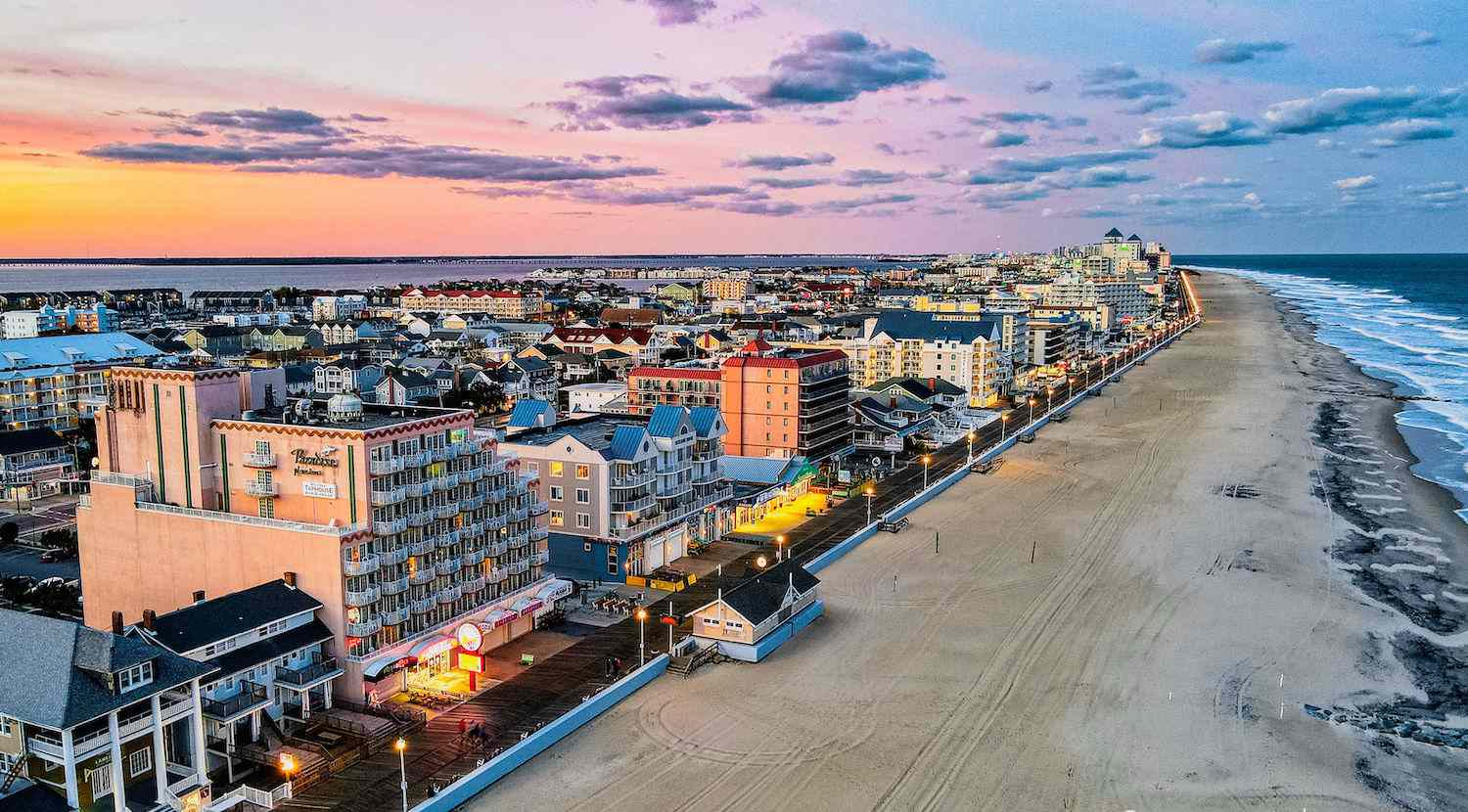
- Downtown and the Boardwalk district - older frame cottages, apartments above storefronts, and tightly spaced buildings
- Midtown - 28th through 90th Street corridors, mid-rise condominiums and motels
- North Ocean City - Montego Bay, Caine Woods, Little Salisbury, and the high-rises near 118th Street
- Bayside communities - Heron Harbour, Sunset Island, Mallard Island, and the Isle of Wight areas
- Surrounding towns - West Ocean City, Berlin, Bishopville, Ocean Pines, Snow Hill, and Salisbury
- Delaware line - Fenwick Island, Selbyville, and Bethany Beach
Access differs by area. High-rise work often requires elevator scheduling and HOA coordination, while Caine Woods and Montego Bay involve slab-on-grade and crawl space drying. Crews adjust equipment staging and containment accordingly.
Seasonal Damage Patterns in Ocean City
Winter (December - February)
- Frozen and burst pipes in unoccupied rentals and second homes
- Heating equipment and space heater fires, plus puff-back soot from oil furnaces
- Nor'easter flooding along bayside streets and ground-level parking
Spring (March - May)
- Discovery of winter water damage during pre-season openings
- Mold growth surfacing as temperatures climb and units are reopened
- Heavy rain overwhelming yard drains and window wells
Summer (June - August)
- Sewage backups tied to peak occupancy and stressed lines
- Condensate overflow and AC drain pan leaks in ceilings
- Kitchen fires and grill fires in rental properties
- Humidity-driven mold behind furniture and inside closets
Fall (September - November)
- Tropical storm and hurricane remnants bringing wind-driven rain and surge
- Roof and window leaks revealed by sustained coastal winds
- Post-season winterization failures leading to slow leaks
Housing Characteristics & Restoration Considerations
Ocean City's building stock spans nearly a century, and each era responds differently to water, fire, and smoke.
Common Construction Types
- Pre-1970 downtown cottages - wood frame, plaster, minimal insulation, often on piers or shallow crawl spaces
- 1970s-1980s condominiums - concrete decks with lightweight topping, drywall partitions, shared plumbing chases
- 1990s-2000s bayside homes - elevated slab or piling construction with ground-level garages and storage
- Recent coastal builds - engineered lumber, tighter envelopes, spray foam, and sealed crawl spaces
How Construction Shapes the Work
- Stacked condo units mean water travels vertically through chases, so drying often involves multiple units and HOA approval
- Concrete floor assemblies hold moisture longer and may require specialty drying mats rather than air movers alone
- Elevated homes with garages below take on flood water and sewage first, and the framing above must be checked for wicking
- Plaster and lath in older cottages absorbs smoke odor deeply and may need surface sealing after cleaning
- Tight modern envelopes trap humidity, making dehumidification and mold containment central to any water job
- Vinyl and LVP flooring conceals trapped moisture, so subfloor readings matter more than surface appearance
Documenting moisture levels in each assembly type keeps drying targeted and avoids removing materials that can be saved.
Environmental Conditions & Damage Implications
Conditions on this stretch of coast shape every restoration decision.
Climate and Air
- Humid subtropical summers with dew points that keep indoor relative humidity elevated for months
- Salt aerosol accelerating corrosion on fasteners, electrical components, and HVAC coils
- Mild winters that allow mold activity to continue in unconditioned spaces
- Smoke and soot residues bonding more aggressively to surfaces in high-humidity conditions
Water and Soil
- Sandy, highly permeable soil that drains quickly but sits close to a shallow water table
- Groundwater within a few feet of grade in many bayside locations, pressuring below-grade spaces
- Tidal influence that can slow pump-out during storm events
- Brackish flood water treated as contaminated, requiring the same protocols as sewage
What This Means for Restoration
- Dehumidification runs longer here than in drier inland regions, so drying plans account for ambient load.
- Flood and storm water is categorized carefully, since bay intrusion frequently carries bacteria and debris.
- Mold remediation pairs removal with humidity control, otherwise regrowth follows within weeks.
- Salt residue is rinsed from metal components and electrical systems before equipment is returned to service.
- Smoke odor treatment includes duct cleaning, since coastal HVAC systems circulate constantly.
Protecting Seasonal Rentals and Second Homes on the Eastern Shore
A large share of Ocean City property sits empty for weeks at a time. That reality changes how damage happens and how it should be handled.
Why Vacancy Raises the Stakes
- Leaks run undetected through multiple tide cycles and rain events
- Closed-up units hold humidity, giving mold a head start
- Sewage backups sit long enough to saturate subfloor and framing
- Smoke odor from a neighboring unit settles into fabrics and ductwork
- Rental income stops the moment a unit becomes unusable
A Start-to-Finish Approach
- Emergency response - stop the source, extract standing water, and stabilize the structure with board-up or tarping when needed.
- Assessment and documentation - moisture mapping, thermal imaging, and photo records for the insurance file.
- Containment - isolate affected areas so soot, sewage, or mold spores do not migrate into clean space.
- Removal and cleaning - discard unsalvageable materials, clean surfaces and contents, treat with antimicrobials where appropriate.
- Structural drying - air movers and dehumidifiers monitored daily until materials reach dry standard.
- Odor and air quality work - HVAC cleaning, sealing, and neutralization for fire and smoke jobs.
- Reconstruction - drywall, flooring, cabinetry, paint, and trim so the unit returns to rentable condition.
Coordination That Owners Appreciate
- Direct communication with property managers and HOA boards
- Photo and moisture-log updates for out-of-town owners
- Insurance adjuster coordination with itemized scope
- Scheduling built around turnover weekends and peak season bookings
One team from the first extraction through final paint keeps the timeline tight and prevents gaps where damage quietly worsens.





