Damage Restoration in Anne Arundel, MD
- Damage Restoration Services Overview
- Common Damage Restoration Issues in Anne Arundel, Maryland
- Neighborhoods We Serve in Anne Arundel
- Seasonal Damage Patterns in Anne Arundel
- Housing Characteristics & Restoration Considerations
- Environmental Conditions & Damage Implications
- Chesapeake Bay Tidal Flooding and Specialized Restoration Needs
Damage Restoration Services Overview
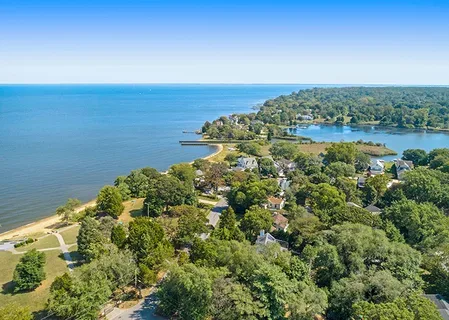
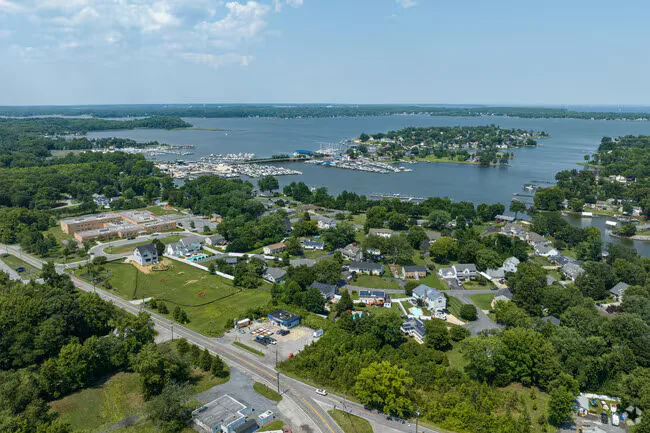
Anne Arundel County's unique position along the Chesapeake Bay and its network of waterways creates distinct restoration challenges that require specialized expertise. The county's humid subtropical climate, combined with its proximity to both urban and coastal environments, makes properties vulnerable to multiple types of damage throughout the year.
Our comprehensive damage restoration services address the full spectrum of issues facing Anne Arundel residents:
- Water Damage Restoration - Rapid extraction and drying for burst pipes, roof leaks, and storm flooding
- Flooded Basement - Specialized basement water removal and moisture control systems
- Sewage Cleanup - Safe sanitation and decontamination of hazardous waste spills
- Fire Damage Restoration - Complete structural repair and content restoration
- Smoke Damage Restoration - Advanced odor elimination and surface cleaning techniques
- Mold Removal - Professional remediation and prevention strategies
Our 24/7 emergency response team understands that damage events don't wait for convenient hours. We provide swift intervention to minimize secondary damage and begin the restoration process immediately, helping Anne Arundel families and businesses return to normal operations as quickly as possible.
Common Damage Restoration Issues in Anne Arundel, Maryland
Anne Arundel County's coastal location and varied topography create specific vulnerabilities that property owners should recognize. The combination of tidal influences, seasonal weather patterns, and aging infrastructure contributes to recurring damage scenarios.
Frequent water-related issues include:
- Storm surge flooding from Chesapeake Bay during hurricanes and nor'easters
- Basement flooding from high water tables and poor drainage systems
- Sewage backups during heavy rainfall events that overwhelm municipal systems
- Pipe freezing and bursting during winter months in older homes
- Roof leaks from wind-driven rain and ice dam formation
Fire and smoke damage patterns often involve:
- Kitchen fires from cooking accidents in busy family homes
- Electrical fires in older properties with outdated wiring systems
- Chimney fires during heating season from creosote buildup
- Vehicle fires in attached garages spreading to main structures
Mold growth accelerates in Anne Arundel's humid environment, particularly after:
- Undetected plumbing leaks in basements and crawl spaces
- Poor ventilation in bathrooms and laundry areas
- HVAC system condensation issues
- Post-flood conditions when moisture isn't properly addressed
Neighborhoods We Serve in Anne Arundel
Our restoration teams provide comprehensive coverage throughout Anne Arundel County's diverse communities. We serve established neighborhoods and waterfront properties from Annapolis to Glen Burnie, including:
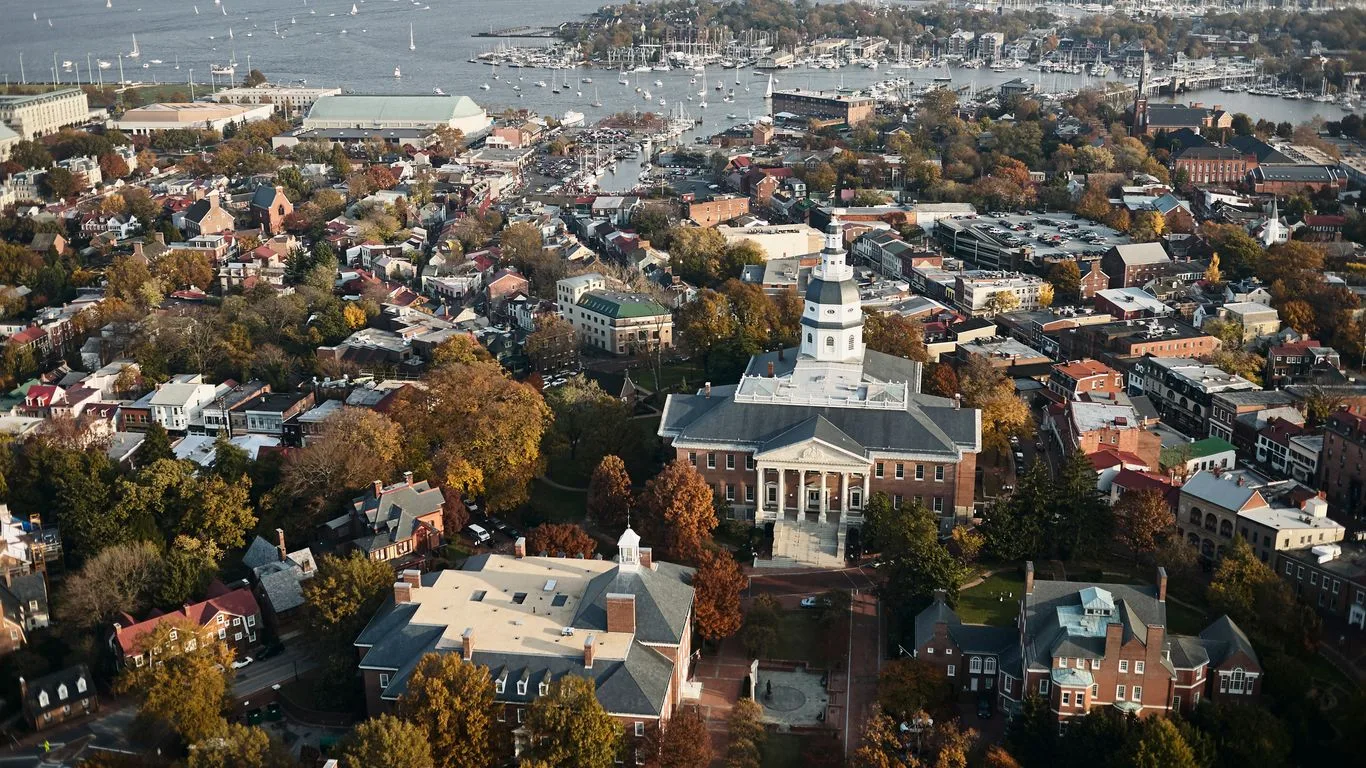
- Annapolis and the Historic District
- Arnold, Severna Park, and Millersville
- Glen Burnie, Pasadena, and Lake Shore
- Crofton, Gambrills, and Odenton
- Davidsonville, Riva, and Harwood
- Brooklyn Park, Ferndale, and Linthicum
- Hanover, Jessup, and Maryland City
- Deale, Shady Side, and Churchton
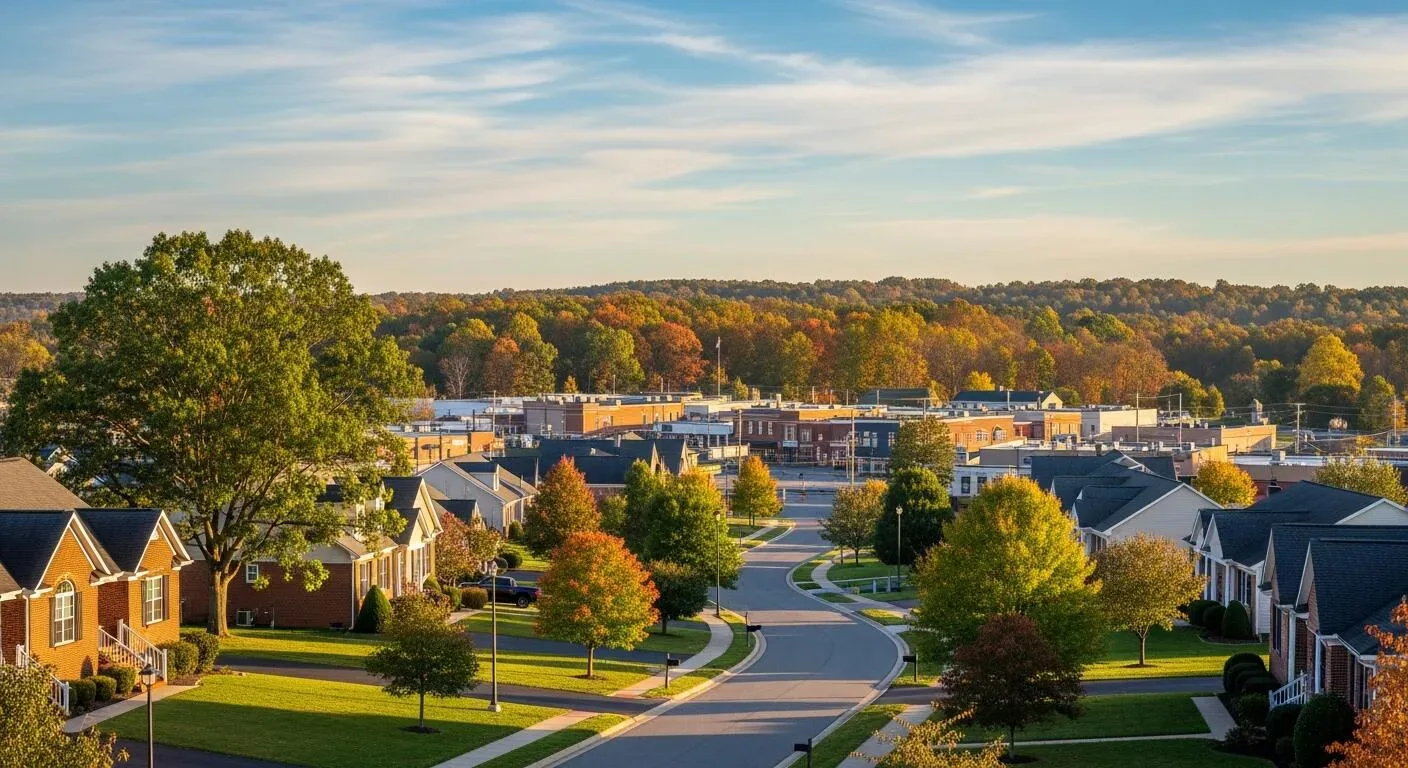
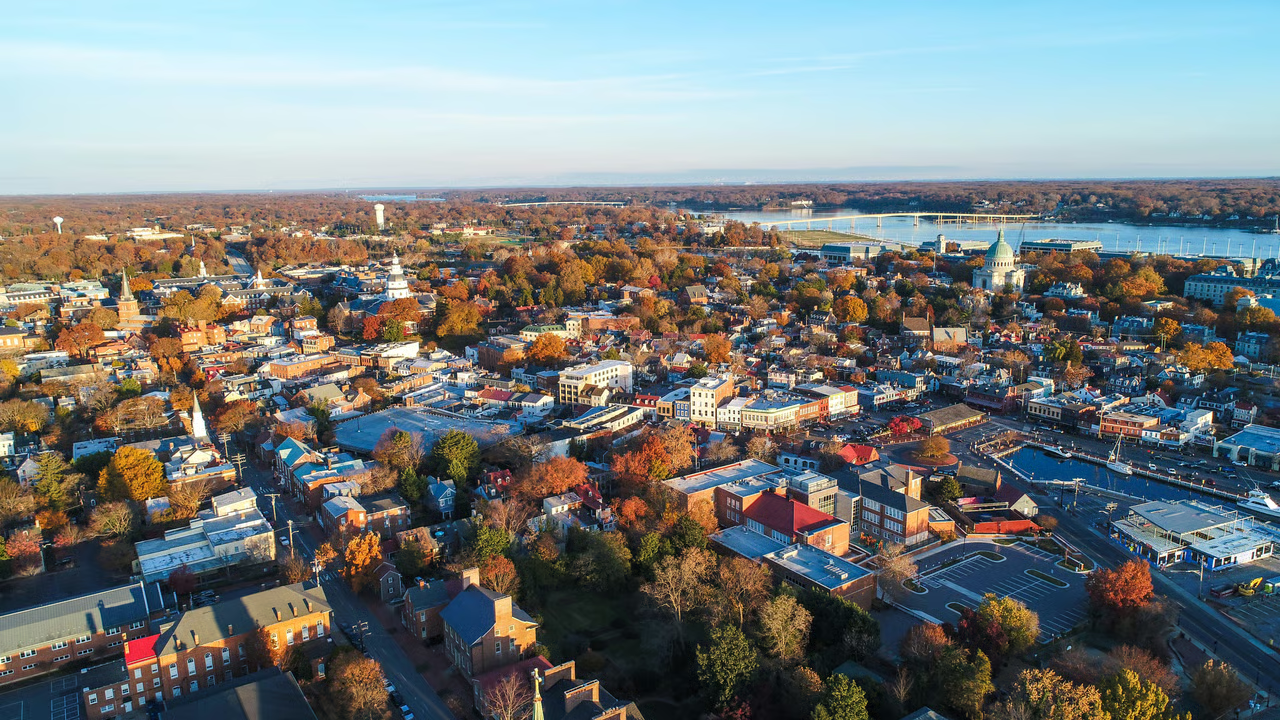
Each community presents unique restoration challenges, from historic properties in downtown Annapolis requiring specialized techniques to modern developments in Crofton with contemporary building materials. Our local expertise allows us to adapt our approach to match the specific needs of each neighborhood's housing stock and environmental conditions.
Seasonal Damage Patterns in Anne Arundel
Anne Arundel County experiences distinct seasonal damage patterns that property owners can anticipate and prepare for throughout the year.
Winter (December - February):
- Frozen pipe bursts during temperature drops below 20°F
- Ice dam formation causing roof leaks and water damage
- Heating system fires from overworked furnaces and space heaters
- Carbon monoxide issues requiring immediate evacuation and cleanup
Spring (March - May):
- Heavy rainfall overwhelming drainage systems and causing basement flooding
- Mold growth from winter moisture accumulation becoming visible
- Storm damage from severe thunderstorms and occasional tornadoes
Summer (June - August):
- Hurricane and tropical storm flooding from storm surge and rainfall
- HVAC system failures leading to humidity control problems
- Lightning strikes causing electrical fires and power surge damage
Fall (September - November):
- Continued hurricane season threats through October
- Chimney fires as heating systems restart after summer dormancy
- Sewage backup issues from leaves clogging storm drains
Housing Characteristics & Restoration Considerations
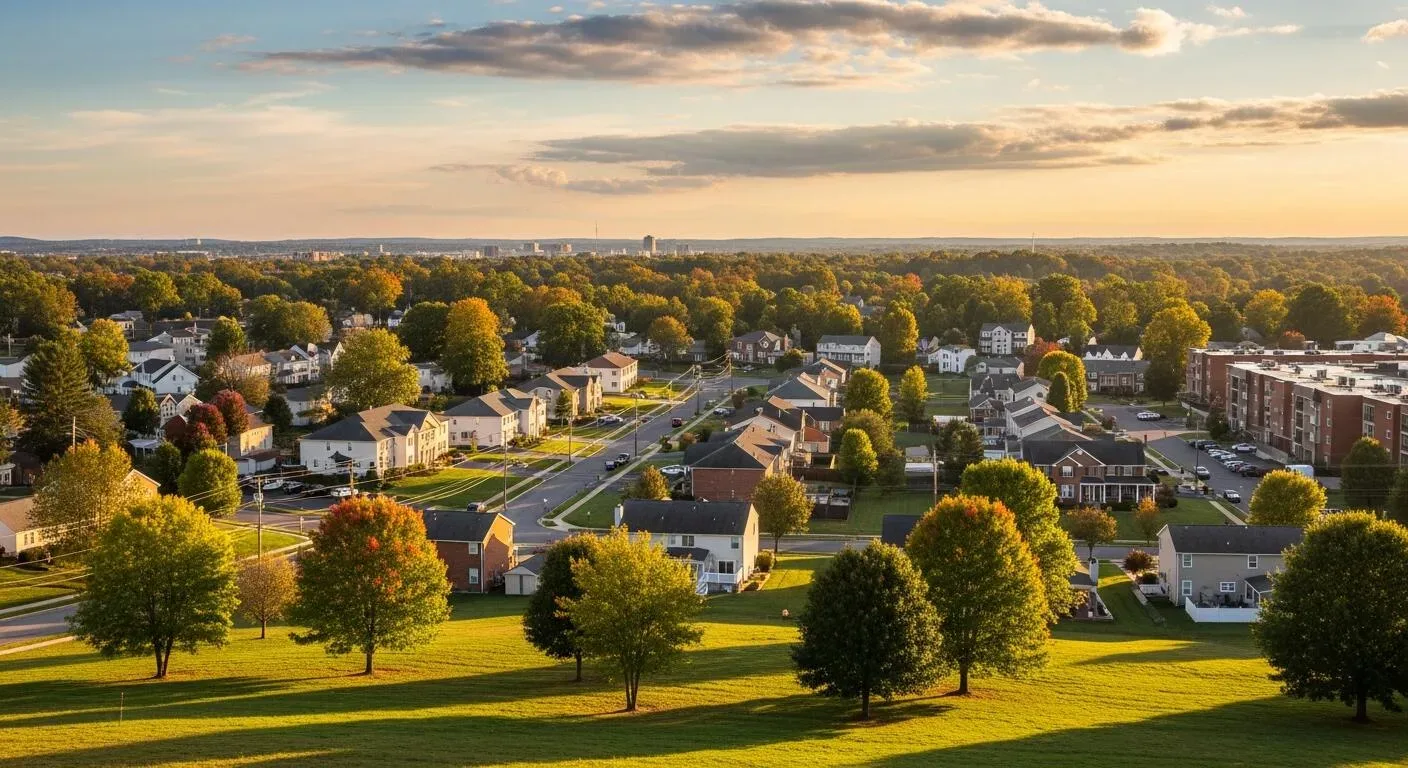
Anne Arundel County's housing stock reflects decades of growth and development, with approximately 40% of homes built before 1980 and significant new construction in planned communities. This diversity creates varied restoration challenges that require specialized approaches.
Older homes (pre-1980) commonly feature:
- Basement foundations susceptible to water intrusion and flooding
- Galvanized steel plumbing prone to corrosion and sewage backup issues
- Knob-and-tube electrical systems increasing fire damage risks
- Plaster walls that absorb smoke and require specialized cleaning techniques
- Original hardwood floors that can be restored after water damage with proper techniques
Modern construction (1980s-present) typically includes:
- Improved moisture barriers but potential for hidden mold growth in wall cavities
- Drywall construction that requires replacement rather than restoration after water damage
- Synthetic materials that produce toxic smoke requiring specialized fire damage cleanup
- Complex HVAC systems that can spread contamination throughout structures
Waterfront properties face additional challenges including saltwater corrosion, higher humidity levels, and increased storm surge exposure. These factors accelerate damage progression and require immediate professional intervention to prevent extensive secondary damage.
Environmental Conditions & Damage Implications
Anne Arundel County's environmental conditions significantly influence damage patterns and restoration requirements. The county's location in the humid subtropical climate zone creates year-round moisture management challenges that affect all types of restoration work.
Climate factors impacting restoration include:
- Average humidity levels of 60-70% promoting rapid mold growth after water events
- Annual precipitation of 40+ inches creating frequent water intrusion opportunities
- Temperature fluctuations causing expansion and contraction damage to building materials
- Coastal salt air accelerating corrosion of metal components and electrical systems
Soil conditions throughout the county vary from sandy coastal areas to clay-heavy inland regions. Sandy soils provide better drainage but offer less foundation stability, while clay soils retain moisture longer and can cause basement flooding during extended wet periods.
Water quality considerations affect restoration approaches:
- High mineral content in groundwater can leave deposits during flooding events
- Tidal influences introduce saltwater contamination requiring specialized cleanup procedures
- Agricultural runoff in rural areas may contain bacteria requiring enhanced sanitation protocols
Air quality factors include seasonal pollen that can complicate smoke damage restoration and industrial emissions from nearby urban centers that may affect indoor air quality after fire events. These environmental realities require restoration professionals to adapt their techniques and equipment selection to achieve optimal results in Anne Arundel County's unique conditions.
Chesapeake Bay Tidal Flooding and Specialized Restoration Needs
Anne Arundel County's extensive Chesapeake Bay shoreline creates unique restoration challenges that require specialized knowledge and equipment. Tidal flooding events, whether from seasonal high tides, storm surge, or nor'easter conditions, introduce saltwater contamination that demands different restoration approaches than typical freshwater damage.
Saltwater damage creates complex restoration scenarios:
- Accelerated corrosion of electrical systems requiring complete replacement rather than cleaning
- Salt crystal formation in porous materials like concrete and drywall causing ongoing deterioration
- Contamination of HVAC systems spreading corrosive particles throughout structures
- Damage to hardwood floors that may appear salvageable but continue degrading from embedded salt
- Specialized dehumidification requirements to prevent secondary moisture problems
Tidal flooding also brings unique contamination concerns. Bay water often contains bacteria, marine organisms, and pollutants that require enhanced sanitation protocols beyond standard water damage restoration. Properties affected by tidal flooding need immediate assessment to determine whether materials can be safely restored or must be removed and replaced.
Our restoration approach for tidal flooding includes:
- Immediate saltwater extraction using specialized equipment designed for corrosive environments
- Comprehensive material testing to identify salt penetration levels and contamination extent
- Advanced cleaning solutions specifically formulated for saltwater damage restoration
- Extended drying periods with continuous monitoring to prevent salt crystallization
- Complete system flushing for HVAC, plumbing, and electrical components exposed to saltwater
- Preventive treatments to protect restored materials from future tidal events
The timing of tidal flood response becomes even more critical than typical water damage scenarios. Salt begins its corrosive action immediately upon contact, and the longer materials remain saturated with saltwater, the more extensive the permanent damage becomes.