Damage Restoration in St. Mary's County, MD
- Damage Restoration Services Overview
- Common Damage Restoration Issues in St. Mary's County, Maryland
- Neighborhoods We Serve in St. Mary's County
- Seasonal Damage Patterns in St. Mary's County
- Housing Characteristics & Restoration Considerations
- Environmental Conditions & Damage Implications
- Septic Systems, Storm Surge, and Sewage Cleanup on the Peninsula
Damage Restoration Services Overview

St. Mary's County was established in 1637, making it one of the oldest settled areas in the country - and that long history means properties here range from centuries-old farmhouses to brand-new construction in Lexington Park. Both extremes face the same threat: water, fire, and mold move fast on a peninsula surrounded by the Potomac River, the Patuxent River, and the Chesapeake Bay.
Restoration work in this county covers a wide spectrum of emergencies, and most properties eventually face at least one of them:
- Water Damage Restoration - extraction, structural drying, and moisture mapping after pipe failures, appliance leaks, roof intrusion, or storm surge.
- Flooded Basement - pump-out, content triage, and dehumidification for below-grade spaces that collect groundwater.
- Sewage Cleanup - biohazard-rated removal, disinfection, and disposal after septic backups or main line failures.
- Fire Damage Restoration - debris removal, structural stabilization, and rebuilding of damaged framing and finishes.
- Smoke Damage Restoration - soot removal, thermal fogging, HVAC cleaning, and odor neutralization in areas the flames never touched.
- Mold Removal - containment, HEPA filtration, antimicrobial treatment, and removal of colonized materials.
Acting quickly protects far more than drywall. Fast response limits secondary mold growth, preserves salvageable belongings, reduces reconstruction scope, and helps homeowners document losses properly for insurance claims.
Common Damage Restoration Issues in St. Mary's County, Maryland
Geography drives most of the damage calls in this county. A narrow peninsula with high water tables, sandy-to-clay soils, and heavy tropical storm exposure creates conditions where small leaks become large losses quickly.
Local Causes of Damage
- Hurricane and nor'easter storm surge along Potomac River and Chesapeake Bay shorelines
- Tropical storm rainfall overwhelming gutters, downspouts, and grading
- High groundwater pushing through basement walls, floor cracks, and sump pit overflow
- Septic system saturation causing backups into lower-level fixtures
- Aging galvanized and polybutylene supply lines in older homes
- Frozen and burst pipes in crawl spaces and unconditioned garages
- Kitchen fires, wood stove and fireplace flue issues, and electrical faults in older wiring
- Humid summer air condensing inside crawl spaces and duct systems
Warning Signs Worth Investigating
- Musty odors that intensify after rain or when the HVAC runs
- Bubbling paint, cupped hardwood, or soft baseboards along exterior walls
- Sump pump cycling constantly - or not cycling during heavy rain
- Gurgling drains, slow flushing, or standing water near the septic field
- Lingering smoke odor weeks after a small kitchen fire
- Dark staining on ceiling tiles, joists, or crawl space insulation
- Visibly elevated indoor humidity or condensation on windows in summer
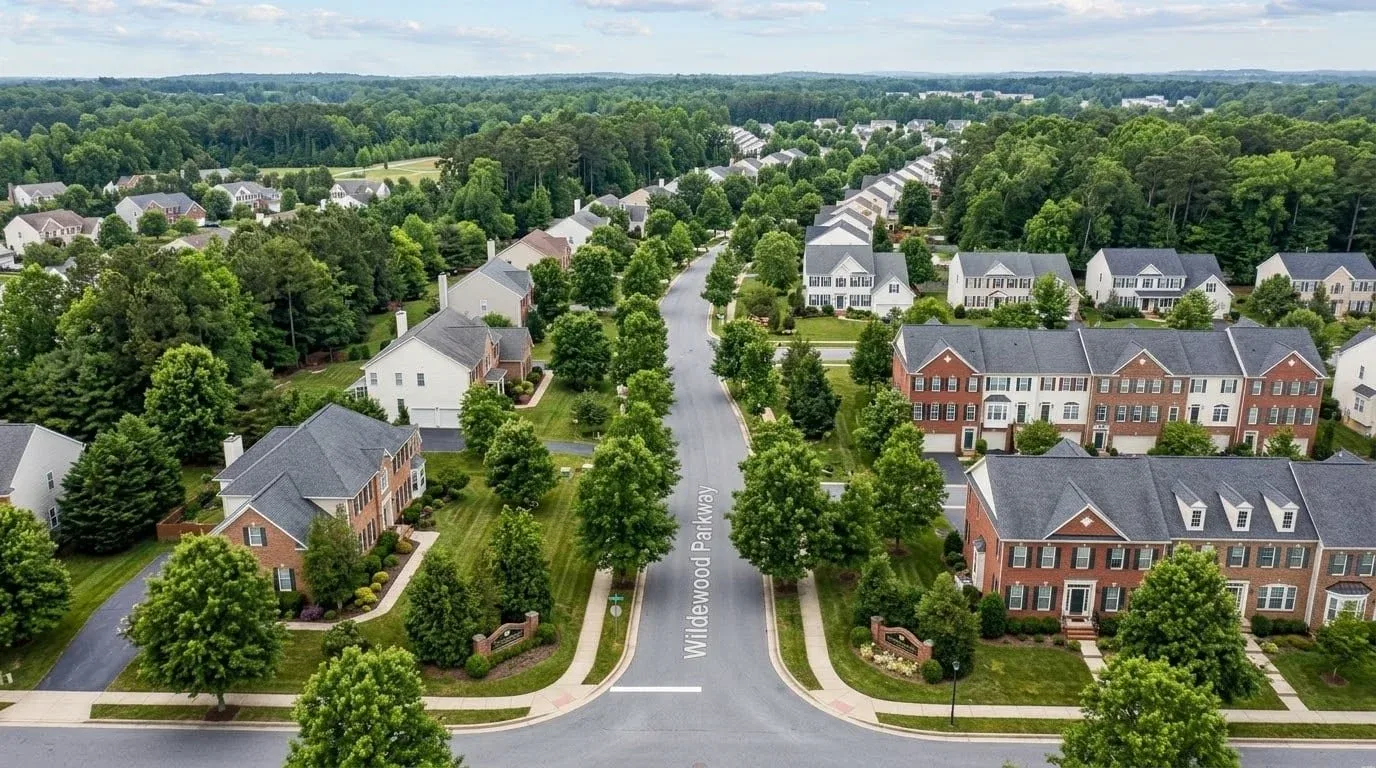
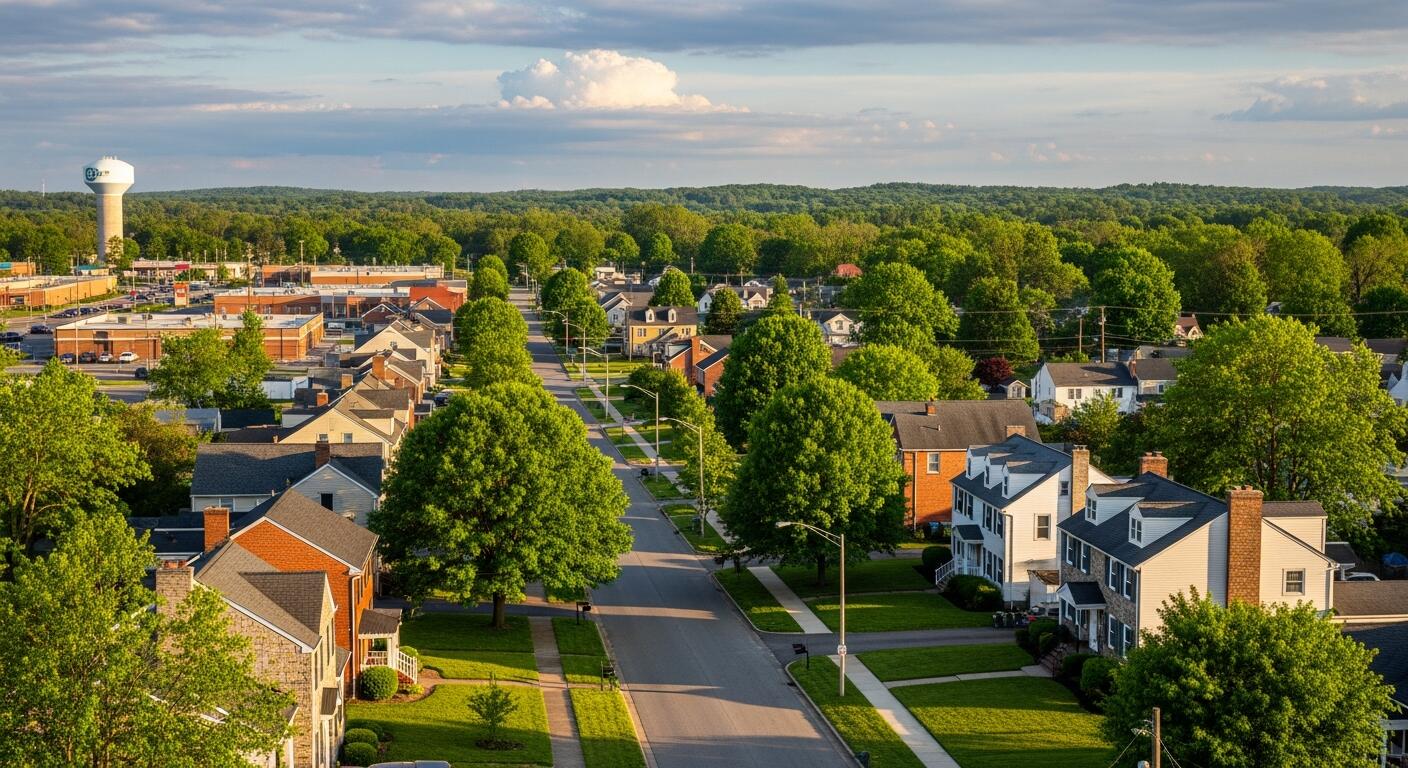
Homes near Leonardtown's creeks, waterfront properties in Piney Point, and lower-lying neighborhoods around Lexington Park tend to report water intrusion first, while older farmhouses in the county's rural stretches see more chimney-related and wiring-related fire losses.
Neighborhoods We Serve in St. Mary's County
Restoration crews cover the entire peninsula, from the Charles County line down to Point Lookout, including:
- Leonardtown - the county seat, with historic downtown structures and newer subdivisions
- Lexington Park & California - dense residential and commercial areas near Patuxent River Naval Air Station
- Great Mills, Hollywood, and Mechanicsville - mixed rural and suburban housing on well and septic
- Charlotte Hall and Loveville - northern communities with older farm properties
- Ridge, St. Inigoes, and Scotland - southern waterfront communities near Point Lookout
- Piney Point, Callaway, and Valley Lee - Potomac shoreline homes exposed to surge and wind-driven rain
- St. Mary's City, Chaptico, Avenue, and Bushwood - historic and riverfront properties
Service also extends into neighboring Calvert and Charles Counties, so multi-property owners and property managers across Southern Maryland can coordinate work through one team.
Seasonal Damage Patterns in St. Mary's County
Damage types rotate predictably through the year on the Southern Maryland peninsula.
- December through February - Frozen pipe bursts in crawl spaces, exterior walls, and vacant properties. Heating equipment, space heaters, and chimney fires drive fire and smoke damage calls.
- March through May - Snowmelt and spring rain saturate soils, producing flooded basements, sump pump failures, and the first mold growth of the year behind finished basement walls.
- June through August - Peak humidity fuels mold in crawl spaces, attics, and duct systems. Thunderstorms bring roof leaks, and saturated ground stresses septic fields, leading to sewage backups.
- August through October - Hurricane and tropical storm season. Storm surge, wind-driven rain, and prolonged power outages cause the largest water losses of the year along the Bay and Potomac.
- November - Nor'easters push coastal water inland, and the return of heating season restarts fire and smoke risk.
Clearing gutters twice a year, testing sump pumps before spring, and having chimneys inspected before the first cold snap eliminates a large share of these seasonal losses.
Housing Characteristics & Restoration Considerations
Housing stock here spans nearly four centuries, and the construction era of a property shapes almost every restoration decision made on site.
Common Construction Types
- Historic and pre-1950 homes - Plaster over wood lath, balloon framing, brick foundations, and original chimneys. Balloon framing allows smoke and fire to travel vertically between floors, and plaster holds moisture longer than modern drywall.
- Mid-century ranches and split-levels - Block foundations, crawl spaces, and cast-iron or galvanized plumbing prone to corrosion and sewage backup.
- 1980s-2000s subdivisions - Finished basements with carpet and paneling that trap water and support mold growth after minor flooding.
- Newer construction near Lexington Park and California - Tight building envelopes and engineered materials that dry slowly and require targeted dehumidification.
- Waterfront and elevated homes - Pier foundations, exposed underfloor systems, and vulnerable mechanical equipment.
How This Affects Restoration Work
- Homes built before the late 1970s may contain asbestos-containing materials or lead paint, requiring careful handling before demolition.
- Rural properties on private wells and septic need water testing and system evaluation after sewage events.
- Crawl space foundations demand moisture barriers and encapsulation assessment during mold remediation.
- Historic trim, flooring, and millwork are often restored rather than replaced, calling for controlled drying and specialty cleaning.
- Finished basements typically require flood cuts, insulation removal, and extended dehumidification before rebuilding.
Environmental Conditions & Damage Implications
St. Mary's County sits in a humid subtropical zone, nearly surrounded by tidal water. That environment influences how quickly damage spreads and how long drying takes.
Climate and Water Conditions
- Summer relative humidity frequently stays high enough to sustain mold growth without any leak present
- Annual rainfall combined with tropical systems produces sudden, high-volume water intrusion
- Tidal influence from the Potomac, Patuxent, and Chesapeake raises groundwater near shorelines
- Brackish floodwater carries contaminants and accelerates corrosion of metal fasteners, ductwork, and appliances
- Storm surge water is treated as contaminated, requiring removal of porous materials rather than drying in place
Soil and Site Factors
- Coastal plain soils range from sandy loam to dense clay, and clay-heavy lots hold water against foundations
- Flat terrain limits natural drainage, keeping yards and crawl spaces saturated after storms
- Saturated soil reduces septic drain field capacity, a leading cause of indoor sewage backups
- Shallow water tables challenge sump systems and below-grade waterproofing
Air Quality Impact
- Smoke residue bonds tightly in humid conditions, making odor removal more involved after a fire
- Mold spores and pollen circulate readily through duct systems in tight, air-conditioned homes
- HEPA filtration and negative air containment are standard on both mold and smoke projects here
Septic Systems, Storm Surge, and Sewage Cleanup on the Peninsula
A large share of St. Mary's County homes rely on private septic systems rather than municipal sewer. When heavy rain saturates a drain field or a tropical system pushes tidal water inland, those systems lose the ability to absorb waste - and the backup path leads straight into basement floor drains, laundry standpipes, and lower-level bathrooms.
Why Septic Backups Demand Specialized Response
- Category 3 water carries bacteria, viruses, and parasites that ordinary cleaning will not neutralize
- Porous materials - carpet, pad, drywall, particleboard cabinetry - must be removed rather than dried
- Contamination wicks upward inside wall cavities well above the visible water line
- Odor persists in subfloor and framing without antimicrobial treatment and sealing
- HVAC returns in affected areas can distribute contaminants throughout the home
A Structured Cleanup Process
- Isolate the affected area with containment barriers and negative air machines.
- Extract standing waste water with dedicated, biohazard-rated equipment.
- Remove and dispose of contaminated porous materials following state disposal requirements.
- Clean and disinfect all remaining hard surfaces, framing, and mechanical components.
- Apply antimicrobial treatment to inhibit mold growth on exposed structure.
- Dry the space to documented moisture targets with dehumidifiers and air movers.
- Verify results with moisture meters and clearance testing before reconstruction begins.
Custom Solutions for Local Properties
- Crawl space encapsulation and vapor barriers for homes on saturated lots
- Backflow prevention recommendations for basements below the septic tank elevation
- Battery-backup sump systems for properties that lose power during coastal storms
- Regrading and gutter and downspout redirection to keep runoff away from foundations
- Full reconstruction after cleanup, from framing and insulation to finished flooring and trim
Every property on this peninsula presents a different combination of elevation, soil, plumbing age, and construction style, so the plan is built around the structure in front of us - not a template.