
Damage Restoration in Lexington Park, MD
- Damage Restoration Services Overview
- Common Damage Restoration Issues in Lexington Park, Maryland
- Neighborhoods We Serve in Lexington Park
- Seasonal Damage Patterns in Lexington Park
- Housing Characteristics & Restoration Considerations
- Environmental Conditions & Damage Implications
- Working With Insurance and Understanding Your Restoration Timeline in St. Mary's County
Damage Restoration Services Overview
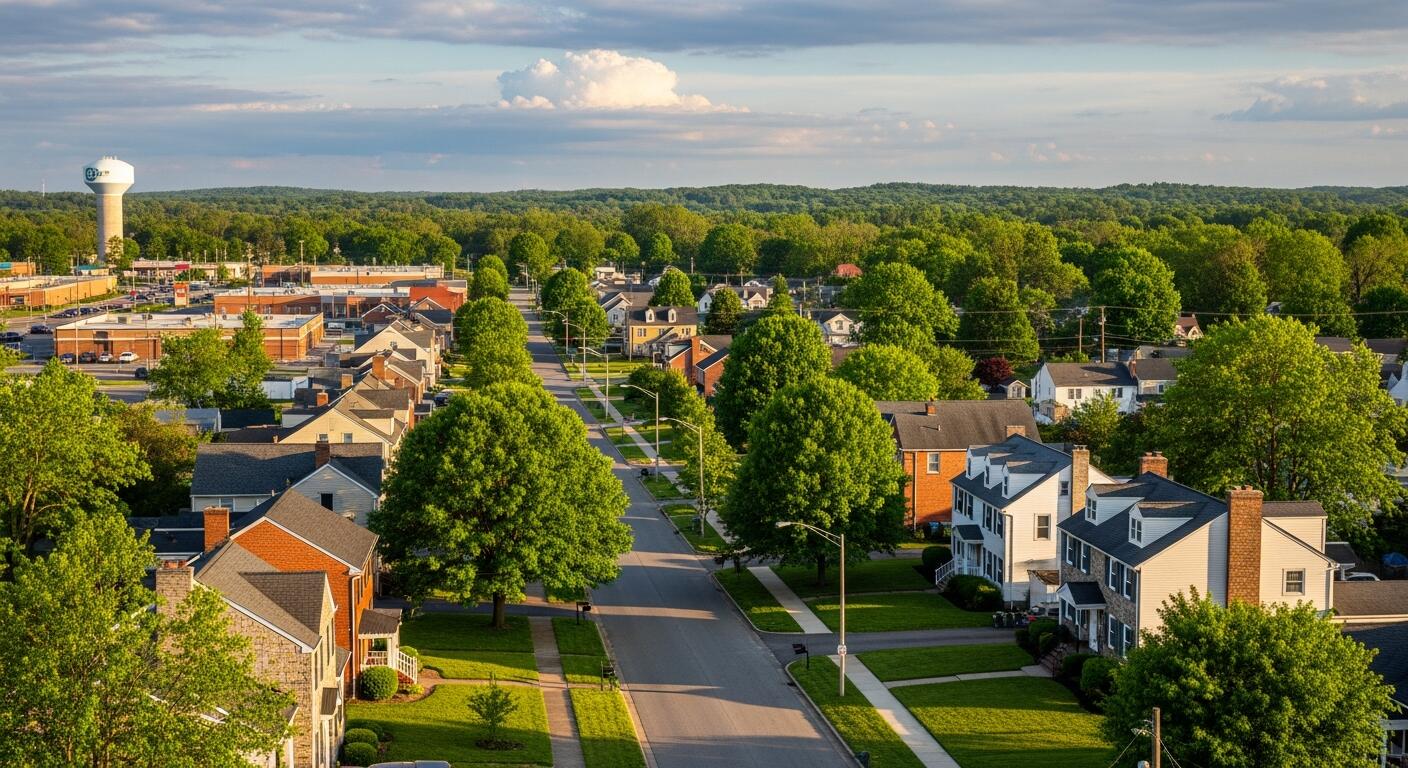
What would you do if you walked downstairs tomorrow morning and found two inches of water covering the basement floor? For homeowners and business operators in Lexington Park, that scenario is more common than most people expect - and the clock starts ticking the moment water, smoke, or sewage touches building materials.
Restoration work covers a wide range of emergencies, and each one demands a different approach:
- Water Damage Restoration - extraction, structural drying, and moisture mapping after supply line breaks, appliance failures, and roof leaks
- Flooded Basement - pump-out, dehumidification, and salvage of stored belongings in below-grade spaces
- Sewage Cleanup - containment and sanitizing after backups, septic failures, and Category 3 contamination
- Fire Damage Restoration - debris removal, structural cleaning, and rebuilding of charred areas
- Smoke Damage Restoration - soot removal from surfaces, HVAC systems, and soft contents plus odor neutralization
- Mold Removal - containment, affected material removal, and correction of the moisture source
The benefit of acting quickly is straightforward. Faster drying means fewer materials removed, less demolition, and a shorter path back to normal life. Documented moisture readings also give property owners something concrete to share with their insurance carrier.
Common Damage Restoration Issues in Lexington Park, Maryland
Southern Maryland's humid summers, coastal storm exposure, and mix of older and newer construction create a predictable set of restoration problems. A dishwasher line fails, a pipe drips inside a wall, or storm runoff sneaks under a door after heavy rain.
What Triggers Damage Locally
- Tropical systems and nor'easters pushing rain against foundations along the Patuxent River corridor
- High water tables that pressure basement walls and floor slabs
- Aging supply lines and water heaters in homes built during the naval air station's growth decades
- Septic systems and municipal laterals that back up when saturated soils cannot absorb more water
- Kitchen fires, chimney issues, and space heater use during cold snaps
- Lightning strikes and electrical faults during summer thunderstorms
Warning Signs Worth Investigating
- Musty odors in a basement, crawlspace, or closet that never fully fade
- Cupping hardwood, bubbling paint, or dark staining along baseboards
- Slow floor drains or gurgling toilets, which often precede a sewage backup
- Unexplained spikes in the water bill pointing to a hidden supply leak
- Lingering smoke odor that returns when the HVAC system cycles on
- Recurring allergy symptoms indoors, a frequent early clue of hidden mold growth
Small problems rarely stay small here. Water spreads quietly into flooring, drywall, trim, and lower-level spaces long before a visible stain appears on the ceiling.
Neighborhoods We Serve in Lexington Park
Response coverage stretches across St. Mary's County and the surrounding communities that share the same weather patterns and soil conditions.
- Lexington Park - including neighborhoods surrounding Great Mills Road and the Patuxent River Naval Air Station gates
- California, MD - Wildewood, Pegg Road corridor, and the retail districts along Route 235
- Great Mills - older single-family homes and rental properties
- Hollywood and Leonardtown - waterfront and rural properties on private wells and septic
- Park Hall, St. Inigoes, and Ridge - southern county communities near the river
- Callaway, Piney Point, and Valley Lee - shoreline neighborhoods exposed to storm surge
- Mechanicsville and Charlotte Hall - northern county homes with larger lots and crawlspaces
Coverage extends to apartments, townhome associations, retail spaces, restaurants, and offices throughout the region.
Seasonal Damage Patterns in Lexington Park
Different months bring different emergencies. Knowing the pattern helps property owners prepare before the phone call becomes urgent.
- December through February - frozen and burst pipes, ice dam leaks, heating equipment fires, and chimney-related smoke damage
- March and April - snowmelt and spring rain producing flooded basements, plus sump pump failures after long idle periods
- May and June - rising humidity awakens dormant mold in crawlspaces, basements, and attics
- July and August - thunderstorms, lightning strikes, power outages that disable sump pumps, and saturated ground driving water through foundation cracks
- August through October - Atlantic hurricane and tropical storm season, the peak window for wind-driven rain, roof leaks, and sewage backups
- November - first hard freezes catching unprotected hose bibs and unheated crawlspace lines
Mold removal calls cluster in late spring and summer, while fire and smoke damage restoration requests climb once heating systems and fireplaces return to daily use.
Housing Characteristics & Restoration Considerations
Lexington Park housing stock reflects decades of growth tied to the naval air station. That mix shapes how restoration work is planned and executed.
Common Construction Types
- Mid-century ranchers and Cape Cods with plaster walls, hardwood floors, and original subflooring
- 1970s and 1980s split-levels with finished lower levels and wall-to-wall carpet
- Newer subdivisions in California and Wildewood featuring engineered lumber, vinyl plank flooring, and conditioned crawlspaces
- Townhomes and garden apartments where a single leak affects multiple units
- Rural properties on well water and septic systems
How Age and Materials Affect the Work
- Older homes may contain asbestos-era flooring or lead paint, requiring testing before demolition begins.
- Plaster holds moisture differently than drywall and often needs longer, more targeted drying.
- Finished basements with carpet pad and paneling almost always require partial removal after a Category 3 sewage event.
- Engineered wood and laminate flooring swells quickly and rarely dries in place.
- Balloon-framed walls in older houses let water and smoke travel between floors through open stud cavities.
- Crawlspaces with exposed soil feed humidity into living space, accelerating mold growth after any water intrusion.
Technicians use moisture meters and thermal imaging to map hidden saturation before any material is cut, keeping demolition limited to what genuinely needs to come out.
Environmental Conditions & Damage Implications
Geography works against drying in this part of Maryland. Peninsular land between the Patuxent River and the Chesapeake Bay keeps outdoor humidity elevated for much of the year.
Climate and Moisture Factors
- Humid subtropical summers with dew points that stall passive drying
- Annual rainfall concentrated in heavy summer downpours and tropical systems
- Mild winters that allow mold activity to continue year-round in unconditioned spaces
- Storm surge and tidal influence affecting low-lying waterfront properties
Soil, Water, and Air Considerations
- Coastal plain soils with clay layers that hold water against foundations rather than draining it away
- Shallow groundwater tables that raise hydrostatic pressure on basement walls
- Well water and septic systems in outlying areas, where saturation raises backup risk
- Salt-laden air near the water accelerating corrosion on fire-damaged metal and electrical components
- Pollen and outdoor particulates that complicate indoor air quality assessments after smoke events
Because ambient humidity is high, drying plans rely on sealed containment and commercial dehumidification rather than open windows and fans. Soot particles behave differently in humid air too - acidic residues bond faster to surfaces, which is why smoke damage restoration is scheduled quickly rather than left for later.
Working With Insurance and Understanding Your Restoration Timeline in St. Mary's County
The most stressful part of a loss is usually not the water or the smoke. It is not knowing what happens next, what it will involve, or who decides.
What a Transparent Process Looks Like
- Initial assessment - technicians inspect the property, identify the water source or fire origin, and determine the contamination category.
- Plain-language explanation - the extent of damage and the proposed scope are explained so property owners can make an informed decision on how to proceed.
- Moisture detection and extraction - advanced equipment locates hidden moisture behind walls and under flooring before standing water is removed.
- Controlled drying - air movers and dehumidifiers are positioned according to the affected square footage and material types.
- Daily documentation - readings are logged so progress is measurable, not guessed at.
- Cleaning, sanitizing, and deodorizing - antimicrobial treatment for sewage losses, soot removal and odor neutralization for fire and smoke losses.
- Restoration to pre-damaged condition - repairs, reinstallation, and final verification of dryness.
Documentation That Supports Your Claim
- Photographs of affected areas before mitigation begins
- Written inventory of damaged contents and building materials
- Daily moisture and humidity logs throughout the drying period
- Notes on containment measures used for mold removal or sewage cleanup
- Clear scope descriptions shared directly with the adjuster
What Property Owners Can Do First
- Shut off the water supply if a leak is active and the valve is safely reachable
- Avoid entering standing water where electrical hazards may exist
- Stay out of areas affected by sewage until containment is established
- Do not attempt to wipe soot from walls, which can drive residue deeper into surfaces
- Photograph conditions and notify the insurance carrier promptly
Certified technicians serving Lexington Park, California, Great Mills, and the surrounding St. Mary's County communities are available around the clock, because water and smoke never wait for business hours.





