
Damage Restoration in California, MD
- Damage Restoration Services Overview
- Common Damage Restoration Issues in California, Maryland
- Neighborhoods We Serve in California
- Seasonal Damage Patterns in California
- Housing Characteristics & Restoration Considerations
- Environmental Conditions & Damage Implications
- Emergency Response Timelines for St. Mary's County Properties
Damage Restoration Services Overview
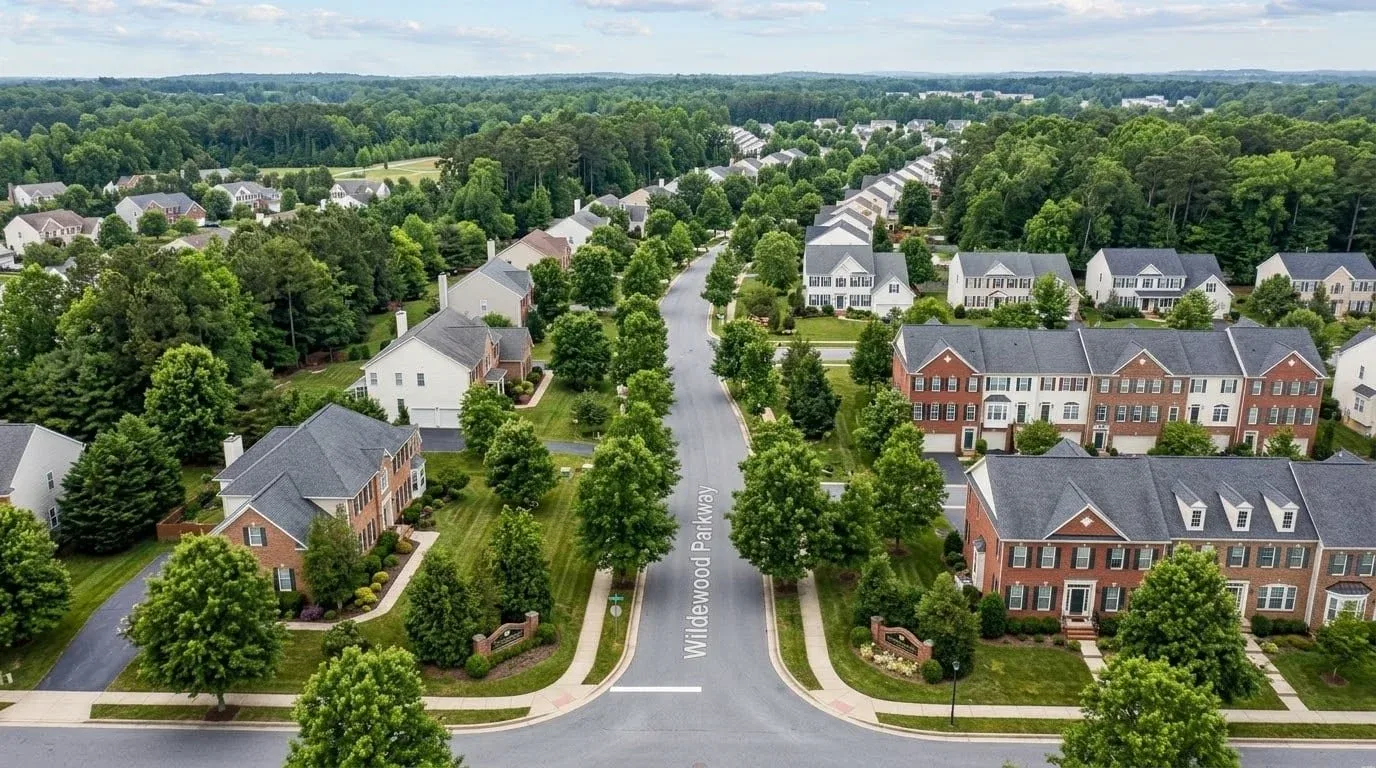
California, Maryland sits in the heart of St. Mary's County, where humid Chesapeake air, tidal storm systems, and a mix of older farmhouses and newer subdivisions near Pax River shape how property damage behaves. Water rarely stays where it starts here - it travels through subfloors, wall cavities, and lower levels long before anyone notices a stain.
Restoration work in this area covers a full range of emergencies:
- Water Damage Restoration - supply line failures, appliance leaks, roof intrusion, and wind-driven rain
- Flooded Basement - hydrostatic pressure, sump pump failure, and surface runoff entering below-grade space
- Sewage Cleanup - backed-up mains, septic surcharge, and contaminated Category 3 water events
- Fire Damage Restoration - structural cleanup, debris removal, and stabilization after kitchen or electrical fires
- Smoke Damage Restoration - soot removal, odor neutralization, and HVAC decontamination
- Mold Removal - containment and remediation of growth fueled by Southern Maryland humidity
Benefits for local residents include faster drying before secondary damage sets in, documentation that supports insurance claims, and containment that keeps contamination out of clean areas of the home. Handling all six service categories under one process also means no gap between water extraction and the mold prevention that follows.
Common Damage Restoration Issues in California, Maryland
Local damage patterns follow the weather and the age of the building stock. Coastal storm bands, high summer dew points, and heavy clay soils all contribute.
Frequent Causes
- Dishwasher, refrigerator, and washing machine supply lines that split at the connection
- Pinhole leaks inside wall cavities that drip for weeks before staining drywall
- Storm runoff sliding under exterior doors and garage thresholds after heavy rain
- Sump pump failure during multi-day rain events, flooding finished basements
- Septic system surcharge and municipal main backups pushing sewage into lower-level fixtures
- Kitchen grease fires, chimney fires, and electrical faults in older panels
- Crawl space moisture feeding mold colonies under first-floor framing
Warning Signs Worth Acting On
- Musty odor that gets stronger in humid weather or when HVAC runs
- Baseboards that feel soft, cupped hardwood, or bubbling paint
- Discoloration on ceiling tiles or a ring around a light fixture
- Gurgling drains or slow toilets - often the first hint of a sewage backup
- Lingering smoke smell that returns on warm days after a small fire
- Condensation on ductwork or visible growth on stored cardboard boxes
Small events escalate quickly here. A gallon of clean water can turn into a Category 2 problem within a couple of days, and untreated soot residue becomes acidic and corrosive on metal and glass surfaces.
Neighborhoods We Serve in California
Service extends across California, MD and the surrounding St. Mary's County communities, covering both established neighborhoods and newer developments.
- Wildewood and surrounding planned communities
- San Souci and nearby residential streets off Route 235
- Chancellors Run and Foxchase corridors
- Lexington Park and areas near Patuxent River Naval Air Station
- Hollywood, Leonardtown, and Mechanicsville
- Great Mills, Park Hall, and California Village
- Waterfront properties along the Patuxent and Breton Bay areas
Commercial coverage includes retail along Three Notch Road, medical offices, restaurants, contractor facilities, and multi-unit rental properties. Waterfront and near-shore homes often need different drying strategies than inland subdivisions, since elevated groundwater and crawl space humidity change how quickly materials release moisture.
Seasonal Damage Patterns in California
Winter (December - February)
- Frozen and burst pipes in unheated crawl spaces, garages, and exterior walls
- Heating equipment fires, space heater incidents, and puffback from oil furnaces
- Ice damming on lower-slope roof sections after snow
Spring (March - May)
- Saturated clay soils driving groundwater into basements
- Sump pump overload during extended rain
- First mold growth of the year as indoor humidity climbs
Summer (June - August)
- Peak mold season - high dew points, AC condensate overflows, and duct condensation
- Thunderstorm wind damage, roof leaks, and lightning-related fires
- Sewage backups when heavy rain infiltrates aging lines and septic fields
Fall (September - November)
- Tropical systems and nor'easters pushing water through doors and window wells
- Clogged gutters redirecting runoff toward foundations
- Chimney and fireplace fires as heating season begins
Smoke damage calls cluster in the colder months, while water and mold work runs heaviest from late spring through early fall.
Housing Characteristics & Restoration Considerations
California, MD has a layered housing mix - mid-century farmhouses and ramblers, 1980s and 1990s subdivisions, and a large stock of newer construction built during the Pax River growth years.
Common Construction Types
- Crawl space foundations - common in older county homes, prone to standing water, vapor drive, and joist mold
- Poured concrete and block basements - typical in newer builds, vulnerable at cove joints and window wells
- Slab-on-grade construction - water spreads laterally under flooring with few visible clues
- Vinyl siding over OSB sheathing - traps moisture behind the wall when flashing fails
- Engineered wood flooring and MDF trim - swells fast and often can't be dried in place
How Age Affects Restoration
- Pre-1980 homes may contain asbestos-backed flooring or plaster requiring careful handling before demolition
- Older galvanized and polybutylene supply lines fail without warning
- Tight modern envelopes hold humidity in, accelerating mold after any water event
- Finished basements with carpet, padding, and drywall to the floor amplify losses during flooding
- Open floor plans allow smoke and soot to travel across an entire level within minutes
These variables change drying equipment placement, containment design, and how much material gets removed versus restored. Older septic-served properties also raise the likelihood that a backup falls into contaminated-water protocols requiring full antimicrobial treatment.
Environmental Conditions & Damage Implications
Southern Maryland's peninsula climate creates conditions that favor microbial growth for much of the year.
Climate and Humidity
- Summer dew points regularly sit in the upper 60s and low 70s
- Indoor relative humidity above 60 percent supports mold colonization on drywall paper, wood, and dust
- Shoulder seasons bring condensation when warm outdoor air meets cool basement surfaces
Soil and Groundwater
- Silty and clay-heavy Coastal Plain soils drain slowly and hold water against foundations
- High water tables near the Patuxent and creek tributaries increase hydrostatic pressure
- Sandy pockets shift and settle, cracking slabs and foundation walls
Water and Air Quality Factors
- Well and septic systems in outlying areas raise contamination risk during backups
- Brackish tidal flooding introduces salts and organic material that ordinary drying won't resolve
- Smoke particulate settles into HVAC systems and porous contents, requiring dedicated air scrubbing
These conditions shape the response. Drying plans account for local dew point rather than generic targets, dehumidification runs longer in humid months, and post-water projects include moisture verification specifically to head off mold. Soot cleanup also demands controlled airflow so residue doesn't redistribute into unaffected rooms.
Emergency Response Timelines for St. Mary's County Properties
Speed decides how much of a home survives an emergency. In California, MD, the window between a loss and effective mitigation is narrow because humidity and porous building materials work against you.
Why the First Hours Matter
- Drywall wicks water vertically within the first hour of contact
- Mold can begin establishing on damp organic material within roughly 24 to 48 hours
- Soot residue turns acidic and etches metal, appliance finishes, and glass quickly
- Sewage contamination spreads across a floor plan through foot traffic and airflow
- Untreated smoke odor bonds into fabrics, insulation, and unsealed wood
What a Fast Response Looks Like
- Call intake and triage - source of loss, affected levels, and safety hazards identified before arrival
- Site assessment - moisture meters, thermal imaging, and mapping of migration paths behind walls and under flooring
- Source control - shutting off supply lines, addressing sump failures, or tarping compromised roof sections
- Extraction and containment - standing water removed, contaminated zones isolated with negative air
- Structural drying - air movers and dehumidifiers positioned to the specific materials and layout involved
- Cleaning and decontamination - antimicrobial application for sewage, soot removal and odor treatment after fire
- Monitoring and documentation - daily readings recorded and shared for insurance purposes
- Reconstruction planning - drywall, flooring, trim, and finish work scoped once dry standards are met
What Homeowners Can Do Immediately
- Shut off water at the main if a supply line is involved
- Keep everyone away from sewage-affected areas and standing water near outlets
- Photograph conditions before moving anything
- Leave soot alone - wiping it dry drives residue deeper into surfaces
- Move undamaged contents to a dry, conditioned area if it's safe to do so
Coordinating water, sewage, fire, smoke, and mold work through a single process removes the delay between mitigation and repair - which is exactly where secondary damage tends to appear.





