
Damage Restoration in Berlin, MD
- Damage Restoration Services Overview
- Common Damage Restoration Issues in Berlin, Maryland
- Neighborhoods We Serve in Berlin
- Seasonal Damage Patterns in Berlin
- Seasonal Damage Patterns in Berlin
- Housing Characteristics & Restoration Considerations
- Environmental Conditions & Damage Implications
- Storm Season Preparation and Emergency Response for Berlin Property Owners
Damage Restoration Services Overview
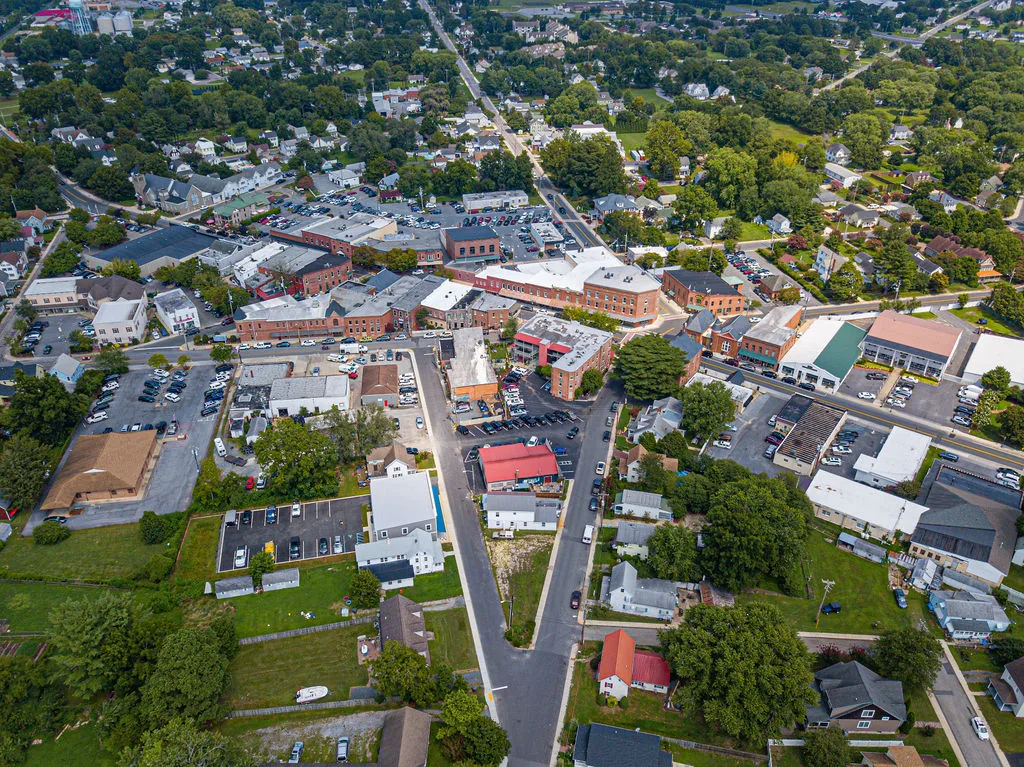
Few things rattle a homeowner like walking into a basement filled with water or waking up to the acrid smell of smoke. Property damage in Berlin, Maryland arrives without warning, and the hours that follow shape how much of your home can be saved.
Restoration work in this part of Worcester County covers a wide span of emergencies, each requiring different equipment, drying strategies, and safety protocols:
- Water Damage Restoration - extraction, structural drying, and moisture mapping after burst pipes, appliance failures, roof leaks, or coastal storm intrusion.
- Flooded Basement Recovery - pumping standing water, drying foundation walls and slabs, and salvaging stored belongings.
- Sewage Cleanup - containment and decontamination after septic backups, sewer line failures, or toilet overflows involving Category 3 water.
- Fire Damage Restoration - board-up, debris removal, soot cleanup, and rebuilding of charred framing and finishes.
- Smoke Damage Restoration - odor neutralization, HVAC cleaning, and treatment of surfaces that absorbed smoke residue far from the burn area.
- Mold Removal - containment barriers, HEPA filtration, removal of colonized materials, and correction of the moisture source.
The benefit of coordinated restoration is continuity. One team documents the loss for your insurer, dries the structure properly, and prevents the secondary problems - warped flooring, hidden mold, lingering odor - that turn a manageable claim into a gut renovation.
Common Damage Restoration Issues in Berlin, Maryland
Berlin sits inland from Ocean City but still lives under the same coastal weather patterns, with a high water table and flat, poorly draining terrain that pushes moisture toward foundations year-round.
Local Conditions That Drive Damage
- Tropical systems and nor'easters - wind-driven rain finds its way under shingles, around older window flashing, and through storm-damaged siding.
- Shallow groundwater - many Berlin properties sit only a few feet above the water table, keeping crawl spaces and basement slabs persistently damp.
- Septic systems - homes outside town limits rely on septic tanks and drain fields that saturate and back up during heavy rain.
- Aging municipal lines - older sections of town have clay laterals vulnerable to root intrusion and collapse.
- Heating season fires - wood stoves, fireplaces, and space heaters used in historic homes with older chimneys and wiring.
Warning Signs Worth Acting On
- A musty odor in a crawl space, closet, or finished basement that never fully clears.
- Efflorescence - white chalky residue - on block or poured foundation walls.
- Baseboards that feel soft, cupped hardwood, or vinyl plank lifting at seams.
- Gurgling drains or slow toilets, often the first hint of a failing lateral or septic field.
- Sooty film on window glass and around HVAC registers weeks after a small kitchen or chimney fire.
- Dark speckling along the drywall behind furniture pushed against exterior walls.
Any of these signals warrants moisture testing before finishes are replaced. Cosmetic repairs over wet framing simply seal the problem inside the wall cavity.
Neighborhoods We Serve in Berlin
Coverage extends across the town and the surrounding Worcester County countryside, including:
- Downtown Berlin - Main Street, Broad Street, and the surrounding historic district of Victorian and early-1900s homes.
- Decatur Farm and Peninsula Crossing - newer subdivisions with slab and crawl space construction.
- Ocean Pines and Glen Riddle - waterfront-adjacent communities with heavy seasonal moisture exposure.
- Bay Club and Beach Club corridors along Route 50 and Route 589.
- Buckingham, Stephen Decatur Park, and Henry Park neighborhoods within town limits.
- Rural routes toward Showell, Bishopville, Newark, and Libertytown - properties on well and septic systems.
Service also reaches nearby West Ocean City, Ocean City, Snow Hill, Bishopville, and Selbyville just across the Delaware line. Response teams stage locally so crews can reach most Berlin addresses quickly after a call, day or night.
Seasonal Damage Patterns in Berlin
Seasonal Damage Patterns in Berlin
Damage in Berlin follows a fairly predictable annual rhythm shaped by Atlantic weather and Eastern Shore humidity.
- January - February: Frozen and burst supply lines in unheated crawl spaces, vacation rentals, and seasonal properties. Peak season for heating-related fire and smoke damage from stoves, chimneys, and portable heaters.
- March - April: Snowmelt and spring rain raise groundwater, producing flooded basements, seepage through foundation cracks, and saturated septic drain fields.
- May - June: Humidity climbs above 70 percent. Mold growth accelerates in crawl spaces, attics, and any material that stayed damp through winter.
- July - August: Severe thunderstorms bring wind damage, roof leaks, and lightning-related electrical fires. Air conditioning condensate line clogs cause ceiling and closet water damage.
- September - October: Hurricane and tropical storm season. The heaviest month for storm flooding, sewage backups from overwhelmed systems, and large-loss water intrusion.
- November - December: Cooking fires, holiday decorating mishaps, and the first hard freezes catching outdoor spigots and hose bibs.
Scheduling gutter cleaning, sump pump testing, and chimney inspection ahead of these windows prevents a large share of calls.
Housing Characteristics & Restoration Considerations
Berlin's housing stock is unusually varied for a small town, ranging from 1890s Victorians on Main Street to subdivisions built within the last fifteen years. Each construction era changes how a restoration is approached.
Historic Homes (pre-1940)
- Plaster over wood lath, which holds water far longer than drywall and needs slower, controlled drying.
- Balloon framing that lets smoke and fire travel vertically between floors through open wall cavities.
- Original heart pine floors that can often be dried in place and refinished rather than replaced.
- Potential lead paint and asbestos in floor tile, pipe wrap, and siding - requiring testing before demolition.
Mid-Century Homes (1950s - 1980s)
- Block foundations and vented crawl spaces prone to chronic humidity and mold on floor joists.
- Galvanized or early copper plumbing nearing the end of its service life.
- Finished basements with paneling and carpet that rarely survive a Category 2 or 3 water event.
Newer Construction (1990s - present)
- Slab-on-grade and sealed crawl spaces that trap moisture when a leak goes undetected.
- Tighter building envelopes that concentrate smoke odor and require aggressive HVAC cleaning and hydroxyl or ozone treatment.
- Engineered wood flooring and OSB subfloor, both of which swell quickly and often need removal.
Because many Berlin homes have been renovated in layers, restoration technicians use thermal imaging and penetrating meters to find water that has traveled between old and new assemblies before drying equipment is placed.
Environmental Conditions & Damage Implications
Berlin's humid subtropical climate combines with coastal plain soils to create conditions that favor moisture problems more than almost anywhere else in Maryland.
Climate and Air
- Roughly 44 - 48 inches of annual rainfall, concentrated in summer storms and autumn tropical systems.
- Summer dew points frequently in the low 70s, meaning outdoor air alone cannot dry a structure - dehumidification is required.
- Salt-laden air from the Atlantic accelerates corrosion on HVAC coils, fasteners, and electrical components after fire or water exposure.
- Pollen and coastal particulates already burden indoor air, so post-fire soot and mold spores compound respiratory irritation.
Soil and Water
- Sandy loam and silty coastal plain soils drain quickly at the surface but sit over a high water table that limits deep percolation.
- Hydrostatic pressure pushes groundwater through foundation cold joints and around pipe penetrations during wet stretches.
- Well water in outlying areas often carries iron and sulfur, staining materials and complicating cleanup after a plumbing failure.
- Septic drain fields in saturated soil lose capacity, which is the leading cause of household sewage backups in rural Berlin.
What This Means for Restoration
Drying plans here rely on desiccant or low-grain refrigerant dehumidifiers rather than simple air movement. Mold remediation must address the moisture source - grading, downspout extensions, vapor barriers, or sump systems - or growth returns within a season. Post-fire work includes corrosion treatment on metals that would otherwise pit in the salt air.
Storm Season Preparation and Emergency Response for Berlin Property Owners
Berlin sits close enough to the coast that every named storm tracking up the Atlantic becomes a local concern. Tropical systems, nor'easters, and summer squall lines routinely knock out power, tear shingles loose, and overwhelm drainage across Worcester County.
Before the Storm
- Test the sump pump and confirm the discharge line carries water well away from the foundation. Add a battery backup - pumps fail most often during the outage that accompanies the flood.
- Clear gutters, downspouts, and yard drains of leaves and pine straw.
- Photograph every room, the exterior, and the contents of the basement or crawl space. Store images in cloud storage, not just on the phone.
- Move stored items off basement floors onto shelving or pallets.
- Locate and label the main water shutoff, electrical panel, and gas valve so anyone in the household can act.
- Review your policy for flood coverage, sewer backup endorsement, and mold sublimits - standard homeowners policies exclude rising water.
After Water Enters
- Cut power to affected areas at the panel before stepping into standing water.
- Treat any water that contacted sewage or septic as contaminated - leave it to crews with proper containment and personal protective equipment.
- Do not run a household vacuum or box fans across contaminated water, which spreads pathogens and spores.
- Keep damaged materials for the adjuster's inspection where safely possible, and log every item removed.
- Call for extraction the same day. Mold can begin colonizing damp drywall and framing within 24 to 48 hours in Berlin's humidity.
How Response Works
A dispatched crew inspects, maps moisture with meters and thermal cameras, extracts standing water, sets containment where contamination or mold is present, then places air movers and dehumidifiers monitored daily until materials reach dry standard. Documentation is shared with your carrier throughout, so the drying record, photos, and scope all support the claim rather than arriving as a surprise at settlement. Reconstruction - drywall, flooring, cabinetry, paint - follows once readings confirm the structure is genuinely dry.





