
Damage Restoration in Ocean Pines, MD
- Damage Restoration Services Overview
- Common Damage Restoration Issues in Ocean Pines, Maryland
- Neighborhoods We Serve in Ocean Pines
- Seasonal Damage Patterns in Ocean Pines
- Housing Characteristics & Restoration Considerations
- Environmental Conditions & Damage Implications
- Protecting Seasonal and Rental Properties in Ocean Pines
Damage Restoration Services Overview
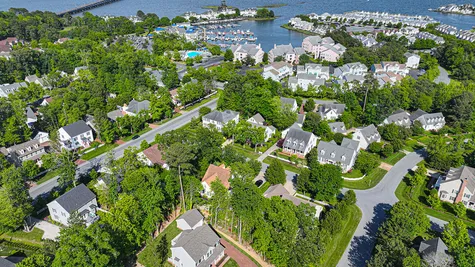
When a pipe bursts at 2 a.m. or a coastal storm pushes water into a crawlspace, knowing a certified restoration team is on the way changes everything. Professional restoration in Ocean Pines turns a chaotic situation into a documented, step-by-step recovery process that protects both the structure and the health of everyone inside it.
Ocean Pines homeowners and Worcester County property managers rely on a connected set of services that address every stage of a loss event:
- Water Damage Restoration - extraction, structural drying, moisture mapping, and monitoring until materials return to dry standard.
- Flooded Basement - pump-out, contents triage, and drying of below-grade spaces where groundwater and sump failures are common.
- Sewage Cleanup - removal of Category 3 contaminated water, disposal of porous materials, and antimicrobial treatment of hard surfaces.
- Fire Damage Restoration - board-up, debris removal, structural stabilization, and reconstruction of damaged framing and finishes.
- Smoke Damage Restoration - soot removal, thermal deodorization, HVAC cleaning, and treatment of odor trapped in porous surfaces.
- Mold Removal - containment, HEPA filtration, controlled removal of colonized materials, and correction of the moisture source.
The benefits compound: faster drying limits secondary mold growth, thorough documentation supports insurance claims, and proper containment keeps contaminants from spreading through open floor plans typical of Pines-area homes.
Common Damage Restoration Issues in Ocean Pines, Maryland
Ocean Pines sits within the Chesapeake and coastal bays watershed, where high water tables, sandy soils, and seasonal storm activity drive a distinct loss profile. Maryland's water damage patterns cluster around plumbing failures, appliance leaks, storm and tidal intrusion, and HVAC condensation - all four appear regularly in this community.
Frequent causes seen locally:
- Nor'easters and tropical systems pushing wind-driven rain past siding, roof edges, and window flashing.
- Sump pump failure or power loss during storms, flooding basements and lower levels.
- Supply line and water heater failures in seasonal homes left unoccupied for weeks.
- Sewer backups and septic surcharge when saturated soils reduce drain field capacity.
- Kitchen fires, grill fires on decks, and electrical faults in older panels leading to smoke and soot spread.
- Chronic humidity feeding mold in crawlspaces, closets, and behind vinyl wall coverings.
Warning signs worth acting on quickly:
- Musty odor that intensifies when the HVAC system cycles on.
- Cupping or darkening at the base of baseboards and door casings.
- Staining on ceiling tiles or drywall seams after a heavy rain event.
- Gurgling drains or slow toilets, often the first hint of a sewer or septic issue.
- Soot film on window glass, lampshades, or return air vents following any fire event.
- Condensation on ductwork or metal fixtures during humid summer stretches.
Neighborhoods We Serve in Ocean Pines
Coverage spans the full Ocean Pines community and the surrounding Worcester County corridor, with response tailored to each area's housing stock and elevation.
- Ocean Pines sections - Bramblewood, Sherwood Forest, Robin Hood, Newport Bay, Teal Bay, Salt Grass Cove, Wood Duck Isle, and the Parke at Ocean Pines.
- Waterfront canal sections along the St. Martin River and Isle of Wight Bay, where bulkhead-adjacent lots face tidal influence.
- North Gate and South Gate corridors near Route 589 and Cathell Road.
- Nearby communities - Berlin, Showell, Bishopville, Whaleyville, and West Ocean City.
- Coastal properties in Ocean City, from the Inlet north to 146th Street, including condominium buildings requiring multi-unit coordination.
Familiarity with local gate access, HOA notification expectations, and county permitting keeps reconstruction moving without avoidable delays.
Seasonal Damage Patterns in Ocean Pines
Loss types rotate predictably through the year on the Eastern Shore, and knowing the pattern helps homeowners prepare before the call becomes urgent.
- December - February: Frozen and burst pipes dominate, especially in unheated seasonal homes, crawlspaces, and outdoor shower lines. Heating equipment and space heaters raise fire and smoke risk.
- March - April: Thaw cycles and spring rain saturate sandy soils, driving flooded basement and crawlspace calls. Sump pumps run hard after winter dormancy.
- May - June: Rising humidity triggers early mold growth in closed-up second homes and behind furniture on exterior walls.
- July - August: Peak mold season. HVAC condensate line clogs, high dew points, and heavy occupancy in rental properties increase both water and mold work.
- September - October: Tropical systems and nor'easters bring wind-driven rain, roof breaches, tidal flooding, and sewage backups from overwhelmed drainage.
- November: Fireplace and chimney startup, plus holiday cooking, elevate fire and smoke damage calls.
Shoulder seasons - when properties sit vacant between rental periods - produce the most severe losses simply because leaks go undiscovered for days.
Housing Characteristics & Restoration Considerations
Ocean Pines developed largely from the late 1960s onward, producing a mixed housing stock where construction era directly shapes restoration strategy.
- 1970s - 1980s ranch and split-level homes: Often built on crawlspaces or slabs with original plumbing, aging galvanized or early plastic supply lines, and limited insulation. These homes see frequent supply-line failures and crawlspace moisture problems.
- 1990s - 2000s two-story and coastal-style homes: Larger footprints, second-floor laundry rooms, and complex rooflines that channel wind-driven rain into valleys and dormers.
- Recent construction in the Parke and newer sections: Tighter building envelopes that hold humidity when ventilation fails, making controlled dehumidification essential during drying.
- Canal-front properties: Elevated foundations, bulkheads, and boat lifts add salt exposure and below-grade water intrusion risk.
Practical restoration implications:
- Crawlspaces require vapor barrier inspection, joist moisture readings, and often targeted insulation removal after any water event.
- Vinyl wall coverings and paneling common in older homes trap moisture behind them, requiring selective demolition rather than surface drying.
- Popcorn or textured ceilings in pre-1990 homes call for careful testing before fire or water-related removal.
- Open floor plans allow smoke and soot to travel far from the origin point, so containment and HVAC isolation come first.
- Septic-served properties on the community fringe need coordinated pumping and drain field evaluation during sewage cleanup.
Environmental Conditions & Damage Implications
The coastal environment around Ocean Pines works against dry structures year-round, which is why local restoration depends on aggressive moisture control rather than passive air movement.
- Humidity: Summer dew points regularly sit in the low to mid 70s. Outside air alone cannot dry a structure here, so refrigerant and desiccant dehumidification carries the load.
- Water table: Shallow groundwater across the Pines means below-grade spaces stay damp and hydrostatic pressure pushes water through slab cracks and foundation joints.
- Soil: Sandy, fast-draining coastal soils shed surface water quickly but saturate during sustained rain, reducing septic drain field performance and stressing sump systems.
- Salt air: Chloride exposure accelerates corrosion on fasteners, HVAC coils, and electrical components - a factor when evaluating fire-damaged systems for salvage versus replacement.
- Tidal influence: St. Martin River and bay-adjacent lots experience nuisance flooding during high tide combined with onshore winds, independent of rainfall.
- Indoor air quality: Tight modern envelopes plus high outdoor humidity create ideal mold conditions when a leak goes untreated for more than a couple of days.
These conditions influence every stage of work. Drying targets are set against local equilibrium moisture content, not generic national numbers. Mold remediation includes correcting the humidity source - dehumidifier sizing, crawlspace encapsulation, or duct sealing - because removing colonized drywall without fixing conditions guarantees recurrence. Smoke deodorization also runs longer here, since humid air keeps odor compounds active in porous materials.
Protecting Seasonal and Rental Properties in Ocean Pines
A large share of Ocean Pines and nearby coastal properties sit unoccupied for weeks at a time, and that vacancy is the single biggest multiplier of restoration cost and complexity. A supply line that fails in an occupied home may release a few gallons; the same failure in an empty November house can release thousands and saturate multiple levels before anyone notices.
Steps that meaningfully reduce risk for part-time owners and rental managers:
- Install water sensors near the water heater, washing machine, dishwasher, and every bathroom, connected to a monitored or app-based alert.
- Add an automatic shutoff valve at the main so a detected leak stops itself.
- Keep interior temperature above freezing all winter and open cabinet doors on exterior plumbing walls.
- Test the sump pump and battery backup before hurricane season and again in late winter.
- Run a whole-house or crawlspace dehumidifier with a drain line during vacancy rather than relying on the air conditioner alone.
- Schedule a walkthrough between rental turnovers to check ceilings, under-sink cabinets, and the HVAC pan.
When a loss does happen in a vacant property, the response plan differs from a standard occupied-home job:
- Remote coordination - documentation, photo reporting, and moisture logs shared with owners who may live hours away.
- Extended drying scopes - long-duration water intrusion usually means subfloor, insulation, and cavity drying rather than surface work.
- Mold assessment by default - any leak older than a few days in this climate is treated as a probable microbial issue.
- Rental calendar planning - reconstruction sequenced around booking windows and HOA rules to limit lost income.
- Insurance support - detailed cause-of-loss records that distinguish sudden failures from long-term seepage, a common point of dispute on seasonal properties.
Custom solutions matter here because no two Pines properties share the same foundation type, plumbing age, or occupancy pattern. The scope should follow the building, not a template.





