
Damage Restoration in Sioux City, IA
- Damage Restoration Services Overview
- Common Damage Restoration Issues in Sioux City, Iowa
- Neighborhoods We Serve in Sioux City
- Seasonal Damage Patterns in Sioux City
- Housing Characteristics & Restoration Considerations
- Environmental Conditions & Damage Implications
- Basement Flooding and Sewer Backups in Siouxland's River Valley
Damage Restoration Services Overview
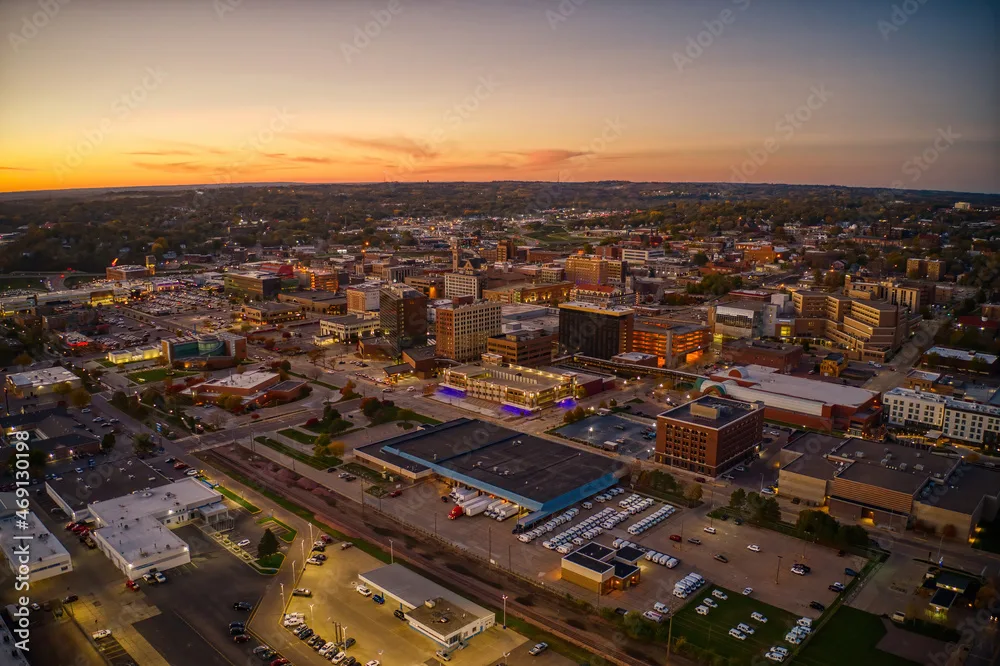
Sioux City sits where the Missouri, Big Sioux, and Floyd Rivers converge - a location that shapes nearly every restoration call in the area. River-valley humidity, clay-heavy soils, freeze-thaw winters, and a housing stock that spans from Victorian-era homes on the bluffs to newer builds in Morningside all influence how water, smoke, and mold behave inside a structure here.
Restoration work in Woodbury County covers a connected set of emergencies, and most properties need more than one service at once:
- Water Damage Restoration - extraction, structural drying, dehumidification, and moisture mapping after leaks, appliance failures, and storm intrusion
- Flooded Basement - pumping standing water, drying foundation walls, and salvaging contents after sump pump failures or heavy rain
- Sewage Cleanup - removal of contaminated material, antimicrobial treatment, and safe disposal following backups in older sewer laterals
- Fire Damage Restoration - board-up, debris removal, structural cleaning, and rebuilding after kitchen, furnace, or electrical fires
- Smoke Damage Restoration - soot removal from surfaces and HVAC systems plus odor neutralization deep in porous materials
- Mold Removal - containment, removal of affected materials, and correcting the moisture source that fed the growth
Acting quickly limits secondary damage. Water spreads through drywall and subfloor within hours, soot becomes acidic and etches surfaces, and mold colonies can establish in a matter of days when humidity stays high.
Common Damage Restoration Issues in Sioux City, Iowa
Most damage in Sioux City traces back to three forces: river-valley moisture, extreme temperature swings, and aging infrastructure beneath older neighborhoods.
Frequent Causes
- Spring snowmelt and Missouri River basin runoff raising groundwater against foundation walls
- Sump pump failure or power loss during severe thunderstorms
- Frozen and burst supply lines in unheated crawl spaces and exterior walls
- Combined and aging sanitary sewer lines backing up during heavy downpours
- Hail and wind-damaged roofing allowing water into attics and ceilings
- Kitchen grease fires, space heaters, and furnace malfunctions during cold months
- Chronic humidity in unfinished basements feeding mold behind paneling and insulation
Warning Signs Worth Investigating
- Efflorescence - a white chalky residue - on basement block or poured walls
- Musty odor that intensifies after rain or when the HVAC system cycles on
- Buckling hardwood, cupped laminate, or soft spots underfoot near exterior walls
- Staining around floor drains, laundry standpipes, or the base of a toilet
- Gurgling drains or slow fixtures in multiple rooms at the same time
- Yellow-brown ceiling rings after a hailstorm, indicating roof penetration
- Lingering smoke odor that returns on humid days after a small fire was cleaned
Hidden damage matters more than visible damage. Water travels laterally under flooring and wicks up drywall, so a small stain frequently represents a much larger wet area confirmed only with moisture meters and thermal imaging.
Neighborhoods We Serve in Sioux City
Coverage extends across Sioux City proper and the surrounding tri-state corridor, with response tailored to each area's housing age and drainage patterns.
- Morningside - mid-century homes with finished basements prone to seepage
- Riverside and Leeds - older housing stock near lower elevations and river influence
- Northside and Country Club - established homes with mature trees and clay tile sewer lines
- Downtown and Historic Fourth Street - brick commercial buildings requiring specialized drying
- Sunnybrook and Southern Hills - newer subdivisions with slab and poured foundations
- Greenville, Indian Hills, and the Bluffs
Service also reaches South Sioux City and Dakota Dunes, Sergeant Bluff, Le Mars, Moville, Hinton, Salix, and rural Woodbury, Plymouth, and Dakota County properties on private wells and septic systems.
Seasonal Damage Patterns in Sioux City
Each season brings a distinct set of restoration emergencies to the Siouxland region.
- January - February: Peak season for frozen and burst pipes, ice dams pushing meltwater under shingles, and furnace-related fire and puffback smoke damage.
- March - April: Snowmelt combined with saturated, still-frozen ground drives flooded basement calls and foundation seepage across low-lying neighborhoods.
- May - June: Severe thunderstorms, hail, and straight-line winds cause roof breaches, water intrusion, and storm-driven sewage backups when systems overload.
- July - August: High dew points and humid river-valley air accelerate mold growth in basements, crawl spaces, and any structure that was not fully dried earlier in the year.
- September - October: Discovery season - homeowners find hidden mold and slow leaks while closing up for fall, and heating systems fire up for the first time.
- November - December: Holiday cooking fires, fireplace and candle incidents, and early hard freezes affecting vacant or seasonally unoccupied properties.
Housing Characteristics & Restoration Considerations
Sioux City's housing stock skews older than the national average, and that age dictates restoration strategy on nearly every job.
Common Construction Types
- Pre-1940 homes - balloon framing, plaster and lath walls, limestone or brick foundations, and knob-and-tube remnants
- Post-war ranches and Cape Cods - concrete block basements, hardwood over plank subfloor, original cast iron drain stacks
- 1970s - 1990s split-levels - poured walls, finished lower levels, and paneling that traps moisture behind it
- Modern subdivisions - tighter envelopes, engineered flooring, and slab-on-grade construction in newer developments
How Age Affects the Work
- Balloon framing creates open wall cavities that carry both water and smoke vertically between floors
- Plaster holds moisture far longer than drywall and often needs extended drying rather than removal
- Clay tile and cast iron sewer laterals crack and root-intrude, raising sewage backup risk in established neighborhoods
- Homes built before the late 1970s may contain asbestos-bearing materials and lead paint, requiring testing before demolition
- Finished basements with carpet pad, framed walls, and stored belongings hold water and demand selective removal
- Tighter modern homes retain smoke odor and humidity longer without mechanical ventilation and negative-air setups
Documentation matters for insurance. Moisture readings, photo logs, and material inventories taken before drying begins support claims for older homes where original materials have replacement value.
Environmental Conditions & Damage Implications
The Loess Hills terrain and Missouri River floodplain create a moisture environment unlike most of Iowa, and it directly affects how structures dry and how mold behaves.
Climate and Air
- Wide annual temperature range - subzero winter cold to summer heat above 95 degrees - stresses plumbing and building joints
- Summer dew points frequently climb into the upper 60s and 70s, slowing evaporation and requiring aggressive dehumidification
- Winter heating drives indoor humidity low, which can drive smoke odor deep into porous materials before cleaning
- Regional agricultural dust and pollen add to particulate load, complicating post-fire air scrubbing
Soil and Water
- Loess soil on the bluffs erodes readily and shifts, opening foundation cracks that admit water
- Alluvial and clay-rich soils in the valley drain slowly, holding hydrostatic pressure against basement walls
- High water tables near the rivers keep crawl spaces damp year-round
- Hard mineral-rich water leaves scale that shortens the life of water heaters, supply lines, and appliance hoses
What That Means for Restoration
- Drying targets must account for regional humidity - equipment sizing that works in a dry climate falls short here.
- Mold prevention requires correcting drainage and grading, not just removing affected material.
- Post-fire cleaning includes HVAC decontamination, since ductwork distributes soot throughout the structure.
- Sewage remediation follows containment and disinfection protocols because contaminated groundwater raises pathogen risk.
Basement Flooding and Sewer Backups in Siouxland's River Valley
Basement water is the single most common restoration emergency in Sioux City, and the fix is rarely just pumping it out. Solving it means identifying whether the source is clean supply water, groundwater intrusion, or contaminated sewage - because each category calls for a different response.
How the Source Changes the Approach
- Clean water from a burst line or water heater - most materials can be dried in place with air movers and dehumidifiers
- Groundwater seepage through walls or cove joints - carries soil contaminants, so carpet pad and lower drywall usually come out
- Sewage backup through floor drains or laundry standpipes - requires containment, removal of porous materials, disinfection, and verified clearance
Typical Response Sequence
- Confirm electrical safety and shut off power to affected circuits before entry.
- Extract standing water with truck-mounted or portable pumping equipment.
- Map moisture with meters and thermal imaging to find water behind walls and under flooring.
- Remove unsalvageable materials - saturated pad, insulation, particleboard, and contaminated contents.
- Apply antimicrobial treatment to framing and slab where contamination occurred.
- Set drying equipment and monitor daily readings until materials reach dry standard.
- Address the cause - sump pump replacement, backflow valve, grading, downspout extensions, or lateral repair.
Preventive Steps for Sioux City Homeowners
- Test the sump pump before spring runoff and install a battery backup unit
- Extend downspouts at least six feet from the foundation
- Have older clay laterals camera-scoped for root intrusion
- Store belongings on shelving rather than directly on basement floors
- Run a dehumidifier through the humid months to hold basement humidity below 55 percent
Correcting the underlying moisture problem is what keeps mold from returning after the drying equipment leaves.





