
Damage Restoration in Sioux Center, IA
- Damage Restoration Services Overview
- Common Damage Restoration Issues in Sioux Center, Iowa
- Neighborhoods We Serve in Sioux Center
- Seasonal Damage Patterns in Sioux Center
- Housing Characteristics & Restoration Considerations
- Environmental Conditions & Damage Implications
- Storm Damage Response and Insurance Claims in Sioux County
Damage Restoration Services Overview
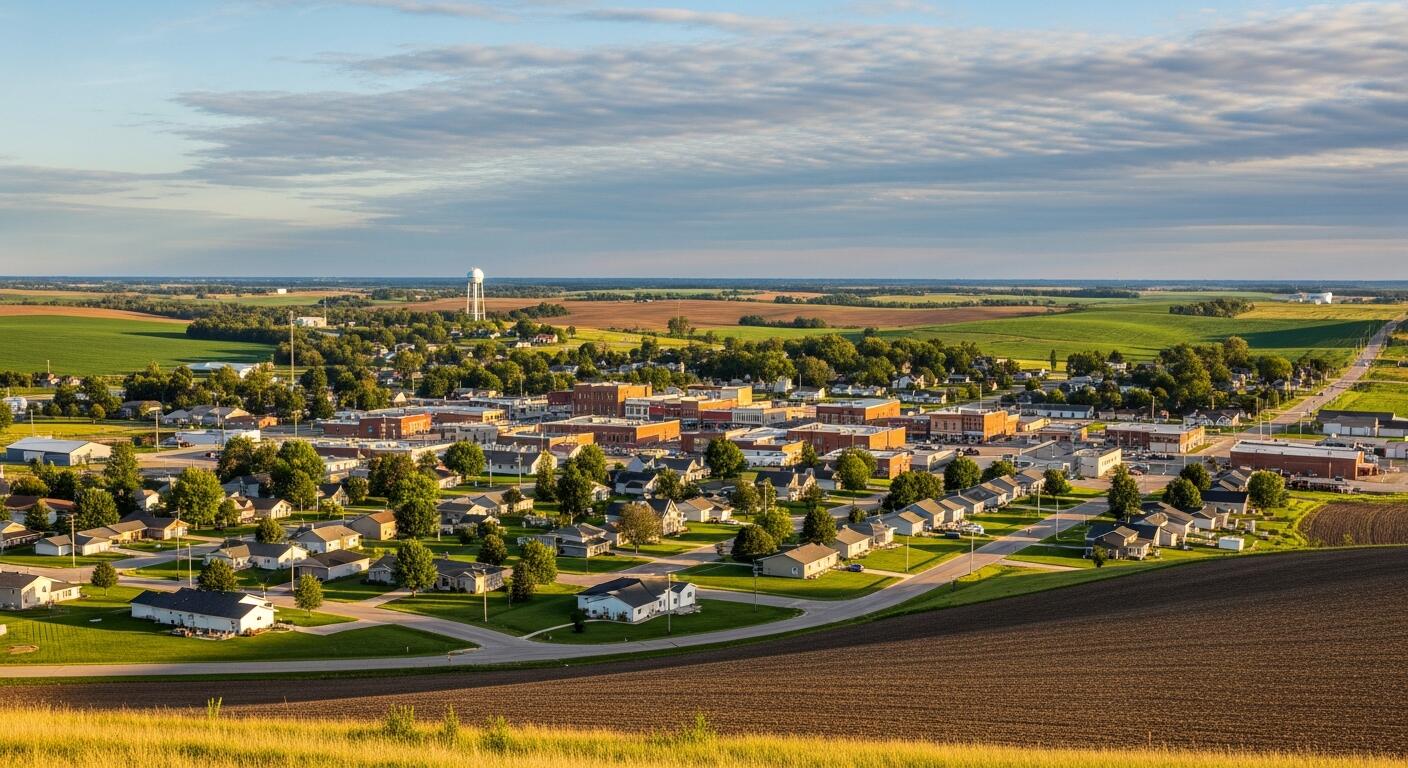
When storms pushed winds over 90 mph across Sioux County in late July 2025, the question circulating at coffee shops in Sioux Center wasn't about the weather forecast - it was "How many trees do you have down?" Nearly everyone had an answer. That single night reshaped yards, roofs and basements across town, and it showed how quickly a quiet Iowa evening can turn into a restoration project.
Property owners in Sioux Center have access to a full range of restoration services designed to handle both sudden emergencies and slow-building problems:
- Water Damage Restoration - extraction, structural drying and moisture mapping after roof leaks, burst pipes and storm intrusion
- Flooded Basement cleanup - sump pump failures, foundation seepage and window well overflow
- Sewage Cleanup - safe removal of contaminated water from backed-up floor drains and main line failures
- Fire Damage Restoration - stabilization, debris removal, content pack-out and rebuild coordination
- Smoke Damage Restoration - soot removal from surfaces, HVAC systems and porous materials, plus odor neutralization
- Mold Removal - containment, air filtration and removal of colonized building materials
Insurance billing is accepted, and documentation is prepared so claims move forward without extra work for the homeowner. Call (605) 965-2727 for any service in Sioux Center.
Common Damage Restoration Issues in Sioux Center, Iowa
Sioux Center sits in a corridor where thunderstorm complexes, heavy snow loads and clay-rich soils all put pressure on buildings. Damage rarely announces itself politely.
What Causes Most Losses Locally
- Straight-line winds and derecho events - stripped shingles and downed limbs open roofs to rain, which travels down wall cavities
- Sump pump overload - two or three inches of rain in an hour outpaces many residential pumps
- Power outages during storms - pumps stop, basements fill, and freezers thaw
- Sanitary sewer backups - heavy inflow can push contaminated water up through basement floor drains
- Frozen and burst supply lines - unheated crawl spaces, garages and exterior walls are the usual failure points
- Kitchen and heating fires - grease flare-ups, wood stoves, space heaters and older electrical panels
- Agricultural and shop fires - outbuildings on acreages near town carry fuel, equipment and hay
Warning Signs Worth Acting On
- Musty odor in the basement stairwell that gets stronger in humid weather
- Tapered brown stains on ceiling drywall below an attic or roof valley
- Baseboards or trim that cup, swell or separate from the wall
- Efflorescence - white powdery residue - on foundation walls
- Gurgling floor drains or slow-draining basement fixtures
- Smoke odor that returns when the furnace or air conditioner cycles on after a fire
- Visible growth on the back of stored cardboard boxes or behind furniture on exterior walls
Any of these signals moisture that has been present long enough to change materials. Waiting typically expands the affected area rather than drying it out.
Neighborhoods We Serve in Sioux Center
Crews cover the full city and the surrounding Sioux County communities, including residential, commercial and agricultural properties.
- Central Sioux Center - older homes near Main Avenue, downtown storefronts and upper-story apartments
- Dordt University area - student rentals, campus-adjacent housing and duplexes
- North and east additions - newer subdivisions with finished lower levels and egress windows
- South Sioux Center - properties near the industrial and commercial corridor along Highway 75
- Rural acreages - farmsteads, shops and outbuildings on gravel roads outside city limits
Service also extends to Orange City, Hull, Rock Valley, Boyden, Alton, Ireton, Hawarden, Maurice and Le Mars, along with nearby Rock Rapids and the greater Siouxland region. Because storms in this area tend to hit multiple towns at once, dispatch is coordinated across the county so response stays organized during high-volume events.
Seasonal Damage Patterns in Sioux Center
- March through May - Snowmelt combines with spring rain to saturate soil. Flooded basement calls, foundation seepage and sump pump failures peak. Water damage restoration demand climbs sharply.
- June through August - Severe thunderstorm season. Straight-line winds, hail and heavy downpours cause roof breaches, wind-driven rain intrusion and sewer backups. Humidity above 70 percent accelerates mold growth in any space that stays damp.
- September through October - Field and grass fires increase during harvest. Furnaces fire up for the first time, and dust burn-off or a mechanical fault can trigger smoke damage throughout ductwork.
- November through February - Frozen and burst pipes lead the call volume. Ice dams push meltwater under shingles into ceilings. Heating equipment, wood stoves and holiday cooking drive fire damage restoration needs.
Mold removal requests follow roughly six to eight weeks behind major water events, which means summer storm damage often surfaces as a mold problem in early fall.
Housing Characteristics & Restoration Considerations
Sioux Center's housing stock spans more than a century, and each era brings its own restoration challenges.
Older Homes - Pre-1960
- Stone, block or poured foundations with mortar joints that weep under hydrostatic pressure
- Plaster and lath walls that hold moisture longer than drywall and require slower, monitored drying
- Balloon framing that lets water and smoke travel vertically between floors without obstruction
- Cast iron and clay sewer laterals prone to root intrusion and joint separation
- Possible asbestos-containing floor tile, pipe wrap or textured ceilings requiring testing before demolition
- Knob-and-tube or early wiring remnants that raise fire risk in attic and wall spaces
Mid-Century and Newer Construction
- Poured concrete basements with perimeter drain tile and sump systems - effective until the pump or power fails
- Finished lower levels with carpet, pad, framed walls and insulation that trap water against concrete
- Tighter building envelopes that retain smoke odor and humidity longer than drafty older homes
- Engineered floor trusses and OSB subfloor that lose strength quickly when saturated
- Vinyl plank and laminate flooring that hides moisture beneath an impermeable surface
How This Shapes the Work
Finished basements almost always require removing base trim and drilling wall cavities so air movement reaches the backside of drywall. In older homes, drying plaster in place is often preferable to tearing it out, but it demands careful moisture readings over several days. For fire and smoke damage, open framing paths mean soot testing should extend well beyond the room where the fire started - including attic space, closets and the HVAC system.
Environmental Conditions & Damage Implications
Northwest Iowa's climate and geology work against buildings in specific, predictable ways.
Climate Factors
- Roughly 27 to 30 inches of annual precipitation, much of it delivered in intense summer bursts
- 30 to 40 inches of average annual snowfall, creating meltwater loads each spring
- Winter lows well below zero that freeze shallow or poorly insulated plumbing
- Summer dew points in the 70s that keep indoor humidity high without dehumidification
- Wide freeze-thaw cycling that opens hairline cracks in foundation walls and driveways
Soil and Groundwater
- Deep loess and glacial till with heavy clay content that expands when wet and pushes against foundations
- Slow-draining subsoil that holds water near footings long after rain stops
- Seasonally elevated water tables near the Floyd River drainage and low-lying lots
- Hard, mineral-rich groundwater that leaves scale in fixtures and can complicate cleaning after a loss
What It Means for Restoration
- Mold removal - clay soils keep basement walls cool and damp, giving spores steady conditions from May through September
- Flooded basement work - drying must address the concrete slab itself, not only the finishes on top of it
- Sewage cleanup - porous concrete absorbs contaminants, so antimicrobial application and verification testing follow extraction
- Smoke damage restoration - tight winter envelopes concentrate soot particles, requiring HEPA filtration and duct cleaning
- Water damage restoration - high ambient humidity means dehumidifiers must be sized correctly or drying stalls
Storm Damage Response and Insurance Claims in Sioux County
The July 2025 storms proved how fast a wind event turns into a water event. Trees came down on roofs and power lines across Sioux Center and Orange City, where toppled trees crushed playground equipment and walkways at Windmill Park. Homes that lost shingles or had limbs punch through decking took on rain within hours, and homes that lost power lost their sump pumps at the same time.
What to Do in the First Hours
- Confirm the building is safe - stay clear of downed lines, sagging ceilings and standing water near electrical panels.
- Shut off water or electricity to affected areas if it can be done safely.
- Photograph and video everything before moving items, including exterior damage and contents.
- Call (605) 965-2727 to get emergency mitigation started and the property tarped or board-secured.
- Notify your insurance carrier and record the claim number.
- Move undamaged belongings to a dry area and keep receipts for anything you purchase during the response.
How Insurance Coordination Works
- Insurance billing is accepted, and invoices are submitted directly to the carrier when authorized
- Moisture readings, thermal imaging, photo logs and daily drying records are documented for the adjuster
- Scope of work is written in the estimating format most carriers use, reducing back-and-forth
- Emergency mitigation typically proceeds before full claim approval to limit secondary damage
- Mold and sewage findings are documented separately, since coverage terms often differ
Reducing Repeat Losses
- Add a battery backup or water-powered backup sump pump
- Install a backwater valve on the sewer lateral if your basement has flooded before
- Extend downspouts at least six feet from the foundation and regrade low spots
- Trim limbs overhanging the roof before storm season
- Insulate pipes in crawl spaces, garages and exterior walls ahead of winter
When a wide-area storm hits, call volume across Sioux County spikes at once. Getting on the schedule early matters - and mitigation started sooner almost always means less demolition later.





