
Damage Restoration in Orange City, IA
- Damage Restoration Services Overview
- Common Damage Restoration Issues in Orange City, Iowa
- Neighborhoods We Serve in Orange City
- Seasonal Damage Patterns in Orange City
- Housing Characteristics & Restoration Considerations
- Environmental Conditions & Damage Implications
- Basement Flooding and Sewage Backup Prevention for Orange City Homes
Damage Restoration Services Overview
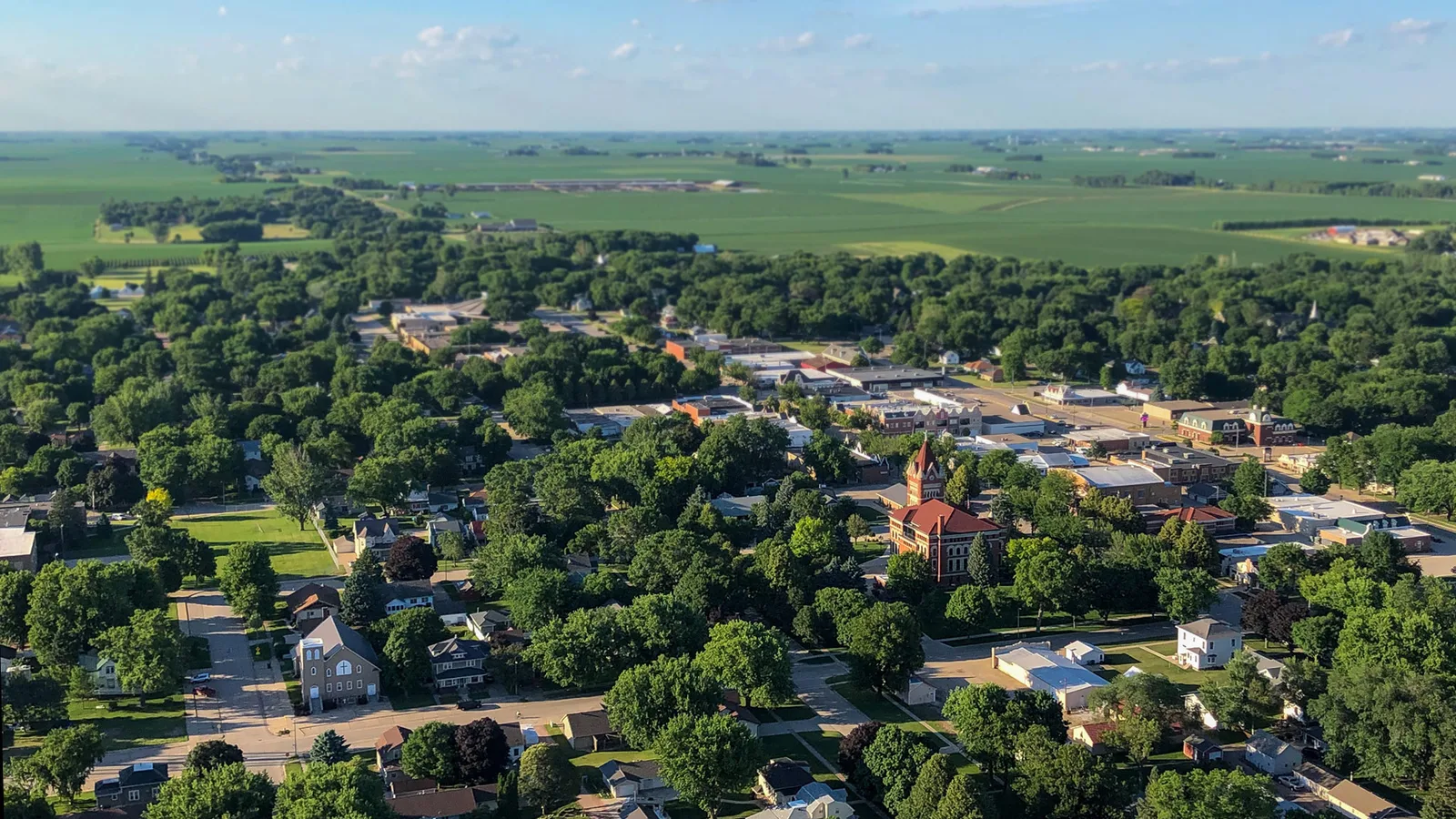
Discovering water pooling across a basement floor or walking into a home filled with smoke leaves most Orange City homeowners feeling overwhelmed. Property damage rarely arrives at a convenient moment, and the decisions that follow in the first few hours shape how much of the structure and contents can be saved.
Restoration work in Sioux County covers a connected group of services, each addressing a different type of loss:
- Water Damage Restoration - extraction, structural drying, and moisture mapping after supply line breaks, appliance failures, or roof leaks
- Flooded Basement - pump-out, saturated material removal, and drying of below-grade spaces common in older Orange City homes
- Sewage Cleanup - containment, removal of contaminated materials, and antimicrobial treatment after backups from floor drains or main line failures
- Fire Damage Restoration - board-up, debris removal, structural cleaning, and rebuilding of damaged framing and finishes
- Smoke Damage Restoration - soot removal from surfaces, HVAC decontamination, and odor neutralization in areas flames never touched
- Mold Removal - containment barriers, HEPA filtration, removal of colonized materials, and correction of the moisture source
Acting quickly protects framing, drywall, flooring, and stored belongings while reducing the chance a small water problem becomes a mold problem weeks later.
Common Damage Restoration Issues in Orange City, Iowa
Northwest Iowa weather swings hard between extremes, and homes here absorb the consequences. The freeze-thaw pattern that runs from November through March drives much of the seasonal call volume.
Local Causes of Property Damage
- Frozen and burst supply lines in crawl spaces, exterior walls, and unheated garages during January and February cold snaps
- Rapid spring snowmelt saturating soil around foundations, pushing water through cracks and window wells
- Summer thunderstorms with heavy short-duration rainfall that overwhelms downspouts and sump systems
- Sanitary sewer backups when storm volume surges through municipal lines
- Sump pump failure during power outages caused by wind and lightning
- Heating equipment, wood stove, and kitchen fires concentrated in the cold-weather months
Warning Signs Worth Investigating
- Musty odors in basements, closets, or near HVAC return vents
- Bubbling paint, cupping hardwood, or drywall that feels soft at the baseboard
- White mineral staining on foundation walls indicating past water intrusion
- Dark speckling on floor joists, rim board, or behind stored boxes
- Gurgling floor drains or slow-draining fixtures signaling a main line issue
- Lingering smoke odor that returns on humid days after a small kitchen fire
- Soot film on window glass, light fixtures, or vent covers
Storm damage repair requests often carry firm deadlines, and homeowners frequently need work scoped and started well before spring closing or insurance milestones arrive.
Neighborhoods We Serve in Orange City
Restoration crews respond throughout Orange City and the surrounding Sioux County communities.
- Downtown Orange City and the historic districts near Central Avenue
- Residential streets surrounding Northwestern College and the campus area
- Newer subdivisions on the north and east edges of town
- Established neighborhoods near Windmill Park and the municipal pool
- Rural acreages and farmsteads along county roads outside city limits
Nearby communities served include Alton, Hospers, Maurice, Sioux Center, Hull, Boyden, Granville, Ireton, Le Mars, and Rock Valley. Farm properties present their own challenges - well water systems, older outbuildings, and long driveways that slow equipment access during winter events. Crews plan staging and equipment placement accordingly so drying begins without unnecessary delay.
Seasonal Damage Patterns in Orange City
Each season brings a predictable set of restoration needs across northwest Iowa.
- November through February - Frozen pipe breaks peak. Ice dams push meltwater under shingles into ceilings and wall cavities. Furnace, space heater, and fireplace incidents drive fire and smoke damage calls.
- March and April - Snowmelt combines with early rain to saturate soil. Flooded basements, sump pump overload, and sewer backups reach their annual high point.
- May through July - Thunderstorms, hail, and straight-line wind create roof openings and window breaches. Lightning strikes occasionally cause attic fires.
- July and August - Humidity climbs and mold growth accelerates in basements, crawl spaces, and any area dried incompletely earlier in the year.
- September and October - The best window for preventive work: sump testing, grading corrections, dryer vent cleaning, and moisture inspections before heating season.
- Water losses discovered within 24 to 48 hours dry faster and cost less to repair
- Mold colonies can establish in damp materials within a few days of an untreated leak
- Smoke odor sets more permanently into porous materials the longer cleaning is delayed
Housing Characteristics & Restoration Considerations
Orange City's housing stock blends century-old homes near the downtown core with mid-century ranches and newer construction on the outskirts. Each era responds differently to water, fire, and mold.
Older Homes Built Before 1960
- Stone, block, or early poured foundations that seep at mortar joints and cold pours
- Plaster and lath walls that hold moisture longer than modern drywall
- Balloon framing that lets smoke and fire travel vertically through wall cavities
- Original hardwood requiring specialized drying mats rather than replacement
- Possible asbestos or lead-containing materials that change demolition procedures
Mid-Century and Modern Construction
- Full basements often finished with carpet, paneling, or drywall that traps water behind the surface
- Cast iron or clay sewer laterals nearing the end of service life, raising backup risk
- Tighter building envelopes in newer homes that hold humidity and concentrate smoke odor
- Insulated crawl spaces where hidden moisture supports mold growth unnoticed
Restoration Adjustments
- Moisture meters and thermal imaging locate water behind finished surfaces before demolition begins
- Selective removal preserves original trim, doors, and millwork whenever the material allows
- Containment protects unaffected living space during sewage and mold work
- Structural drying targets framing and subfloor, not just visible surfaces
Environmental Conditions & Damage Implications
Local climate and ground conditions shape how damage develops and how restoration is approached in Orange City.
Climate Factors
- Cold winters with extended subzero stretches that freeze poorly insulated plumbing runs
- Humid summers pushing indoor relative humidity above the range where mold stays dormant
- Roughly 25 to 30 inches of annual precipitation, much of it concentrated in spring and early summer storms
- Wide daily temperature swings that stress roofing, siding, and foundation seals
Soil and Groundwater
- Loess and glacial till soils with clay content that expand when wet and press against foundation walls
- Slow-draining subsoil that holds water near footings after heavy rain
- Seasonal groundwater rise that increases hydrostatic pressure on basement floors
- Rural properties on private wells where sewage contamination requires additional water testing
Air Quality and Indoor Effects
- Agricultural dust and pollen loading HVAC filters, which then trap and recirculate soot after a fire
- Tight winter sealing that concentrates smoke odor and mold spores in living areas
- HEPA filtration and negative air machines used to keep airborne particles from spreading during cleanup
- Post-remediation drying targets that account for local humidity rather than generic benchmarks
Basement Flooding and Sewage Backup Prevention for Orange City Homes
Below-grade water is the single most frequent restoration issue in this part of Iowa. Between spring snowmelt, clay-heavy soil, and aging sewer laterals, basements take the brunt of it.
What Happens During a Flooded Basement Response
- Power and gas safety check before any crew enters standing water
- Extraction using truck-mounted or portable pumps sized to the water volume
- Category assessment - clean supply water, gray water, or contaminated sewage - which determines what can be salvaged
- Removal of saturated carpet pad, base drywall, and insulation that will not dry in place
- Antimicrobial application on affected framing and slab, especially after any sewage contact
- Placement of air movers and dehumidifiers, with daily moisture readings logged until targets are met
- Reconstruction of removed materials once the structure is verified dry
Prevention Steps Worth Taking Before Spring
- Test the sump pump manually and confirm the discharge line is not frozen or blocked
- Add a battery backup or water-powered secondary pump for storm outages
- Install a backwater valve on the sewer lateral to block municipal surcharge
- Extend downspouts at least six feet from the foundation
- Regrade soil so it slopes away from the house on all sides
- Clear window wells and add covers where they collect snow
- Insulate pipes running along exterior walls and in unheated crawl spaces
Why Sewage Cleanup Demands Professional Handling
- Contaminated water carries bacteria and pathogens that ordinary cleaning will not eliminate
- Porous materials touched by sewage generally must be removed rather than cleaned
- Containment prevents cross-contamination into upstairs living space
- Documented drying and sanitizing records support insurance claims
Reach a licensed restoration team in Orange City at (605) 965-2727 to discuss an active loss or schedule a moisture inspection.





