
Damage Restoration in Asheboro, NC
- Damage Restoration Services Overview
- Common Damage Restoration Issues in Asheboro, North Carolina
- Neighborhoods We Serve in Asheboro
- Seasonal Damage Patterns in Asheboro
- Housing Characteristics & Restoration Considerations
- Environmental Conditions & Damage Implications
- The First 24 Hours: What Asheboro Homeowners Should Do After Damage
Damage Restoration Services Overview
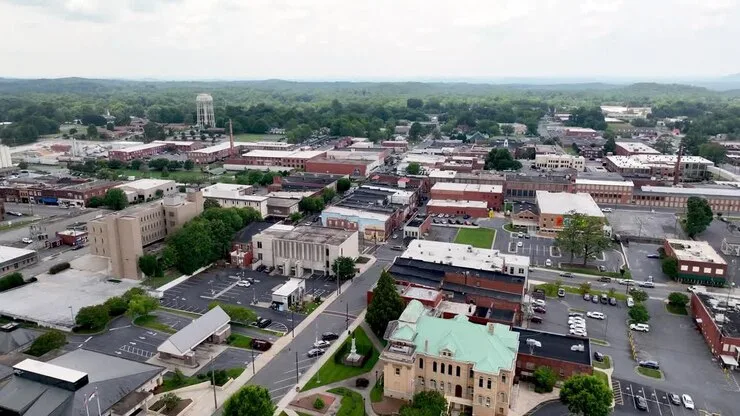
Asheboro sits within a county that records more than 45 inches of rainfall in a typical year - several inches above the national average - and that moisture has to go somewhere. For many Randolph County homeowners, it ends up in a crawl space, a finished basement, or behind a wall where nobody notices until the smell arrives.
Restoration work in Asheboro covers a connected set of emergencies, and one problem often triggers the next:
- Water damage restoration - extraction, structural drying, moisture mapping, and controlled dehumidification after leaks, burst supply lines, or roof failures.
- Flooded basement recovery - pumping standing water, drying below-grade framing, and correcting the drainage issue that let water in.
- Sewage cleanup - removal of contaminated material, antimicrobial treatment, and safe disposal after backups or septic failures.
- Fire damage restoration - stabilizing the structure, board-up, debris removal, and rebuilding damaged areas.
- Smoke damage restoration - soot removal from surfaces and HVAC systems, plus odor neutralization at the molecular level.
- Mold removal - containment, HEPA filtration, removal of colonized materials, and moisture-source correction.
The benefit of handling all six under one roof is simple: fire leaves water behind, water breeds mold, and sewage complicates everything. A single coordinated response keeps the damage from multiplying while insurance documentation stays consistent from the first day.
Common Damage Restoration Issues in Asheboro, North Carolina
Asheboro's position in the Piedmont - between the Uwharrie National Forest and the Deep River watershed - creates a specific damage profile that differs from coastal or mountain communities.
Frequent Causes of Loss
- Remnants of Atlantic hurricanes and tropical systems that stall over the Piedmont and dump several inches of rain in hours
- Summer thunderstorms with straight-line winds that lift shingles and drive rain under flashing
- Clay soil that sheds water toward foundations rather than absorbing it, overwhelming footing drains
- Aging cast iron and clay sewer laterals in older neighborhoods near downtown, prone to root intrusion and collapse
- Septic systems on properties outside city sewer service that surcharge during saturated ground conditions
- Winter pipe freezes in crawl spaces and unheated garages during January cold snaps
- Space heaters, wood stoves, and chimney fires during the heating season
- Kitchen grease fires that spread soot through the entire HVAC return system
Warning Signs Worth Acting On
- A musty odor that intensifies when the air handler kicks on
- Cupping or darkening hardwood near exterior walls and doorways
- Efflorescence - white powdery residue - on basement or crawl space block walls
- Slow floor drains or gurgling toilets, which often precede a full sewage backup
- Yellow or brown staining on ceilings below bathrooms and attic spaces
- Persistent smoke odor that returns during humid weather, indicating soot residue still trapped in porous materials
- Condensation on ductwork or visible mold at baseboards and closet corners
Damage in Asheboro rarely announces itself loudly. Crawl space construction is common here, and a leak can run for weeks under a floor before anyone upstairs notices anything more than a faint smell.
Neighborhoods We Serve in Asheboro
Restoration crews respond throughout Asheboro city limits and across Randolph County, including:
- Downtown Asheboro and the Sunset Avenue district - older commercial buildings and historic homes with original plumbing
- North Asheboro - neighborhoods along Fayetteville Street and the US-220 corridor
- South Asheboro - established residential streets near the NC Zoo access route
- Cedar Falls and Central Falls - former mill villages along the Deep River
- Franklinville and Ramseur - riverside properties with elevated flood exposure
- Seagrove and Coleridge - rural properties largely on well water and septic systems
- Randleman, Trinity, and Archdale - suburban subdivisions to the north
- Farmer, Ulah, and areas bordering the Uwharrie National Forest
Coverage extends to properties near Lake Reese, Lake Lucas, and the surrounding wooded acreage where access roads can complicate emergency response after storms.
Seasonal Damage Patterns in Asheboro
Winter (December - February)
- Frozen and burst pipes in crawl spaces, exterior walls, and hose bibs
- Ice dams and roof leaks after the occasional Piedmont snow or ice event
- Peak season for heating-related fire and smoke damage from wood stoves, fireplaces, and portable heaters
Spring (March - May)
- Heavy rainfall and severe thunderstorm season - flooded basements and crawl spaces spike
- Sewer and septic backups as saturated clay soil reduces drainage capacity
- Mold growth accelerates as temperatures climb and winter moisture lingers
Summer (June - August)
- Highest mold activity of the year with humidity routinely above 70 percent
- Air conditioning condensate line clogs that flood ceilings and closets
- Lightning strikes causing attic and electrical fires
Fall (September - November)
- Tropical storm remnants moving inland - the single biggest driver of widespread water damage
- Clogged gutters from Uwharrie hardwood leaf fall, sending overflow against foundations
- Early heating season fires as furnaces and chimneys restart after months idle
Housing Characteristics & Restoration Considerations
Asheboro's housing stock spans well over a century, and the age of a home dictates almost everything about how it dries out and how it gets rebuilt.
Common Construction Types
- Mill-era and early 20th century homes - wood frame, plaster and lath walls, minimal insulation, original heart pine floors that trap water and warp quickly
- Mid-century ranch homes - block foundations, vented crawl spaces, hardwood or vinyl over subfloor, aging galvanized or cast iron plumbing
- 1980s - 2000s subdivisions - slab or crawl space construction with drywall, carpet, and fiberglass batt insulation
- Newer builds and rural custom homes - tighter envelopes, engineered lumber, and finished basements or bonus rooms over garages
How Age Affects the Work
- Hazardous material screening - homes built before 1980 may contain asbestos in floor tile, mastic, or duct wrap, and lead paint on trim. Testing precedes demolition.
- Plaster versus drywall - plaster holds moisture far longer and often needs specialized drying rather than removal, preserving historic character.
- Crawl space drying - the majority of Asheboro homes sit over crawl spaces where vapor barriers, insulation, and floor joists must be assessed separately from living areas.
- Plumbing replacement decisions - a failed cast iron drain line usually means the sewage cleanup includes pipe repair, not just sanitizing.
- Duct system evaluation - older homes with under-floor ductwork frequently fill with water or soot, requiring cleaning or full replacement.
- Knob-and-tube or aluminum wiring - discovered during fire restoration demolition, this often triggers code-required upgrades during rebuild.
Environmental Conditions & Damage Implications
The Piedmont environment around Asheboro shapes how quickly damage spreads and how aggressively it has to be treated.
Climate and Humidity
- Humid subtropical climate with warm, sticky summers and mild but damp winters
- Average summer relative humidity frequently exceeds 70 percent, well past the 60 percent threshold where mold colonizes readily
- Mold can establish on wet drywall or framing within 24 to 48 hours during warm months
- Dehumidification, not just water extraction, determines whether a structure truly dries
Soil and Drainage
- Red Piedmont clay dominates local soil, absorbing water slowly and expanding when saturated
- Expansion pressure pushes against foundation walls, opening cracks that admit groundwater
- Poor percolation causes septic drain fields to surface during extended wet periods
- Yards that slope toward the house concentrate runoff at the footing - a leading cause of repeat basement flooding
Water and Air Quality Factors
- Rural properties on private wells face contamination risk when floodwater or sewage reaches the wellhead - water testing follows any such event
- Iron and mineral content in local groundwater leaves staining that complicates surface restoration
- Heavy tree cover from the Uwharrie region means abundant organic debris, pollen, and spore load entering homes
- Wood smoke from stoves and outdoor burning adds to indoor particulate levels during heating months, worsening lingering smoke odor
These conditions favor an approach built around containment, HEPA filtration, and verified moisture readings rather than surface-level cleanup.
The First 24 Hours: What Asheboro Homeowners Should Do After Damage
What happens before a restoration crew arrives often determines how much of a home can be saved. Randolph County's humidity gives mold a head start, and contaminated water spreads fast through crawl space construction.
Immediate Safety Steps
- Get everyone out if there is fire, structural damage, or sewage present. Soot and Category 3 water both carry health risks.
- Cut power to affected areas at the breaker if it can be reached safely and dry - never wade into standing water to reach a panel.
- Shut off the water main for any supply line break, usually at the meter near the street or a valve in the crawl space.
- Stop using plumbing fixtures during a sewer backup, including washing machines and dishwashers, which add volume to the backup.
- Call for professional response before starting cleanup so documentation begins with the original conditions.
Documentation That Protects Your Claim
- Photograph and video every affected room, including ceilings, baseboards, and contents, before anything is moved
- Record the date, time, and apparent cause of loss while details are fresh
- Keep damaged items until an adjuster or restoration technician has inspected them
- Save receipts for tarps, temporary lodging, and emergency supplies
- Notify your insurer promptly - most policies require timely reporting
What Not to Do
- Do not run the HVAC system after a fire or mold discovery - it distributes soot and spores through the whole house
- Do not use a household shop vacuum on sewage or soot
- Do not paint or seal over water stains and smoke residue; odor and growth continue underneath
- Do not disturb suspected mold growth without containment
- Do not assume a dry surface means dry framing - subfloor and joist moisture requires meter verification
Local response matters here. Crews familiar with Asheboro's crawl space construction, clay soil drainage, and older sewer laterals know where hidden moisture hides and how to reach properties in Seagrove, Coleridge, and the forest fringe when storms close roads.





