
Damage Restoration in Hillsborough, NC
- Damage Restoration Services Overview
- Common Damage Restoration Issues in Hillsborough, North Carolina
- Neighborhoods We Serve in Hillsborough
- Seasonal Damage Patterns in Hillsborough
- Seasonal Damage Patterns in Hillsborough
- Housing Characteristics & Restoration Considerations
- Environmental Conditions & Damage Implications
- Emergency Response Timelines for Hillsborough Property Owners
Damage Restoration Services Overview
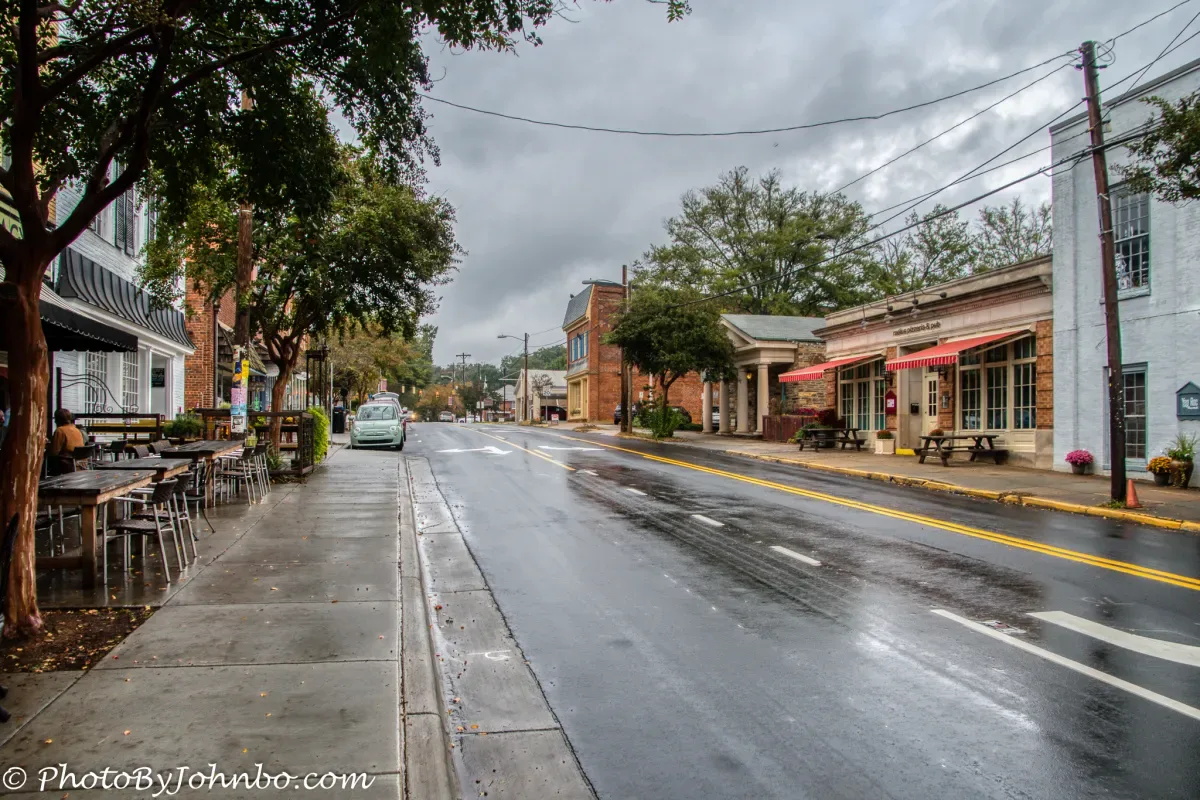
Water that sits for a weekend does not simply dry out and disappear. It wicks into drywall, saturates subflooring, and creates the damp, dark conditions mold colonies need to establish themselves within a day or two. Smoke residue behaves the same way - acidic soot continues etching metal, glass, and finishes long after the flames are out. In Hillsborough, where many properties combine older construction with humid Piedmont summers, delay is the single largest driver of restoration cost and permanent loss.
Property owners across Orange County have access to a full range of restoration disciplines, including:
- Water Damage Restoration - extraction, structural drying, moisture mapping, and controlled dehumidification
- Flooded Basement cleanup - pump-out, sump failure response, and below-grade moisture control
- Sewage Cleanup - Category 3 contaminated water removal, antimicrobial treatment, and safe disposal of porous materials
- Fire Damage Restoration - debris removal, structural stabilization, and content pack-out
- Smoke Damage Restoration - soot removal, thermal fogging, HVAC cleaning, and odor neutralization
- Mold Removal - containment, HEPA filtration, affected material removal, and moisture source correction
Providers such as SERVPRO, PuroClean, and Glover Environmental serve the Hillsborough area with certified technicians, giving homeowners and business operators nearby options when time matters most.
Common Damage Restoration Issues in Hillsborough, North Carolina
Hillsborough sits along the Eno River in the North Carolina Piedmont, and that geography shapes nearly every restoration call in town. Clay-heavy soil sheds water rather than absorbing it, pushing runoff toward foundations and crawl spaces during heavy rain.
Frequent Causes of Damage
- Eno River and tributary flooding during tropical systems and stalled fronts
- Saturated clay soil forcing hydrostatic pressure against basement and foundation walls
- Sump pump failures during extended power outages from summer storms
- Aging cast iron and clay sewer laterals in older sections of town backing up into lower levels
- Supply line and water heater failures in homes with original plumbing
- Frozen pipe bursts in unheated crawl spaces during January cold snaps
- Kitchen grease fires, wood stove and fireplace incidents, and electrical faults in older wiring
- Chronic crawl space humidity feeding mold growth under floor joists
Warning Signs Worth Acting On
- Musty odor that intensifies when the HVAC system cycles on
- Cupping hardwood, bubbling paint, or drywall tape separating near baseboards
- Efflorescence - white powdery residue - on basement block walls
- Slow floor drains or gurgling fixtures signaling a sewer line problem
- Persistent smoke odor that returns on humid days after a small fire
- Visible condensation on ductwork, windows, or crawl space vapor barrier
- Unexplained allergy symptoms that ease when occupants leave the property
Any one of these signs warrants a moisture reading before conditions worsen.
Neighborhoods We Serve in Hillsborough
Restoration crews respond throughout Hillsborough and the surrounding Orange County communities, adapting methods to each area's housing stock and drainage conditions.
- Historic District - Churton Street, King Street, and Tryon Street properties with heart pine floors and plaster walls
- Fairview and West Hillsborough - mid-century homes with crawl spaces and original plumbing
- Waterstone - newer construction near I-85 with slab and crawl foundations
- Forest Ridge and Beckett's Ridge - suburban subdivisions with finished lower levels
- Cornwallis Hills and Cameron Park - established neighborhoods bordering the Eno River corridor
- Old Hillsborough and Nash Street corridor - mixed residential and small commercial buildings
Service also extends outward to Efland, Cedar Grove, Schley, Orange Grove, Mebane, Chapel Hill, Carrboro, and northern Durham, along with rural properties on well and septic systems along NC 86 and Old NC 10.
Seasonal Damage Patterns in Hillsborough
Seasonal Damage Patterns in Hillsborough
Restoration demand in Hillsborough follows a predictable annual rhythm shaped by Piedmont weather.
- December through February - Frozen and burst pipes lead the season, especially in crawl spaces and exterior walls. Heating equipment, space heaters, and fireplace use drive fire and smoke damage calls.
- March through May - Spring rain saturates clay soil, producing flooded basements, crawl space standing water, and foundation seepage. Rising humidity restarts dormant mold growth.
- June through August - Afternoon thunderstorms cause power outages that disable sump pumps. High dew points push indoor humidity past safe thresholds, making this the peak mold removal window. Storm surcharge overwhelms older sewer lines.
- September through October - Remnants of tropical systems bring the heaviest single-event rainfall of the year, with Eno River flooding and widespread water intrusion.
- November - First heating cycles ignite dust in dormant furnaces and flues, producing puffback and smoke damage in homes with oil or gas systems.
Seasonal maintenance - sump testing in spring, chimney inspection in fall - reduces the odds of an emergency call.
Housing Characteristics & Restoration Considerations
Hillsborough's housing spans more than two centuries, from pre-Revolutionary structures in the Historic District to subdivisions built in the last decade. Each era presents distinct restoration challenges.
Older and Historic Homes
- Plaster over wood lath holds moisture far longer than modern drywall and requires slower, monitored drying
- Heart pine and original hardwood flooring may be salvageable with mat drying rather than replacement
- Balloon framing allows water and smoke to travel vertically between floors through open wall cavities
- Knob-and-tube or early wiring raises fire risk and complicates demolition sequencing
- Asbestos-containing floor tile, mastic, and lead paint require testing before any removal work
Mid-Century and Ranch Properties
- Vented crawl spaces with thin or missing vapor barriers are the leading source of chronic mold
- Cast iron and clay sewer laterals corrode and root-intrude, producing backups into lower levels
- Original galvanized supply lines fail without warning behind finished walls
Newer Construction
- Tight building envelopes trap moisture when ventilation is inadequate, accelerating mold growth after a leak
- Finished basements and bonus rooms mean carpet, pad, and drywall absorb water quickly
- Engineered flooring and MDF trim swell irreversibly and typically need replacement
- PEX manifolds and second-floor laundry rooms create high-volume loss potential when fittings fail
Technicians document material types before drying begins so restoration methods match the assembly rather than a one-size approach.
Environmental Conditions & Damage Implications
Hillsborough's humid subtropical climate delivers roughly 45 to 48 inches of rain annually, spread across all four seasons with summer dew points regularly in the low 70s. Those conditions matter enormously to restoration outcomes.
Climate and Humidity
- Ambient summer humidity means open-window drying is ineffective - sealed environments with commercial dehumidification are required
- Mold spores stay active nearly year-round, colonizing damp materials within 24 to 48 hours
- Winter temperature swings drive condensation inside walls and on cold ductwork
Soil and Groundwater
- Piedmont red clay drains poorly, holding water against foundations after heavy rain
- Clay expands and contracts seasonally, opening foundation cracks that become entry points
- Shallow water tables near the Eno River corridor raise hydrostatic pressure on basement slabs
- Radon and soil gas movement through crawl spaces makes proper encapsulation important after remediation
Water and Air Quality
- Rural properties on private wells and septic systems face contamination risk when floodwater reaches the drain field
- Municipal sewer surcharge during storms creates Category 3 backups requiring full protective protocols
- Smoke residue combined with high humidity reactivates odor molecules, which is why thermal fogging and sealing follow cleaning
- Pollen-heavy spring air loads HVAC systems, spreading contaminants after any water or fire event unless ducts are cleaned
Emergency Response Timelines for Hillsborough Property Owners
The window between discovery and mitigation determines whether a loss stays contained or spreads across an entire floor. Restoration companies serving Hillsborough operate around the clock precisely because damage does not wait for business hours.
What the Clock Looks Like
- First minutes - Shut off the water supply or electrical power at the source if it is safe to do so, then call for emergency dispatch.
- First hour - Crews arrive, assess safety hazards, and begin extraction. Standing water removal stops migration into adjacent rooms.
- First 24 hours - Air movers and dehumidifiers are placed, containment barriers go up for sewage or mold work, and moisture readings are logged.
- 24 to 48 hours - The mold growth threshold. Materials still wet at this point often require removal instead of drying.
- Days three through seven - Daily monitoring continues until moisture content returns to documented dry standards, then reconstruction planning begins.
How to Speed Up Your Own Response
- Know where the main water shutoff, sump pump breaker, and gas valve are located before an emergency
- Photograph damage and contents immediately for insurance documentation
- Move furniture and rugs off wet flooring to prevent staining and secondary damage
- Avoid running the HVAC after a fire or sewage event - it distributes soot and pathogens throughout the ductwork
- Keep a restoration contact saved in your phone, such as the Glover Environmental line at (984) 600-6608
- Never enter a flooded basement with live electrical circuits or wade into sewage without protective equipment
Because Hillsborough sits minutes from I-85 and I-40, regional crews reach most addresses in town quickly - an advantage during widespread storm events when demand spikes across Orange, Durham, and Alamance counties. Reporting a loss early rather than waiting for daylight consistently produces better structural outcomes and preserves more original material in older Hillsborough homes.





