
Damage Restoration in Half Moon, NC
- Damage Restoration Services Overview
- Common Damage Restoration Issues in Half Moon, North Carolina
- Neighborhoods We Serve in Half Moon
- Seasonal Damage Patterns in Half Moon
- Housing Characteristics & Restoration Considerations
- Environmental Conditions & Damage Implications
- Hurricane and Storm Response Technology for Coastal Onslow County Homes
Damage Restoration Services Overview
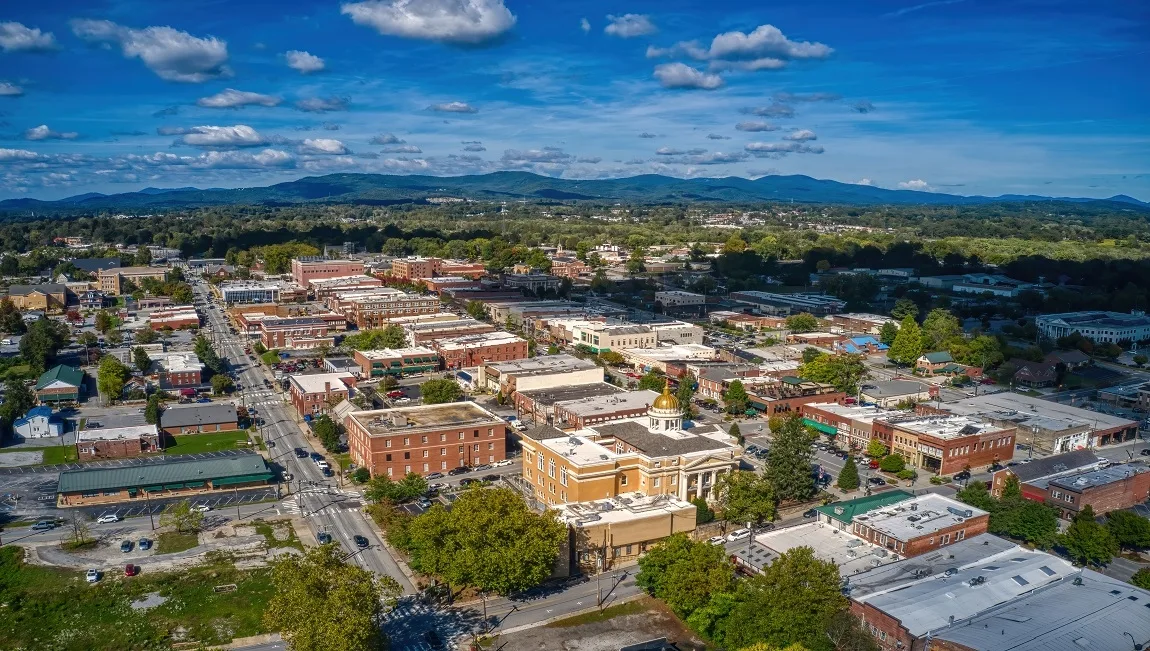
Half Moon sits just north of Jacksonville in Onslow County, where a high water table, sandy coastal-plain soil, and a steady stream of tropical moisture create restoration challenges that inland communities rarely face. Homes here deal with wind-driven rain, saturated ground that pushes water toward foundations, and humidity levels that let mold colonize damp drywall within a day or two.
Our IICRC-certified specialists handle the full range of property emergencies for Half Moon residents and business owners:
- Water Damage Restoration - extraction, structural drying, and repair after burst pipes, appliance failures, roof leaks, and storm intrusion
- Flooded Basement cleanup - pump-out, sanitizing, and dehumidification for below-grade and sunken living spaces
- Sewage Cleanup - safe removal of Category 3 contaminated water from septic backups and municipal line failures
- Fire Damage Restoration - debris removal, structural stabilization, and contents recovery
- Smoke Damage Restoration - soot removal, thermal fogging, and odor neutralization
- Mold Removal - containment, HEPA filtration, antimicrobial treatment, and moisture-source correction
Benefits for local property owners include faster drying that limits secondary damage, documented moisture readings that support insurance claims, and a single crew managing the job from emergency response through reconstruction. Call (910) 319-0600 for inspection and remediation.
Common Damage Restoration Issues in Half Moon, North Carolina
The combination of coastal weather, shallow groundwater, and mixed-age housing stock drives a predictable set of problems across Half Moon neighborhoods.
What Causes Damage Here
- Tropical systems and nor'easters - hurricane bands push rain sideways under shingles, into soffits, and through window flashing
- Saturated sandy soil - after multi-day rain events, groundwater rises into crawl spaces and low-lying slab perimeters
- Septic and drain-field failures - saturated ground prevents absorption, forcing sewage back into fixtures
- Aging supply lines - PVC and copper joints, water heaters, washing machine hoses, and refrigerator lines
- HVAC condensate overflow - long cooling seasons mean pans and drain lines run constantly
- Kitchen and electrical fires - grease flare-ups, space heaters, and older panel wiring in mid-century homes
Warning Signs Worth Acting On
- Musty or earthy odor near baseboards, closets, or crawl space access doors
- Cupping, buckling, or dark seams in laminate and hardwood flooring
- Bubbling paint, stained ceiling tiles, or drywall that feels cool and soft
- Persistent condensation on ductwork, windows, or toilet tanks
- Gurgling drains or slow flushing - an early indicator of septic backup
- Lingering smoke odor that intensifies on humid days, meaning soot residue remains in porous materials
- Visible black, green, or white growth on framing, insulation backing, or subfloor
Catching these signs early keeps a small extraction job from becoming a full mold remediation and rebuild project.
Neighborhoods We Serve in Half Moon
Our crews cover Half Moon and the surrounding Onslow County communities, with response teams positioned for quick arrival throughout the area.
- Half Moon proper, including the neighborhoods along Gum Branch Road and Ramsey Road
- Northwoods and the Brynn Marr area
- Jacksonville city limits and the Western Boulevard corridor
- Piney Green, Hubert, and Swansboro
- Richlands, Catherine Lake, and Haws Run
- Sneads Ferry, Holly Ridge, and North Topsail Beach
- Camp Lejeune and MCAS New River housing communities
- Maysville, Pumpkin Center, and the Verona area
Whether the call comes from a single-family home off Rocky Run Road, a rental property near Highway 24, or a commercial building along Gum Branch, the same certified team responds with truck-mounted extraction units, air movers, and containment materials ready to deploy.
Seasonal Damage Patterns in Half Moon
Restoration demand in eastern North Carolina follows the weather calendar closely. Knowing what each stretch of the year brings helps property owners prepare.
Spring (March - May)
- Severe thunderstorms and hail damage roofing, opening paths for water intrusion
- Rising humidity restarts dormant mold colonies in crawl spaces and attics
Summer (June - August)
- Peak mold growth season as indoor dew points climb
- HVAC condensate line clogs flood hallways, closets, and ceiling cavities
- Early hurricane season storms bring the first flooded basement and crawl space calls
Fall (September - November)
- Highest hurricane risk - storm surge, wind-driven rain, and widespread flooding
- Septic drain fields overwhelmed by saturated soil, leading to sewage backups
- Heating systems restart, and dust burn-off produces smoke and soot complaints
Winter (December - February)
- Occasional hard freezes rupture unprotected pipes in crawl spaces and exterior walls
- Space heaters, fireplaces, and holiday cooking drive the annual fire damage peak
- Closed-up homes trap smoke odor and moisture, accelerating mold behind furniture
Housing Characteristics & Restoration Considerations
Half Moon's housing stock spans post-war ranches, 1980s and 1990s subdivisions built for military families, and newer construction still going up along the county's northern edge. Each era responds differently to water, fire, and mold.
Construction Types and What They Mean
- Vented crawl space foundations - the dominant style locally; they collect groundwater and humid outdoor air, making them the number one mold source in the area
- Slab-on-grade homes - water wicks upward through concrete into wall bottom plates, requiring flood cuts and cavity drying rather than surface extraction
- Below-grade and daylight basement rooms - less common than inland but present in some properties, and highly vulnerable to hydrostatic pressure after heavy rain
- Vinyl siding over OSB sheathing - traps wind-driven rain against sheathing, hiding rot until it becomes structural
- Blown-in attic insulation - holds soot and smoke odor tenaciously; usually removed and replaced after fire events
- Older aluminum wiring and fuse panels in pre-1975 homes, a recurring ignition source
How We Adapt the Work
- Map moisture with infrared cameras and penetrating meters before touching a single wall
- Select drying strategy by assembly type - injectidry systems for wall cavities, desiccant units for dense materials
- Encapsulate and dehumidify crawl spaces rather than simply airing them out
- Seal and prime framing after smoke damage so odor does not return with the first humid week
- Document every reading for the insurance carrier and the homeowner
Environmental Conditions & Damage Implications
Half Moon's environment is generous to mold and unkind to wet building materials. Understanding the local conditions explains why restoration here demands more aggressive drying than the national average.
Climate and Air
- Humid subtropical climate with average annual rainfall well above the national norm
- Summer relative humidity frequently above 70 percent, keeping indoor materials near mold-growth thresholds
- Mild winters mean fungal activity never fully stops - it only slows
- Coastal salt air accelerates corrosion on HVAC coils, fasteners, and electrical contacts weakened by smoke residue
- Pollen-heavy spring air loads HVAC filters, which then trap and hold soot particles after a fire
Soil and Water
- Sandy, fast-draining topsoil over clay lenses that perch water near foundations
- High seasonal water table - in some Half Moon areas groundwater sits only a few feet below grade
- Widespread septic use in unincorporated areas, raising the risk of Category 3 sewage events
- Flat terrain with limited natural drainage, so standing water lingers after storms
Restoration Implications
- Drying targets must account for the region's naturally high ambient humidity; open windows make things worse, not better
- Low-grain refrigerant and desiccant dehumidifiers do the heavy lifting on nearly every job
- Sewage events require full removal of porous materials plus antimicrobial application and post-remediation verification
- Crawl space vapor barriers and sump systems often become part of the permanent repair, not an upsell
Hurricane and Storm Response Technology for Coastal Onslow County Homes
When a tropical system tracks toward Onslow County, hundreds of Half Moon properties take on water within the same 24-hour window. The problem is not just the water - it is the wait. Every hour that saturated drywall, insulation, and subfloor sits undried moves the job from a straightforward extraction toward mold remediation and reconstruction.
Equipment We Bring to Storm Calls
- Truck-mounted and portable extraction units that pull standing water from carpet, pad, and hard surfaces at high volume
- Submersible pumps for flooded basements, sunken rooms, and crawl spaces holding several inches of water
- Infrared thermal cameras to trace hidden migration inside wall cavities, under cabinets, and above ceilings
- Penetrating and non-penetrating moisture meters for baseline and daily progress readings
- Low-grain refrigerant dehumidifiers sized to the cubic footage and material load of each affected area
- Axial and centrifugal air movers positioned to create directional airflow across wet surfaces
- Negative air machines with HEPA filtration for containment during mold removal and sewage cleanup
- Hydroxyl and ozone generators for smoke odor neutralization after fire events
Our Storm Response Sequence
- Emergency call intake and dispatch, available around the clock
- Safety assessment - electrical hazards, structural integrity, and contamination category
- Full moisture mapping and photo documentation before work begins
- Standing water extraction and removal of unsalvageable porous materials
- Antimicrobial application to exposed framing and subfloor
- Placement of drying equipment with a calculated air-mover and dehumidifier count
- Daily monitoring visits with logged readings until materials reach dry standard
- Reconstruction - drywall, flooring, trim, and paint returning the space to pre-loss condition
Half Moon homeowners get one accountable team, insurer-ready documentation, and drying methods matched to coastal conditions. Reach our local line at (910) 319-0600 or the 24/7 emergency number at (844) 725-6298.





