
Damage Restoration in Rocky Mount, NC
- Damage Restoration Services Overview
- Common Damage Restoration Issues in Rocky Mount, North Carolina
- Neighborhoods We Serve in Rocky Mount
- Seasonal Damage Patterns in Rocky Mount
- Housing Characteristics & Restoration Considerations
- Environmental Conditions & Damage Implications
- What to Expect During a Rocky Mount Restoration Project
Damage Restoration Services Overview
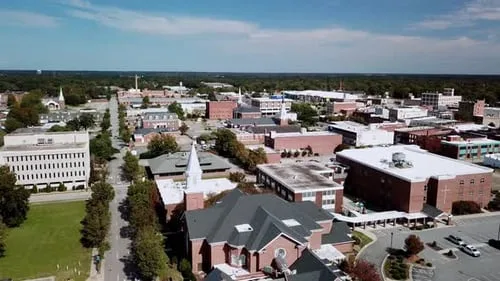
You wake up to the sound of running water at 3 a.m., walk downstairs, and find two inches standing across the floor. In Rocky Mount, that scenario plays out after burst supply lines, storm surges off the Tar River, and sewer backups during heavy rainfall - and every hour that passes makes the damage worse.
Restoration work in Nash and Edgecombe counties spans far more than drying a carpet. Property owners here rely on a connected set of services that address the initial emergency, the hidden moisture behind it, and the long-term health of the structure.
- Water Damage Restoration - emergency extraction, structural drying, moisture mapping, and repairs to affected building materials.
- Flooded Basement - pump-out of standing water, crawl space and lower-level drying, content recovery, and vapor barrier evaluation.
- Sewage Cleanup - removal of contaminated water and porous materials, antimicrobial treatment, and full sanitization of Category 3 losses.
- Fire Damage Restoration - board-up, debris removal, soot and char cleaning, and rebuilding of damaged framing and finishes.
- Smoke Damage Restoration - odor neutralization, HVAC cleaning, and treatment of walls, textiles, and contents affected by residue.
- Mold Removal - containment, source moisture correction, HEPA filtration, and removal of colonized materials.
Local crews answer around the clock, because Rocky Mount storms and plumbing failures rarely wait for business hours.
Common Damage Restoration Issues in Rocky Mount, North Carolina
Rocky Mount sits in the coastal plain where flat terrain, clay-heavy soil, and tropical rainfall combine to push water into buildings faster than it can drain away. Homes near the Tar River, Stony Creek, and older stormwater corridors see the heaviest repeat losses.
Frequent Causes of Damage
- Tropical storm and hurricane remnants dropping heavy rain over saturated ground
- Municipal sewer surcharge that backs contaminated water into floor drains and basement fixtures
- Failed sump pumps and clogged gutter and downspout systems
- Aging galvanized and polybutylene supply lines in mid-century homes
- Water heater ruptures, washing machine hose failures, and refrigerator line leaks
- Kitchen grease fires, space heater ignition, and electrical faults in older wiring
- Chronic crawl space humidity feeding mold growth under floor joists
Warning Signs Worth Acting On
- Musty or earthy odor that intensifies in humid weather
- Cupping hardwood, blistered paint, or tape seams lifting on drywall
- Dark staining along baseboards, sill plates, or subfloor edges
- Condensation on ductwork or windows during warm months
- Lingering smoke smell that returns when the HVAC system runs
- Slow drains, gurgling toilets, or sewage odor near cleanout access
- Allergy-type symptoms that improve when occupants leave the house
Untreated water becomes a mold problem within days, and smoke residue turns acidic and etches surfaces if cleaning is delayed. Early response keeps a small loss from becoming a rebuild.
Neighborhoods We Serve in Rocky Mount
Restoration teams cover the full Rocky Mount footprint on both the Nash and Edgecombe county sides, plus surrounding communities across the Twin Counties.
- Westridge, Benvenue, and Country Club - established homes with finished lower levels and mature tree cover
- Englewood and West Haven - older housing stock with original plumbing and plaster walls
- Villa Place and South Rocky Mount - historic properties needing careful material handling
- Sunset Avenue and Winstead corridor - mixed residential and commercial properties
- Battleboro, Dortches, Red Oak, and Sharpsburg - rural parcels on well and septic systems
- Nashville, Whitakers, Elm City, and Tarboro - surrounding towns within regular service range
Crews familiar with local street flooding patterns, city sewer layout, and Nash and Edgecombe permitting move faster on both emergency mitigation and reconstruction phases.
Seasonal Damage Patterns in Rocky Mount
Each season in eastern North Carolina brings a distinct restoration workload, and knowing the pattern helps homeowners prepare before the call becomes urgent.
- December through February - freeze events crack exposed crawl space and hose bib lines; space heaters, fireplaces, and holiday cooking drive fire and smoke damage calls.
- March through May - spring rain saturates clay soils, pushing groundwater into basements and crawl spaces; sewer lines clog with root intrusion as growth resumes.
- June through August - high dew points and heavy air conditioning use create condensation, feeding mold growth on framing, ductwork, and stored contents.
- August through October - peak tropical season brings hurricane rainfall, flash flooding, roof breaches, and widespread sewage backup from overloaded systems.
- November - heating systems restart after months idle, releasing dust and puff-back residue, and clogged leaf-filled gutters redirect water toward foundations.
Mold work continues year-round in Rocky Mount because crawl space humidity rarely drops low enough to stop growth entirely.
Housing Characteristics & Restoration Considerations
Rocky Mount's housing mix ranges from pre-1940 mill and downtown homes to post-2000 subdivisions on the Nash County side, and construction era shapes nearly every restoration decision.
Common Construction Types
- Vented crawl space foundations - the dominant local style, prone to standing water, high humidity, and mold on joists and subfloor
- Brick veneer over wood framing - moisture can wick behind veneer and stay trapped without proper drying access
- Plaster and lath in older homes - holds moisture longer than drywall and requires slower, monitored drying
- Slab-on-grade ranch homes - water spreads laterally under flooring and wicks into base plates
- Partial basements in older neighborhoods - vulnerable to hydrostatic pressure and drain backup
How Age Affects the Work
- Cast iron and clay sewer laterals in older districts crack and allow backups requiring Category 3 cleanup protocols
- Knob-and-tube or aluminum wiring raises fire risk and demands electrical evaluation after any water event
- Asbestos-containing floor tile, mastic, and popcorn ceilings in pre-1980 homes need testing before demolition
- Original hardwood floors often warrant in-place drying with mats rather than removal
- Blown-in and batt insulation holds smoke odor and moisture, frequently requiring replacement
Documenting existing conditions with moisture readings and photos before demolition protects both the homeowner and the insurance claim.
Environmental Conditions & Damage Implications
Rocky Mount's humid subtropical climate is the single largest factor in how damage develops and how long drying takes. Summer humidity regularly sits high enough that outdoor air cannot be used to dry a structure - dehumidification has to be mechanical.
Local Conditions That Drive Damage
- Annual rainfall well above the national average - concentrated in summer thunderstorms and tropical systems
- Clay-rich coastal plain soil - drains slowly, holds water against foundations, and shifts with moisture cycles
- Shallow water tables near the Tar River - groundwater intrusion into crawl spaces and lower levels
- Long warm season - mold spores stay active most of the year
- Heavy pollen loads in spring - combine with smoke residue to worsen indoor air quality after fires
- Well and septic systems in outlying areas - septic failures create biohazard cleanup needs distinct from city sewer backups
Practical Effects on Restoration
- Drying plans need higher dehumidifier capacity than drier climates require
- Crawl space encapsulation and vapor barrier repair often accompany water losses
- Mold containment must include negative air machines with HEPA filtration to protect unaffected rooms
- Smoke odor bonds more aggressively to surfaces in humid conditions, calling for thermal fogging or hydroxyl treatment
- Sewage-contaminated porous materials are removed rather than cleaned, given local bacterial load
What to Expect During a Rocky Mount Restoration Project
Clear communication separates a manageable restoration from a stressful one. Reputable Rocky Mount providers explain the scope, the equipment, and the timeline in plain language, then document every step for the insurance carrier.
The Typical Project Sequence
- Emergency contact - a technician gathers details about the source, affected areas, and safety concerns before dispatch.
- On-site inspection - moisture meters, thermal imaging, and air quality readings map the true extent of damage, including areas behind walls.
- Written scope review - the crew walks the homeowner through what will be dried, what will be removed, and why.
- Mitigation - extraction, pump-out, soot removal, containment, or sanitization depending on the loss type.
- Structural drying - air movers and dehumidifiers run with daily readings recorded and shared.
- Clearance and verification - moisture returns to dry standard, or post-remediation testing confirms mold levels.
- Reconstruction - drywall, flooring, trim, paint, and cabinetry restored to pre-loss condition.
Questions Worth Asking Your Provider
- Are technicians IICRC certified for water, fire, and mold work?
- Will daily moisture logs be provided in writing?
- How will contents be inventoried, cleaned, or stored?
- Does the company handle direct insurance billing and adjuster coordination?
- Who performs the rebuild - the same team or a subcontractor?
- What is the plan for odor control after a fire, not just surface cleaning?
Homeowners who understand each phase make faster decisions, and faster decisions in Rocky Mount's humid climate mean less demolition and lower overall loss.





