
Damage Restoration in Southern Pines, NC
- Damage Restoration Services Overview
- Common Damage Restoration Issues in Southern Pines, North Carolina
- Neighborhoods We Serve in Southern Pines
- Seasonal Damage Patterns in Southern Pines
- Housing Characteristics & Restoration Considerations
- Environmental Conditions & Damage Implications
- Responding to Flash Flooding and Sewage Backups in Moore County
Damage Restoration Services Overview
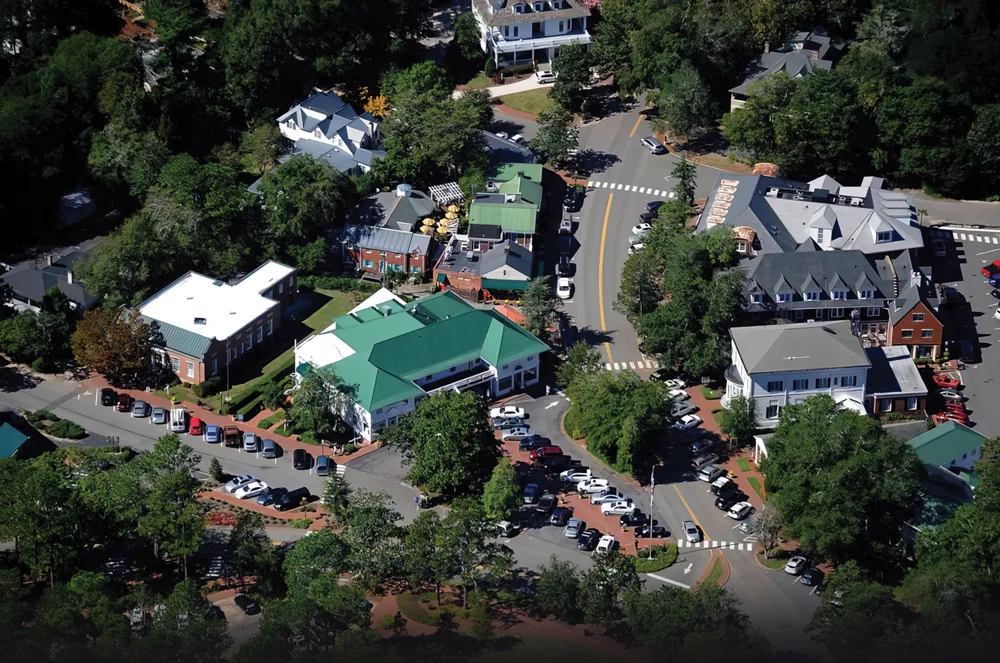
When water pours through a ceiling or smoke settles into every room, the fastest path back to normal is a trained crew with the right equipment. Southern Pines homeowners and business owners have access to certified restoration professionals - including nationally recognized providers like SERVPRO and PuroClean - who respond around the clock across Moore County.
Restoration is more than cleanup. It's moisture mapping, structural drying, odor neutralization, and rebuilding what can't be saved.
- Water Damage Restoration - extraction, drying, and monitoring after burst pipes, appliance failures, or roof leaks
- Flooded Basement - pump-out, crawlspace and lower-level dry-down, and content recovery
- Sewage Cleanup - removal of contaminated material, antimicrobial treatment, and safe disposal of Category 3 waste
- Fire Damage Restoration - debris removal, soot cleaning, structural stabilization, and board-up services
- Smoke Damage Restoration - HVAC cleaning, thermal fogging, and deep odor removal from soft goods and framing
- Mold Removal - containment, HEPA filtration, affected material removal, and humidity correction
Key benefits for local property owners include reduced secondary damage, documented moisture readings for insurance claims, and protection of the heart pine floors, plaster, and historic details that give Southern Pines homes their character.
Common Damage Restoration Issues in Southern Pines, North Carolina
Southern Pines sits in the Sandhills, where sandy soils drain quickly - until they don't. Slow-moving tropical systems have dropped upwards of 8 inches of rain on parts of Moore County in a single afternoon, triggering water rescues and widespread flooding.
Local Causes of Damage
- Tropical remnants and stalled summer storms overwhelming yard drainage and downspouts
- Aging cast iron and clay sewer laterals in older neighborhoods near downtown
- Crawlspace vents and dirt floors that pull humid air under the house
- Winter pipe freezes during Sandhills cold snaps, especially in vacation and second homes
- Longleaf pine straw beds and needle debris on roofs feeding outdoor fire risk
- Wood-burning fireplaces, chimney flue issues, and kitchen grease fires
Warning Signs Worth Acting On
- Musty odor in a hallway, closet, or crawlspace access
- Cupping hardwood floors or baseboards pulling away from walls
- Bubbling paint, water stains that change shape, or soft drywall
- Gurgling drains or slow toilets - often the first hint of a sewer backup
- Persistent smoke smell that returns on humid days after a small fire
- Allergy symptoms that ease when you leave the house
Small leaks turn into mold colonies in a matter of days when indoor humidity stays high. Early moisture detection keeps a minor repair from becoming a whole-room reconstruction.
Neighborhoods We Serve in Southern Pines
Restoration crews cover Southern Pines and the surrounding Sandhills communities, from historic in-town blocks to newer golf course developments.
- Downtown Southern Pines and Broad Street district - older commercial buildings, upstairs apartments, and historic residences
- Weymouth - established homes near the Weymouth Woods area with mature tree cover
- Knollwood and Mid South Club - larger homes with finished lower levels and crawlspaces
- Talamore and Longleaf - golf community properties with irrigation-related moisture issues
- Pine Needles and Whispering Pines corridor
- Surrounding areas - Pinehurst, Aberdeen, Carthage, Vass, Foxfire Village, West End, Cameron, and greater Moore County
Service extends to rental properties, vacation homes, medical offices along US 1, restaurants, and equestrian facilities throughout the region.
Seasonal Damage Patterns in Southern Pines
Each season brings its own restoration calls across Moore County.
- December through February - Frozen and burst pipes in exterior walls, crawlspaces, and unheated garages. Heating equipment, space heaters, and fireplace fires drive fire and smoke damage restoration calls.
- March through May - Spring thunderstorms and heavy rain produce flooded basements and crawlspace water. Rising humidity starts the year's first mold growth cycle.
- June through August - Peak humidity means mold removal requests climb sharply. AC condensate line clogs, water heater failures, and afternoon downpours cause hidden water damage.
- September through October - Hurricane season remnants deliver the heaviest rainfall totals. Sewer systems surcharge, causing backups into lower-level bathrooms and laundry rooms.
- November - Cooking fires around the holidays, plus first-use furnace and chimney incidents that leave lingering smoke odor.
Year-round, plumbing supply lines, dishwashers, and washing machine hoses fail without warning. Storm cleanup often reveals mold that had been growing quietly for months.
Housing Characteristics & Restoration Considerations
Southern Pines blends century-old cottages with 1960s ranches and newer construction in golf and resort developments. That mix shapes how each restoration project is handled.
Older Homes (pre-1960)
- Heart pine and oak flooring that needs controlled drying rather than aggressive heat
- Plaster and lath walls that hold moisture longer than modern drywall
- Vented crawlspaces with dirt floors - a frequent source of mold and wood rot
- Galvanized or cast iron supply and drain lines prone to leaks and sewage backups
- Knob-and-tube or updated-but-patchwork wiring that raises fire risk
- Possible asbestos or lead paint requiring careful handling during demolition
Mid-Century and Newer Construction
- Slab-on-grade foundations where water wicks into carpet padding and baseboards
- Finished basements and bonus rooms with carpet, drywall, and stored contents at risk
- Tighter building envelopes that trap smoke odor and humidity indoors
- Engineered flooring and vinyl plank that can trap moisture against subfloor
- Multi-zone HVAC systems that spread soot and mold spores between levels
Many area properties are second homes or seasonal rentals. An unnoticed leak in an empty house can run for weeks, which is why crews use thermal imaging and moisture meters to map the full extent of damage before drying equipment goes in - not just what's visible on the surface.
Environmental Conditions & Damage Implications
The Sandhills climate creates a specific set of restoration challenges. Hot, humid summers and mild, damp winters keep indoor moisture elevated for much of the year.
Climate and Humidity
- Summer dew points regularly push indoor relative humidity above the 60 percent threshold where mold thrives
- Annual rainfall in Moore County is substantial, with tropical systems delivering extreme single-day totals
- Mild winters mean mold growth slows but rarely stops entirely
Soil and Groundwater
- Sandy Sandhills soil drains fast, but clay lenses beneath can perch water against foundations
- Low-lying lots near creeks and drainage swales collect runoff during heavy storms
- Sandy backfill shifts over time, opening gaps around foundation penetrations where water enters
Air and Water Quality Factors
- Heavy pine pollen in spring loads HVAC systems and complicates post-fire air scrubbing
- Prescribed burns and wildfire smoke in the longleaf pine region can leave odor in homes even without direct fire damage
- Well water on rural properties may carry iron and minerals that stain surfaces after a flood
- Septic systems in outlying areas can surcharge during saturated conditions, leading to sewage cleanup needs
These conditions mean drying alone isn't enough. Dehumidification targets, HEPA air scrubbing, and post-remediation moisture verification protect against a repeat problem the following season.
Responding to Flash Flooding and Sewage Backups in Moore County
When 8 inches of rain falls in an afternoon, storm drains surcharge, creeks jump their banks, and water finds its way into crawlspaces, basements, and ground-floor rooms across Southern Pines. That kind of event does something ordinary plumbing leaks don't - it mixes stormwater with sewage.
Why Storm Water Gets Treated Differently
- Floodwater is classified as Category 3 - contaminated - regardless of how clean it looks
- Porous materials like carpet padding, insulation, and particleboard are removed rather than dried
- Antimicrobial application follows extraction to stop bacterial growth
- Crews wear full PPE and set containment to keep contaminants out of unaffected rooms
The Response Sequence
- Safety assessment - power shutoff, structural check, and identification of the water source
- Bulk water removal - truck-mounted extraction and submersible pumps for standing water
- Controlled demolition - flood cuts in drywall, removal of saturated flooring and unsalvageable contents
- Sanitization - EPA-registered antimicrobials on all affected surfaces and framing
- Structural drying - air movers and commercial dehumidifiers placed by calculated load, with daily moisture readings
- Verification and rebuild - documented dry standard confirmed before any reconstruction begins
Custom Solutions for Local Properties
- Crawlspace drying with encapsulation recommendations for homes on sandy, sloping lots
- Backflow prevention guidance for properties that have flooded more than once
- Content pack-out and cleaning for antiques, artwork, and equestrian equipment
- Coordinated documentation - photos, moisture logs, and scope notes - for insurance adjusters
The goal is a property that's genuinely dry, sanitary, and odor-free - not just one that looks fine on the surface.





