
Damage Restoration in Pinehurst, NC
- Damage Restoration Services Overview
- Common Damage Restoration Issues in Pinehurst, North Carolina
- Neighborhoods We Serve in Pinehurst
- Seasonal Damage Patterns in Pinehurst
- Housing Characteristics & Restoration Considerations
- Environmental Conditions & Damage Implications
- Storm Flooding and Emergency Response in Moore County
Damage Restoration Services Overview
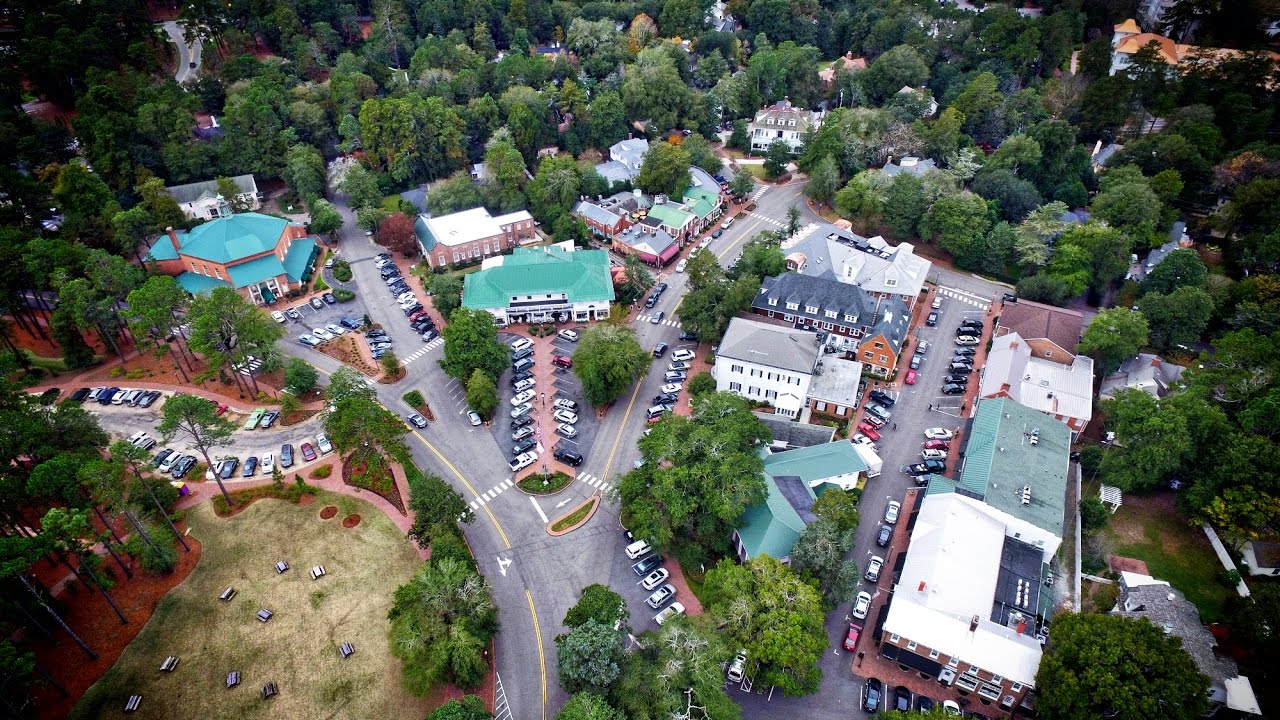
Water spreads through a Pinehurst home within minutes, and mold colonies can take hold in as little as 24 to 48 hours. Smoke residues turn acidic quickly, etching glass, metal fixtures and finished woodwork long after the flames are out. Fast action protects both the structure and everything inside it.
Restoration crews serving Moore County handle the full range of property emergencies, including:
- Water Damage Restoration - burst supply lines, failed water heaters, roof leaks and appliance overflows, with extraction, structural drying and moisture mapping.
- Flooded Basement - pumping standing water from basements, crawl spaces and lower levels, then drying framing, subfloor and insulation.
- Sewage Cleanup - safe removal of Category 3 contamination from backed-up drains, septic failures and toilet overflows, followed by antimicrobial treatment.
- Fire Damage Restoration - board-up, tarping, structural cleaning, contents recovery and reconstruction of damaged areas.
- Smoke Damage Restoration - soot removal, HVAC and duct cleaning, and deodorization that treats odor at the source rather than masking it.
- Mold Removal - containment, moisture source correction, removal of affected materials and clearance-focused remediation planning.
Emergency lines stay open around the clock. Homeowners in Pinehurst can reach help at (910) 428-5280 or (910) 814-2502 for storm, flood, fire and water emergencies at any hour.
Common Damage Restoration Issues in Pinehurst, North Carolina
Pinehurst sits in the Sandhills, where sandy soils drain fast in some spots and perch water in others. That inconsistency, combined with tropical systems moving inland, drives most local restoration calls.
Frequent Causes of Loss
- Tropical remnants and heavy rain events - Tropical Depression Chantal dropped roughly six inches across parts of Moore County, flooding homes near golf communities and washing out roads.
- Dam and stormwater failures, like the Longleaf Golf & Family Club dam break that damaged homes and infrastructure nearby.
- Crawl space and basement seepage after saturated ground can no longer absorb runoff.
- Aging galvanized or polybutylene supply lines in mid-century homes.
- Septic and sewer backups when saturated drain fields stop accepting flow.
- Kitchen fires, fireplace and chimney fires, and electrical faults in older wiring.
- Lightning strikes during summer thunderstorms that ignite attic framing.
Warning Signs Worth Acting On
- Musty odors that intensify after rain or when the HVAC cycles.
- Cupping hardwood, bubbling paint or dark staining along baseboards.
- Condensation on ductwork, or visible growth on crawl space joists.
- Gurgling drains, slow toilets or sewage odor in a lower-level bath.
- Yellow-brown soot filming on walls, or lingering smoke smell weeks after a small fire.
- Unexplained allergy symptoms that ease when occupants leave the house.
Documenting these signs early - with photos and dates - helps both the restoration team and the insurance adjuster.
Neighborhoods We Serve in Pinehurst
Response covers the Village of Pinehurst and the surrounding Sandhills communities, including established golf-course neighborhoods and newer subdivisions.
- The Village core, Old Town and the historic district near the resort courses
- Pinehurst No. 6, No. 7 and Lake Pinehurst areas
- Fairwoods, Linden Road corridor and Beulah Hill
- Longleaf and communities bordering Midland Road
- Southern Pines, Aberdeen, Whispering Pines, Carthage, Vass and Foxfire
- Seven Lakes, West End and Taylortown
- Neighboring Lee County towns - Sanford, Broadway and Tramway
- Wake County service including Cary, Apex, Holly Springs, Fuquay-Varina, Garner and Raleigh
If a property sits outside these listings, a phone call is still worthwhile - coverage often extends further into the surrounding counties depending on conditions.
Seasonal Damage Patterns in Pinehurst
Winter (December - February)
- Frozen and burst pipes in crawl spaces, garages and vacation homes left unoccupied.
- Fireplace, chimney and space heater fires, with smoke damage spreading through duct systems.
- Ice storms causing tree falls, roof punctures and power loss.
Spring (March - May)
- Heavy thunderstorms and hail leading to roof leaks and flooded basements.
- Rising humidity restarting dormant mold growth in crawl spaces.
- Sump pump failures discovered after the first big rain.
Summer (June - August)
- Peak mold season as dew points climb and air conditioners struggle to dehumidify.
- Lightning-related structure fires and HVAC condensate line overflows.
- Early tropical systems pushing inland rain totals higher.
Fall (September - November)
- Hurricane remnants delivering flash flooding, like the events that closed U.S. 1 in Aberdeen.
- Sewage backups when septic drain fields stay saturated for days.
- Clogged gutters and pine straw buildup redirecting water toward foundations.
Housing Characteristics & Restoration Considerations
Pinehurst housing spans more than a century, from cottages built during the resort's early decades to golf-community construction from the 1970s through today. Each era brings distinct restoration challenges.
Older Homes (pre-1960)
- Plaster walls and lath hold moisture longer than drywall and often need specialized drying.
- Original heart pine floors and trim require careful, gradual drying to avoid permanent cupping.
- Asbestos-containing materials and lead paint call for testing before demolition.
- Balloon framing lets smoke and soot travel between floors through wall cavities.
Mid-Century and 1970s-1990s Construction
- Vented crawl spaces that pull humid summer air against cool ductwork, feeding mold.
- Cast iron and galvanized drain lines nearing the end of service life, raising sewage backup risk.
- Original fiberglass batt insulation that traps water and must be removed rather than dried.
Newer Builds
- Tighter envelopes hold moisture and smoke odor inside, requiring active dehumidification and air scrubbing.
- Finished basements and bonus rooms with carpet, drywall and built-ins that complicate flood cleanup.
- Engineered flooring and MDF trim that fail quickly once saturated.
Many Pinehurst properties are second homes or seasonal residences. A small supply line leak can run undetected for weeks, turning a straightforward water loss into a mold remediation project. Smart shutoff valves and monitored moisture sensors reduce that risk substantially.
Environmental Conditions & Damage Implications
The Sandhills climate creates a specific mix of restoration conditions - hot, humid summers, mild but damp winters, and annual rainfall typically in the mid-40-inch range concentrated in summer storms and tropical systems.
Soil and Groundwater
- Sandy loam soils drain quickly on high ground, but clay lenses beneath can trap water against foundations.
- Low-lying lots near creeks, ponds and golf course drainage collect runoff during downpours.
- Rapid infiltration can saturate septic drain fields, forcing wastewater back toward the house.
Humidity and Mold Pressure
- Summer dew points frequently sit in the 70s, keeping crawl space humidity above the threshold where mold thrives.
- Unconditioned crawl spaces and attics act as reservoirs, feeding spores into living space through the HVAC system.
- Effective mold work must correct the moisture source, not just remove visible growth.
Air Quality and Fire Aftermath
- Longleaf pine forests and prescribed burns contribute seasonal particulate to outdoor air.
- Smoke residue from a structure fire bonds to porous surfaces and reactivates in humid weather, so deodorization needs thermal fogging or hydroxyl treatment rather than surface cleaning alone.
- Duct systems must be cleaned after fire and after any sewage or flood event that reached return vents.
Well water is common outside the Village limits, which matters after flooding - contaminated wellheads need testing before the water is used for cleaning or consumption.
Storm Flooding and Emergency Response in Moore County
Moore County has seen what inland flooding does when a tropical system stalls overhead. During Tropical Depression Chantal, roads washed out, more than a dozen water rescues were performed, U.S. 1 closed at Aberdeen, and a dam failure at Longleaf Golf & Family Club sent water through homes and roadways. Events like that generate hundreds of simultaneous restoration calls, and the properties stabilized first tend to recover fastest.
What Emergency Storm Response Includes
- Tree removal and debris clearing from roofs, driveways and structures
- Emergency tarping and board-up to stop ongoing water intrusion
- Property stabilization where framing or foundations are compromised
- Emergency power to run extraction and drying equipment
- Water extraction, structural drying and dehumidification
- Antimicrobial application where floodwater carried contamination
Steps to Take After Storm Flooding
- Confirm the structure is safe to enter, and stay clear of standing water near electrical panels or outlets.
- Shut off power to affected areas at the breaker if it can be done safely and from a dry position.
- Call for emergency response - lines are staffed 24/7 at (910) 428-5280 or (910) 814-2502.
- Photograph and video every affected room, wall, floor and contents before moving anything.
- Notify the insurance carrier and open a claim, noting flood coverage is usually separate from a standard policy.
- Remove undamaged contents and valuables to a dry area to limit secondary damage.
- Treat all storm floodwater as contaminated - it typically carries road runoff, septic overflow and chemicals.
- Let the restoration team set drying equipment and monitor moisture readings until materials reach dry standard.
Firms serving the Sandhills have handled fire and smoke restoration in this region since 1971, and that history matters when a storm produces both flooding and electrical fires in the same week. Coordinated crews handle extraction, mold prevention, contents cleaning and reconstruction under one project, which shortens the time a Pinehurst family spends out of their home.





