
Damage Restoration in Zuni Pueblo, NM
- Damage Restoration Services Overview
- Common Damage Restoration Issues in Zuni Pueblo, New Mexico
- Neighborhoods We Serve in Zuni Pueblo
- Seasonal Damage Patterns in Zuni Pueblo
- Housing Characteristics & Restoration Considerations
- Environmental Conditions & Damage Implications
- Flash Flood Response and Recovery for Zuni Pueblo Homes
Damage Restoration Services Overview
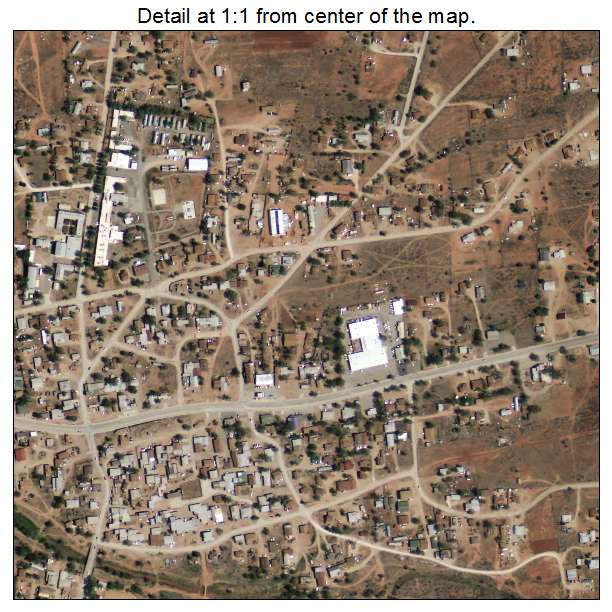
What happens to a home in the hours after two feet of muddy runoff pushes through the front door? In Zuni Pueblo, that question stopped being hypothetical when days of heavy rain damaged at least 20 homes and forced families to evacuate during dangerous flash flooding.
Property damage here rarely arrives politely. It comes fast, carries sediment, and leaves behind moisture that keeps working long after the water recedes.
Restoration services available to Zuni Pueblo households and businesses include:
- Water Damage Restoration - extraction, structural drying, moisture mapping, and monitoring of walls, subfloors, and framing
- Flooded Basement - pumping standing water, clearing silt and debris, drying below-grade spaces, and treating foundation walls
- Sewage Cleanup - removal of contaminated material, disinfection of hard surfaces, and safe disposal of porous items exposed to Category 3 water
- Fire Damage Restoration - securing the structure, removing charred materials, and cleaning soot from surviving surfaces
- Smoke Damage Restoration - odor neutralization, HVAC and duct cleaning, and treatment of textiles and porous finishes
- Mold Removal - containment, air filtration, removal of colonized materials, and correction of the moisture source
Key benefits for local residents include limiting secondary damage, protecting indoor air quality, preserving irreplaceable belongings, and documenting losses clearly for insurance and tribal assistance programs.
Common Damage Restoration Issues in Zuni Pueblo, New Mexico
Zuni Pueblo sits in a high desert landscape where dry ground and sudden rain make a difficult pairing. Hardened soil sheds water instead of absorbing it, sending sheet flow toward homes, arroyos, and low-lying lots.
Local Causes of Damage
- Monsoon flash flooding - short, intense storms overwhelm drainage and push water into living spaces within minutes
- Roadway and culvert runoff - concentrated flow from crossings contributes to erosion, headcutting, and sediment deposits near structures
- Arroyo overflow - channels that stay dry for months can run bank-full during a single afternoon
- Septic and sewer backups - saturated ground and surcharged lines push wastewater back into floor drains and low fixtures
- Wildfire and woodstove smoke - regional fire seasons and heating appliances leave soot films and lingering odor
- Frozen or split supply lines - winter cold snaps rupture pipes in crawlspaces and unheated additions
Warning Signs Worth Acting On
- Silt lines or tide marks on baseboards and exterior stucco
- Musty odor that intensifies after rain or when the heat runs
- Cupping wood floors, blistering paint, or soft drywall near the floor line
- Slow drains, gurgling fixtures, or sewer odor in the lowest level
- Dark staining at wall-floor junctions or behind furniture on exterior walls
- Soot shadows above outlets, or a smoke smell returning weeks after a fire
Because adobe, plaster, and older wood framing hold moisture quietly, damage often reveals itself well after the storm has passed.
Neighborhoods We Serve in Zuni Pueblo
Response covers the main village and the surrounding housing areas, farmsteads, and outlying communities across the reservation and nearby McKinley and Cibola County corridors.
- The central Zuni village core and older adobe housing clusters
- Blackrock and the residential areas near Black Rock Reservoir
- Housing developments along NM-53 east and west of the village
- Homes bordering the Zuni River floodplain and adjacent arroyo channels
- Nutria, Pescado, Ojo Caliente, and Tekapo farming and ranch settlements
- Tribal government buildings, schools, health facilities, and artist studios
- Surrounding communities toward Ramah, Vanderwagen, Gallup, and the Ramah Navajo chapter area
Rural addresses, dirt access roads, and properties reached only by unpaved crossings are part of routine service planning. Crews arrive equipped for limited-access sites, generator power, and staging on properties where standing water still blocks driveways.
Seasonal Damage Patterns in Zuni Pueblo
Damage risk shifts predictably through the year, and knowing the pattern helps homeowners prepare before the next event.
- January - February: Freeze-thaw cycles split supply lines and hose bibs. Burst pipe cleanup and flooded basement calls peak, along with woodstove and chimney fire damage.
- March - April: Snowmelt and spring wind drive moisture into cracked stucco and roof penetrations. Hidden wall cavity moisture begins feeding mold growth.
- May - June: The dry, windy stretch brings the highest wildfire and structure fire risk, with smoke damage affecting homes far from the flames.
- July - September: Monsoon season dominates. Flash flooding, arroyo overflow, culvert runoff, sediment intrusion, flooded basements, and sewage backups all cluster here.
- October - November: Post-monsoon mold discoveries surface as heating systems circulate air through damp cavities. Odor complaints rise.
- December: Heating equipment, space heaters, and holiday cooking increase fire and smoke damage calls as temperatures drop sharply overnight.
Mold removal requests follow water events by weeks, not days - which is why post-flood drying verification matters more than surface appearance.
Housing Characteristics & Restoration Considerations
Zuni Pueblo housing spans centuries of building practice, from traditional stone and adobe construction in the old village to mid-century tribal housing and newer manufactured homes on outlying lots.
Common Construction Types
- Adobe and stone masonry with mud or lime plaster finishes in the historic village core
- HUD-era and tribal housing from the 1960s through 1990s with wood framing and slab or shallow crawlspace foundations
- Manufactured and modular homes set on piers with skirted underfloor spaces
- Owner-built additions combining framing methods, often with limited vapor control
- Flat and low-slope roofs with parapets and canales that concentrate runoff
How Construction Shapes Restoration
- Adobe absorbs water deeply and must dry slowly - aggressive heat causes cracking and spalling, so controlled drying with monitoring is used instead
- Mud plaster and earthen finishes may need traditional repair methods rather than replacement with modern materials
- Slab-on-grade homes trap water under flooring, requiring flooring removal for effective structural drying
- Pier-set manufactured homes suffer insulation and belly-wrap saturation that hides mold growth from view
- Older wiring and gas appliances need inspection before power is restored after flooding or fire
- Pre-1980 homes may contain asbestos-bearing floor tile, mastic, or textured finishes that require testing before demolition
- Below-grade storage rooms and cellars need dedicated pumping and dehumidification during flooded basement work
Cultural and ceremonial items, pottery, jewelry, and heritage textiles receive separate handling and content-recovery attention throughout the process.
Environmental Conditions & Damage Implications
The high desert setting - roughly 6,300 feet in elevation with low annual rainfall concentrated in a few violent months - creates a distinctive restoration environment.
Climate and Air
- Low ambient humidity speeds evaporation, which helps drying but can mask moisture still trapped inside adobe and framing
- Wide day-to-night temperature swings drive condensation inside wall cavities and attics
- Blowing dust and regional wildfire smoke layer particulates onto surfaces, complicating soot cleanup and HVAC restoration
- Thin air at elevation affects equipment output, so drying plans account for reduced dehumidifier efficiency
Water and Soil
- Clay-rich and compacted soils shed rainfall rather than absorb it, concentrating flow toward foundations
- Erosion and headcutting near culvert crossings and drainage channels redirect water into unexpected paths - the same forces that inspired Zuni Bowl and one-rock dam techniques used across regional restoration work
- Floodwater carries silt, agricultural residue, livestock waste, and septic overflow, meaning most flood intrusion is treated as contaminated
- Expansive soils shift after saturation, cracking slabs and masonry and opening new water paths
- Well and septic systems can be compromised during flooding, requiring disinfection and testing before normal use resumes
Sediment left behind holds moisture against building materials for days. Removing that silt layer is a necessary first step before drying, disinfection, and any mold prevention work can succeed.
Flash Flood Response and Recovery for Zuni Pueblo Homes
The flooding that damaged at least 20 homes - some with two feet of standing water - showed how quickly a rain event becomes a whole-community recovery effort. Tribal leaders and first responders moved families to safety; restoration work begins once the water drops and structures are cleared for entry.
What a Coordinated Response Looks Like
- Safety and utility check - confirming electrical, gas, and structural stability before anyone enters a flooded home
- Water and sediment removal - pumping standing water, then shoveling and washing out the silt layer that flood flows deposit
- Contamination assessment - treating floodwater and any sewage backup as hazardous, with removal of saturated carpet, pad, insulation, and lower drywall
- Antimicrobial application - disinfecting framing, masonry, and hard surfaces after materials are removed
- Structural drying - placing air movers and dehumidifiers with daily moisture readings, adjusted for adobe and earthen materials
- Verification and clearance - confirming materials reach dry standard before any rebuilding begins
- Mold prevention and reconstruction - addressing colonized areas and restoring finishes
Documentation That Supports Claims and Assistance
- Photo and video records of water lines, damaged contents, and affected rooms
- Moisture logs showing readings from initial assessment through clearance
- Written scope listing removed materials and equipment placement
- Separate inventory for cultural, ceremonial, and heirloom items
Clear records matter when households work with insurers, tribal programs, or settlement-funded restoration efforts. Homes that stay wet turn a flood problem into a mold problem, so early drying and honest documentation protect both the structure and the family living in it.





