
Damage Restoration in Gallup, NM
- Damage Restoration Services Overview
- Common Damage Restoration Issues in Gallup, New Mexico
- Neighborhoods We Serve in Gallup
- Seasonal Damage Patterns in Gallup
- Housing Characteristics & Restoration Considerations
- Environmental Conditions & Damage Implications
- Monsoon Flood Recovery and Insurance Documentation in Gallup
Damage Restoration Services Overview
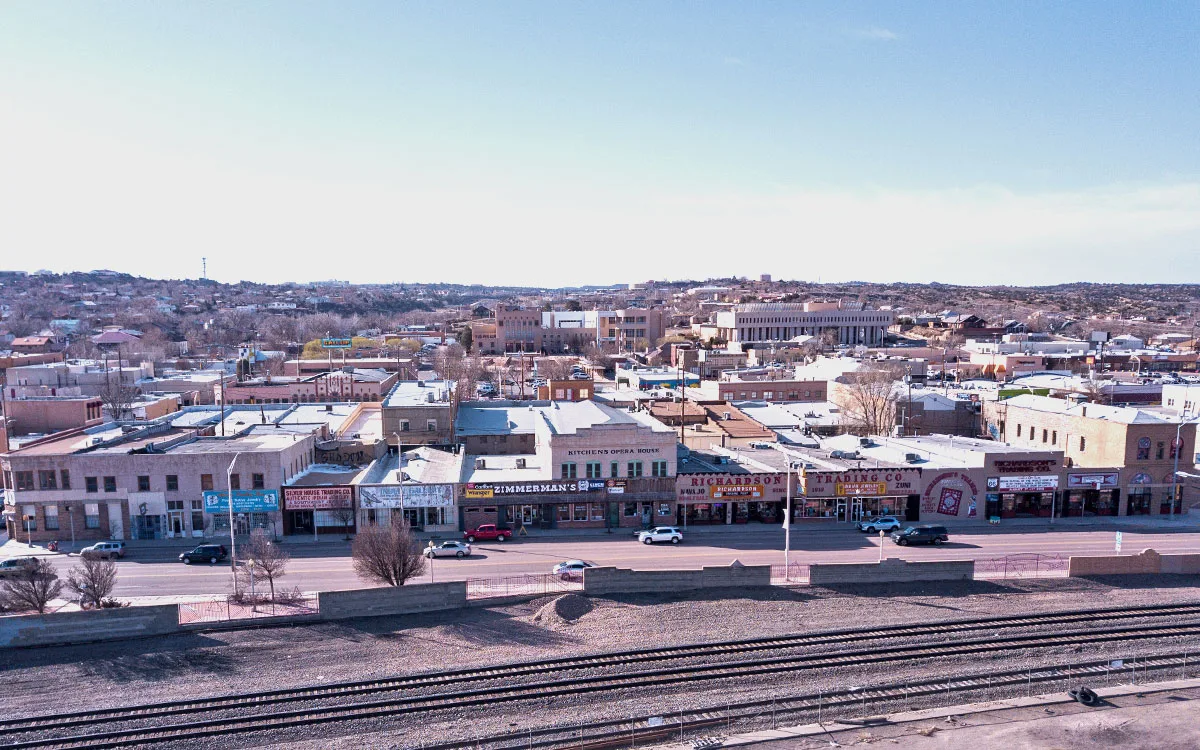
When water pours into a basement on Coal Avenue or smoke settles into the walls of a home near Ford Canyon, the first hours matter more than anything else. Professional restoration gives Gallup property owners a clear path forward - documentation for insurance, controlled drying, and a structure that is safe to live in again.
A full-service restoration team handles the entire chain of events, from the emergency call through the final walkthrough, so homeowners are not left coordinating separate contractors.
- Water Damage Restoration - extraction, structural drying, moisture mapping, and repair after burst pipes, roof leaks, or monsoon runoff.
- Flooded Basement Cleanup - pumping standing water, removing saturated sheetrock and flooring, and drying below-grade spaces that hold humidity.
- Sewage Cleanup - containment, removal of contaminated materials, antimicrobial treatment, and odor removal after backups.
- Fire Damage Restoration - board-up, debris removal, soot cleaning, and reconstruction of damaged framing and finishes.
- Smoke Damage Restoration - deodorization, HVAC cleaning, and treatment of porous surfaces that trap smoke residue.
- Mold Removal - containment barriers, controlled removal, and correction of the moisture source that fed the growth.
Virtual consultations help rural and outlying properties get guidance quickly, before a crew arrives on site.
Common Damage Restoration Issues in Gallup, New Mexico
Gallup sits at roughly 6,500 feet in the high desert of McKinley County, where dry months are punctuated by intense, short-lived storms. That pattern creates a distinct set of restoration problems.
What Drives Damage Locally
- Monsoon flash flooding - historic summer rains have overwhelmed streets, businesses, and basements, with dirt drainage ditches clogging with debris and pushing water toward buildings.
- Aging drainage infrastructure - city officials have publicly noted the outdated system, meaning runoff often finds its way into low-lying properties along the Rio Puerco corridor and downtown.
- Sewer backups - heavy inflow during storms can surcharge lines, sending contaminated water into floor drains and basement fixtures.
- Freeze-thaw pipe failures - winter nights well below freezing crack supply lines in crawlspaces, garages, and exterior walls.
- Wildfire and woodstove smoke - dry seasons bring regional smoke, while heating stoves and fireplaces cause puff-backs and soot staining.
Warning Signs Worth Acting On
- Musty odors in basements or closets that linger after ventilation.
- Bubbling paint, cupping wood floors, or soft spots in drywall near the foundation.
- Efflorescence - white mineral crusting - on block or concrete walls.
- Gurgling drains or slow floor drains after a rainstorm.
- Yellow-brown staining on ceilings or a persistent smoky smell weeks after a fire.
- Allergy-like symptoms that improve when occupants leave the house.
Neighborhoods We Serve in Gallup
Restoration crews cover the full city and the surrounding communities of McKinley County.
- Downtown Gallup and the historic Route 66 business corridor along Coal and Aztec Avenues
- Ford Canyon and the north-side residential streets
- Indian Hills and Chaparral
- Mentmore, Gamerco, and Rehoboth
- Church Rock and the areas near Red Rock Park
- Yah-Ta-Hey, Twin Lakes, and Tohatchi to the north
- Vanderwagen, Zuni, and Pinehaven to the south
- Thoreau, Prewitt, and the I-40 corridor east toward Grants
Outlying properties on tribal lands and along unpaved county roads often face longer waits for help, which is why virtual consultations are offered to start containment and documentation before a truck arrives.
Seasonal Damage Patterns in Gallup
Winter (December - February)
- Frozen and burst pipes in uninsulated crawlspaces and exterior walls
- Ice damming on low-slope roofs, leading to ceiling water damage
- Heating-related fires and woodstove puff-backs causing smoke damage
Spring (March - May)
- Snowmelt seeping into basements and crawlspaces
- Hidden mold discovered after winter leaks go unnoticed
- High winds damaging roofing and creating new water entry points
Summer Monsoon (June - September)
- Peak season for flooded basements and flash-flood water intrusion
- Sewage backups when storm volume overwhelms drainage and sewer lines
- Wildfire smoke infiltration during the dry early-summer stretch
- Rapid mold growth in humid, saturated materials
Fall (October - November)
- Post-monsoon mold discovered behind baseboards and under flooring
- Chimney and furnace startup fires as heating systems return to use
- Ideal window for drainage grading, sump pump service, and preventive inspections
Housing Characteristics & Restoration Considerations
Gallup's housing stock spans more than a century, and each construction era responds differently to water, fire, and mold.
Common Construction Types
- Pre-1950 downtown and Route 66-era buildings - brick, adobe, and stone with full or partial basements, plaster walls, and original wood framing that absorbs water quickly.
- Mid-century frame homes (1950s - 1970s) - stucco or wood siding over slab or crawlspace, often with galvanized supply lines prone to corrosion and failure.
- Later subdivisions and manufactured homes - lightweight framing, vinyl flooring, and skirted underbellies where moisture and rodents can hide damage for months.
How Age Affects the Work
- Basements and cellars - older masonry foundations wick moisture, so flooded basement work includes dehumidification of the walls themselves, not just the floor.
- Plaster and lath - historic interiors require careful drying to avoid unnecessary demolition of irreplaceable finishes.
- Adobe and earthen materials - these need slow, monitored drying; aggressive heat causes cracking and structural loss.
- Asbestos and lead concerns - homes built before the late 1970s may contain hazardous materials in flooring, texture, or paint, requiring testing before demolition.
- Original wiring and ductwork - smoke residue collects in old duct systems, so deodorization must include mechanical cleaning.
- Limited crawlspace access - tight clearances change how drying equipment and containment are set up.
Environmental Conditions & Damage Implications
The high-desert environment around Gallup shapes both how damage happens and how it must be repaired.
Climate and Air
- Low average humidity speeds evaporation but also means indoor materials shrink, crack, and open gaps where water later enters.
- Wide daily temperature swings stress plumbing, roofing seams, and stucco.
- Blowing dust and regional wildfire smoke settle in HVAC systems, compounding smoke damage cleanup after a fire.
- Thin air at elevation slightly changes drying calculations, so equipment placement and monitoring are adjusted accordingly.
Soil, Water, and Drainage
- Clay-heavy and caliche soils absorb water slowly, so monsoon rain sheets across the surface rather than soaking in - a direct cause of basement flooding.
- Arroyos and dirt ditches clog with debris and redirect flow toward foundations and driveways.
- Hard, mineral-rich water scales fixtures and water heaters, shortening the life of plumbing components.
- Shallow bedrock in places limits how well French drains and sump discharge lines can be routed.
Mold Realities
Dry outdoor air fools people into thinking mold cannot take hold here. It can - and does - inside saturated wall cavities, under vinyl flooring, and behind basement paneling where moisture has nowhere to escape. Mold removal in Gallup almost always pairs with drainage or plumbing correction, because treating the growth without fixing the source guarantees a repeat visit.
Monsoon Flood Recovery and Insurance Documentation in Gallup
After the historic monsoon flooding that left barriers on impassable roadways and brought state emergency management staff to town to document damage, many Gallup property owners learned how quickly a storm becomes a months-long repair project. Business owners downtown found flooded basements, ruined sheetrock, and soaked rugs, while sandbags stayed stacked outside doorways waiting for the next cell to build over the Zuni Mountains.
What Effective Flood Recovery Looks Like
- Safety assessment - power, gas, and structural stability are checked before anyone enters standing water.
- Water categorization - storm and sewer-contaminated water is handled as a biohazard, with containment and protective equipment.
- Extraction and removal - pumps clear standing water, then saturated sheetrock, insulation, carpet pad, and cabinetry base are removed.
- Structural drying - air movers, dehumidifiers, and daily moisture readings bring framing and masonry back to dry standard.
- Sanitizing and odor removal - antimicrobial application and deodorization address the smell that lingers after sewage or floodwater.
- Reconstruction - sheetrock, trim, flooring, and paint restore the space, with attention to preventing the same entry point next season.
Documentation That Protects You
- Photograph everything before removing a single item, including exterior water lines on siding and foundations.
- Keep damaged materials staged for the adjuster when it is safe to do so.
- Save receipts for pumps, fans, sandbags, and temporary lodging.
- Request moisture logs and drying reports from your restoration team - these support the claim far better than photos alone.
- Verify whether damage is covered by flood policy versus homeowners policy, since surface flooding and pipe failures are treated differently.
Reducing Risk Before the Next Storm
- Clear debris from ditches, culverts, and downspout outlets ahead of June.
- Regrade soil so it slopes away from the foundation.
- Install or test a sump pump with a battery backup.
- Add backflow prevention on basement floor drains to reduce sewage backup risk.
- Keep valuables and mechanicals raised off basement floors.
One more note for Gallup residents: during the recent flooding, inaccurate AI-generated posts circulated about road and damage conditions. Confirm details through the City of Gallup, county emergency management, or a licensed restoration professional inspecting your property in person.





