
Damage Restoration in Marion, IA
Damage Restoration Services Overview
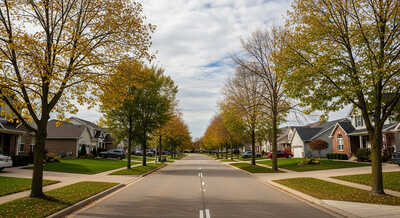
Water spreads through drywall, subfloor, and framing within minutes, and smoke residues start etching into surfaces within hours. In Marion, Iowa, the difference between a targeted repair and a gutted room often comes down to how fast mitigation begins.
Our restoration teams respond around the clock to residential and commercial properties across the Marion and Cedar Rapids corridor, handling every phase from extraction through reconstruction.
- Water Damage Restoration - extraction, structural drying, moisture mapping, and monitoring of walls, cabinetry, and flooring after supply line breaks, appliance failures, or roof leaks.
- Flooded Basement Cleanup - pump-out, saturated material removal, dehumidification, and treatment of below-grade spaces after sump pump failure or groundwater intrusion.
- Sewage Cleanup - containment, removal of contaminated porous materials, antimicrobial application, and sanitizing after floor drain and sanitary line backups.
- Fire Damage Restoration - stabilization, debris removal, soot cleaning, content handling, and coordinated rebuild work.
- Smoke Damage Restoration - residue removal from framing and finishes, HVAC cleaning, thermal fogging, and odor neutralization.
- Mold Removal - containment barriers, negative air machines, HEPA filtration, and removal of colonized building materials.
Key benefits for Marion property owners include reduced secondary damage, documented moisture readings for insurance claims, and one team managing mitigation through repairs.
Common Damage Restoration Issues in Marion, Iowa
Marion sits in the Indian Creek and Cedar River watershed, where clay-heavy soils shed rainfall toward foundations rather than absorbing it. Combine that with hard freezes and humid summers, and local properties see a predictable set of problems.
Frequent Causes of Loss
- Frozen and burst supply lines in crawlspaces, garages, and exterior walls during January cold snaps
- Sump pump failures during spring thunderstorms, especially in walkout basements along sloped lots
- Sanitary sewer and floor drain backups when heavy rain overwhelms combined stormwater capacity
- Water heater, washing machine, and dishwasher supply hose failures in homes with original fixtures
- Kitchen grease fires, furnace puff-backs, and space heater incidents during heating season
- Attic and crawlspace mold from poor ventilation and elevated summer dew points
Warning Signs to Watch For
- Musty odors that intensify after rain or when the HVAC system cycles
- Efflorescence, white chalky staining, or dark rings along basement block walls
- Buckled hardwood, cupping laminate, or baseboards separating from drywall
- Persistent smoke odor returning on humid days after a small fire was cleaned up
- Gurgling floor drains or slow basement fixtures signaling a sewer line issue
- Unexplained allergy symptoms, condensation on windows, or peeling paint near ceilings
Catching any of these early usually keeps a mitigation project from turning into a full reconstruction.
Neighborhoods We Serve in Marion
Our crews cover all of Marion and the surrounding Linn County communities, with response coverage available at any hour.
- Uptown Marion and the historic district near 7th Avenue
- Indian Creek Nature Center corridor and adjacent subdivisions
- Boyson Road and Alburnett Road corridors
- Echo Hill, Legion Park, and Willowood areas
- Tower Terrace Road and northern growth developments
- Lindale and East Cedar Rapids border neighborhoods
- Surrounding communities including Hiawatha, Robins, Center Point, Springville, Mount Vernon, Center Junction, and Cedar Rapids
Knowing local street layouts, older sewer infrastructure in Uptown, and newer construction north of Tower Terrace lets our technicians arrive prepared with the right equipment for each property type.
Seasonal Damage Patterns in Marion
Eastern Iowa's swing between deep cold and heavy humidity drives a fairly consistent yearly cycle of restoration calls.
- December through February - burst pipes, ice damming along north-facing eaves, furnace puff-backs, chimney fires, and holiday cooking fires. Smoke damage calls peak during heating season.
- March and April - snowmelt combined with saturated clay soil pushes groundwater into basements. Sump pump overload and foundation seepage dominate.
- May through July - severe thunderstorms and derecho-type wind events bring roof damage, wind-driven rain, and sanitary sewer backups when storm volume spikes.
- July through September - high dew points and heavy air conditioning use trigger mold growth in basements, crawlspaces, and behind vinyl wall coverings. Condensation-related issues climb sharply.
- October and November - clogged gutters from leaf fall cause overflow at foundations, while first furnace startups reveal cracked heat exchangers and produce soot events.
Scheduling gutter cleaning in late October and testing the sump pump in early March addresses two of Marion's most common seasonal triggers.
Housing Characteristics & Restoration Considerations
Marion's housing stock spans more than a century, and each era brings its own restoration challenges.
Older Homes (Pre-1960)
- Uptown-area homes often feature plaster and lath, which holds water longer than drywall and requires extended drying cycles
- Stone and unreinforced block foundations allow lateral seepage during wet springs
- Galvanized supply piping is prone to pinhole leaks inside wall cavities
- Balloon framing lets water and smoke travel vertically between floors and into attics
- Potential asbestos in floor tile, mastic, and pipe wrap requires testing before demolition
Mid-Century and 1970s-1990s Homes
- Finished basements with paneling, carpet pad, and framed walls trap moisture behind finishes
- Original water heaters and cast iron drain lines near end of service life
- Limited attic ventilation contributes to sheathing mold and ice damming
Newer Construction (2000s Onward)
- Tight building envelopes hold humidity in, accelerating mold growth after unaddressed leaks
- Engineered wood flooring and OSB subfloor swell quickly and often need replacement rather than drying
- Walkout basements along sloped north Marion lots face grading and window well intrusion issues
- Open floor plans allow smoke residues to spread across an entire level in minutes
Our technicians adjust drying strategy, containment design, and material removal decisions based on the construction type in front of them rather than applying one approach everywhere.
Environmental Conditions & Damage Implications
Local climate and ground conditions shape how damage behaves inside Marion properties.
Climate
- Humid continental climate with summer dew points regularly in the upper 60s and 70s
- Roughly 35 to 40 inches of annual precipitation, much of it in intense spring and summer storms
- Winter lows well below zero, creating freeze-thaw cycling that cracks foundations and splits pipes
- Rapid temperature swings that produce condensation on cold surfaces and inside wall cavities
Soil and Groundwater
- Glacial till and clay-rich loam with slow drainage, holding water against foundation walls
- Expansive clay that shifts seasonally, opening hairline cracks in basement floors and walls
- Proximity to Indian Creek and the Cedar River keeps water tables high in low-lying areas
- Hydrostatic pressure that forces water through cove joints even without visible cracks
Air Quality and Indoor Implications
- Elevated summer humidity means an untreated wet basement can grow visible mold in a matter of days
- Seasonal agricultural dust and pollen load HVAC filters, worsening circulation of smoke particulate after a fire
- Hard water common to eastern Iowa leaves scale that shortens the life of water heaters and supply valves
- Radon-prone geology in Linn County means basement containment work should account for sub-slab air movement
These conditions are why dehumidification and moisture verification matter as much as extraction on nearly every Marion project.
24/7 Emergency Response for Marion Properties
Restoration emergencies rarely happen at a convenient hour. Pipes burst at 3 a.m. during a January cold snap, and sewer backups hit during the middle of a Saturday night thunderstorm. Our Marion coverage runs 24 hours a day, every day of the year.
What Happens When You Call
- Immediate intake - a live team member gathers property details, damage type, and safety concerns, then dispatches a crew.
- Rapid arrival - technicians roll with extraction units, air movers, dehumidifiers, HEPA filtration, and containment materials already loaded.
- Safety and source control - electrical hazards addressed, water source stopped, and structural stability confirmed before work begins.
- Inspection and documentation - moisture meters, thermal imaging, and photo records establish the scope for your insurance carrier.
- Mitigation - extraction, contaminated material removal, antimicrobial application, and equipment placement for structural drying.
- Daily monitoring - readings tracked and equipment adjusted until materials return to dry standard.
- Restoration - drywall, flooring, paint, cabinetry, and full reconstruction as needed.
Steps to Take Before Crews Arrive
- Shut off the main water valve if a supply line has failed
- Keep everyone out of standing water near outlets or panels
- Stay clear of any area affected by sewage until containment is set
- Do not touch or wipe soot-covered surfaces - it drives residue deeper into finishes
- Photograph visible damage for your claim before anything is moved
- Move undamaged furniture and valuables to a dry area if it is safe to do so
We also coordinate directly with insurance adjusters serving Linn County, submitting moisture logs, photo documentation, and line-item scopes so your claim moves without unnecessary back-and-forth.





