
Damage Restoration in Keokuk, IA
- Damage Restoration Services Overview
- Common Damage Restoration Issues in Keokuk, Iowa
- Neighborhoods We Serve in Keokuk
- Seasonal Damage Patterns in Keokuk
- Housing Characteristics & Restoration Considerations
- Environmental Conditions & Damage Implications
- River Flooding, Sump Systems, and Basement Protection in Keokuk
Damage Restoration Services Overview
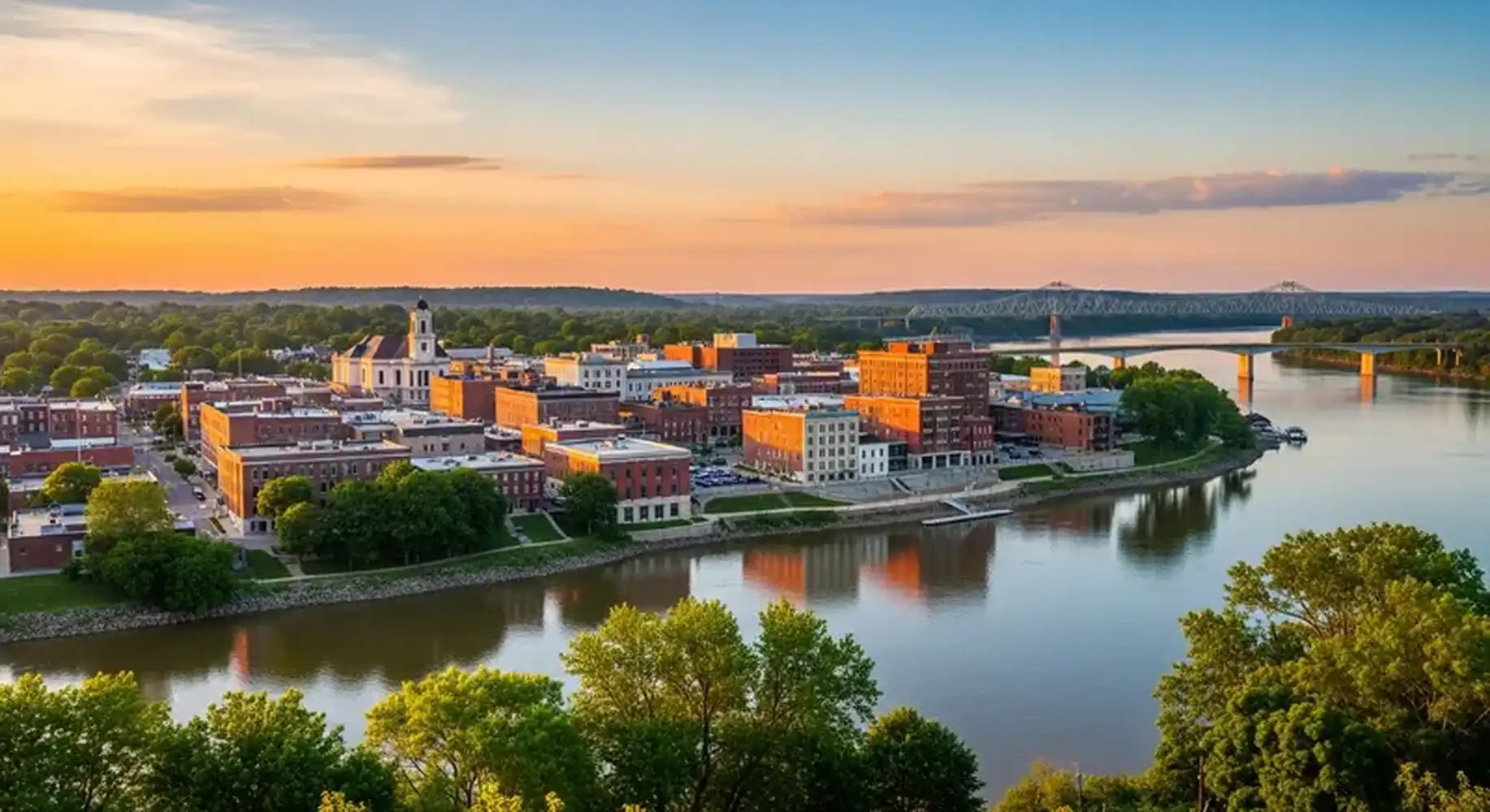
When water pours through a basement wall or smoke settles into every room, having a trained crew on the way changes everything. Professional restoration in Keokuk means damage stops spreading while your property gets documented, dried, and rebuilt the right way.
Our teams handle the full range of property emergencies across Lee County, with response available around the clock.
- Water Damage Restoration - extraction, moisture mapping, structural drying, and dehumidification after leaks, storms, or appliance failures
- Flooded Basement Cleanup - pumping standing water, drying foundation walls, and salvaging stored belongings
- Sewage Cleanup - removal of contaminated material, antimicrobial treatment, and safe disposal after backups or septic failures
- Fire Damage Restoration - debris removal, soot cleaning, structural stabilization, and reconstruction
- Smoke Damage Restoration - odor neutralization, HVAC cleaning, and treatment of walls, textiles, and contents
- Mold Removal - containment, air filtration, material removal, and correction of the moisture source
Benefits Keokuk property owners gain from a coordinated response:
- Less secondary damage to framing, drywall, and flooring
- Reduced risk of mold colonizing behind finished surfaces
- Thorough photo and moisture documentation for insurance claims
- One team managing cleanup through repair, so nothing falls through the cracks
Common Damage Restoration Issues in Keokuk, Iowa
Keokuk sits where the Des Moines River joins the Mississippi, and that river geography shapes nearly every restoration call we take. High water, saturated soils, and aging infrastructure combine to keep basements and crawl spaces at risk.
Local Causes We See Most
- Riverine flooding and high groundwater pushing through foundation cracks and cove joints
- Sump pump failures during extended spring rain events or power outages
- Combined and older sanitary lines backing up during heavy downpours
- Frozen and burst supply lines in unheated basements and older additions
- Roof and gutter overflow from ice dams driving water into wall cavities
- Chimney, space heater, and kitchen fires in homes with dated wiring or heating systems
- Hidden mold behind paneling, under carpet pad, and inside limestone-walled basements
Warning Signs Worth Acting On
- Musty odor in the basement or lower level that never fully clears
- Efflorescence, chalky white residue, or bubbling paint on foundation walls
- Buckling hardwood, cupped laminate, or soft spots in subfloor
- Slow drains on multiple fixtures, gurgling toilets, or floor drain backup
- Persistent smoke odor that returns when humidity rises or the furnace runs
- Recurring allergy symptoms that ease when you leave the house
Catching these early keeps a small drying job from turning into demolition and reconstruction.
Neighborhoods We Serve in Keokuk
Crews cover the full city and the surrounding river communities, with routing that accounts for flood-prone low-lying streets.
- Downtown Keokuk and the Main Street commercial corridor
- Riverfront District and areas near the lock and dam
- Rand Park and the North Bluff neighborhoods
- Southside Keokuk and adjacent residential blocks
- Estes Park, Grand Avenue, and Hilltop areas
- Neighborhoods near Keokuk High School and the medical center
Service also extends beyond city limits throughout Lee County and nearby communities:
- Montrose, Sandusky, and Galland
- Fort Madison and West Point
- Donnellson, Franklin, and Argyle
- Cross-river neighbors in Hamilton and Warsaw, Illinois, and Alexandria, Missouri
Rural properties on well and septic systems receive the same emergency coverage as in-town addresses.
Seasonal Damage Patterns in Keokuk
Restoration needs in Keokuk shift with the river and the calendar. Knowing what each season brings helps homeowners prepare.
Late Winter and Spring (February - May)
- Snowmelt and ice jams raise river and groundwater levels
- Peak season for flooded basements and sump pump overload
- Sewage backups climb as saturated ground stresses sanitary lines
- Thawing pipes reveal winter breaks, triggering water damage calls
Summer (June - August)
- Severe thunderstorms, straight-line winds, and roof-driven water intrusion
- High humidity fuels rapid mold growth in basements and crawl spaces
- Air conditioning condensate line clogs cause ceiling and closet leaks
- Lightning strikes and grill fires bring smoke damage work
Fall (September - November)
- Clogged gutters from leaf fall push water toward foundations
- First furnace and fireplace use exposes flue and wiring problems
- Ideal window for mold inspections and waterproofing repairs
Winter (December - January)
- Frozen and burst pipes in exterior walls and unheated spaces
- Ice dams forcing meltwater under shingles
- Space heater and holiday-related fire and smoke damage
Housing Characteristics & Restoration Considerations
Keokuk's housing stock skews older than the national average, with a strong share of homes built before 1950 and a notable cluster of late-1800s and early-1900s construction near downtown and the bluffs. That history affects every phase of restoration.
Construction Types Common Here
- Limestone and rubble-stone foundations that wick moisture and hold humidity
- Balloon-framed walls that let water and smoke travel between floors
- Plaster-and-lath interiors that dry slowly and trap odor particles
- Brick and masonry commercial buildings downtown with shared party walls
- Mid-century ranches with block basements and finished lower levels
- Newer subdivisions with poured walls, drain tile, and sump systems
How Age Shapes the Work
- Moisture meters and thermal imaging locate water hidden behind plaster before demolition begins
- Stone foundations often need extended drying with targeted airflow and desiccant equipment
- Pre-1980 materials get tested for asbestos and lead before removal in fire or flood jobs
- Smoke restoration includes sealing porous plaster and cleaning old ductwork thoroughly
- Sewage cleanup in low basements may require removing built-in shelving and floor coverings entirely
- Mold remediation addresses the original moisture path, not just the visible growth
Older homes reward patience. Rushing the drying phase in a plaster-and-stone house is how repeat mold problems start.
Environmental Conditions & Damage Implications
Keokuk's humid continental climate delivers hot, sticky summers and cold winters, with roughly 36 inches of annual precipitation and meaningful snowfall. Those swings put constant stress on building envelopes.
Climate Factors
- Summer dew points regularly push indoor humidity past the 60 percent mold threshold
- Freeze-thaw cycles widen foundation cracks year after year
- Spring storm systems can drop several inches of rain in a single event
- Winter cold snaps drive pipe freezing in poorly insulated exterior walls
Soil and Water Conditions
- Clay-heavy Midwestern soils drain slowly and hold water against foundations
- Shallow limestone bedrock limits infiltration and raises hydrostatic pressure
- High river-influenced groundwater near the Mississippi and Des Moines confluence
- Hard mineral water leaves scale that shortens the life of supply lines and water heaters
Air Quality Implications
- Seasonal pollen and agricultural dust load HVAC filters, worsening post-fire particulate spread
- Tight, weatherized homes trap smoke odor and mold spores without mechanical ventilation
- Basement humidity feeds mold on stored cardboard, fabric, and untreated wood
Restoration plans here account for the environment, not just the incident. Drying targets, containment, and dehumidification are set with local humidity and soil moisture in mind so the repair holds.
River Flooding, Sump Systems, and Basement Protection in Keokuk
Living near the Mississippi and Des Moines rivers means basement water is a recurring reality rather than a rare event. Keokuk residents who plan ahead recover faster and spend less time displaced.
What Happens During a Flooded Basement Response
- Safety check for electrical hazards, gas appliances, and contamination category
- Extraction of standing water with truck-mounted and portable pumps
- Removal of saturated carpet, pad, and unsalvageable contents
- Controlled demolition of wet drywall and insulation to the appropriate flood cut
- Antimicrobial application if the water carried sewage or river contaminants
- Placement of air movers and dehumidifiers with daily moisture readings
- Clearance verification, then reconstruction of removed materials
Preventive Steps That Pay Off Here
- Install a battery backup or water-powered secondary sump pump
- Add a backwater valve to guard against sanitary sewer backup
- Test the primary sump pump each spring before the wet season
- Extend downspouts at least six feet from the foundation
- Regrade soil so it slopes away from the house on all sides
- Store valuables on shelving raised above the floor, never in cardboard
- Seal visible foundation cracks and monitor them for movement
Why Speed Matters
- Mold can begin establishing within a day or two of saturation
- River and sewage water carries bacteria requiring category-three protocols
- Prolonged moisture warps subfloor and delaminates engineered flooring
- Early documentation strengthens flood and homeowner insurance claims
Emergency crews are available 24/7 in Keokuk, because a basement filling at 2 a.m. cannot wait for business hours.





