Damage Restoration in Harrison County, WV
- Damage Restoration Services Overview
- Common Damage Restoration Issues in Harrison County, West Virginia
- Neighborhoods We Serve in Harrison County
- Seasonal Damage Patterns in Harrison County
- Housing Characteristics & Restoration Considerations
- Environmental Conditions & Damage Implications
- Documentation, Insurance Coordination, and Clear Communication for Harrison County Property Owners
Damage Restoration Services Overview
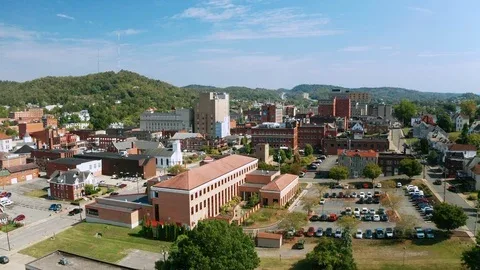
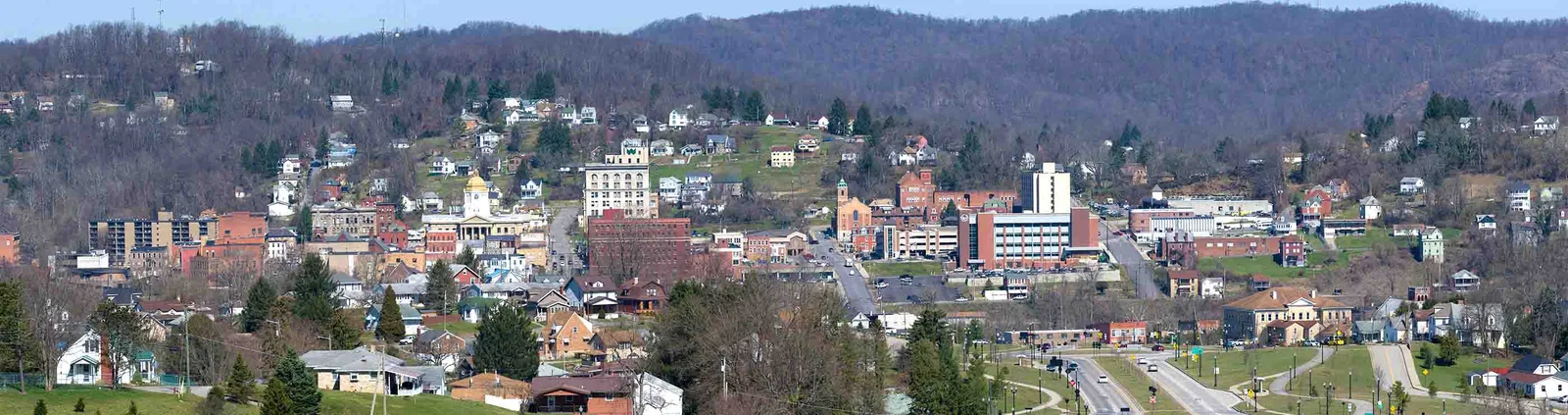
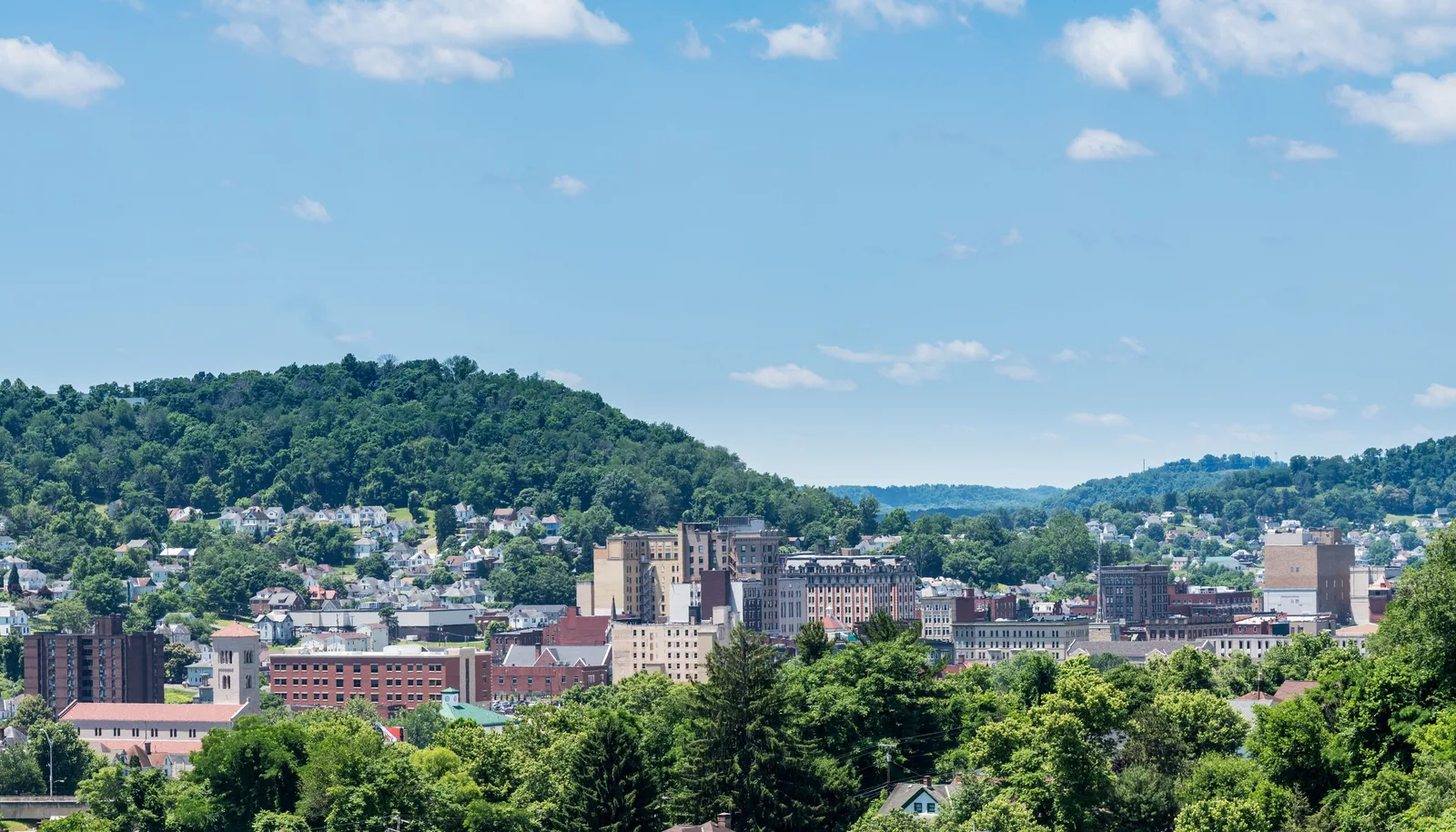
Harrison County sits in the folds of north-central West Virginia's Appalachian terrain, where hillside drainage, aging municipal sewer lines, and freeze-thaw cycles create damage patterns unlike those in flatter parts of the state. Water moves downhill fast here, and it collects in the lowest point of a property - usually a basement or crawl space.
Restoration work in Clarksburg, Bridgeport, Shinnston, and the surrounding communities has to account for that topography from the first inspection forward.
- Water Damage Restoration - extraction, structural drying, and moisture mapping after burst pipes, appliance failures, and roof leaks
- Flooded Basement - pumping, dehumidification, and treatment of block foundations, sump pit failures, and hydrostatic seepage
- Sewage Cleanup - containment and disinfection following backups, septic overflows, and combined-sewer surcharges
- Fire Damage Restoration - debris removal, structural stabilization, and content recovery after residential and commercial fires
- Smoke Damage Restoration - soot removal, thermal fogging, HVAC cleaning, and odor neutralization
- Mold Removal - containment, HEPA filtration, and removal of contaminated porous materials
The benefit of coordinated service is simple: one team documents the loss, dries the structure, and addresses secondary problems like mold before they take hold. That continuity matters most in older Harrison County housing stock, where hidden cavities hold moisture long after visible surfaces feel dry.
Common Damage Restoration Issues in Harrison County, West Virginia
Flash flood warnings are issued regularly for northeastern Harrison County and neighboring eastern Doddridge County. Narrow hollows funnel runoff into creeks that rise quickly, and homes near the West Fork River and Simpson Creek feel it first.
Leading Causes of Property Damage Locally
- Flash flooding from heavy convective storms and rapid snowmelt
- Hydrostatic pressure pushing groundwater through block foundation walls
- Frozen and burst supply lines in unheated crawl spaces and older additions
- Sewer backups when aging clay laterals surcharge during downpours
- Foundation settling and cracking on clay-heavy Appalachian soils
- Chimney, wood stove, and space heater fires during long heating seasons
- Roof and gutter failures that drive water into wall cavities
Warning Signs Worth Acting On
- Efflorescence - white chalky residue - on basement block walls
- A persistent musty odor that intensifies after rainfall
- Buckled hardwood, cupped laminate, or tack strips lifting from subfloor
- Slow floor drains or gurgling from fixtures when appliances discharge
- Yellow-brown ceiling staining beneath bathrooms or roof valleys
- Soot film reappearing on walls after cleaning, signaling residue in ductwork
- Visible mold at the base of drywall, behind furniture, or under carpet padding
Small signals escalate fast. A damp corner in April becomes a mold remediation project by June if the underlying moisture source is never identified.
Neighborhoods We Serve in Harrison County
Crews cover the full county and adjacent communities, including rural properties on gravel access roads.
- Clarksburg - Glen Elk, Broad Oaks, Stealey, Adamston, and North View
- Bridgeport - Charles Pointe, Meadowbrook, and Johnson Avenue corridors
- Shinnston, Lumberport, and Enterprise - West Fork River valley communities
- Nutter Fort and Stonewood - older residential blocks near Elk Creek
- Salem, West Milford, and Wallace - western Harrison County
- Anmoore, Despard, Wilsonburg, and Mount Clare
- Spelter, Gypsy, Hepzibah, and Big Elm - northern river communities
Service extends into surrounding areas of Doddridge, Taylor, Barbour, Lewis, and Marion counties. Response routing follows I-79, US-50, and Route 19 so equipment reaches both city neighborhoods and outlying hollows.
Seasonal Damage Patterns in Harrison County
Winter (December - February)
- Frozen pipe ruptures in crawl spaces, garages, and vacant properties
- Peak heating-season fire and smoke damage from flues and portable heaters
- Ice damming along north-facing roof edges
Spring (March - May)
- Snowmelt plus saturated ground drives flooded basement calls to their annual peak
- Sump pump burnout during sustained rainfall
- Sewage backups when stormwater overloads older lateral lines
Summer (June - August)
- Flash flooding from fast-moving thunderstorms in the hollows
- Mold growth accelerates as humidity stays high and basements stay cool
- Air conditioning condensate line clogs damaging ceilings below
Fall (September - November)
- Clogged gutters from heavy leaf drop redirecting water to foundations
- Remnant tropical systems delivering multi-inch rainfall totals
- First furnace and chimney fires as heating equipment restarts
Mold remediation requests trail water events by four to eight weeks, which is why post-flood drying verification carries so much weight.
Housing Characteristics & Restoration Considerations
Harrison County's housing stock skews older than the national median. Much of Clarksburg, Nutter Fort, and Shinnston was built during the coal, glass, and gas boom years of the early twentieth century, with substantial mid-century additions in Bridgeport and Anmoore.
Common Construction Types
- Early 1900s brick and wood-frame homes with stone or unreinforced block foundations
- Post-war ranches with poured basements and finished lower levels
- Hillside builds with walkout basements and daylight foundation walls
- Manufactured and modular homes on rural parcels
- Converted commercial and mixed-use buildings downtown
How Age Affects Restoration Work
- Plaster and lath holds water far longer than drywall and needs injection drying or controlled removal
- Balloon framing lets water and smoke travel vertically between floors through open wall cavities
- Asbestos and lead-based materials in pre-1980 homes require testing before demolition begins
- Cast iron and clay drain lines corrode and root-intrude, raising sewage backup risk
- Foundation cracks and settling - a documented issue across the county - create recurring seepage points
- Knob-and-tube or aged wiring contributes to electrical fires and must be evaluated during fire rebuilds
Finished basements deserve special attention. Carpet padding, paneling, and framed-out block walls trap moisture invisibly, so drying plans include cavity inspection rather than surface readings alone.
Environmental Conditions & Damage Implications
The county receives roughly 45 inches of precipitation annually, spread across every month with no true dry season. Combined with humid summers and cold winters, that creates near-year-round conditions for moisture problems.
Climate and Soil Factors
- Freeze-thaw cycling - repeated expansion widens foundation and mortar cracks each winter
- Clay-rich Appalachian soils - poor percolation holds water against foundation walls
- Steep grades - runoff concentrates at the uphill side of hillside homes
- Summer dew points - regularly in the 60s, keeping indoor humidity elevated without dehumidification
- Shallow bedrock - limits drainage depth and forces water laterally toward structures
Implications for Each Service
- Water damage: drying targets must account for high ambient humidity, not just wet materials
- Flooded basements: exterior grading and drainage correction prevent repeat losses
- Sewage cleanup: saturated ground raises groundwater infiltration into sewer systems
- Fire and smoke: valley air stagnation and temperature inversions slow odor dissipation
- Mold removal: cool basements plus humid air create ideal growth conditions from May through September
Historic industrial activity - glass, coal, and zinc - also means some older properties carry legacy contaminants in soil and building materials. Testing before aggressive demolition protects occupants and crews alike.
Documentation, Insurance Coordination, and Clear Communication for Harrison County Property Owners
Restoration goes wrong most often when nobody explains what is happening. Clear documentation from the first walkthrough protects the property owner and speeds insurance decisions.
What a Transparent Process Looks Like
- Initial assessment - moisture readings, thermal imaging, and photographs of every affected area, taken before equipment is placed
- Written scope - a plain-language explanation of which materials are salvageable and which must be removed, and why
- Category and class determination - clarifying whether water is clean, gray, or sewage-contaminated, since that drives the entire response
- Daily monitoring logs - recorded temperature, relative humidity, and material moisture readings shared with the homeowner
- Verification of dry standard - confirmation that materials match unaffected reference points before drying equipment is pulled
- Post-remediation clearance - independent verification following mold removal when scope warrants it
Questions Harrison County Homeowners Should Ask
- Will you provide the moisture readings in writing, not just verbally?
- What is the plan if drying stalls behind plaster or paneling?
- Who communicates directly with my adjuster, and what documentation goes to them?
- Is duct and HVAC cleaning included in the smoke damage scope?
- What containment method keeps mold spores or soot from spreading to unaffected rooms?
West Virginia policies vary widely in how they treat groundwater seepage versus sudden pipe failure. Knowing which category a loss falls into early prevents surprises later, and honest guidance about coverage limits builds more trust than optimistic promises.
Rural properties with septic systems, private wells, and long driveways add logistical considerations. Discussing access, water source contamination, and equipment power needs upfront keeps the project on schedule.