Damage Restoration in Cabell County, WV
- Damage Restoration Services Overview
- Common Damage Restoration Issues in Cabell County, West Virginia
- Neighborhoods We Serve in Cabell County
- Seasonal Damage Patterns in Cabell County
- Seasonal Damage Patterns in Cabell County
- Housing Characteristics & Restoration Considerations
- Environmental Conditions & Damage Implications
- Modern Drying Technology for Cabell County's Hillside and Riverfront Homes
Damage Restoration Services Overview
You come home from a weekend away in Barboursville and hear water running where no water should be. A supply line behind the washing machine let go on Friday night, and the basement has been filling ever since. The clock started ticking hours ago.
Cabell County properties face damage from several directions - Ohio River backwater, mountain runoff along the ridges, aging cast iron sewer laterals, and winter heating equipment that works hard from November through March. Restoration work here covers a connected set of services:
- Water damage restoration - extraction, structural drying, and moisture verification after burst pipes, appliance failures, and roof leaks
- Flooded basement recovery - pumping standing water, drying block and stone foundation walls, and salvaging contents
- Sewage cleanup - safe removal of Category 3 contamination from backups, lateral failures, and septic overflow
- Fire damage restoration - structural stabilization, debris removal, and rebuilding after kitchen, electrical, and heating fires
- Smoke damage restoration - soot removal from surfaces, HVAC decontamination, and odor neutralization
- Mold removal - containment, affected material removal, and correction of the moisture source
Fast response protects hardwood floors, drywall, framing, and personal belongings. Delay turns a manageable drying job into demolition and reconstruction.
Common Damage Restoration Issues in Cabell County, West Virginia
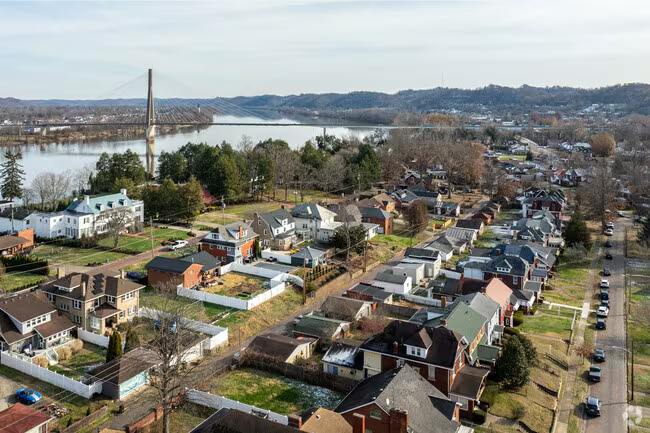
Terrain drives much of the damage pattern here. Neighborhoods like Pea Ridge sit in an Appalachian setting where water moves downhill fast and collects against foundations rather than spreading across flat ground the way it does in lowland West Virginia communities.
Frequent Causes We Respond To
- Hillside runoff overwhelming footing drains and window wells during heavy spring rain
- Sump pump failure during multi-day storm events or power outages
- Frozen and burst supply lines in crawl spaces and unheated garages
- Sanitary sewer backups where combined and aging municipal lines surcharge
- Water heater tank ruptures in finished basements and utility closets
- Kitchen grease fires and space heater ignitions during cold months
- Chimney and flue fires in older homes with masonry heating systems
- Hidden mold behind bathroom tile, under vinyl flooring, and inside wall cavities
Warning Signs Worth Acting On
- Musty odor that intensifies after rainfall or when the HVAC runs
- Efflorescence - white chalky residue - on block basement walls
- Cupping, crowning, or darkening of hardwood planks
- Drywall that feels soft, cool, or shows tape seams pulling loose
- Gurgling floor drains or slow tub drainage across multiple fixtures
- Yellow-brown staining on ceilings below bathrooms or roof valleys
- Lingering smoke odor that returns on humid days after a small fire
Any of these signals warrants moisture mapping before cosmetic repairs get made.
Neighborhoods We Serve in Cabell County
Crews cover the full county and the surrounding Tri-State corridor.
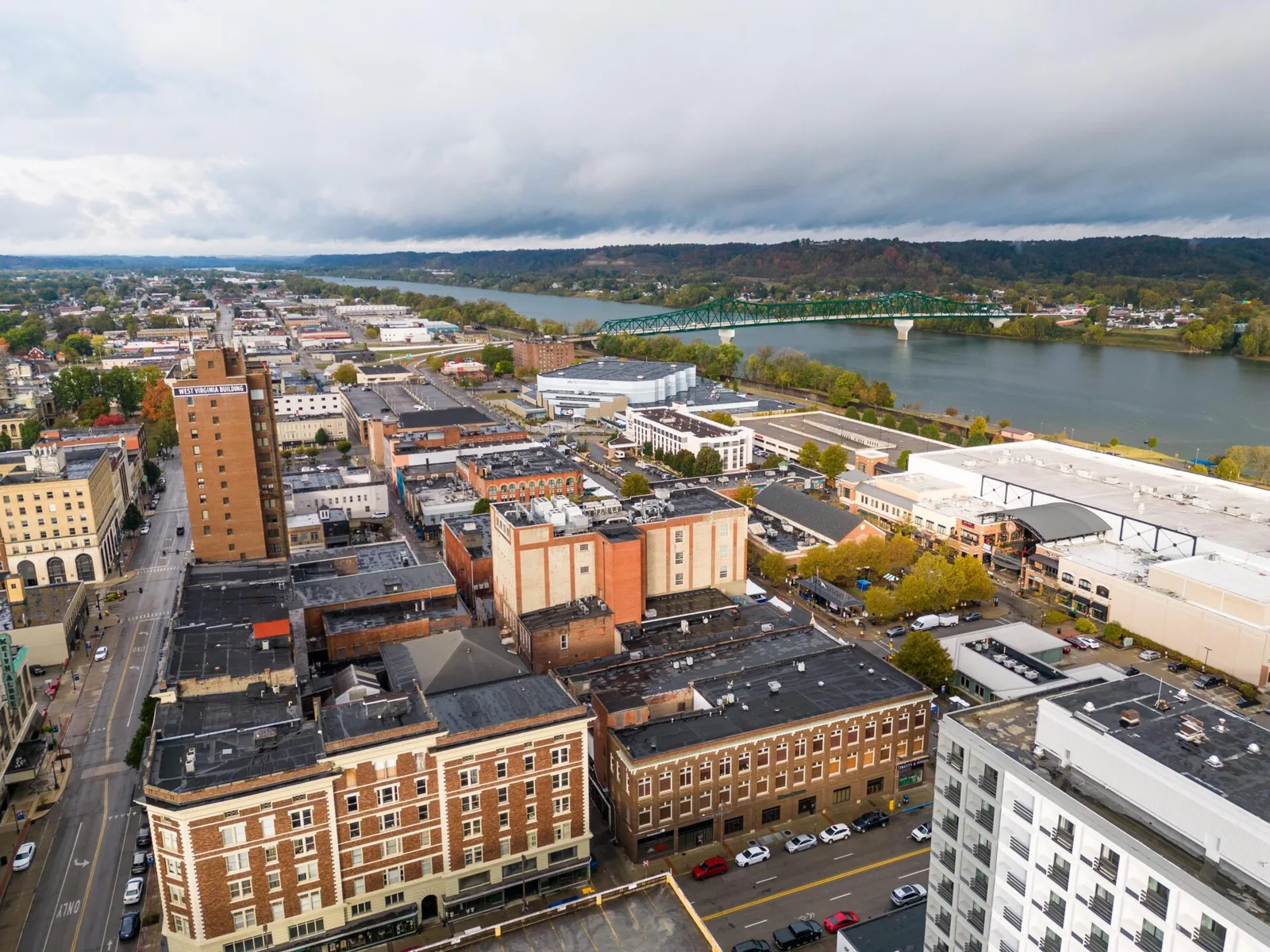
- Huntington - Downtown, Old Central City, Southside, Highlawn, Westmoreland, Guyandotte, Enslow Park, Ritter Park, Walnut Hills
- Barboursville - Merritts Creek, Martha, and the Route 60 corridor
- Pea Ridge - hillside residential streets and the ridge developments
- Milton - including Ona and Mud River properties
- Culloden and the eastern county line
- Salt Rock, Lesage, Glenwood, and Cox Landing along the river
- Marshall University campus area rentals and student housing
We also reach nearby Wayne, Lincoln, and Putnam County communities, plus commercial properties along the I-64 and US 60 business corridors.
Seasonal Damage Patterns in Cabell County
Seasonal Damage Patterns in Cabell County
- January - February: Frozen pipe breaks peak. Unheated crawl spaces, exterior walls, and vacant rentals produce the highest volume of emergency water calls. Furnace puffbacks and heating-related fires also cluster here.
- March - April: Snowmelt combines with spring rain. Flooded basements, saturated crawl spaces, and sump pump failures dominate. Ohio and Guyandotte River levels rise.
- May - June: Thunderstorm season brings wind-driven rain, roof leaks, and lightning strikes. Sewer backups increase as heavy flows surcharge older lines.
- July - August: Humidity stays high. Mold growth accelerates in basements, attics, and behind cabinetry. Condensation on ductwork causes ceiling stains.
- September - October: Remnants of tropical systems occasionally track through, producing sustained rainfall and hillside runoff into lower-level living spaces.
- November - December: Heating systems restart. Smoke damage from dirty flues, holiday cooking fires, and space heaters rises sharply.
Mold remediation requests trail water events by roughly two to six weeks, which is why post-loss moisture verification matters year-round.
Housing Characteristics & Restoration Considerations
Cabell County housing skews older than the national average. Large portions of Huntington were built between 1900 and 1950, with post-war expansion filling in Barboursville and Pea Ridge through the 1960s and 1970s.
Construction Types and What They Mean
- Pre-1950 brick and wood frame homes - plaster over wood lath holds water far longer than drywall and often requires injection drying or controlled removal
- Stone and unreinforced block foundations - porous and prone to lateral seepage, demanding negative-pressure drying rather than surface dehumidification alone
- Balloon framing in older two-story homes - open wall cavities let water and smoke travel between floors with no fire stops
- Knob-and-tube or early wiring remnants - a fire risk and a hazard during demolition
- Crawl space construction common in Milton, Ona, and Salt Rock - vapor barrier condition drives mold outcomes
- Finished basements added decades after construction, often without proper drainage or moisture barriers
Restoration Adjustments for Older Stock
- Asbestos and lead paint screening before demolition on pre-1980 properties
- Hardwood floor rescue using mat drying systems instead of automatic replacement
- Sectional drywall removal to preserve original trim and millwork
- Duct cleaning after smoke events, since older gravity systems distribute soot widely
- Cast iron and clay sewer lateral inspection following any sewage backup
Most residential water losses here dry within three to five days. Jobs involving plaster, mold remediation, or structural repair typically run one to two weeks.
Environmental Conditions & Damage Implications
The county sits in a humid subtropical zone with roughly 40 to 45 inches of annual precipitation spread fairly evenly across the calendar. Summer dew points regularly climb into the upper 60s and low 70s.
Climate Factors
- Sustained summer humidity keeps indoor relative humidity above the 60 percent threshold where mold colonizes
- Freeze-thaw cycling from December through February stresses foundation walls and supply piping
- Valley temperature inversions trap smoke odor and particulate near ground level after fires
- Fog and stagnant air along the Ohio River slow natural evaporative drying
Soil, Water, and Terrain
- Clay-heavy Appalachian soils drain slowly and exert hydrostatic pressure against basement walls
- Steep hillside lots in Pea Ridge and Walnut Hills concentrate runoff toward downslope foundations
- River-adjacent alluvial soils in Guyandotte and Lesage carry higher groundwater tables
- Older combined sewer segments increase backup risk during intense rainfall
What This Means for Restoration
- Dehumidification loads run higher here than in drier climates - equipment counts must reflect that
- Sewage cleanup requires full antimicrobial treatment because river-basin backups carry heavy biological loads
- Smoke odor neutralization often needs hydroxyl or ozone treatment rather than ventilation alone
- Post-remediation clearance testing confirms mold levels match outdoor baselines before rebuild
Modern Drying Technology for Cabell County's Hillside and Riverfront Homes
Two very different water problems exist within a few miles of each other here. Ridge-top homes take on gravity-fed runoff that pushes through foundation joints under pressure. Riverfront and low-lying properties in Guyandotte, Lesage, and Cox Landing deal with rising groundwater and slow-receding saturation.
Equipment Matched to the Loss
- Truck-mounted and submersible extraction units that remove standing water before drying begins
- Low-grain refrigerant dehumidifiers sized for high-humidity Appalachian summers
- Desiccant dehumidification for cold-weather losses and dense materials like plaster and hardwood
- Air movers positioned by airflow calculation rather than guesswork
- Thermal imaging cameras that locate water behind finished basement walls without demolition
- Penetrating and non-penetrating moisture meters logged daily against dry standards
- Injectidry systems that push air into wall cavities, under cabinets, and beneath hardwood
- Negative air machines with HEPA filtration for mold containment and sewage work
- Hydroxyl generators and thermal fogging for smoke odor bound into porous materials
How a Response Typically Unfolds
- Arrival, safety assessment, and identification of the water or fire source
- Moisture mapping across affected and adjacent rooms, including subfloors
- Extraction or debris removal, with contaminated materials handled under containment
- Antimicrobial application on sewage and mold jobs
- Drying equipment placement with a documented plan
- Daily readings until materials hit dry standard
- Verification, then reconstruction and finish work
Documentation matters as much as the equipment. Daily moisture logs, photographs, and scope notes give insurance adjusters the record they need, which keeps claims moving instead of stalling mid-project.