Damage Restoration in Mercer County, WV
- Damage Restoration Services Overview
- Common Damage Restoration Issues in Mercer County, West Virginia
- Neighborhoods We Serve in Mercer County
- Seasonal Damage Patterns in Mercer County
- Housing Characteristics & Restoration Considerations
- Environmental Conditions & Damage Implications
- Flood Recovery and Rebuild: One Contractor From Extraction to Final Paint
Damage Restoration Services Overview
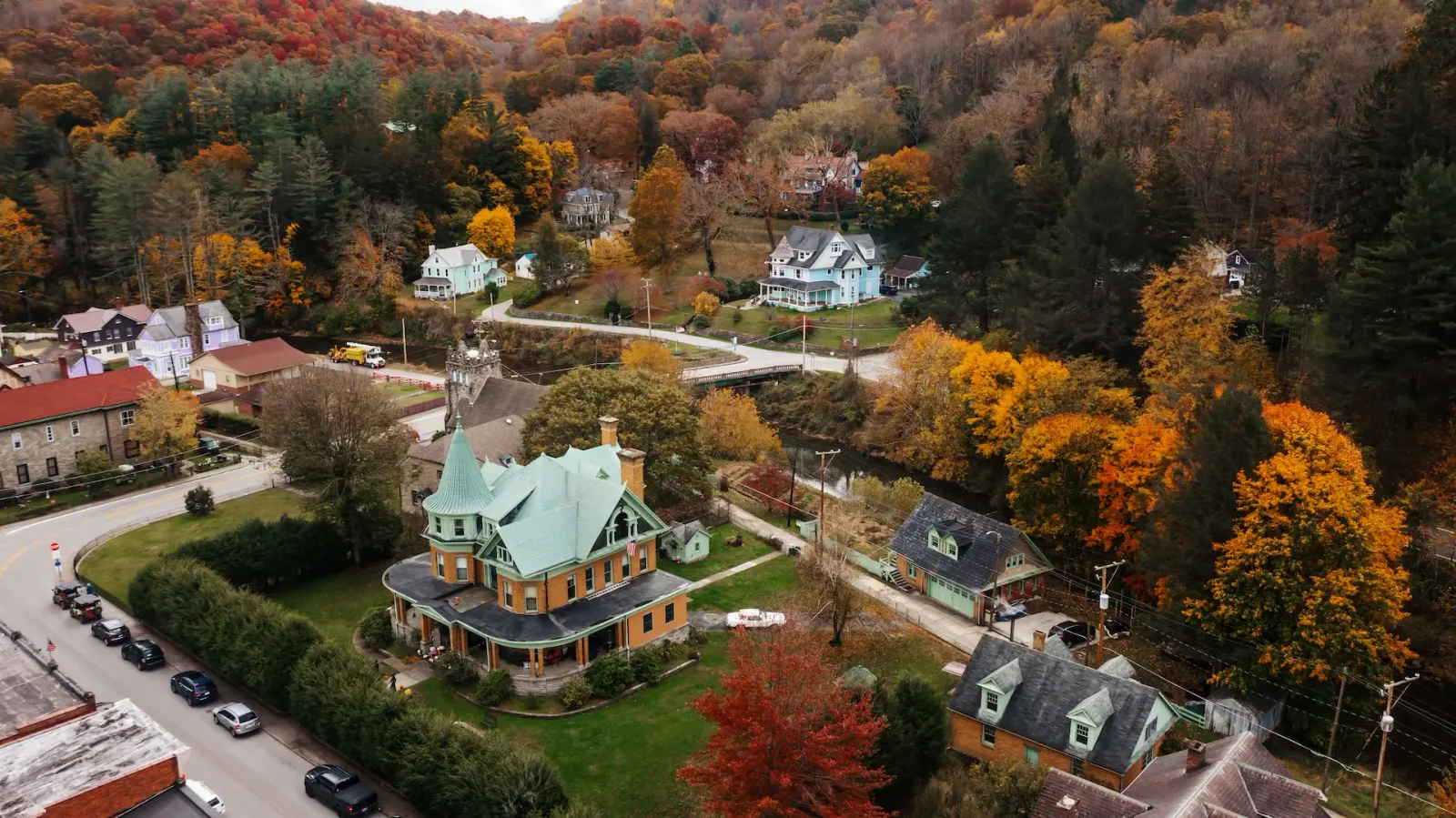
When water pushes through a basement wall in Princeton or smoke settles into every room of a Bluefield home, the first hours feel chaotic. Property damage rarely arrives on a convenient schedule, and the decisions that follow - what to save, what to tear out, who to call - come fast.
Mercer County property owners have access to a full range of mitigation and rebuild services, handled by IICRC-certified technicians who work in this region year-round:
- Water Damage Restoration - emergency extraction, structural drying, moisture mapping behind walls and under flooring
- Flooded Basement Cleanup - pump-out, contents removal, sanitizing of block and poured foundations
- Sewage Cleanup - containment, removal of contaminated materials, antimicrobial treatment of affected cavities
- Fire Damage Restoration - board-up, debris removal, structural cleaning and reconstruction
- Smoke Damage Restoration - soot removal, thermal fogging, HVAC cleaning, odor neutralization
- Mold Removal - containment barriers, HEPA filtration, removal of colonized materials, drying to prevent regrowth
The advantage for homeowners here is continuity. One licensed general contractor carries the job from the first extraction hose through drywall, insulation, trim, flooring, and the final coat of paint - no scrambling to find a separate rebuild crew weeks later.
Common Damage Restoration Issues in Mercer County, West Virginia
Mercer County sits in the mountainous southern coalfields, where steep terrain funnels rainfall into creeks and hollows quickly. That geography drives much of the damage local restoration crews respond to.
Recurring causes of loss across the county include:
- Flash flooding along the Bluestone River, Brush Creek, and smaller tributaries after heavy rain events
- Hillside runoff that overwhelms downspouts, window wells, and basement entries on sloped lots
- Frozen and burst supply lines in crawl spaces and unheated basements during January cold snaps
- Sewer backups when municipal lines in older sections of Princeton and Bluefield surcharge during storms
- Failed sump pumps and French drains in homes built before modern waterproofing standards
- Chimney, woodstove, and space heater fires during long heating seasons
- Kitchen grease fires that spread soot and odor far beyond the room of origin
The February flooding that struck Southern West Virginia hit Mercer County hard, with estimates of five hundred or more homes and businesses damaged - and surveys still incomplete a year later. Recovery work continues in several communities.
Warning signs worth acting on quickly:
- Musty odors in basements, closets, or under sinks that persist after ventilation
- Cupping hardwood, bubbling paint, or drywall that feels cool and soft near the floor
- Efflorescence - white chalky residue - on block foundation walls
- Sooty film on window glass or lampshades after a small fire
- Gurgling floor drains before or during rainfall
Neighborhoods We Serve in Mercer County
Coverage spans the full county, from the Virginia line to the Wyoming and Raleigh County borders. Crews respond to:
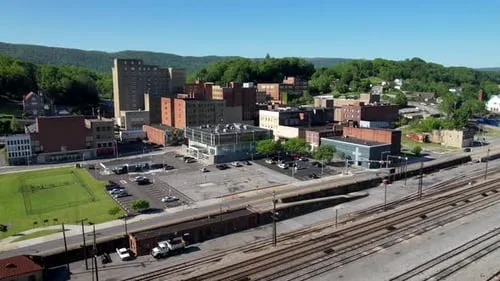
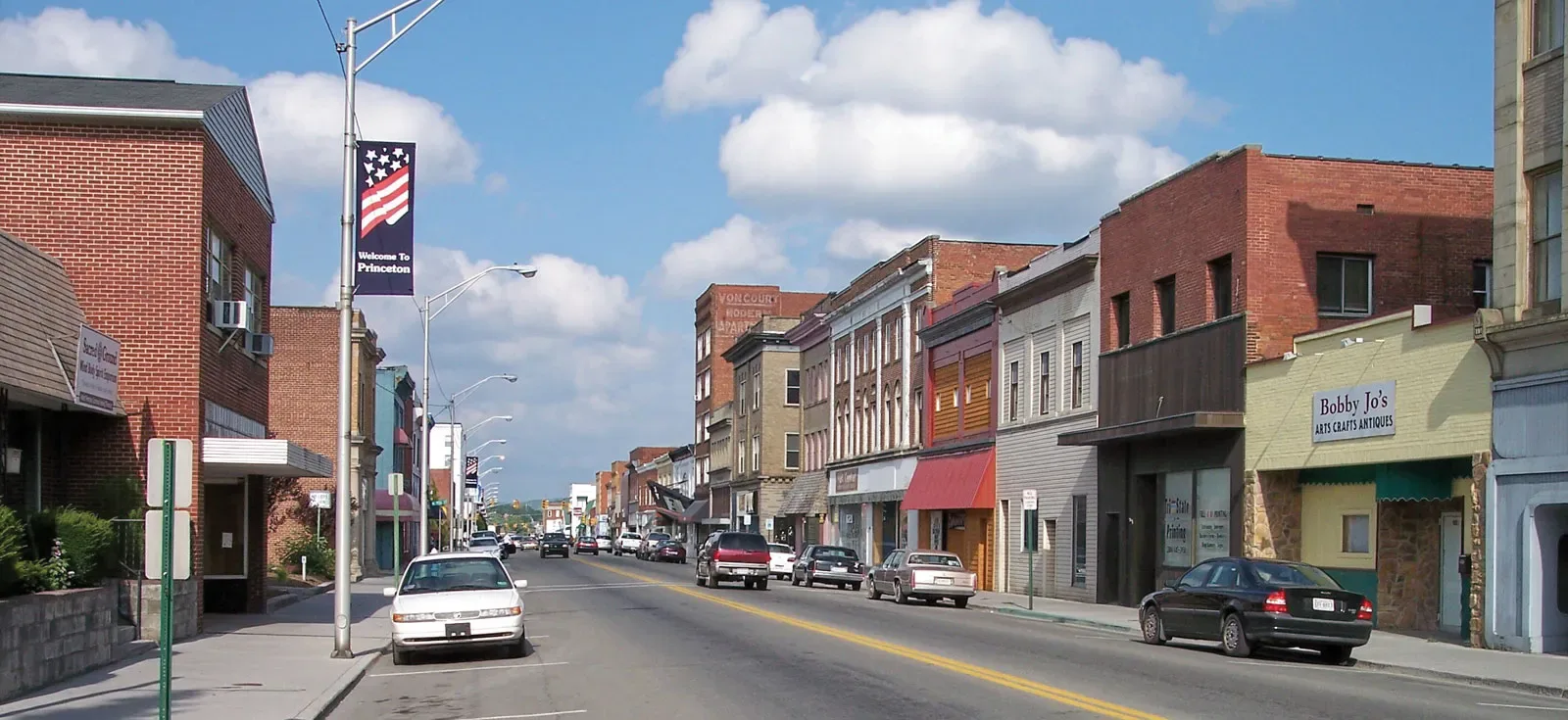
- Princeton - downtown, Thorn Street corridor, Glenwood Park, and surrounding subdivisions
- Bluefield - East River Mountain neighborhoods, Westside, and the historic district
- Bluewell, Green Valley, and Brushfork
- Athens and the Concord University area
- Oakvale, Lashmeet, Matoaka, and Montcalm
- Rock, Spanishburg, Nemours, and Ada
- Kegley, Camp Creek, and the Bluestone Lake vicinity
Rural addresses along secondary routes and hollow roads are served the same as in-town properties. Response teams stage equipment regionally so extraction and drying can begin the same day a call comes in, including nights, weekends, and holidays.
Seasonal Damage Patterns in Mercer County
Damage types shift predictably through the year in southern West Virginia:
- December through February - burst pipes, ice damming on low-slope roofs, chimney and heating-appliance fires, and mid-winter rain-on-snow flooding events
- March and April - snowmelt combined with spring rain saturates hillsides, driving groundwater into basements and crawl spaces
- May through July - thunderstorms with wind-driven rain cause roof leaks, ceiling collapses, and flash flooding along creeks
- July through September - peak humidity turns small unresolved leaks into active mold colonies within days
- September and October - remnants of tropical systems track inland, producing multi-inch rainfall and sewer surcharges
- November - first heating cycles ignite dust in dormant furnaces and flues, producing smoke and puffback damage
Sewage cleanup calls cluster with the heaviest rainfall months, when combined and aging municipal lines back up into floor drains. Mold work stays steady year-round but spikes six to ten weeks after major flooding, as homeowners discover growth behind baseboards and inside wall cavities that were never properly dried.
Housing Characteristics & Restoration Considerations
Much of Mercer County's housing stock predates 1970, with significant numbers of homes built during the coal and railroad boom of the early twentieth century. Construction style directly shapes how a restoration job unfolds.
- Stone and block foundations - porous, absorbent, and slow to dry; require extended dehumidification and often injection drying after basement flooding
- Plaster over wood lath - common in Bluefield and Princeton's older districts; holds water far longer than drywall and demands careful moisture readings before demolition decisions
- Balloon-framed walls - allow water, smoke, and odor to travel vertically between floors without obvious entry points
- Vented crawl spaces - a frequent source of ground moisture, insulation failure, and subfloor mold
- Hillside daylight basements - vulnerable to hydrostatic pressure and lateral seepage through the uphill wall
- Post-1990 subdivisions - finished basements with carpet, drywall, and framing that must come out quickly after any flooding event
- Manufactured homes - common in rural areas; belly wrap traps water and requires specialized drying access
Older homes may also contain asbestos-bearing floor tile, mastic, or pipe wrap, plus lead-based paint. Testing and proper handling protocols come before demolition. Knob-and-tube or early cloth-insulated wiring exposed during fire or water damage gets flagged for replacement during rebuild rather than patched around.
Environmental Conditions & Damage Implications
Mercer County averages roughly 40 to 45 inches of precipitation annually, distributed fairly evenly across the year with a summer maximum. Elevation ranges from about 1,600 to over 3,000 feet, producing cooler nights and heavy dew formation.
Conditions that influence restoration work here:
- High summer humidity - relative humidity frequently exceeds 70 percent, meaning ambient air alone will not dry a structure; commercial dehumidification is required
- Clay-heavy and shale-derived soils - drain slowly, hold water against foundation walls, and increase hydrostatic pressure after prolonged rain
- Steep grades and thin topsoil - runoff arrives fast and carries silt and organic debris into basements, complicating cleanup beyond simple water extraction
- Karst and limestone features in parts of the county - contribute unpredictable groundwater movement
- Private wells and septic systems in rural areas - flooding can contaminate both, elevating cleanup from Category 2 to Category 3 conditions
- Valley temperature inversions - trap smoke and combustion odors indoors longer after a fire
These factors combine to make thorough drying non-negotiable. A basement that looks dry after pumping may hold moisture in block cores, sill plates, and subfloor for weeks. Moisture meters, thermal imaging, and documented daily readings confirm when a structure has actually reached dry standard - not just when surfaces feel dry to the touch.
Flood Recovery and Rebuild: One Contractor From Extraction to Final Paint
A year after February floodwaters swept through Southern West Virginia, Mercer County families are still finishing repairs. Many of the delays trace back to a split process: one company dried the house, then the homeowner spent months finding a builder to put it back together.
Holding both a restoration certification and a general contractor license removes that gap. The same team that maps moisture on day one frames the wall, hangs the drywall, and rolls the last coat of paint.
A typical flood or major water loss follows this sequence:
- Emergency response - extraction of standing water, containment of contaminated areas, and safety assessment of electrical and structural conditions
- Controlled demolition - removal of saturated drywall, insulation, carpet pad, and non-salvageable contents, with documentation for the insurance file
- Sanitizing - antimicrobial application to framing and subfloor, critical where sewage or creek water was involved
- Structural drying - air movers and dehumidifiers placed by calculation, with daily moisture logs until materials meet dry standard
- Mold verification - inspection and, where warranted, third-party clearance testing before anything is closed up
- Reconstruction - insulation, drywall, flooring, trim, cabinetry, electrical and plumbing repairs, and paint
The same continuity applies to fire and smoke losses. Board-up and tarping stop weather intrusion, soot removal and odor treatment address the contamination, and rebuild restores the affected rooms - including HVAC cleaning so smoke odor doesn't return the first time the furnace runs.
Documentation matters as much as the labor. Photos, moisture readings, equipment logs, and scope notes are prepared in the format adjusters expect, which shortens claim review and keeps the rebuild moving instead of stalling in paperwork.