
Damage Restoration in Clarksburg, WV
- Damage Restoration Services Overview
- Common Damage Restoration Issues in Clarksburg, West Virginia
- Neighborhoods We Serve in Clarksburg
- Seasonal Damage Patterns in Clarksburg
- Housing Characteristics & Restoration Considerations
- Environmental Conditions & Damage Implications
- Working Through Insurance Claims After a Clarksburg Property Loss
Damage Restoration Services Overview
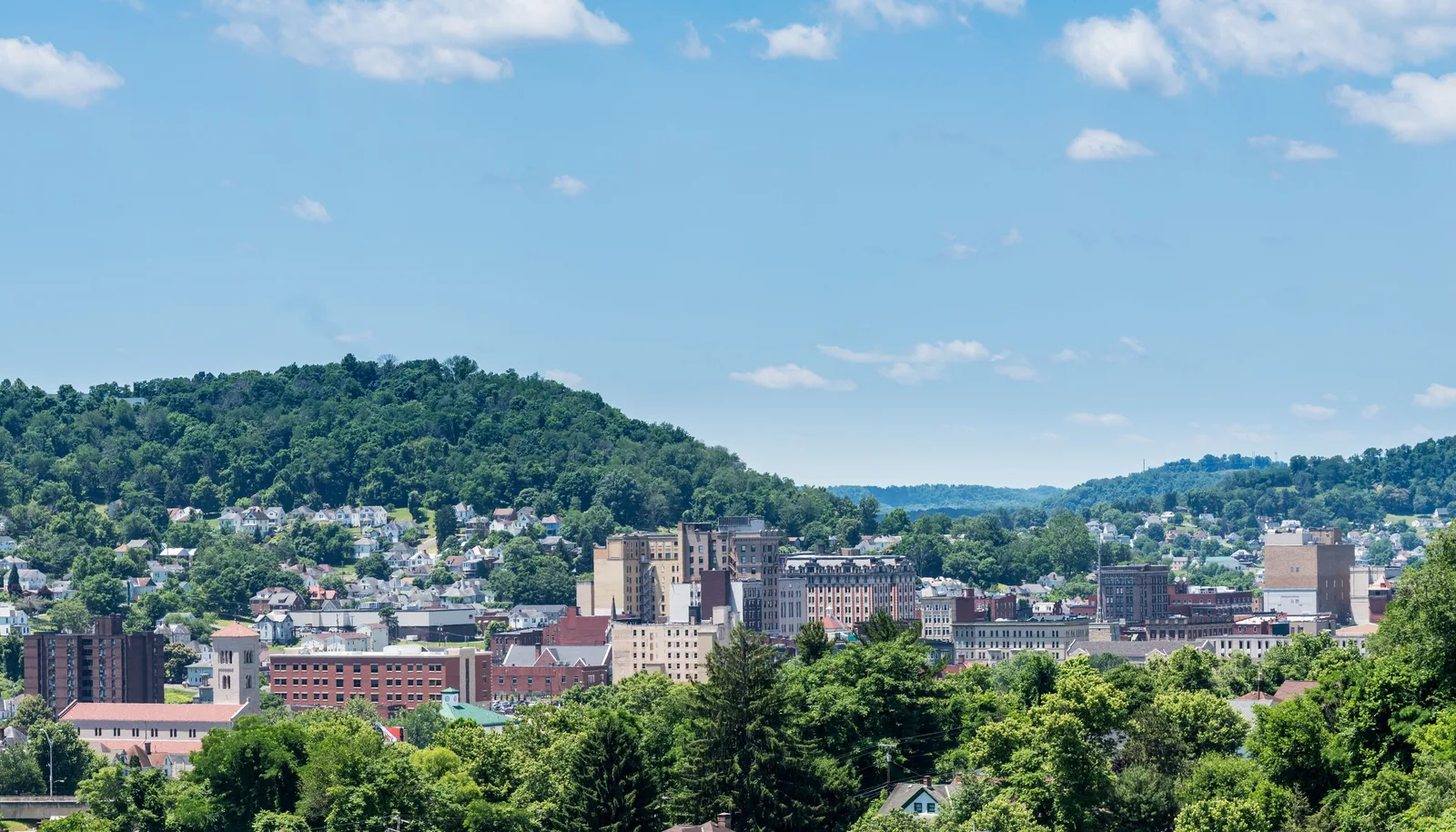
Clarksburg sits in a bowl-shaped valley where the West Fork River bends through Harrison County - a setting that gave the city its industrial history and also gives it a long memory of high water. Homes built on that floodplain, along with hillside properties fed by runoff from steep terrain, mean restoration calls here rarely follow a single pattern.
Property damage escalates fast. Water spreads through drywall and subfloor within hours, smoke residues become acidic and etch surfaces, and mold colonies establish themselves in dark cavities before anyone notices an odor.
- Water Damage Restoration - extraction, structural drying, moisture mapping, and monitoring until materials return to normal readings
- Flooded Basement - pump-out, contents triage, sanitizing of block and poured walls, and drying of below-grade spaces
- Sewage Cleanup - containment and removal of Category 3 contamination, disinfection, and safe disposal of porous materials
- Fire Damage Restoration - debris removal, structural stabilization, board-up, and rebuilding of damaged areas
- Smoke Damage Restoration - soot removal, thermal fogging, HVAC cleaning, and odor neutralization
- Mold Removal - containment barriers, HEPA filtration, affected material removal, and moisture source correction
The benefit for Clarksburg homeowners is straightforward: faster stabilization, less material loss, cleaner indoor air, and documentation that supports an insurance claim.
Common Damage Restoration Issues in Clarksburg, West Virginia
Harrison County's terrain, aging infrastructure, and humid continental climate combine to create recurring restoration problems.
Local Causes of Damage
- West Fork River backwater and flash flooding along low-lying streets and creek corridors like Elk Creek
- Hillside runoff pushing groundwater against foundation walls in neighborhoods built on slopes
- Older combined and clay sewer lines that surcharge during heavy rain, sending waste back through floor drains
- Sump pump failures during multi-day storms or power outages
- Frozen and burst supply lines in unheated crawl spaces during January cold snaps
- Chimney, flue, wood stove, and space heater fires during long heating seasons
- Kitchen grease fires that push smoke through entire floor plans
Warning Signs Worth Acting On
- Musty or earthy odors in basements, closets, or near baseboards - often the first indicator of hidden mold
- Efflorescence, white chalky staining, or bubbling paint on foundation walls
- Cupped, buckled, or spongy hardwood and laminate flooring
- Ceiling stains that darken or expand after rainfall
- Gurgling drains or slow floor drains before a sewage backup occurs
- Yellowed soot streaks above outlets, doorways, and HVAC registers after a small fire
- Smoke odor that returns when humidity rises or the furnace kicks on
Any of these signals a moisture or contamination source that will not resolve on its own. Delayed response turns a drying job into demolition and reconstruction.
Neighborhoods We Serve in Clarksburg
Restoration crews cover the full city and the surrounding Harrison County communities.
- Clarksburg city - Glen Elk, North View, Broad Oaks, Stealey, Adamston, Summit Park, Hartland, and the downtown business district
- Nearby communities - Nutter Fort, Stonewood, Anmoore, Despard, and Lumberport
- Harrison County - Bridgeport, Shinnston, Salem, West Milford, Wilsonburg, and Wallace
- Regional reach - Fairmont, Grafton, Philippi, Weston, Buckhannon, and Morgantown
Each area brings its own challenges. Glen Elk and low-lying riverfront parcels see flood and sewage events. Stealey and North View feature dense stock of early twentieth-century homes with stone and block basements prone to seepage. Bridgeport's newer subdivisions more often see appliance failures, supply line leaks, and finished basement flooding.
Seasonal Damage Patterns in Clarksburg
Winter (December - February)
- Burst pipes in crawl spaces, garages, and vacant properties
- Peak season for furnace, chimney, and space heater fires
- Puffback events from oil and gas furnaces spreading soot through ductwork
- Ice damming on low-slope roofs pushing water into wall cavities
Spring (March - May)
- Snowmelt combined with spring rain saturating soil and flooding basements
- Sewer surcharges and backups during sustained storms
- Mold growth accelerating as temperatures climb above 60 degrees
Summer (June - August)
- Severe thunderstorms with wind, hail, and roof leaks
- High humidity feeding mold in basements and closed-up crawl spaces
- AC condensate line clogs producing slow ceiling and wall leaks
- Lightning-related electrical fires
Fall (September - November)
- Remnants of tropical systems delivering heavy rainfall to the West Fork watershed
- Clogged gutters and downspouts directing water to foundations
- Early-season heating fires as fireplaces and stoves return to use
Housing Characteristics & Restoration Considerations
Clarksburg's housing stock skews old. A large share of homes date to the 1900 - 1950 boom years tied to glass, coal, and rail industry, with post-war ranches and a smaller band of newer construction in outlying areas.
What Local Construction Means for Restoration
- Stone and unreinforced block foundations - porous and prone to seepage, requiring longer drying cycles and antimicrobial treatment after flooding
- Balloon-framed walls - open cavities let water and smoke travel between floors, so moisture mapping and thermal imaging matter more than surface inspection
- Plaster and lath - holds moisture behind the surface and traps soot in its texture, often needing specialized cleaning rather than replacement
- Original hardwood over plank subfloor - salvageable with targeted mat drying if addressed quickly
- Cast iron and clay drain lines - failure points that lead to repeat sewage backups until the line is replaced
- Pre-1980 materials - floor tile, mastic, pipe wrap, and textured ceilings may require asbestos screening before demolition
- Knob-and-tube or early wiring remnants - a fire risk and a factor in scoping electrical repairs after a loss
Newer Homes Are Not Exempt
- Finished basements with carpet, drywall, and framing turn minor seepage into major loss
- Engineered flooring and OSB subfloor swell permanently once saturated
- Tight building envelopes trap humidity, feeding mold behind vapor barriers
Scoping the job around the actual construction type - not a generic template - determines whether materials are dried in place or removed.
Environmental Conditions & Damage Implications
Clarksburg averages roughly 43 inches of precipitation annually, spread across all twelve months, with summer relative humidity that regularly sits in the 70 - 80 percent range. That combination keeps organic building materials near the moisture threshold where mold thrives.
Site Conditions That Drive Damage
- Clay-heavy soils - drain slowly and swell when saturated, holding hydrostatic pressure against basement walls long after rain stops
- Steep hillside lots - concentrate surface runoff toward foundations and window wells
- Shallow bedrock - forces water laterally instead of downward, creating perched water tables
- Mine-influenced groundwater - iron and sulfur staining that complicates cleaning of flooded materials
- Valley inversions - trap smoke, particulates, and odors, slowing natural ventilation after a fire
Implications for Each Service
- Structural drying takes longer in humid conditions, so dehumidification capacity must be sized to the space and monitored daily
- Basement drying requires attention to the slab and block cores, not just visible surfaces
- Sewage events involving groundwater carry higher bacterial load and demand full Category 3 protocols
- Fire cleanup in valley locations relies on negative air machines and HEPA scrubbing rather than open-window ventilation
- Smoke odor bonds more stubbornly in humid air, making sealing and encapsulation part of the plan
- Mold remediation without correcting drainage, grading, or gutter discharge simply resets the clock
Working Through Insurance Claims After a Clarksburg Property Loss
Most Clarksburg homeowners find the paperwork nearly as stressful as the damage. Standard policies handle sudden and accidental events - a burst pipe, a fire, a windblown roof leak - while surface flooding from the West Fork or Elk Creek typically requires separate flood coverage. Knowing which category applies shapes the entire claim.
Steps to Take After Damage Occurs
- Address safety first - shut off water at the main, avoid standing water near energized circuits, and leave a fire-damaged structure until it is cleared
- Photograph and video everything before anything is moved or removed
- Notify your insurance carrier and record the claim number and adjuster contact
- Call a restoration contractor to begin emergency mitigation - most policies require reasonable steps to prevent further damage
- Keep receipts for temporary lodging, board-up, tarping, and replacement necessities
- Request a written scope of work and moisture documentation for your file
Documentation That Strengthens a Claim
- Daily moisture readings from affected materials showing progress toward dry standard
- Thermal images identifying water behind walls and under flooring
- Equipment logs listing air movers, dehumidifiers, and air scrubbers by location and duration
- Contents inventory separating salvageable items from total losses
- Air sampling or surface sampling results when mold is present
- Photos of soot patterns, smoke migration, and structural fire damage by room
Common Points of Friction
- Sewer backup coverage often sits on a separate endorsement with its own limit
- Mold coverage may be capped or excluded unless tied to a covered water event
- Long-term seepage is generally treated as maintenance rather than a sudden loss
A restoration team that communicates directly with your adjuster, uses recognized estimating software, and documents each phase reduces disputes and keeps the project moving toward reconstruction.





