
Damage Restoration in Oxford, NC
- Damage Restoration Services Overview
- Common Damage Restoration Issues in Oxford, North Carolina
- Neighborhoods We Serve in Oxford
- Seasonal Damage Patterns in Oxford
- Housing Characteristics & Restoration Considerations
- Environmental Conditions & Damage Implications
- Advanced Drying and Restoration Technology for Oxford Properties
Damage Restoration Services Overview
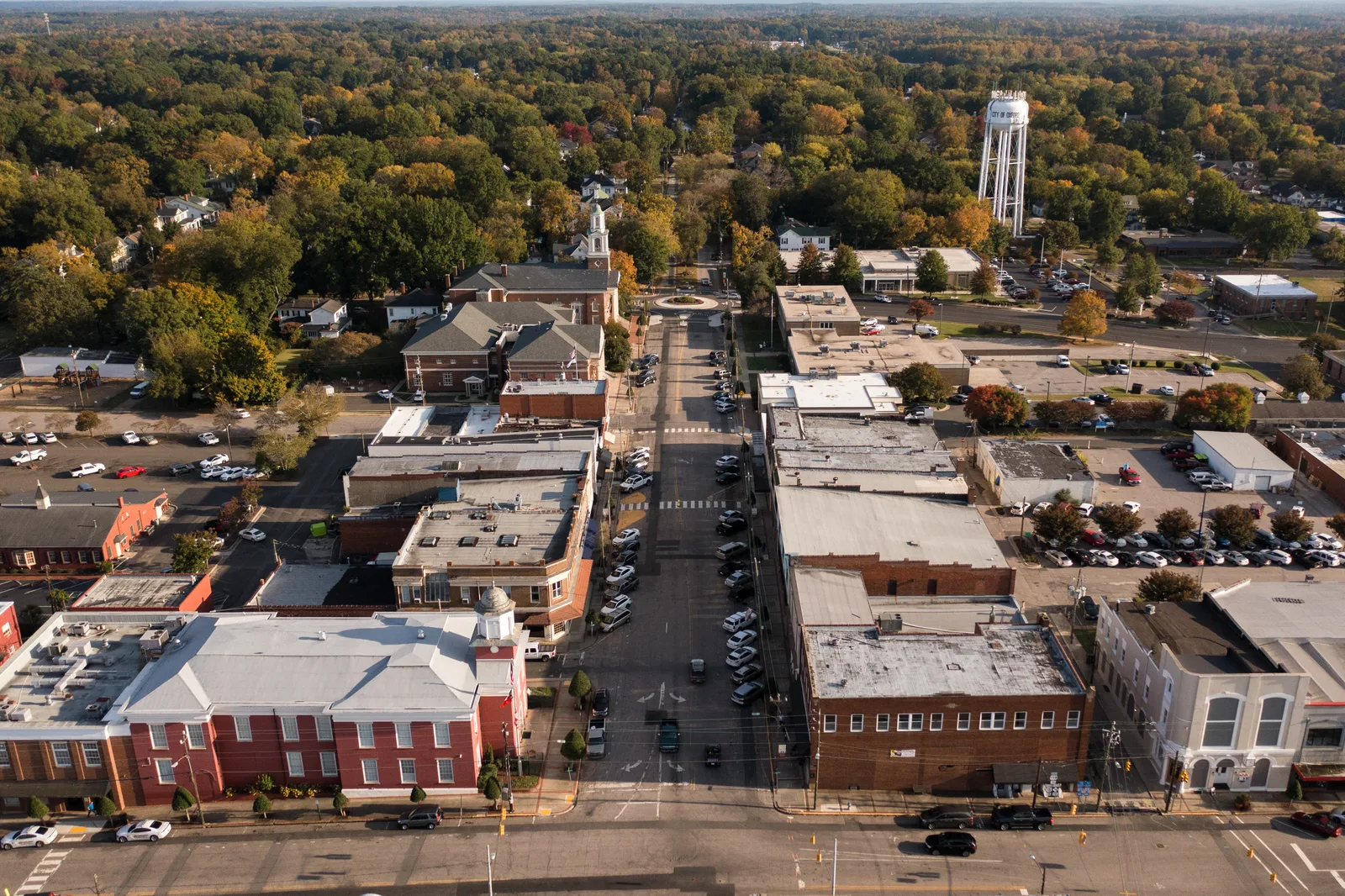
Oxford sits in the rolling Piedmont of Granville County, where humid summers, clay-heavy soil, and a housing stock that spans two centuries create restoration challenges you won't find in coastal or mountain towns. A historic home on College Street responds to water intrusion very differently than a newer build off Highway 96.
Our IICRC-certified team responds around the clock to residential and commercial property emergencies across Oxford, NC.
- Water Damage Restoration - extraction, structural drying, and moisture mapping after burst pipes, appliance failures, and roof leaks
- Flooded Basement - pump-out, dehumidification, and treatment of below-grade spaces prone to hydrostatic seepage
- Sewage Cleanup - containment, removal of contaminated materials, and antimicrobial disinfection after backups
- Fire Damage Restoration - debris removal, soot cleaning, contents recovery, and reconstruction to pre-loss condition
- Smoke Damage Restoration - odor neutralization, HVAC and duct cleaning, and surface deodorization
- Mold Removal - containment barriers, HEPA filtration, and remediation of hidden colonies
Key benefits for Oxford property owners include faster arrival times from a locally based crew, documentation that supports insurance claims, and one team handling mitigation through reconstruction. From business fires downtown to basement floods in outlying subdivisions, we stay ready when disaster strikes.
Common Damage Restoration Issues in Oxford, North Carolina
Granville County's mix of aging infrastructure, dense tree canopy, and Piedmont clay soil drives most of the emergency calls we receive.
Frequent Causes of Damage
- Thunderstorm downpours that overwhelm gutters and push water against foundations
- Tropical system remnants tracking inland from the Atlantic with sustained rainfall
- Winter freeze-thaw cycles bursting pipes in crawl spaces and unheated additions
- Aging cast iron and clay sewer laterals in older neighborhoods, prone to root intrusion and backups
- Kitchen fires, electrical faults in older wiring, and space heater incidents during cold snaps
- Failed sump pumps and clogged floor drains in finished basements
Warning Signs Worth Acting On
- Musty odor in a crawl space, closet, or basement that lingers after ventilation
- Buckling hardwood, cupped laminate, or bubbling paint along baseboards
- Brown ceiling rings that reappear after painting over them
- Gurgling drains or slow toilets, often the first hint of a main line blockage
- Soot film on window glass, light fixtures, or HVAC registers after a small fire
- Smoke odor that returns on humid days once porous materials reabsorb moisture
- Visible dark spotting on drywall paper, subfloor, or framing lumber
Small leaks rarely stay small in this climate. Elevated humidity lets mold colonize damp cellulose within a couple of days, which is why early moisture detection matters so much here.
Neighborhoods We Serve in Oxford
Our crews cover the full city limits and the surrounding Granville County countryside.
- Downtown Oxford and the historic district - College Street, Main Street, Hillsboro Street corridors with pre-1940 homes and commercial storefronts
- Neighborhoods near Thorndale and Lewis Street - mid-century ranches and split-levels
- Subdivisions along Highway 96, Highway 158, and Lewis Street - newer construction with slab and crawl space foundations
- Areas near Granville Health System and Oxford Preparatory School
- Rural properties toward Stem, Creedmoor, Butner, Berea, Bullock, and Stovall
- Surrounding communities in Franklin and Vance Counties, including Henderson, Louisburg, and Franklinton
Rural addresses on well and septic systems get particular attention during sewage cleanup, since drain field saturation after heavy rain often triggers indoor backups.
Seasonal Damage Patterns in Oxford
Winter (December - February)
- Frozen and burst supply lines in crawl spaces, garages, and exterior walls
- Peak season for fire damage restoration tied to heating equipment, fireplaces, and holiday cooking
- Smoke damage restoration calls rise alongside wood stove and chimney issues
Spring (March - May)
- Severe thunderstorms and hail driving roof and window leaks
- Flooded basement calls as saturated clay soil raises the water table
- Mold removal demand climbs as temperatures and humidity increase together
Summer (June - August)
- HVAC condensate overflow and clogged drain pans causing ceiling water damage
- Peak mold growth season with dew points frequently in the 70s
- Lightning-related electrical fires during afternoon storm cells
Fall (September - November)
- Tropical remnants delivering multi-day rainfall and flash flooding
- Leaf-clogged gutters redirecting water into foundations and crawl spaces
- Root growth in sewer laterals leading to fall backup calls
Housing Characteristics & Restoration Considerations
Oxford's housing stock ranges from 19th-century frame houses in the historic district to subdivisions built within the past two decades. That range shapes how we approach every job.
Older Homes (pre-1960)
- Plaster over wood lath holds water far longer than drywall and requires extended drying
- Original heart pine flooring can often be dried in place rather than replaced when we respond quickly
- Knob-and-tube or early wiring raises fire risk and demands careful post-fire electrical evaluation
- Vented crawl spaces with dirt floors feed persistent mold and wood rot
- Clay sewer laterals crack and admit tree roots, a leading source of sewage backups
- Historic trim and millwork call for salvage-first cleaning during fire and smoke restoration
Mid-Century and Newer Homes
- Finished basements and bonus rooms trap water in carpet pad, drywall, and insulation
- Slab foundations hide supply line leaks until flooring warps or utility bills spike
- Tight, well-insulated envelopes trap smoke odor and moisture, making deodorization and dehumidification more involved
- Engineered flooring and MDF trim swell quickly and usually need removal
- Attic-mounted air handlers can flood entire ceilings when condensate lines clog
Mixed-use commercial buildings downtown add shared walls and stacked plumbing to the equation. Water on one floor routinely affects tenants below, so we phase containment and drying to keep businesses operating where possible.
Environmental Conditions & Damage Implications
The Piedmont climate around Oxford combines warm, humid summers with cool, damp winters and roughly 45 inches of annual rainfall. Those conditions influence every phase of restoration work.
Soil and Drainage
- Red clay subsoil drains slowly, holding water against foundation walls after storms
- Hydrostatic pressure pushes moisture through block walls and slab cracks, a common flooded basement cause
- Clay shrink-swell cycles open gaps around foundations and buried drain lines
- Rolling terrain funnels runoff toward low-lying lots and walkout basements
Humidity and Air Quality
- Summer dew points in the low to mid 70s slow natural evaporation, so mechanical dehumidification is required rather than optional
- Crawl space humidity frequently exceeds mold growth thresholds without encapsulation
- Heavy pollen loads in spring coat HVAC systems and combine with soot after fire events
- Smoke particles bond to cool surfaces in humid conditions, requiring thermal fogging or hydroxyl treatment
Water and Wastewater
- Municipal water in Oxford carries moderate mineral content that leaves residue on flood-affected surfaces
- Rural septic systems saturate during extended rain, increasing sewage cleanup calls
- Category 3 water demands full removal of porous materials, not just drying
We document moisture readings, temperature, and relative humidity daily so drying decisions match actual site conditions.
Advanced Drying and Restoration Technology for Oxford Properties
Modern restoration relies on measurement, not guesswork. Every Oxford project starts with a full moisture map so we know exactly where water traveled before a single piece of equipment is placed.
Detection and Assessment Tools
- Thermal imaging cameras that reveal moisture behind plaster, tile, and cabinetry without demolition
- Penetrating and non-penetrating moisture meters calibrated for hardwood, plaster, and gypsum
- Thermo-hygrometers tracking grain depth and relative humidity throughout the drying period
- Borescopes for inspecting wall cavities, crawl spaces, and duct interiors
- Air sampling and surface swabs to confirm mold conditions before and after remediation
Mitigation Equipment
- Truck-mounted and portable extraction units for high-volume basement flooding
- Low-grain refrigerant and desiccant dehumidifiers suited to humid Piedmont air
- Axial and centrifugal air movers positioned for targeted evaporation
- Injectidry systems that dry wall cavities and hardwood without removing finishes
- Negative air machines with HEPA filtration for mold and sewage containment
- Hydroxyl generators, ozone, and thermal fogging for smoke odor neutralization
- Ultrasonic cleaning for soot-affected contents, hardware, and personal items
Our Response Process
- Emergency call intake, day or night, with dispatch to your Oxford address
- On-site inspection, safety assessment, and moisture mapping
- Water extraction, contaminated material removal, or fire debris clearing
- Structural drying with daily monitoring and documented readings
- Cleaning, antimicrobial application, and odor treatment
- Reconstruction and finish work returning the property to pre-loss condition
Photo documentation and moisture logs accompany every file, giving adjusters the detail they need to move claims forward.





