Damage Restoration in DeKalb County, AL
- Damage Restoration Services Overview
- Common Damage Restoration Issues in DeKalb County, Alabama
- Neighborhoods We Serve in DeKalb County
- Seasonal Damage Patterns in DeKalb County
- Housing Characteristics & Restoration Considerations
- Environmental Conditions & Damage Implications
- Storm Season Response and Insurance Claims on Sand Mountain and Lookout Mountain
Damage Restoration Services Overview
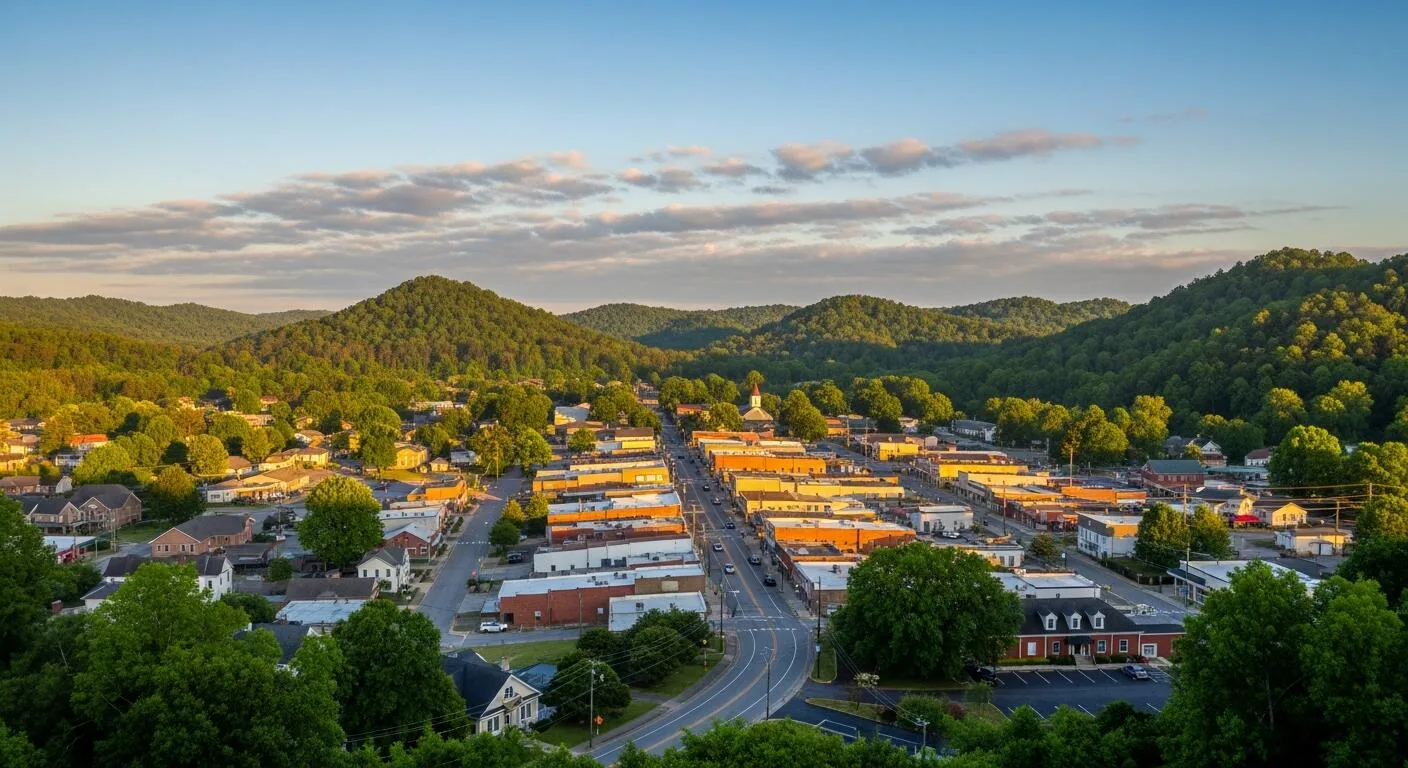
DeKalb County sits higher than almost anywhere else in Alabama - Lookout Mountain and Sand Mountain lift much of the county above 1,000 feet, and that elevation creates a rainfall pattern that regularly outpaces the state average. More rain, steeper terrain, and limestone bedrock riddled with fractures mean water finds its way into Fort Payne crawl spaces and Rainsville basements far more often than most homeowners expect.
Restoration work here covers a connected set of emergencies, each requiring different equipment and certification:
- Water damage restoration - burst supply lines, failed water heaters, roof leaks, and storm-driven intrusion
- Flooded basement recovery - hydrostatic pressure, footing drain failure, and sump pump loss during outages
- Sewage cleanup - septic backups, main line blockages, and Category 3 contamination requiring full containment
- Fire damage restoration - structural cleaning, soot removal, contents recovery, and rebuild coordination
- Smoke damage restoration - odor neutralization, HVAC decontamination, and treatment of surfaces fire never touched
- Mold removal - containment, HEPA filtration, and removal of colonized porous materials
Benefits for county residents come down to speed and documentation. Crews responding within hours limit secondary damage, and IICRC-standard moisture logs give insurance adjusters the proof they need to move a claim forward without argument.
Common Damage Restoration Issues in DeKalb County, Alabama
Geography drives most of what goes wrong here. Wills Valley funnels runoff between two mountain ridges, Sand Mountain's thin topsoil over rock sheds water fast, and the county sits squarely inside the severe weather corridor that produced the April 2011 outbreak.
Local Causes of Damage
- Spring thunderstorm complexes dropping several inches in a single afternoon on saturated ground
- Hard freezes on the plateau splitting exposed pipes in crawl spaces and unheated additions
- Septic systems on rocky, shallow-soil lots that surcharge during wet weather
- Wood heat, fireplaces, and space heaters used heavily through mountain winters
- Lightning strikes on ridge-top properties igniting attic and wall fires
- Sinkhole activity and shifting fill causing foundation cracks that admit groundwater
Warning Signs Worth Acting On
- Musty odor in a basement or crawl space that lingers after dry weather
- Efflorescence - white chalky residue - on block foundation walls
- Slow drains throughout the house at once, a classic main line or septic signal
- Gurgling toilets when the washing machine discharges
- Yellow-brown staining bleeding through freshly painted ceilings after a fire
- Soot film on window glass and inside cabinets rooms away from the burn site
- Cupping hardwood, soft baseboards, or nail pops in drywall
- Persistent allergy symptoms that improve when occupants leave the house
Ignoring any of these usually converts a contained problem into a multi-room reconstruction.
Neighborhoods We Serve in DeKalb County
Coverage spans the full county, from the valley floor to both mountain plateaus:
- Fort Payne - downtown historic district, Gault Avenue corridor, and surrounding residential streets
- Rainsville, Sylvania, and Fyffe - Sand Mountain farm and residential communities
- Henagar, Ider, and Hammondville - northern county and I-59 corridor properties
- Valley Head and Mentone - Lookout Mountain cabins, cottages, and seasonal rentals
- Collinsville and Crossville - southern county homes and small commercial buildings
- Geraldine, Powell, Shiloh, and Pine Ridge - rural properties on well and septic
- Lakeview, Portersville, and Grove Oak - communities near Guntersville Lake backwaters
Outlying areas near Little River Canyon, DeSoto State Park, and the Big Wills Creek bottoms receive the same response, including cabin and vacation property calls where damage may go undiscovered for days.
Seasonal Damage Patterns in DeKalb County
- January - February: Frozen and burst pipes lead the calendar, especially in mountain homes with pier foundations. Chimney and heating-appliance fires spike alongside cold snaps.
- March - April: Peak severe weather. Tornado and straight-line wind damage opens roofs, and heavy rainfall floods basements across Wills Valley. Sewage backups follow saturated drain fields.
- May - June: Mold calls climb as spring water intrusion that was never properly dried begins colonizing drywall and framing.
- July - August: Humidity above 70 percent keeps crawl spaces damp. Air conditioning condensate line clogs cause ceiling damage. Lightning-related fires increase.
- September - October: Tropical remnants push inland with sustained rain. Dry spells raise brush and outbuilding fire risk.
- November - December: A second severe weather season arrives. Wood stoves, fireplaces, and holiday cooking drive fire and smoke damage claims through year-end.
Housing Characteristics & Restoration Considerations
DeKalb County's housing stock skews older than the national average, with a large share of owner-occupied homes built between the 1940s and 1980s and a meaningful number of manufactured homes on rural acreage.
Construction Types and What They Mean
- Concrete block and stone foundations - common in older Fort Payne and Collinsville homes; porous block wicks moisture upward, so drying requires wall cavity ventilation rather than surface air movement alone
- Vented crawl spaces - the dominant foundation type; they trap humid summer air and are the leading source of mold that migrates into living space through the stack effect
- Walk-out and partial basements - built into hillsides, these take on groundwater along the uphill wall and need extraction plus negative-pressure containment
- Manufactured and modular homes - belly wrap holds water against subfloor insulation; wet insulation must be removed, never simply dried in place
- Balloon-framed historic homes - open wall cavities let smoke and fire travel floor to attic, so smoke odor treatment must address the entire vertical chase
- Textile mill era housing - Fort Payne's sock mill legacy left many small frame homes with layered flooring and original plaster that hold moisture invisibly
Homes built before the late 1970s may also contain asbestos-bearing flooring, mastic, or textured ceilings, and lead-based paint. Testing before demolition keeps a water or fire job from turning into a regulated abatement problem mid-project.
Environmental Conditions & Damage Implications
The county's environment shapes nearly every restoration decision made here.
Climate
- Annual rainfall commonly exceeds 55 inches, among the highest totals in Alabama
- Summer dew points sit in the low to mid 70s, keeping indoor humidity high without mechanical dehumidification
- Winter freeze-thaw cycles on the plateaus crack masonry and open new water entry paths
Soil and Groundwater
- Karst limestone underlies much of the county, producing springs, caves, and sudden sinkholes
- Fractured bedrock allows rapid groundwater rise after storms, pressurizing basement walls within hours
- Sand Mountain's shallow soil over rock limits septic absorption, raising backup risk
- Clay-heavy valley soils shrink and swell, separating foundation joints over time
Air and Water Quality
- Warm, humid air supports aggressive mold growth - visible colonies can appear within 24 to 48 hours on wet drywall
- Many rural households rely on private wells; sewage or flood contamination near a wellhead requires water testing before reoccupancy
- Smoke residues become acidic in humid air, etching glass, metal fixtures, and appliance finishes faster than in dry climates
- Radon is a documented concern in Alabama karst regions, making basement sealing and depressurization a worthwhile pairing with waterproofing work
These conditions argue for speed. Drying that starts within the first day prevents most secondary mold and odor problems entirely.
Storm Season Response and Insurance Claims on Sand Mountain and Lookout Mountain
DeKalb County has lived through catastrophic severe weather, and residents who remember the 2011 outbreak know that the hours after a storm determine how much of a home survives. When a squall line rolls off Sand Mountain and hundreds of properties lose shingles at once, contractor availability tightens fast and out-of-area storm chasers arrive without local accountability.
What a Structured Emergency Response Looks Like
- Safety assessment - electrical hazards, structural stability, and contamination category determined before entry
- Water extraction and source control - standing water removed, roof tarped or openings boarded
- Documentation - moisture mapping, thermal imaging, and photo records captured for the insurance file
- Containment - negative air machines and barriers isolating sewage or mold work zones
- Structural drying - air movers and low-grain refrigerant dehumidifiers monitored daily until materials reach dry standard
- Cleaning and deodorization - soot removal, HVAC decontamination, and hydroxyl or thermal fogging for smoke odor
- Reconstruction - drywall, flooring, trim, and paint returning the home to pre-loss condition
Working Your Claim Effectively
- Photograph everything before moving items, including serial numbers on damaged appliances
- Report the loss to your carrier promptly - most policies require timely notice
- Keep receipts for temporary lodging, tarps, and emergency supplies
- Understand that flood from rising creeks is typically excluded from standard homeowner policies while a burst pipe is usually covered
- Ask whether mold coverage carries a sublimit on your policy
- Request that moisture readings and drying logs be included in the estimate package
Rural properties near Ider, Grove Oak, and the canyon rim can be hard for adjusters to reach quickly. Detailed on-site documentation from a certified crew bridges that gap and keeps repairs moving while the ground is still drying.