Damage Restoration in Lee County, AL
- Damage Restoration Services Overview
- Common Damage Restoration Issues in Lee County, Alabama
- Neighborhoods We Serve in Lee County
- Seasonal Damage Patterns in Lee County
- Housing Characteristics & Restoration Considerations
- Environmental Conditions & Damage Implications
- Emergency Response and Insurance Claim Support Across Lee County
Damage Restoration Services Overview
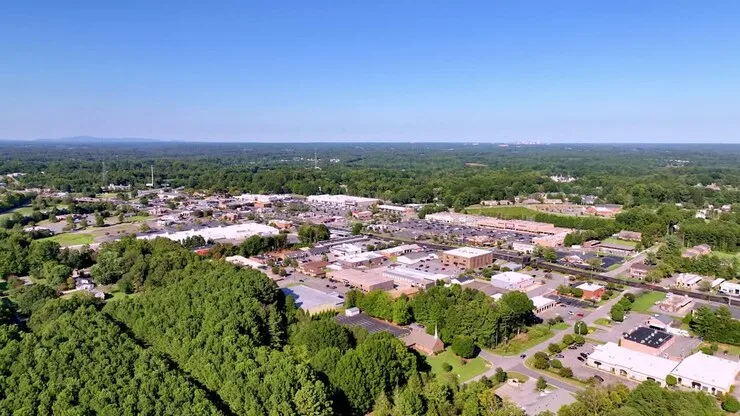
Lee County sits in a part of Alabama that averages more than 50 inches of rainfall a year - considerably more than the national average. That much water, combined with red clay soil that drains slowly, means property damage here is rarely a question of "if."
Homeowners and business owners across Auburn, Opelika, Smiths Station and the surrounding communities depend on trained restoration crews for a full range of emergency and recovery work:
- Water Damage Restoration - extraction, structural drying, moisture mapping and content protection after leaks, burst supply lines and storm intrusion
- Flooded Basement Cleanup - pump-out, sump system evaluation, dehumidification and sanitizing of below-grade spaces
- Sewage Cleanup - removal of contaminated material, antimicrobial treatment and safe disposal following backups and septic failures
- Fire Damage Restoration - board-up, debris removal, soot cleaning and rebuilding of damaged framing and finishes
- Smoke Damage Restoration - odor neutralization, HVAC cleaning, and treatment of walls, textiles and porous surfaces
- Mold Removal - containment, air filtration, affected material removal and moisture source correction
Companies like Restoration 1 of East Alabama and Americlean Carpet Care and Restoration serve the county with 24-hour emergency response, while local contractors including Legacy Roofing and Remodeling, Sentry Construction Company, DMC Contracting and Strategic Roofing Solutions handle the reconstruction that follows. Fast response limits secondary damage - and secondary damage is usually what turns a manageable loss into a major one.
Common Damage Restoration Issues in Lee County, Alabama
The mix of humid subtropical weather, clay-heavy soil and a wide range of housing stock creates predictable problem patterns across the county.
What Causes Damage Here
- Severe thunderstorms and tornado activity - Lee County sits in a corridor that sees repeated spring storm outbreaks, bringing roof breaches and wind-driven rain
- Tropical remnants - Gulf systems tracking inland dump heavy rain over short periods, overwhelming gutters and yard drainage
- Slow-draining clay soil - water pools against foundations instead of percolating away, pushing through block walls and slab cracks
- Aging sewer laterals and rural septic systems - root intrusion and saturated drain fields lead to backups
- Winter pipe failures - occasional hard freezes crack lines in uninsulated crawl spaces and exterior walls
- Kitchen and electrical fires - older wiring in mid-century homes and space heater use during cold snaps
Warning Signs Worth Acting On
- Musty odor in crawl spaces, closets or near HVAC returns
- Buckling hardwood, cupped laminate or soft spots in subfloor
- Staining along baseboards or at the base of exterior walls
- Slow drains throughout the house, or gurgling when appliances run
- Condensation on ductwork or persistent indoor humidity above 60 percent
- Lingering smoke odor that returns when the AC cycles on
Mold colonies can establish within roughly 24 to 48 hours in Lee County's humidity, which is why water losses and mold remediation are so often handled together.
Neighborhoods We Serve in Lee County
Restoration crews cover the full county footprint, from dense student housing to rural acreage.
- Auburn - downtown, the university corridor, Moores Mill, Yarbrough Farms, Cary Woods, Grove Hill and Asheton Lakes
- Opelika - Historic District, Northside, Pepperell Village, Saugahatchee and the Tiger Town commercial area
- Smiths Station - along US 280 and the Russell County line
- Beauregard, Salem and Marvyn - rural properties on well and septic systems
- Loachapoka, Notasulga and Waverly - older farmhouses and historic structures
- Lake Harding and Chewacla area properties - waterfront and low-lying lots
Coverage extends to neighboring Chambers, Macon, Russell and Tallapoosa counties, along with the Phenix City and Columbus corridor. Familiarity with local road access and county permitting keeps response times short.
Seasonal Damage Patterns in Lee County
Winter (December - February)
- Frozen and burst pipes during brief Arctic outbreaks, especially in crawl space plumbing
- Peak heating season fire and smoke damage from fireplaces, space heaters and chimney issues
- Ice-related roof leaks after rare winter precipitation events
Spring (March - May)
- Highest severe storm frequency - wind, hail and tornado damage opening roofs to water intrusion
- Flooded basements and crawl spaces from saturated ground
- Sewer and septic backups when heavy rain overwhelms systems
Summer (June - August)
- Mold growth accelerates as dew points climb and AC systems run continuously
- Condensation damage around ductwork, vapor barriers and undersized units
- Lightning strikes causing structure fires and appliance failures
Fall (September - November)
- Tropical system remnants delivering multi-inch rainfall totals
- Clogged gutters from leaf drop redirecting water toward foundations
- Early heating season smoke and soot issues as fireplaces return to use
Housing Characteristics & Restoration Considerations
Lee County housing spans well over a century of construction methods, and each era responds differently to water, fire and mold.
Common Property Types
- Pre-1950 homes in Opelika's Historic District and Loachapoka - plaster walls, wood lath, pier-and-beam foundations and original heart pine floors
- 1950s - 1970s ranch homes - slab-on-grade or crawl space, original galvanized or cast iron plumbing, limited wall insulation
- 1980s - 2000s subdivisions - stick-built with vinyl or brick veneer, drywall interiors and attic HVAC placement
- Newer Auburn developments - tighter building envelopes that trap moisture when drying is incomplete
- Student rentals and multi-family units - shared plumbing stacks that spread water losses across several units
- Manufactured homes in rural Beauregard and Salem - belly board cavities that hold water out of sight
How Construction Affects the Work
- Crawl space foundations require vapor barrier replacement and joist drying, not just surface extraction
- Plaster and lath hold moisture far longer than drywall and need specialized drying rather than automatic removal
- Slab homes hide water beneath flooring and behind bottom plates, calling for thermal imaging and moisture meters
- Attic-mounted air handlers spread smoke and soot through duct runs, making HVAC cleaning part of most fire jobs
- Historic trim, mantels and flooring often warrant restoration cleaning instead of replacement
Documenting pre-loss materials matters for insurance claims, particularly on older Opelika and Waverly properties where matching millwork is difficult.
Environmental Conditions & Damage Implications
Lee County's environment shapes nearly every restoration decision made here.
Climate and Humidity
- Humid subtropical classification with long, warm summers and mild winters
- Summer dew points regularly in the 70s, keeping indoor relative humidity elevated
- Roughly 50-plus inches of annual rainfall, distributed across all four seasons
- Drying equipment must overcome ambient moisture, which is why open-window drying rarely works locally
Soil and Drainage
- Piedmont red clay dominates - low permeability, high runoff, slow absorption
- Clay expands when wet and contracts when dry, stressing foundations and creating entry points
- Sloped lots near Chewacla Creek and Saugahatchee Creek concentrate runoff toward structures
- Saturated soil is a leading cause of septic drain field failure and resulting sewage backups
Air and Water Quality
- Heavy tree canopy and pollen loads add organic material to HVAC systems, feeding mold growth
- Rural wells can be affected when flooding contaminates surrounding ground
- Smoke particles bond aggressively to surfaces in humid air, requiring targeted cleaning agents rather than general washing
Practical Implications
- Dehumidification is the centerpiece of local water damage work, not an afterthought
- Post-remediation moisture verification prevents mold from returning weeks later
- Grading, gutter extensions and sump systems are often recommended alongside repairs
Emergency Response and Insurance Claim Support Across Lee County
When a supply line ruptures at 2 a.m. in a Yarbrough Farms home or a sewer backs up into an Opelika rental, the first hour shapes the entire outcome. Local providers such as Restoration 1 of East Alabama maintain 24-hour emergency response lines - the region's dispatch number, (334) 750-8188, connects property owners to crews who know the county's roads and neighborhoods.
What Happens After You Call
- Phone triage - guidance on shutting off water, electricity or gas before crews arrive
- On-site assessment - moisture meters, thermal cameras and category classification for water or sewage losses
- Stabilization - extraction, board-up, tarping or containment barriers to stop the damage from spreading
- Documentation - photos, moisture readings and material inventory recorded for the insurance file
- Drying and cleaning - air movers, dehumidifiers, antimicrobial application, soot removal and odor treatment
- Daily monitoring - readings logged until materials return to dry standard
- Reconstruction - coordination with contractors like Sentry Construction Company, DMC Contracting, Legacy Roofing and Remodeling or Strategic Roofing Solutions for rebuild work
Why Local Knowledge Matters
- Crews recognize which Auburn and Opelika neighborhoods have chronic drainage or sewer issues
- Familiarity with Lee County and municipal permitting speeds up the rebuild phase
- Experience with Auburn University-area rental turnover schedules helps landlords minimize vacancy
- Established relationships with regional adjusters streamline approvals and documentation
- Understanding of storm-season demand surges means equipment is staged before major systems arrive
Helpful Steps for Property Owners
- Photograph damage before moving anything, if it is safe to do so
- Keep receipts for temporary lodging, tarps and emergency supplies
- Avoid entering standing water near electrical panels or sewage contamination
- Report the loss to your carrier promptly and request the claim number