Damage Restoration in Escambia County, AL
- Damage Restoration Services Overview
- Common Damage Restoration Issues in Escambia County, Alabama
- Neighborhoods We Serve in Escambia County
- Seasonal Damage Patterns in Escambia County
- Housing Characteristics & Restoration Considerations
- Environmental Conditions & Damage Implications
- Hurricane Season Preparation and Post-Storm Recovery for Escambia County Properties
Damage Restoration Services Overview
Finding water pouring through a ceiling, smelling smoke in the walls, or spotting black growth behind a baseboard shakes anyone. In Escambia County, Alabama, where Gulf moisture and tropical systems shape the weather, property damage often arrives fast and without warning.
Restoration work covers the full path from emergency stabilization to rebuilt, dry, breathable living space. Escambia County property owners rely on a connected set of services:
- Water Damage Restoration - extraction, structural drying, moisture mapping, and monitoring of framing, subfloors, and drywall cavities.
- Flooded Basement - pumping standing water from basements, crawlspaces, and below-grade storage areas, then drying the surrounding soil-adjacent structure.
- Sewage Cleanup - removal of Category 3 contaminated water, disposal of porous materials, and antimicrobial treatment of hard surfaces.
- Fire Damage Restoration - securing the structure, removing charred material, and coordinating repairs after flame and firefighting water exposure.
- Smoke Damage Restoration - soot removal from surfaces and HVAC systems plus odor neutralization at the molecular level.
- Mold Removal - containment, controlled removal of colonized materials, and correction of the moisture source feeding growth.
The benefit for Brewton, Atmore, Flomaton, and East Brewton residents is simple: fast, documented response that limits secondary damage and supports a smoother insurance claim.
Common Damage Restoration Issues in Escambia County, Alabama
Escambia County sits inland from the coast but still absorbs the punch of Gulf of Mexico tropical systems. Rain bands, tornado spin-ups, and long power outages drive most of the emergency calls here.
Local Causes of Property Damage
- Hurricane and tropical storm rainfall pushing water through compromised roofs and window seals
- Wind-lifted shingles and roof decking that allow days of slow water intrusion before anyone notices
- Tornadoes and severe thunderstorms producing structural breaches across Escambia, Baldwin, and Mobile counties
- Lightning strikes igniting attic fires and frying electrical panels throughout South Alabama
- Flash flooding across flat terrain and along the Conecuh and Escambia river corridors
- Sewer backups when saturated ground overwhelms municipal lines and septic fields
- Failed water heaters, supply lines, and washing machine hoses in older housing stock
Warning Signs Worth Acting On
- Musty odor that intensifies after rain or when the AC cycles on
- Bubbling paint, cupping wood floors, or soft spots underfoot
- Brown or rust-colored ceiling rings that keep expanding
- Gurgling drains or slow toilets - often the first hint of a sewer line problem
- Lingering smoke smell weeks after a small kitchen or electrical fire
- Condensation on interior walls or persistent high humidity indoors
- Allergy-style symptoms that ease when occupants leave the house
Post-storm mold is the county's quiet second disaster. Properties dried with box fans instead of professional equipment frequently develop colonies inside wall cavities within days.
Neighborhoods We Serve in Escambia County
Coverage spans the county's towns, rural routes, and unincorporated communities.
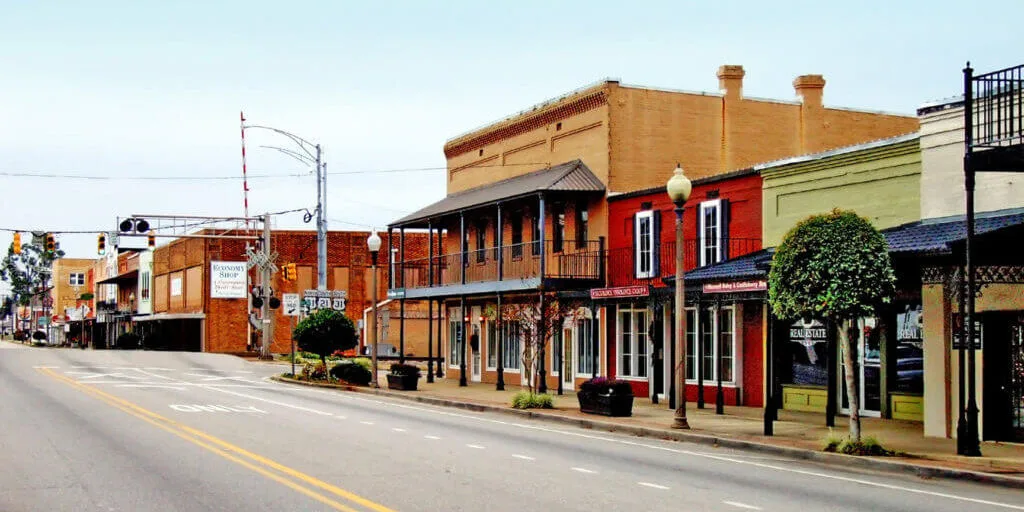
- Brewton - historic downtown, Belleville Avenue district, and surrounding residential streets
- East Brewton - neighborhoods near Burnt Corn Creek and Murder Creek prone to flash flooding
- Atmore - residential areas, commercial corridors along Highway 21, and nearby Poarch community
- Flomaton - properties near the Florida state line and rail corridor
- Century and Bratt corridor - just across the line in Escambia County, Florida
- Riverview, Canoe, Huxford, Wawbeek, and Damascus - rural homes and farm structures
- Pollard and Range - small communities along the Escambia River basin
Response also extends into Mobile County, Baldwin County, and the Pensacola metro area, giving Escambia County properties access to regional crews and equipment when a storm hits multiple counties at once.
Seasonal Damage Patterns in Escambia County
Damage types follow a predictable annual rhythm along South Alabama.
- December through February - Occasional hard freezes burst pipes in crawlspaces and unheated outbuildings. Space heaters and fireplaces drive fire and smoke damage calls.
- March through May - Peak severe weather. Tornadoes, hail, and straight-line winds open roofs, followed immediately by water intrusion. Spring humidity restarts dormant mold growth.
- June through August - Daily convective storms produce flash flooding on flat ground. Lightning strike fires spike. Heavy AC use plus 90 percent humidity creates ideal mold conditions in ductwork and closets.
- September through November - Peak hurricane season. Tropical systems bring multi-day rainfall, flooded basements and crawlspaces, sewer backups, and widespread wind damage. Post-storm mold calls follow two to three weeks behind the event.
Year-round, plumbing failures and appliance leaks generate steady water damage work regardless of weather.
Housing Characteristics & Restoration Considerations
Escambia County housing skews older than the state average, with a strong mix of mid-century frame homes, historic Brewton residences, brick ranches, and manufactured housing on rural lots.
Common Construction Types
- Pier-and-beam homes with vented crawlspaces - highly vulnerable to standing water, ground moisture, and joist mold
- Slab-on-grade brick ranches - wick moisture into carpet pad and bottom plates when water sits
- Historic wood-frame homes - plaster, shiplap, and old-growth lumber require gentler drying and specialized cleaning
- Manufactured and modular homes - particleboard subfloors and vinyl-backed drywall trap water and rarely dry in place
- Rural properties on septic systems - higher risk of sewage backup when soil saturates
How Age and Build Affect Restoration
- Homes built before the late 1970s may contain asbestos-bearing floor tile, mastic, or textured ceilings requiring testing before demolition.
- Pre-1978 painted surfaces call for lead-safe work practices during fire and water rebuilds.
- Knob-and-tube or aging aluminum wiring raises fire risk and complicates post-loss electrical work.
- Cellulose and older batt insulation in crawlspaces holds water and typically needs removal rather than drying.
- Full basements are uncommon locally, so "flooded basement" work often means flooded crawlspaces, sunken dens, and below-grade garages - each with its own drying approach.
- Attic-mounted air handlers spread soot and mold spores through the whole house, making duct cleaning a routine part of fire and mold projects.
Environmental Conditions & Damage Implications
The county's humid subtropical climate is the single biggest factor in how damage behaves after the initial event.
Climate and Moisture
- Annual rainfall regularly exceeds 60 inches, among the highest totals in the country.
- Summer dew points sit in the 70s, meaning outdoor air cannot dry a wet structure - dehumidification must be mechanical and contained.
- Mild winters allow mold to remain active nearly year-round rather than going dormant.
Soil and Groundwater
- Sandy coastal plain soils drain quickly in some areas but sit over shallow water tables in river bottoms near the Conecuh and Escambia rivers.
- Clay lenses in parts of the county hold water against foundations, feeding crawlspace flooding and efflorescence on block walls.
- High groundwater slows septic drainfield recovery, extending sewage backup risk after tropical rainfall.
Air Quality Consequences
- Pine pollen, timber operations, and agricultural dust add particulate load that combines poorly with soot after a fire.
- Smoke odor bonds aggressively to humid interior surfaces, so thermal fogging and hydroxyl treatment often outperform surface cleaning alone.
- Elevated indoor humidity keeps mold spores airborne longer, making containment and HEPA filtration non-negotiable during remediation.
Practical takeaway: in this climate, drying must be measured with meters and documented, not judged by touch.
Hurricane Season Preparation and Post-Storm Recovery for Escambia County Properties
When a tropical system tracks toward the Alabama Gulf Coast, Escambia County sees the inland effects - sustained rain, tornado warnings, downed trees, and multi-day power loss. The properties that recover fastest are the ones prepared before the cone of uncertainty appears.
Before the Storm
- Photograph every room, the roof, and major systems while everything is intact - this documentation carries real weight with adjusters.
- Clear gutters, downspouts, and yard drains so rainfall moves away from the foundation.
- Trim limbs overhanging the roofline and remove dead trees near the structure.
- Test sump pumps and crawlspace pumps, and add battery backup where possible.
- Move stored items off crawlspace and garage floors onto shelving or pallets.
- Store your policy number, agent contact, and a restoration company phone number somewhere accessible offline.
After the Storm
- Confirm safety first - stay clear of downed lines, sagging ceilings, and standing water near outlets.
- Shut off water or power to affected zones if it can be done safely.
- Photograph and video all damage before moving or discarding anything.
- Call for emergency board-up and tarping to stop ongoing intrusion.
- Begin extraction and professional drying quickly - mold can establish in wet materials within a couple of days in this humidity.
- Treat any water that contacted sewage or floodwater as contaminated and leave it to trained crews.
Why Speed Matters Here
- Wet drywall, insulation, and framing lose salvageability quickly in Gulf Coast humidity.
- Delayed drying turns a straightforward water loss into a mold remediation project with containment and air scrubbers.
- Smoke residues become acidic and etch metal, glass, and finishes the longer they sit.
- Documented moisture readings and drying logs strengthen insurance claims and reduce disputes over scope.
Emergency crews operate 24/7/365 across the three-county territory, including nights, weekends, and holidays, with insurance coordination handled directly on the property owner's behalf.