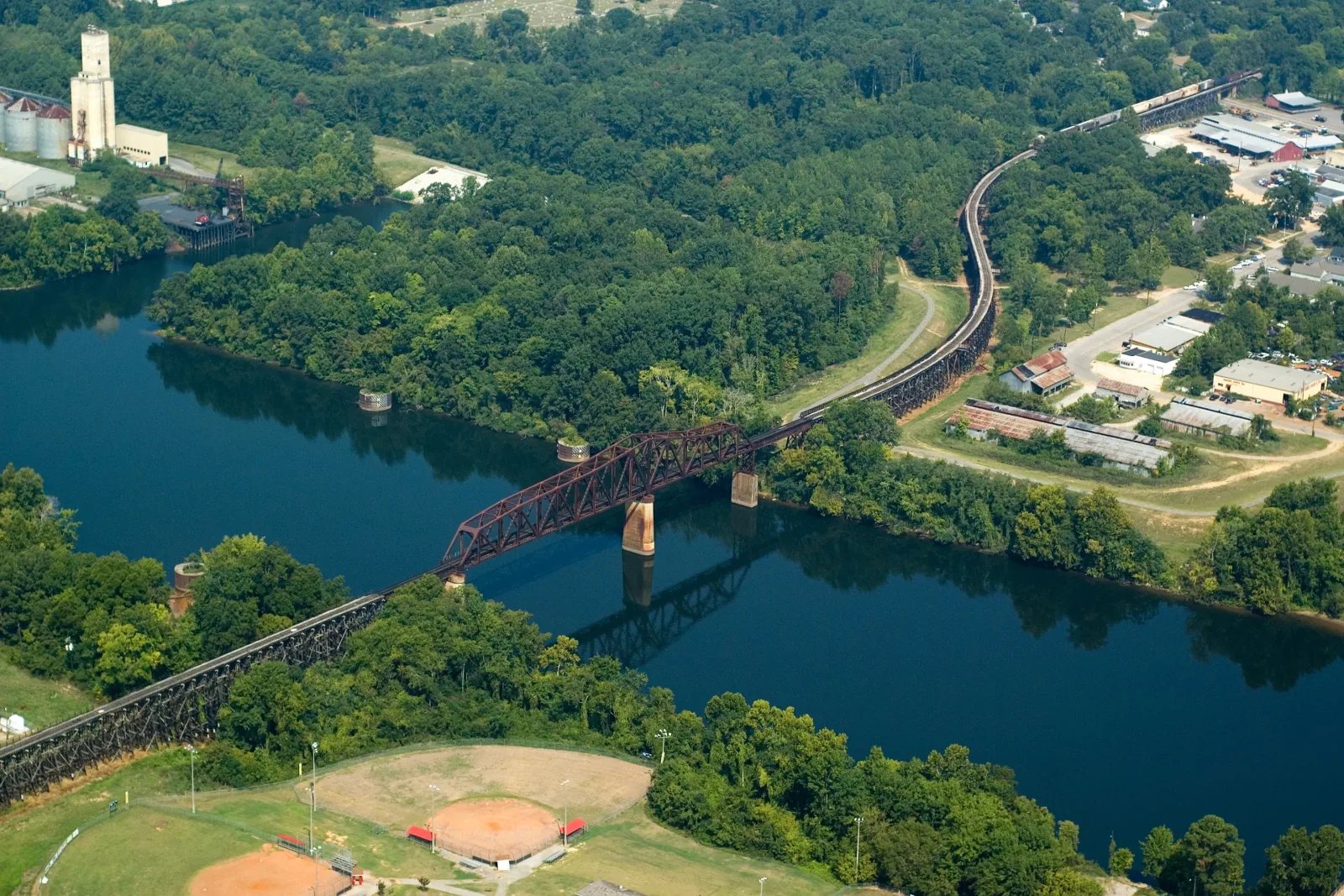
Damage Restoration in Tuscaloosa County, AL
- Damage Restoration Services Overview
- Common Damage Restoration Issues in Tuscaloosa County, Alabama
- Neighborhoods We Serve in Tuscaloosa County
- Seasonal Damage Patterns in Tuscaloosa County
- Housing Characteristics & Restoration Considerations
- Environmental Conditions & Damage Implications
- Insurance Documentation and the Tuscaloosa County Claims Process
Damage Restoration Services Overview
When water pools across a hardwood floor or smoke settles into every fabric in the house, the fastest path back to normal starts with trained restoration professionals. Tuscaloosa County homeowners and business owners have access to full-service teams that handle emergency response, structural drying, cleaning, and rebuilding under one roof.
Core services available across the county include:
- Water Damage Restoration - extraction, moisture mapping, and controlled drying after pipe breaks, appliance failures, and roof leaks
- Flooded Basement Cleanup - pump-out, sump system evaluation, and drying of below-grade spaces and crawl areas
- Sewage Cleanup - safe removal of contaminated water, disposal of porous materials, and antimicrobial treatment
- Fire Damage Restoration - debris removal, soot cleaning, structural stabilization, and content recovery
- Smoke Damage Restoration - odor neutralization, HVAC cleaning, and treatment of walls, textiles, and belongings
- Mold Removal - containment, removal of affected materials, and correction of the moisture source
Benefits Tuscaloosa County property owners gain from professional help:
- Documentation and photos formatted for insurance claims
- Commercial-grade drying equipment that home fans cannot match
- Reduced risk of secondary damage such as warped subfloor and hidden mold
- One coordinated team from first extraction through final repairs
Common Damage Restoration Issues in Tuscaloosa County, Alabama
West Alabama's humid subtropical climate, heavy spring storm season, and clay-heavy soils create a predictable set of restoration problems. Properties near the Black Warrior River, Hurricane Creek, and low-lying areas around Northport see repeat water intrusion issues.
Frequent Causes of Damage Locally
- Severe thunderstorms and tornado-season winds that peel back shingles and drive rain into attics
- Flash flooding when saturated clay soil cannot absorb several inches of rainfall
- Sewer backups during heavy rain events, especially in older neighborhoods with aging lateral lines
- Frozen or burst supply lines during short but sharp January cold snaps
- Kitchen and electrical fires, plus grill and fire pit incidents in warmer months
- HVAC condensate line clogs that quietly soak closets and hallway ceilings
Warning Signs Worth Acting On
- A musty odor in a basement, crawl space, or closet that returns after every rain
- Cupping hardwood, bubbling paint, or soft spots underfoot near exterior walls
- Brown ceiling stains that grow slowly between storms
- Gurgling drains or slow toilets, often the first hint of a sewer line problem
- Lingering smoke smell weeks after a small kitchen fire, a sign soot reached the ductwork
- Persistent allergy symptoms indoors that improve when you leave the house
Acting within the first day or two after water intrusion usually determines whether materials can be dried in place or must be removed and rebuilt.
Neighborhoods We Serve in Tuscaloosa County
Restoration crews cover the full county, from downtown historic blocks to newer subdivisions on the outskirts.
- City of Tuscaloosa - Downtown, Historic Druid City, Forest Lake, Alberta City, Highlands, Cherokee Hills, Claymont, and the University area
- Northport - Northwood Lake, Rice Mine Road corridor, Watermelon Road area, and Sunset Park
- Eastern county - Cottondale, Holt, Coaling, and Vance near the Mercedes plant
- Southern and western communities - Taylorville, Duncanville, Moundville, Fosters, and Ralph
- Northern areas - Samantha, Coker, Buhl, and Lake Tuscaloosa shoreline properties
Student rentals near the University of Alabama, riverfront homes along the Black Warrior, and commercial buildings along McFarland Boulevard each present different access and drying challenges, and crews plan equipment placement accordingly.
Seasonal Damage Patterns in Tuscaloosa County
Winter (December - February)
- Burst pipes in unheated crawl spaces and exterior walls during brief hard freezes
- Heating equipment, space heater, and fireplace fires driving smoke damage calls
- Saturated ground from steady winter rain pushing water into basements
Spring (March - May)
- Peak severe weather season with wind-driven rain, hail, and tornado damage
- Flash flooding and flooded basements after heavy rainfall
- Sewage backups when municipal systems and septic fields take on excess water
Summer (June - August)
- Mold growth accelerating in humid conditions, particularly in crawl spaces and vacant rentals
- Air conditioning condensate leaks and overflowing drain pans
- Afternoon storms and lightning strikes leading to structure fires
Fall (September - November)
- Tropical system remnants delivering multi-day rainfall and roof leaks
- Clogged gutters and downspouts redirecting water toward foundations
- Early-season heating startups producing puff-back soot from furnaces
Housing Characteristics & Restoration Considerations
Tuscaloosa County housing spans more than a century of building styles, and each era responds differently to water, smoke, and mold.
Common Construction Types
- Pre-1950 homes in Forest Lake, Druid City, and Northport - wood siding, plaster walls, pier-and-beam foundations with open crawl spaces
- Mid-century ranch homes - slab-on-grade construction, original hardwood or carpet over concrete, limited wall insulation
- 1980s - 2000s subdivisions - brick veneer, vinyl-clad windows, vented attics with blown insulation
- Recent construction - engineered floor trusses, OSB sheathing, and tight building envelopes that trap moisture
- Student rentals and multifamily near campus - shared plumbing stacks where one failure affects several units
How Construction Affects Restoration
- Crawl space homes need moisture readings under the floor, not just at the surface, since vapor collects on joists and ductwork.
- Slab homes hold water beneath flooring adhesives, often requiring flooring removal to dry concrete properly.
- Plaster and lath in historic homes retains moisture longer than drywall and calls for slower, monitored drying.
- Brick veneer walls can hold water in the cavity behind the brick after storm-driven rain.
- Post-fire, older homes may contain materials that require testing before demolition begins.
- Tightly sealed newer homes trap smoke odor in ductwork and insulation, making HVAC cleaning a required step.
Environmental Conditions & Damage Implications
The county's climate and geology set the stage for how quickly damage spreads and how long drying takes.
Climate Factors
- Roughly 54 inches of annual rainfall, well above the national average
- Summer relative humidity often above 70 percent, keeping indoor dew points high
- Mild winters that allow mold activity nearly year-round
- Spring and fall storm systems capable of dumping several inches in a single event
Soil and Water Conditions
- Clay-rich soils that expand when wet and shrink in drought, stressing foundations and creating entry points
- Slow drainage in flat areas near the Black Warrior River floodplain
- Sloped lots in northern portions of the county that channel runoff toward foundation walls
- Septic systems in rural areas that surcharge during prolonged rain, raising sewage cleanup demand
What This Means for Restoration
- Dehumidification carries more of the drying workload here than ventilation, since outside air is often wetter than inside air.
- Mold colonies can establish within 24 to 48 hours on damp drywall and framing, so containment goes up early.
- Smoke residue bonds more aggressively to surfaces in humid conditions, requiring prompt cleaning after a fire.
- Crawl space vapor barriers and drainage corrections are frequently part of preventing repeat flooding.
Insurance Documentation and the Tuscaloosa County Claims Process
After a fire or flood, what you record in the first hours shapes how smoothly the claim moves. Local restoration teams work alongside adjusters daily and can guide the paperwork while the cleanup proceeds.
What to Document Before Cleanup Begins
- Wide shots of each affected room from multiple angles, plus close-ups of damaged materials
- Video walkthrough narrating what happened and when you discovered it
- Serial numbers and model numbers on damaged appliances and electronics
- Receipts or purchase records for higher-value contents, furniture, and equipment
- The source of the loss - the failed water heater, the burned outlet, the backed-up floor drain
- Date and time stamps, which carriers use to establish the loss timeline
How the Process Typically Unfolds
- Emergency call and arrival - crews stop the water source, board openings, and secure the structure.
- Assessment and moisture mapping - meters and thermal imaging identify how far water traveled through walls and floors.
- Extraction and stabilization - standing water is removed and unsalvageable porous materials are documented, then discarded.
- Drying and monitoring - air movers and dehumidifiers run with daily readings logged for the insurer.
- Cleaning and deodorizing - soot removal, antimicrobial application, HVAC cleaning, and content restoration.
- Reconstruction - drywall, flooring, paint, and trim returned to pre-loss condition.
Practical Tips for Local Property Owners
- Notify your carrier promptly, then let the restoration team share moisture logs directly with the adjuster.
- Keep a folder of every invoice, including temporary lodging and replacement essentials.
- Ask whether standard homeowners coverage includes sewer backup - many Tuscaloosa County policies require a separate endorsement.
- Do not throw away damaged items until they have been photographed and inventoried.
- Confirm the restoration company is licensed in Alabama and certified in water, fire, and mold remediation standards.