
Damage Restoration in Northport, AL
- Damage Restoration Services Overview
- Common Damage Restoration Issues in Northport, Alabama
- Neighborhoods We Serve in Northport
- Seasonal Damage Patterns in Northport
- Housing Characteristics & Restoration Considerations
- Environmental Conditions & Damage Implications
- Working With Insurance After Storm and Flood Losses in Tuscaloosa County
Damage Restoration Services Overview
Water spreads through drywall and subfloor within minutes, and soot becomes acidic on painted surfaces within hours. In Northport, where humidity stays high most of the year, the window between a manageable problem and a full reconstruction project is short. Fast response protects both the structure and the belongings inside it.
Property owners across Northport rely on a connected set of restoration services that address every stage of a loss:
- Water Damage Restoration - extraction, structural drying, moisture mapping, and controlled dehumidification after pipe breaks, appliance failures, and roof leaks.
- Flooded Basement Recovery - pumping standing water, drying below-grade walls, and addressing the drainage failure that allowed water in.
- Sewage Cleanup - removal of contaminated material, antimicrobial treatment, and disinfection after backups from municipal lines or septic systems.
- Fire Damage Restoration - board-up, debris removal, soot cleaning, contents handling, and structural repair.
- Smoke Damage Restoration - odor neutralization, HVAC cleaning, and treatment of surfaces far from the burn area.
- Mold Removal - containment, air filtration, affected material removal, and correction of the moisture source.
The benefit for Northport homeowners and business operators is straightforward: fewer materials lost, shorter disruption, cleaner indoor air, and documentation that supports an insurance claim from first call through final walkthrough.
Common Damage Restoration Issues in Northport, Alabama
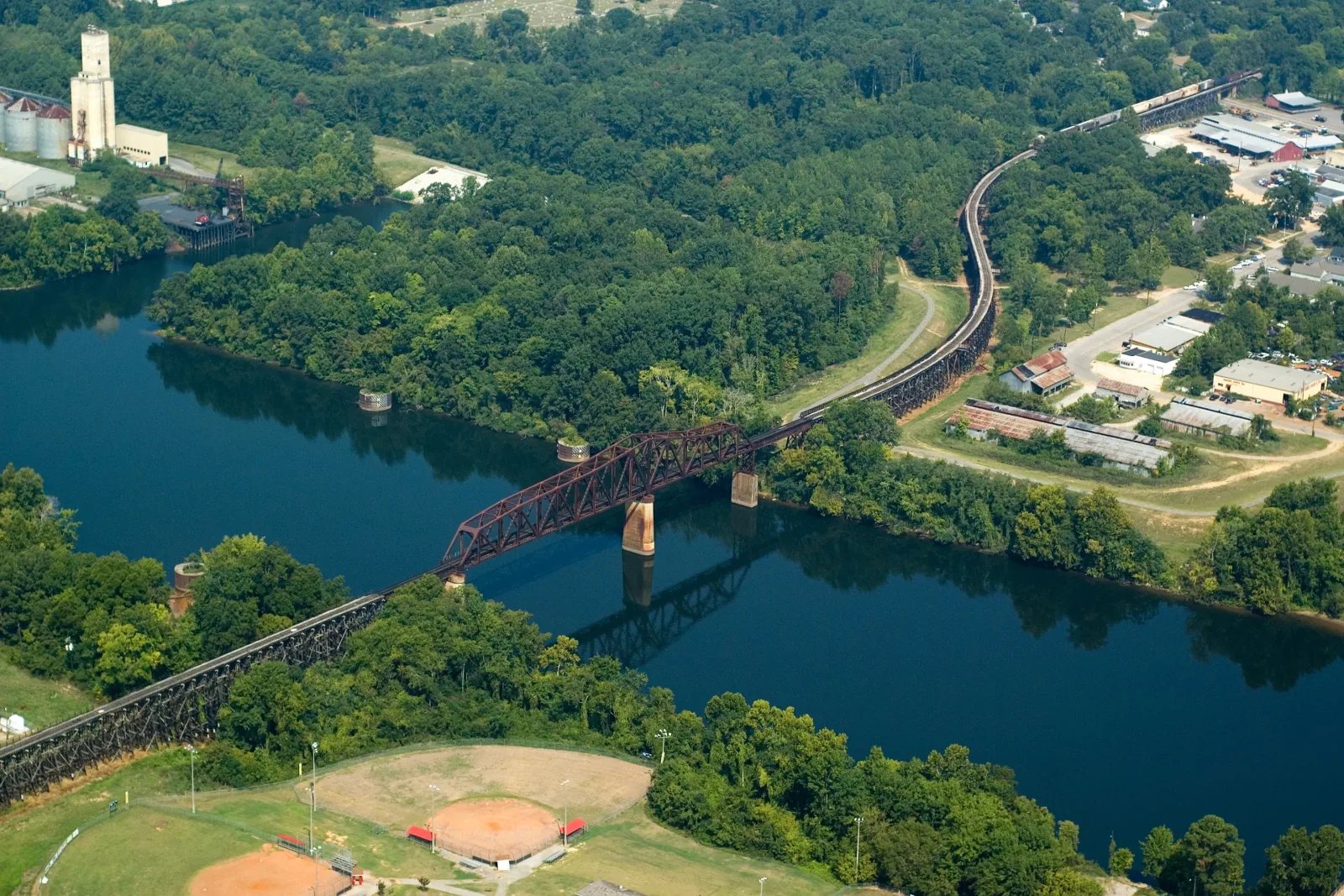
Northport sits along the Black Warrior River in Tuscaloosa County, a setting that brings both heavy seasonal rainfall and a long humid season. Those two factors drive most of the restoration work in the area.
Frequent Causes of Loss
- Intense spring thunderstorms overwhelming gutters, downspouts, and yard drainage
- Tornado and severe wind events pulling shingles loose, allowing rain into attics
- Riverine and flash flooding affecting low-lying lots near creeks and tributaries
- Aging cast iron or clay sewer laterals under older homes backing up during heavy rain
- Kitchen fires, chimney fires, and electrical faults in homes with dated wiring
- Crawl space moisture wicking upward into floor joists and subfloor
- Undersized or failing sump pumps in finished basements and daylight basements
Warning Signs Worth Acting On
- Musty odor that intensifies when the HVAC system cycles on
- Cupping, buckling, or dark seams in hardwood and laminate flooring
- Cool, soft spots on baseboards or drywall at floor level
- Staining on ceiling tiles below bathrooms or attic spaces
- Gurgling floor drains or slow tub drainage before a full sewage backup
- Yellowing on walls or a lingering smoky smell weeks after a small kitchen fire
- Condensation on windows and supply registers during summer months
Catching any of these early usually means targeted drying or cleaning instead of demolition and rebuilding.
Neighborhoods We Serve in Northport
Restoration crews cover all of Northport and the surrounding Tuscaloosa County communities, with familiarity in each area's housing stock and drainage patterns.
- Downtown Northport and the Historic District along Main Avenue
- Neighborhoods near Highway 43 and McFarland Boulevard corridors
- The Highlands, Woodland Forrest, and North River communities
- Rice Mine Road and Watermelon Road residential areas
- Lake Tuscaloosa shoreline properties and nearby subdivisions
- Areas along Flatwoods Road and Mitt Lary Road
- Commercial properties along 4th Street and Lurleen Wallace Boulevard
Service also extends throughout the greater region, including Tuscaloosa, Cottondale, McCalla, Vance, Duncanville, Coker, Samantha, and Fosters. Knowing which streets pond during a downpour and which subdivisions sit on older sewer infrastructure shortens response time and sharpens the initial assessment.
Seasonal Damage Patterns in Northport
Restoration demand in Northport follows a predictable annual rhythm shaped by Alabama's weather.
- January - February: Cold snaps freeze exposed pipes in crawl spaces, unheated garages, and vacant properties. Burst supply lines are the top water damage call. Heating equipment and space heaters raise fire and smoke damage risk.
- March - May: Peak severe weather season. Tornadoes, straight-line winds, and torrential rain drive flooded basements, roof-origin water intrusion, and sewage backups when municipal lines surcharge.
- June - August: Heat and humidity make mold the dominant concern. Air conditioning condensate line clogs, crawl space moisture, and lingering dampness from spring storms all contribute. Lightning strikes cause occasional structure fires.
- September - October: Tropical systems moving inland from the Gulf bring wind-driven rain and localized flooding. Grill and outdoor fire incidents remain common early in the season.
- November - December: Holiday cooking fires, fireplace and chimney issues, and candle-related smoke damage rise sharply. Falling leaves clog gutters, redirecting water toward foundations.
Scheduling gutter clearing before winter and a crawl space inspection before summer heads off a large share of these seasonal losses.
Housing Characteristics & Restoration Considerations
Northport's housing mix spans early twentieth-century cottages near downtown to subdivisions built in the last two decades, and each era responds differently to water, fire, and mold.
Older Homes (pre-1970)
- Raised pier-and-beam construction with vented crawl spaces that trap humid air and feed mold on joists
- Original hardwood floors that cup quickly and require controlled drying rather than immediate replacement
- Plaster and lath walls that hold moisture longer than modern drywall and demand slower, monitored drying
- Cast iron and clay sewer laterals prone to root intrusion and backups
- Knob-and-tube or early wiring updates that raise electrical fire risk
Mid-Century and 1980s - 1990s Homes
- Slab-on-grade construction where water migrates under flooring and into wall cavities unseen
- Original HVAC ductwork in crawl spaces that circulates smoke odor and mold spores after a loss
- Fiberglass batt insulation that collapses and retains moisture once wet
Newer Construction
- Tighter building envelopes that hold moisture in when a leak occurs, accelerating mold growth
- Engineered wood products and OSB sheathing that lose structural integrity when saturated
- Finished basements and bonus rooms with carpet, pad, and drywall that need rapid extraction
Restoration plans account for these differences - a plaster wall in a historic Main Avenue home gets a very different drying protocol than a slab foundation in a North River subdivision.
Environmental Conditions & Damage Implications
Northport's climate and geology directly shape how quickly damage develops and how restoration is approached.
Climate and Humidity
- Roughly 55 inches of annual rainfall, well above the national average
- Summer relative humidity frequently above 70 percent, keeping materials from drying naturally
- Mild winters that allow mold growth nearly year-round rather than pausing seasonally
- Long growing season that supports heavy tree cover, contributing to clogged gutters and roof debris
Soil and Drainage
- Clay-heavy soils common in the Black Warrior River basin drain slowly and hold water against foundations
- Expansive clay shifts seasonally, creating foundation cracks that become entry points for groundwater
- Sloping lots near the river and Lake Tuscaloosa channel runoff toward below-grade living spaces
Water and Air Quality Factors
- Municipal water and sewer infrastructure of varying age, with older sections more prone to surcharge during storms
- Rural properties on septic systems where saturated drain fields cause backups into the home
- High pollen loads spring and fall that combine with smoke residue to worsen indoor air after a fire
Because ambient humidity is high, drying in Northport relies on sealed containment and commercial dehumidification rather than open windows and fans. Mold remediation includes negative air machines and HEPA filtration so spores are not simply redistributed. Sewage cleanup accounts for clay soil that keeps contamination near the surface longer than sandy ground would.
Working With Insurance After Storm and Flood Losses in Tuscaloosa County
Northport residents know severe weather firsthand. When a spring storm system moves through and dozens of properties are affected at once, the difference between a smooth claim and a stalled one usually comes down to documentation and sequencing.
What Happens in the First 24 Hours
- Emergency contact and dispatch, with 24/7 availability during active weather events
- Safety assessment - electrical hazards, structural stability, and contamination category for water losses
- Emergency mitigation: board-up, tarping, water extraction, or containment to stop damage from spreading
- Moisture mapping with meters and thermal imaging, plus photo documentation of every affected area
- Scope development shared directly with the adjuster and property owner
Documentation That Supports a Claim
- Pre-mitigation photographs of standing water, soot lines, and damaged contents
- Daily moisture readings showing drying progress toward established targets
- Equipment logs recording air movers and dehumidifiers placed and duration in use
- Itemized inventory of removed materials and packed-out contents
- Category and class designations for water losses, which affect what coverage applies
Coverage Details Northport Owners Should Understand
- Standard homeowners policies typically cover sudden pipe bursts but not surface flooding from rising water
- Separate flood coverage matters for properties near the Black Warrior River and low-lying creek areas
- Sewage backup often requires a specific endorsement rather than being included by default
- Long-term seepage and unaddressed mold are commonly excluded, which is why early reporting matters
Local crews familiar with Tuscaloosa County adjusters, permitting for reconstruction in Northport, and the practical realities of storm season help owners move from emergency response to finished repair without unnecessary delays.





