
Damage Restoration in Atmore, AL
- Damage Restoration Services Overview
- Common Damage Restoration Issues in Atmore, Alabama
- Neighborhoods We Serve in Atmore
- Seasonal Damage Patterns in Atmore
- Seasonal Damage Patterns in Atmore
- Housing Characteristics & Restoration Considerations
- Environmental Conditions & Damage Implications
- Insurance Claims and Storm Response Coordination for Atmore Property Owners
Damage Restoration Services Overview
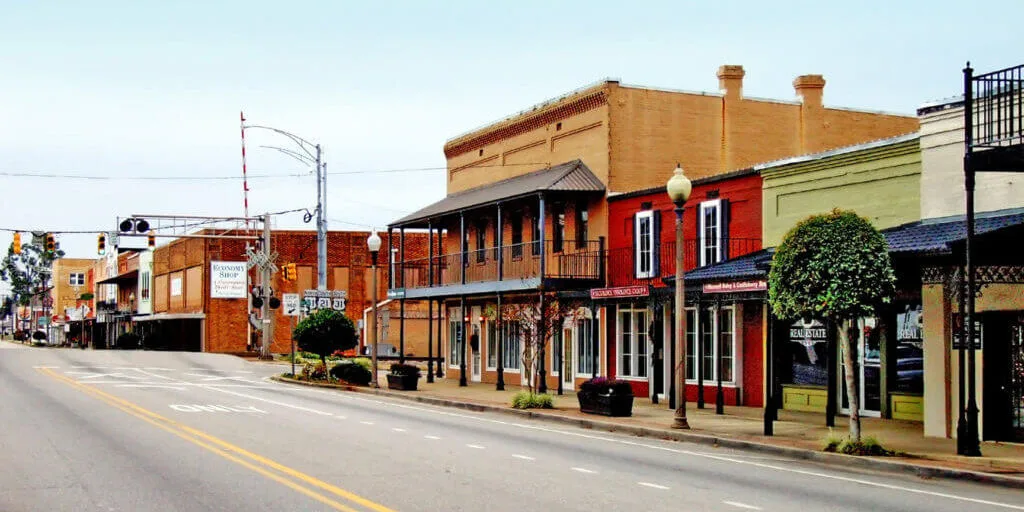
Atmore sits roughly 50 miles from the Gulf of Mexico - close enough that a tropical system making landfall near Mobile Bay can still deliver damaging rain and wind to Escambia County hours later. Hurricane Sally alone dropped rainfall totals across southwest Alabama that overwhelmed drainage systems built for far less.
That geography shapes the restoration work homes and businesses here need most:
- Water Damage Restoration - extraction, structural drying, and moisture mapping after burst supply lines, roof leaks, water heater failures, and storm intrusion
- Flooded Basement & Below-Grade Cleanup - pump-out and drying for crawl spaces, sunken dens, storm shelters, and the handful of true basements in the area
- Sewage Cleanup - containment and decontamination after septic backups, main line failures, and storm-surcharged drains
- Fire Damage Restoration - debris removal, structural stabilization, and content recovery following kitchen, electrical, and lightning-related fires
- Smoke Damage Restoration - soot removal, thermal fogging, HVAC cleaning, and odor neutralization in areas the flames never reached
- Mold Removal - containment, controlled removal, and drying of hidden growth behind walls, under flooring, and in humid crawl spaces
Acting quickly matters more here than in drier climates. With average humidity staying high most of the year, damp materials in an Atmore home rarely dry on their own - they feed mold colonies within days.
Common Damage Restoration Issues in Atmore, Alabama
Most restoration calls in Atmore trace back to three sources: tropical weather, aging plumbing, and persistent humidity working on materials that never fully dried out.
Weather-Driven Damage
- Tropical storm and hurricane rainfall pushing water under doors, through soffits, and around window flashing
- Wind-lifted shingles and ridge caps that let rain enter attics unnoticed
- Flash flooding along low ground near Big Escambia Creek and area drainage ditches
- Lightning strikes on tall pines and rooflines that ignite attic and electrical fires
- Straight-line winds driving debris through windows and siding
Plumbing and Sewage Problems
- Galvanized and early copper supply lines corroding through in older homes near downtown
- Septic systems in rural Escambia County backing up when sandy soil drain fields saturate
- Tree roots from live oaks and pines invading clay sewer laterals
- Supply hoses behind washing machines and under sinks failing without warning
Warning Signs Worth Investigating
- A musty smell that returns every time the air conditioning cycles on
- Buckled or cupped hardwood, or vinyl plank lifting at seams
- Discolored ceiling rings that darken after heavy rain
- Cool, damp air rising through floor vents from the crawl space
- Persistent smoke odor that reappears in warm, humid weather after a small fire
- Sagging insulation or condensation on ductwork under the house
Neighborhoods We Serve in Atmore
Restoration crews respond throughout Atmore proper and the surrounding communities of Escambia County and beyond.
- Downtown Atmore - historic commercial buildings and older frame residences along Main Street and Ridgeley Street
- Poarch - Poarch Creek community, Wind Creek area properties, and nearby residential streets
- Canoe and Huxford - rural properties on septic systems with well water
- Nokomis, Freemanville, and Wallace - scattered acreage homes and manufactured housing
- McCullough and Perdido - properties near creek bottoms prone to flash flooding
- Flomaton, Brewton, East Brewton, and Uriah - neighboring Escambia and Monroe County towns
- Century and Bratt, Florida - just across the state line
Response includes single-family homes, rental properties, churches, schools, small manufacturing facilities, and retail spaces along Highway 21 and the I-65 corridor.
Seasonal Damage Patterns in Atmore
Seasonal Damage Patterns in Atmore
- January - February: Occasional hard freezes crack exposed pipes under raised homes and in unheated utility rooms. Space heaters and fireplaces drive a seasonal rise in fire and smoke damage calls.
- March - April: Severe thunderstorm and tornado season brings wind-driven rain, roof breaches, and flash flooding into crawl spaces and low-lying rooms.
- May - June: Rising humidity activates mold growth in anything that stayed damp through spring storms. Air conditioning condensate line clogs begin flooding hallway closets and attics.
- July - August: Daily afternoon downpours saturate ground already holding water. Septic drain fields struggle, producing sewage backups in rural areas.
- September - October: Peak Atlantic hurricane season. This window accounts for the heaviest storm-related water damage, flooded below-grade spaces, and power-outage-related fires from generators and candles.
- November - December: Heating systems restart, igniting dust in ductwork and producing smoke odor complaints. Holiday cooking fires and dry pine debris around structures add risk.
Housing Characteristics & Restoration Considerations
Atmore's housing stock skews older than the national average, with a large share of homes built between the 1940s and 1980s and a meaningful percentage of manufactured housing in outlying areas. Construction style directly changes how restoration is approached.
Common Construction Types
- Raised pier-and-beam homes - vented crawl spaces that trap humid air, making subfloor and joist drying a routine part of water loss work
- Slab-on-grade brick ranches - water travels sideways under flooring and wicks into bottom plates and drywall
- Historic frame houses downtown - plaster walls, shiplap sheathing, and original heart pine that require slower, gentler drying
- Manufactured and modular homes - belly wrap holds water against insulation, and particleboard subfloor swells quickly
- Metal-clad commercial and agricultural buildings - condensation and roof seam leaks create hidden moisture
How Age Affects the Work
- Homes predating the late 1970s may contain asbestos floor tile, mastic, or textured ceilings requiring testing before demolition
- Lead-based paint protocols apply to pre-1978 structures during fire and water repairs
- Original cast iron and clay drain lines are more prone to sewage backups than modern PVC
- Knob-and-tube or early aluminum branch wiring raises electrical fire risk in some older properties
- Blown-in attic insulation holds soot and smoke odor and usually needs full replacement after a fire
True full basements are uncommon this close to the coast, so "flooded basement" work in Atmore most often means pumping and drying crawl spaces, sunken living areas, storm shelters, and partial cellars beneath older homes.
Environmental Conditions & Damage Implications
Atmore's environment is close to ideal for mold - warm, wet, and humid for most of the calendar year.
Climate and Moisture
- Annual rainfall in this part of southwest Alabama regularly exceeds 60 inches
- Relative humidity frequently sits above 70 percent, slowing natural drying to a crawl
- Long warm seasons keep material temperatures in the range where mold spores germinate readily
- Dew point often exceeds crawl space surface temperatures, causing condensation on ducts and joists
Soil and Groundwater
- Coastal plain sandy loam drains quickly at the surface but sits atop denser clay layers that perch water
- Shallow water tables in creek-adjacent areas push moisture up through slabs and crawl space soil
- Saturated ground reduces septic drain field capacity, contributing to backups after extended rain
- Vapor barriers in crawl spaces are frequently torn or missing in older homes, allowing ground moisture into the structure
Air Quality Factors
- Heavy pine pollen loads in spring coat surfaces and clog HVAC filters, worsening indoor air after any loss
- Regional forestry and controlled burn smoke can complicate odor assessment following a fire
- Tight modern additions grafted onto leaky older homes create pressure imbalances that pull humid outside air indoors
These conditions mean drying targets are set against local baseline humidity, not generic national numbers, and dehumidification usually runs alongside air movement rather than after it.
Insurance Claims and Storm Response Coordination for Atmore Property Owners
After a major storm hits Escambia County, the biggest source of frustration is rarely the damage itself - it is not knowing what happens next. Clear documentation and plain-language updates solve most of that.
What Thorough Documentation Includes
- Photographs and video of affected areas before any material is removed
- Moisture meter and thermal readings recorded at the start and tracked daily
- Written scope describing what will be dried in place and what must be removed
- Equipment logs showing what ran, where, and for how long
- Itemized records of salvageable versus non-salvageable contents
- Air sampling results where mold is suspected behind finished surfaces
How the Claim Process Typically Flows
- Stop the source of water, secure the structure, and address immediate safety hazards
- Notify your insurance carrier and open a claim before major demolition begins
- Allow an inspection that maps the full extent of moisture, soot, or contamination
- Review the proposed scope of work together so expectations are set in writing
- Coordinate directly with the adjuster on findings, readings, and any scope changes
- Complete drying or cleaning, verify results, then move into repairs and reconstruction
Questions Worth Asking Any Restoration Provider
- Are technicians IICRC certified for water, fire, and mold work?
- Who handles communication with my adjuster, and how often will I hear from them?
- Will you show me the moisture readings rather than just telling me the job is finished?
- What is the containment plan for sewage or mold work, and how will my family be protected?
- Does the same company handle both mitigation and the rebuild, or will I need a separate contractor?
Storm-related losses often affect entire neighborhoods at once, and demand for crews and equipment spikes across Atmore, Poarch, Flomaton, and Century simultaneously. Contacting a provider early, keeping your own photo record, and holding onto receipts for tarps, pumps, and temporary lodging puts you in a stronger position when the claim is reviewed.





