
Damage Restoration in Fort Payne, AL
- Damage Restoration Services Overview
- Common Damage Restoration Issues in Fort Payne, Alabama
- Neighborhoods We Serve in Fort Payne
- Seasonal Damage Patterns in Fort Payne
- Housing Characteristics & Restoration Considerations
- Environmental Conditions & Damage Implications
- Flash Flooding, Storm Season, and Emergency Response in the Wills Valley
Damage Restoration Services Overview
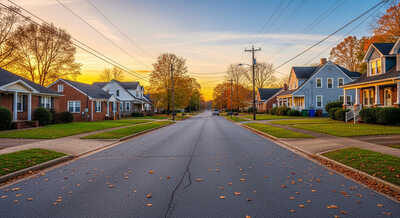
Fort Payne sits in a narrow valley along Big Wills Creek, wedged between Lookout Mountain and Sand Mountain. That geography creates beautiful scenery - and a genuine risk of fast-moving water when heavy rain rolls off the ridges into the valley floor.
Property damage here rarely stays simple. A single storm can push water into a basement, back up a sewer line, and leave behind moisture that feeds mold within days. Fire and smoke events bring their own layered problems, from soot residue to lingering odor trapped in drywall and HVAC systems.
Full-service restoration for DeKalb County properties covers:
- Water Damage Restoration - extraction, structural drying, and moisture mapping after leaks, roof failures, or flash flooding
- Flooded Basement Recovery - pump-out, dehumidification, and treatment of below-grade walls and flooring
- Sewage Cleanup - contaminated water removal, disinfection, and safe disposal of affected porous materials
- Fire Damage Restoration - debris removal, structural stabilization, and rebuilding of damaged areas
- Smoke Damage Restoration - soot cleaning, content restoration, and odor neutralization
- Mold Removal - containment, remediation, and correction of the moisture source behind the growth
The benefit for Fort Payne homeowners is straightforward: faster response limits secondary damage, protects belongings, and reduces the health risks that come with standing water, contaminated backups, and airborne soot particles.
Common Damage Restoration Issues in Fort Payne, Alabama
Valley drainage patterns, aging infrastructure, and North Alabama's severe weather season combine to produce a predictable set of restoration calls throughout DeKalb County.
Leading Causes of Property Damage Locally
- Flash flooding - runoff from Lookout Mountain and Sand Mountain slopes overwhelms creeks, ditches, and storm drains quickly
- Tornado and straight-line wind damage - spring storms tear roofing loose, allowing rain to saturate attics and ceilings
- Burst and frozen pipes - winter cold snaps affect uninsulated crawl space plumbing
- Appliance failures - water heaters, washing machine hoses, dishwashers, and refrigerator lines
- Sewer backups - saturated ground and root-intruded lines force wastewater back into floor drains and basement fixtures
- Kitchen and electrical fires - cooking incidents and older wiring in mid-century homes
- Space heater and fireplace incidents - common during December through February
Warning Signs Worth Acting On
- Musty odor in a basement, crawl space, or closet that never fully clears
- Buckling hardwood, cupping laminate, or soft spots underfoot
- Brown or yellow ceiling rings that grow after each rainfall
- Peeling paint or bubbling wallpaper along exterior walls
- Gurgling drains or slow toilets that signal a partial sewer blockage
- Soot film returning on walls and vents weeks after a small fire
- Unexplained allergy symptoms that improve when you leave the house
Any of these signals moisture or contamination that is still active behind finished surfaces, and early inspection almost always keeps the repair smaller.
Neighborhoods We Serve in Fort Payne
Restoration crews cover the full spread of Fort Payne and the surrounding DeKalb County communities, from downtown historic blocks to mountain-top subdivisions.
- Downtown Fort Payne - historic commercial buildings, the depot district, and older brick storefronts
- Wills Valley and Big Wills Creek corridor - properties most exposed to creek rise and flash flooding
- Lookout Mountain Parkway communities - homes near DeSoto State Park and DeSoto Falls
- Sand Mountain / Sylvania side - rural residences and farm outbuildings
- Portersville, Adamsburg, and Hammondville
- Valley Head, Mentone, and Henagar
- Rainsville, Powell, and Fyffe
- Collinsville and Crossville
- Little River Canyon area properties and cabins
Coverage extends across DeKalb and Jackson counties, including businesses along Gault Avenue, schools, churches, rental properties, and vacation cabins that may sit empty when damage first occurs.
Seasonal Damage Patterns in Fort Payne
North Alabama's calendar shapes the type of restoration work needed each quarter.
- March through May - peak severe weather season. Tornadoes, hail, and heavy rain drive roof leaks, wind-driven water intrusion, and flooded basements. Sewer backups spike as saturated soil pressures municipal lines.
- June through August - humidity climbs and stays high. Mold growth accelerates in crawl spaces, attics, and unconditioned basements. Afternoon thunderstorms add sudden localized flooding, and AC condensate line clogs cause hidden ceiling and closet water damage.
- September through November - remnants of Gulf tropical systems can dump several inches of rain on the valley. Fireplace and chimney use resumes, raising smoke damage calls late in the season.
- December through February - hard freezes crack supply lines and split hose bibs. Heating equipment, space heaters, and holiday cooking increase fire damage risk. Thawing pipes often flood basements while homeowners are away.
Year-round, appliance failures and plumbing leaks stay steady regardless of weather, which is why 24/7 emergency response matters in every season.
Housing Characteristics & Restoration Considerations
Fort Payne's housing stock spans more than a century, and each era brings different restoration challenges.
Common Construction Types
- Early 1900s to 1940s homes - near downtown, often with plaster walls, wood lath, balloon framing, and original hardwood that requires careful, controlled drying
- 1950s to 1970s ranch homes - slab or crawl space foundations, aging galvanized or cast iron plumbing, and wiring that may not meet current standards
- 1980s to 2000s subdivisions - vinyl siding, engineered flooring, and finished basements that hold water against framing
- Mountain cabins and second homes - seasonal occupancy means leaks can run undetected for weeks
- Mobile and manufactured housing - common in rural DeKalb County, with underbelly insulation that traps moisture after a flood
How Construction Affects the Work
- Crawl space foundations trap humidity and are frequent mold sources beneath living areas
- Hillside lots with walk-out basements face hydrostatic pressure through block walls
- Plaster and lath dry slowly and often need extended dehumidification rather than immediate demolition
- Older homes may contain asbestos-bearing tile or insulation, requiring testing before demolition
- Balloon-framed walls allow fire, smoke, and odor to travel vertically between floors
- Ductwork in unconditioned spaces spreads soot and mold spores throughout the structure
Documenting materials and moisture readings room by room keeps the scope accurate and supports the insurance claim.
Environmental Conditions & Damage Implications
The valley's climate and geology directly influence how quickly damage spreads and how long drying takes.
Climate Factors
- Humid subtropical climate - summer relative humidity frequently sits above 70 percent, slowing evaporation and demanding stronger dehumidification
- Heavy annual rainfall - North Alabama receives well above the national average, keeping soil near saturation for long stretches
- Warm shoulder seasons - mold can colonize damp material in a matter of days rather than weeks
- Occasional hard freezes - short but sharp cold snaps that plumbing in older homes is not built for
Soil, Water, and Terrain
- Clay-heavy valley soils drain slowly and push water toward foundations rather than away
- Limestone and karst features beneath Lookout Mountain and Sand Mountain create unpredictable groundwater movement and sinkhole potential
- Steep slopes send runoff downhill fast, overwhelming gutters, French drains, and yard grading
- Big Wills Creek drainage toward the Coosa River can back up during sustained rainfall
- Rural properties on septic systems face field saturation and backups after prolonged wet periods
What This Means for Restoration
- Structural drying often needs more equipment and longer monitoring than in drier regions
- Mold prevention has to be built into every water job, not treated as a separate afterthought
- Smoke odor lingers longer in humid air, requiring thermal fogging or hydroxyl treatment
- Floodwater and sewage in this area should be treated as contaminated until testing says otherwise
Flash Flooding, Storm Season, and Emergency Response in the Wills Valley
Fort Payne's position at the bottom of a narrow valley means rainwater has one direction to go - down toward homes, roads, and basements. A storm that stalls over Lookout Mountain can send water into the valley within an hour, giving residents very little warning.
What Happens in the First 24 Hours
- Safety assessment - power and gas shutoff decisions, structural stability check, and identification of contaminated water categories
- Water extraction - truck-mounted and portable units pull standing water from basements, crawl spaces, and living areas
- Contamination control - sewage-affected areas are contained, unsalvageable porous materials are removed, and surfaces are disinfected
- Controlled demolition - wet insulation, saturated drywall, and delaminated flooring come out to expose framing
- Drying setup - air movers and commercial dehumidifiers are placed based on moisture mapping, not guesswork
- Daily monitoring - readings are logged until materials reach dry standard, then repairs begin
Steps Homeowners Can Take Before Crews Arrive
- Shut off the water supply if the source is a broken pipe or appliance
- Stay out of standing water where electrical outlets or panels may be submerged
- Photograph every affected room and damaged item for the insurance claim
- Move furniture, rugs, and boxes to a dry upper level if it is safe to do so
- Avoid running the HVAC system after a fire or sewage event to prevent spreading contaminants
- Do not attempt to clean soot with household products - improper wiping drives residue deeper into surfaces
Preparing for the Next Storm
- Clear gutters and extend downspouts well away from the foundation
- Install and test a sump pump with battery backup in below-grade spaces
- Add a backflow valve to protect against sewer line reversal
- Insulate crawl space plumbing before the first freeze
- Keep an inventory of belongings and current photos of each room
Local crews familiar with Wills Valley drainage, DeKalb County building styles, and Alabama storm patterns can move faster because they already know where the water goes and what it leaves behind.





