
Damage Restoration in Rainsville, AL
- Damage Restoration Services Overview
- Common Damage Restoration Issues in Rainsville, Alabama
- Neighborhoods We Serve in Rainsville
- Seasonal Damage Patterns in Rainsville
- Housing Characteristics & Restoration Considerations
- Environmental Conditions & Damage Implications
- Storm Response and Insurance Documentation on Sand Mountain
Damage Restoration Services Overview
Water that sits for a weekend does not simply dry up and disappear. It migrates into wall cavities, wicks up drywall, saturates subfloor decking, and creates the humid, dark conditions mold colonies need to establish themselves. Smoke residues behave the same way - acidic soot keeps etching metal, glass, and finishes long after the flames are out.
Rainsville homeowners and business owners on Sand Mountain have access to a full range of restoration work, each addressing a different stage of loss:
- Water Damage Restoration - extraction, structural drying, and moisture mapping after supply line breaks, roof leaks, or appliance failures
- Flooded Basement cleanup - pumping standing water, drying foundation walls, and addressing hydrostatic pressure entry points
- Sewage Cleanup - containment, removal of contaminated porous materials, and antimicrobial treatment of Category 3 losses
- Fire Damage Restoration - debris removal, structural stabilization, and content cleaning after flame and heat damage
- Smoke Damage Restoration - soot removal, thermal fogging, HVAC cleaning, and odor neutralization
- Mold Removal - containment barriers, HEPA filtration, affected material removal, and moisture source correction
The benefit of moving quickly is straightforward: fewer materials get thrown away, insurance documentation stays clean, and families return to normal routines sooner.
Common Damage Restoration Issues in Rainsville, Alabama
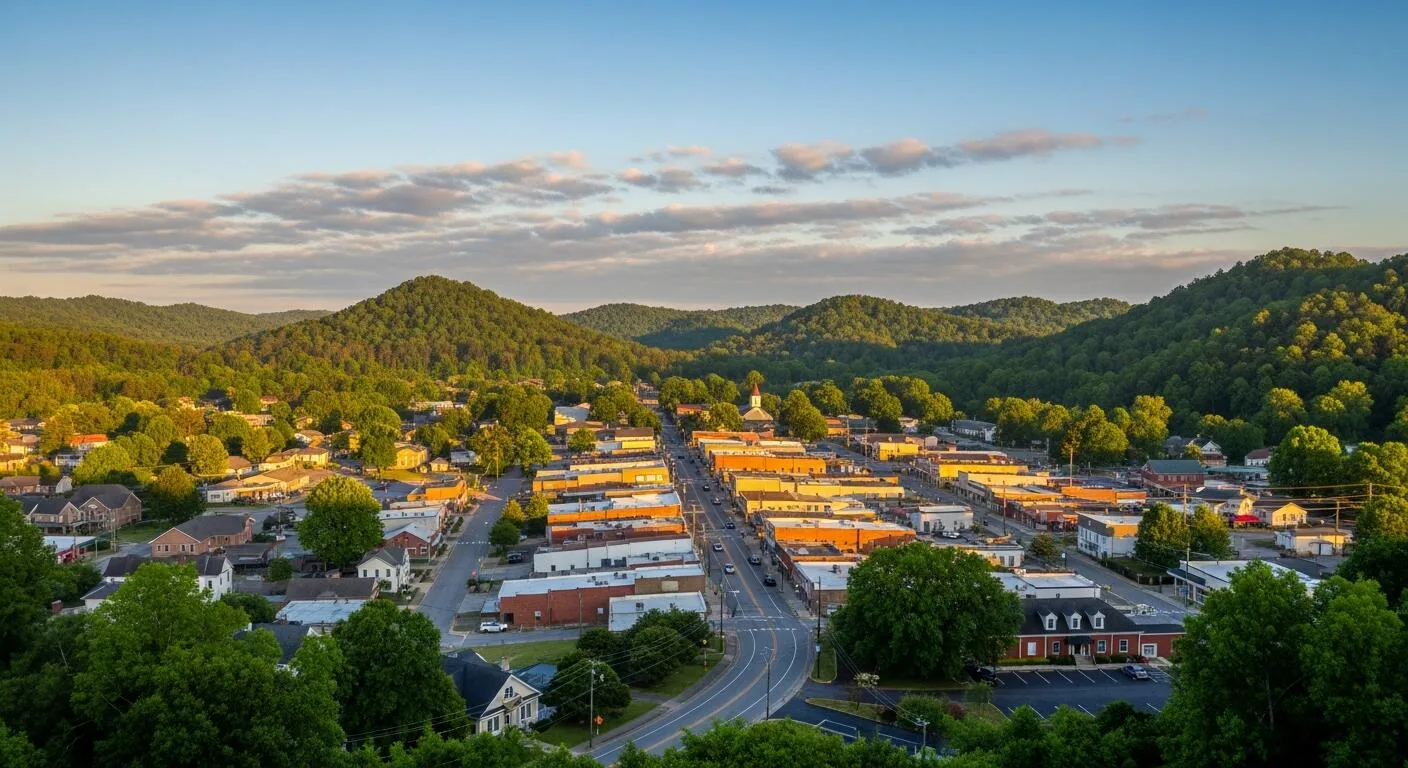
Sitting atop Sand Mountain in DeKalb County, Rainsville deals with a mix of severe storm exposure, older housing stock, and clay-heavy soils that hold water against foundations.
Local Causes of Loss
- Severe thunderstorms and tornadoes - northeast Alabama sits in the heart of Dixie Alley, and wind-driven rain through compromised roofing is a leading water intrusion path
- Hail and wind damage to shingles - small punctures allow slow, hidden attic leaks that surface months later as ceiling stains
- Septic system backups - many properties outside the city core rely on septic tanks and field lines that saturate during heavy rain
- Frozen and burst pipes - the plateau elevation brings colder snaps than valley towns, and pipes in crawl spaces are especially vulnerable
- Space heater and wood stove fires - supplemental heating is common on Sand Mountain during winter
- Poor crawl space ventilation - a persistent driver of mold growth under raised-floor homes
Warning Signs Worth Acting On
- Musty or earthy odors that intensify when the HVAC cycles on
- Cupping, buckling, or discolored hardwood and laminate flooring
- Efflorescence - white chalky deposits - on basement or foundation walls
- Gurgling floor drains or slow drainage in multiple fixtures at once
- Sooty film returning on windows and light fixtures after cleaning
- Peeling paint, soft baseboards, or nail pops along exterior walls
- Allergy-like symptoms that improve when occupants leave the house
Neighborhoods We Serve in Rainsville
Restoration crews cover Rainsville proper and the surrounding Sand Mountain communities across DeKalb and Jackson Counties.
- Downtown Rainsville and the Main Street West business corridor
- Residential streets off Alabama Highway 75 and Highway 35
- Neighborhoods near Plainview High School and the Tom Bevill Enrichment Center
- Areas surrounding the Rainsville Civic Center and Northeast Alabama Community College
- Avalon Way and adjacent subdivisions
- Nearby communities: Sylvania, Fyffe, Henagar, Ider, Geraldine, Crossville, Powell, Dutton, and Grove Oak
- Fort Payne, Section, Pisgah, and the broader Jackson and DeKalb County service area
Rural properties along county roads and farm parcels outside the city limits are served as well - including homes on well water and septic systems where contamination response requires extra care.
Seasonal Damage Patterns in Rainsville
Spring (March - May)
- Peak tornado and severe storm season for northeast Alabama
- Roof breaches, wind-driven rain intrusion, and flooded basements
- Saturated ground overwhelming septic field lines, leading to sewage backups
Summer (June - August)
- High humidity fuels mold growth in crawl spaces, attics, and closets
- Air conditioning condensate line clogs causing ceiling and wall damage
- Lightning strikes triggering attic and electrical fires
Fall (September - November)
- Clogged gutters from leaf fall push water toward foundations
- Second severe weather season brings renewed storm damage
- Chimney and flue fires as wood stoves come back into service
Winter (December - February)
- Burst pipes in crawl spaces, exterior walls, and unheated outbuildings
- Space heater and holiday-related fire losses with heavy smoke damage
- Ice dams and slow roof leaks after freeze-thaw cycles on the plateau
Housing Characteristics & Restoration Considerations
Rainsville's housing stock reflects steady growth from the mid-20th century onward, with a strong mix of ranch homes, brick veneer construction, manufactured housing, and newer builds on former farmland.
How Local Construction Shapes Restoration Work
- Vented crawl spaces - common under older ranch homes, they trap humidity and are frequent mold removal sites; drying requires containment and dehumidification rather than fans alone
- Brick veneer over wood framing - moisture can travel behind the veneer, so thermal imaging and cavity drying are needed to avoid trapped water
- Partial and daylight basements - built into sloping Sand Mountain lots, these are prone to seepage at cold joints and around window wells
- Plaster and older drywall - homes from the 1950s through 1970s may hold asbestos-containing materials or lead paint requiring careful handling before demolition
- Manufactured and modular homes - belly wrap insulation holds water for weeks after a plumbing leak and typically must be opened and dried directly
- Original cast iron and galvanized plumbing - corrosion-related pinhole leaks and drain failures drive both water and sewage losses
- Open attic insulation - blown fiberglass and cellulose absorb smoke odor readily and often need removal during fire and smoke damage restoration
Newer subdivisions bring their own quirks - tighter building envelopes hold humidity longer, and engineered wood products swell aggressively once wet. Matching the drying approach to the assembly is what separates a lasting repair from a callback six months later.
Environmental Conditions & Damage Implications
Rainsville sits roughly 1,200 feet above sea level on the Sand Mountain plateau, with a humid subtropical climate and generous annual rainfall - typically well above the national average.
Climate and Moisture
- Summer dew points regularly stay high enough to sustain mold growth without any plumbing leak at all
- Heavy convective downpours drop large volumes of rain in short windows, overwhelming gutters and yard drainage
- Winter freeze-thaw cycles stress foundation joints and exterior plumbing
Soil and Groundwater
- Sandstone-capped plateau with clay-rich subsoil that drains slowly and holds water against footings
- Karst features and limestone below the cap can create unpredictable subsurface water movement
- Saturated clay expands and contracts, opening hairline cracks that become basement seepage paths
Water and Air Quality Factors
- Many rural properties draw from private wells - sewage backups near a wellhead call for immediate containment and testing
- Agricultural activity, poultry operations, and seasonal field burning add particulates that complicate post-fire air quality assessment
- Pollen loads in spring settle into HVAC systems, compounding smoke odor issues if ductwork is not cleaned
These conditions mean drying targets in Rainsville often need to be more aggressive than generic guidelines suggest. Equipment placement, containment, and continuous moisture monitoring matter more here than in drier climates.
Storm Response and Insurance Documentation on Sand Mountain
When a line of storms tracks across DeKalb County, dozens of Rainsville properties can be affected within the same hour. Response capacity and documentation quality become the deciding factors in how smoothly a claim moves.
What to Do in the First Hours
- Confirm the structure is safe to enter - watch for downed lines, sagging ceilings, and compromised roof framing
- Shut off water at the main if a plumbing failure caused the loss; shut off power to affected circuits if water is near outlets
- Photograph and video everything before moving anything, including standing water depth and ceiling stains
- Contact a restoration provider to begin emergency mitigation and tarping or board-up
- Notify your insurance carrier and record the claim number and adjuster contact
- Keep damaged items available for inspection when it is safe to do so
- Save receipts for temporary lodging, fans, and emergency supplies
Documentation That Strengthens a Claim
- Daily moisture readings from affected materials, logged by location
- Thermal imaging showing hidden moisture behind brick veneer and under flooring
- Equipment logs recording air mover and dehumidifier placement and runtime
- Photo records before, during, and after demolition and cleaning
- Written scope tied to industry-standard drying and remediation practices
- Category and class determinations for water losses, particularly sewage events
Local Coordination
Restoration work in Rainsville often runs alongside other trades - roofers repairing hail-damaged shingles, plumbers correcting the failure that caused the loss, and septic contractors pumping tanks after a backup. Sequencing matters: the water source must be corrected before drying finishes, and drying must be verified before reconstruction begins. Providers familiar with DeKalb and Jackson County permitting and local subcontractors can keep that sequence tight, which shortens the overall timeline and limits secondary damage.





