
Damage Restoration in Lexington, NC
- Damage Restoration Services Overview
- Common Damage Restoration Issues in Lexington, North Carolina
- Neighborhoods We Serve in Lexington
- Seasonal Damage Patterns in Lexington
- Housing Characteristics & Restoration Considerations
- Environmental Conditions & Damage Implications
- 24/7 Emergency Response Across Davidson County
Damage Restoration Services Overview
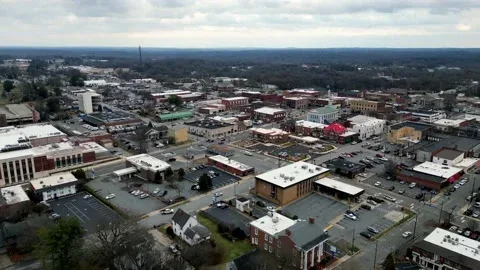
Lexington sits in the heart of Davidson County, where humid Piedmont summers, clay-heavy soil, and a housing stock that spans mill-era cottages to newer subdivisions create restoration challenges you won't find in coastal or mountain communities. Water moves slowly through this ground, storms roll in fast off the Yadkin River basin, and older homes hide moisture in places most homeowners never think to check.
Restoration work here covers the full range of property emergencies:
- Water Damage Restoration - burst supply lines, roof leaks, appliance failures, and storm intrusion extracted and dried before secondary damage sets in
- Flooded Basement - pumping, extraction, and structural drying for below-grade spaces along Lexington's sloped lots and older foundations
- Sewage Cleanup - safe removal of Category 3 contaminated water, with full disinfection of affected materials and surfaces
- Fire Damage Restoration - board-up, debris removal, soot cleaning, and rebuilding of damaged structural elements
- Smoke Damage Restoration - odor neutralization, HVAC decontamination, and content cleaning after kitchen, chimney, or electrical fires
- Mold Removal - containment, remediation, and moisture-source correction in crawl spaces, bathrooms, and attics
Fast local response matters most. Providers including SERVPRO, PuroClean, and Canopy Restoration Group maintain crews near Lexington so extraction begins while damage is still contained rather than spreading through subfloors and wall cavities.
Common Damage Restoration Issues in Lexington, North Carolina
Flooding is the single most frequent trigger for restoration calls in the Lexington area, and it rarely arrives alone - water intrusion sets off a chain reaction that leads to mold, ruined contents, and compromised electrical systems.
Local Causes of Property Damage
- Heavy Piedmont thunderstorms overwhelming gutters, downspouts, and yard drainage
- Clay soil that sheds rather than absorbs water, pushing runoff toward foundations
- Crawl space moisture from poor vapor barriers and blocked vents
- Aging cast iron and clay sewer laterals in older Lexington neighborhoods backing up during saturated conditions
- Winter pipe freezes in uninsulated crawl spaces and exterior walls
- Kitchen grease fires, space heater incidents, and chimney fires during colder months
- Electrical faults in homes with original mid-century wiring
Warning Signs Worth Acting On
- Musty or earthy odors that intensify when the HVAC runs - a common early indicator of hidden mold
- Cupping, buckling, or discolored flooring near dishwashers, water heaters, and refrigerators
- Staining or bubbling paint on ceilings below bathrooms or attic spaces
- Slow drains in multiple fixtures at once, which often precedes a full sewage backup
- Persistent smoke odor that returns days after a small fire, indicating soot residue inside ductwork
- Standing water or damp soil in crawl spaces after rainfall
- Efflorescence - white powdery deposits - on basement or foundation walls
Floodwater in the Lexington area travels through damaged walls and roofs, saturates carpet and upholstery, destroys documents, and reaches electrical systems. Quick action limits how far that spread goes.
Neighborhoods We Serve in Lexington
Restoration crews cover the full city and reach surrounding Davidson County communities, adapting methods to each area's housing age and drainage conditions.
- Uptown Lexington and the historic core - older brick and wood-frame properties needing careful soot and moisture work
- Erlanger Mill Village - compact mill homes with original plumbing and tight crawl spaces
- Robbins and West Lexington - established residential streets with mature trees and storm-drain pressure
- Country Club and Winston Road corridor - mixed residential and commercial properties
- Cotton Grove and Southmont - lakeside properties near High Rock Lake with elevated humidity exposure
- Tyro, Reeds, and Churchland - rural western Davidson County homes on well and septic systems
- Welcome, Midway, and Wallburg - newer subdivisions to the north
- Linwood, Arcadia, and Denton - outlying communities within service range
Commercial clients along Highway 64, Business 85, and the Lexington industrial corridor receive the same emergency coverage as residential customers.
Seasonal Damage Patterns in Lexington
Each season brings a distinct restoration profile in Davidson County, and knowing the pattern helps property owners prepare before the call becomes urgent.
Winter (December - February)
- Frozen and burst pipes in crawl spaces, garages, and exterior walls
- Peak fire and smoke damage season from heating equipment, fireplaces, and space heaters
- Ice dam backup on low-slope roofs during occasional freeze events
Spring (March - May)
- Heavy rainfall driving flooded basements and crawl space saturation
- Sewage backups as saturated ground infiltrates aging laterals
- Mold growth accelerating as temperatures climb above 60 degrees
Summer (June - August)
- Peak mold removal demand from sustained humidity above 70 percent
- Storm-driven roof leaks and wind damage from afternoon thunderstorms
- HVAC condensate overflow flooding closets, attics, and ceilings
Fall (September - November)
- Tropical system remnants delivering heavy rain and localized flooding
- Clogged gutters from leaf fall redirecting water into foundations
- First-use chimney and furnace fires as heating season begins
Housing Characteristics & Restoration Considerations
Lexington's housing stock skews older than the North Carolina average, with a large share of homes built between the 1920s and 1970s during the furniture and textile manufacturing era. That age shapes nearly every restoration decision.
Construction Types Found Across Lexington
- Mill-era wood-frame cottages - shallow crawl spaces, original hardwood, plaster or early drywall that absorbs water rapidly
- Mid-century brick ranches - slab or crawl space foundations, ductwork in unconditioned spaces prone to condensation
- Split-level and basement homes - partial below-grade living space vulnerable to hydrostatic seepage
- Post-2000 subdivisions - engineered lumber, OSB sheathing, and vinyl plank flooring that trap moisture underneath
- Converted commercial and loft spaces uptown - masonry walls and timber framing requiring specialized drying
How Age Affects Each Service
- Water damage - older galvanized and polybutylene supply lines fail without warning, and plaster walls hold moisture behind the surface
- Flooded basements - block foundations without exterior waterproofing allow lateral seepage that must be dried before finishes are replaced
- Sewage cleanup - clay laterals with root intrusion increase backup risk, and porous older subfloors usually require removal rather than cleaning
- Fire and smoke - balloon framing in pre-1940 homes lets fire and smoke travel vertically inside wall cavities
- Mold removal - vented crawl spaces with thin or missing vapor barriers are the most common source of recurring growth
Asbestos and lead-containing materials are also a consideration in pre-1980 properties, requiring careful handling during demolition.
Environmental Conditions & Damage Implications
Lexington's humid subtropical climate keeps moisture in play year-round, which is why drying and mold control dominate local restoration work.
Climate and Moisture Factors
- Roughly 45 inches of annual rainfall, concentrated in spring and late summer storms
- Summer relative humidity frequently exceeding 70 percent, well above the 60 percent threshold where mold thrives
- Mild winters with repeated freeze-thaw cycles that stress pipes and foundation mortar
- Proximity to High Rock Lake and the Yadkin River elevating ambient moisture in southern Davidson County
Soil and Drainage
- Piedmont red clay with low permeability, causing water to pool at foundation walls instead of draining away
- Rolling terrain that channels runoff toward low-lying lots and basement walkouts
- Seasonal soil expansion and contraction that opens foundation cracks over time
What This Means for Restoration
- Extraction alone is never enough - commercial dehumidification and air movers are required to pull bound moisture from framing and subfloor
- Moisture meters and thermal imaging confirm drying goals before reconstruction begins
- Mold remediation includes correcting the source - grading, gutters, sump systems, or vapor barriers
- Smoke odor lingers longer in humid air, so hydroxyl or ozone treatment plus HVAC cleaning is standard
- Well and septic properties in rural Davidson County need additional sanitation steps after sewage events
Pollen-heavy spring air and existing indoor allergen loads also make post-restoration air quality verification worthwhile for households with respiratory sensitivities.
24/7 Emergency Response Across Davidson County
The first hours after water intrusion, a fire, or a sewage backup determine how much of your property can be saved. Mold can begin colonizing damp drywall within 24 to 48 hours, soot becomes acidic and etches surfaces quickly, and contaminated water spreads bacteria with every passing hour.
What Happens When You Call
- Immediate dispatch - a local crew is routed from within the Lexington area, not from a distant metro hub
- Safety assessment - power, gas, and structural hazards are identified before anyone enters
- Source control - the leak is stopped, the sewer line isolated, or the structure boarded up and tarped
- Extraction and removal - standing water is pumped out and unsalvageable porous materials are removed
- Drying and stabilization - air movers, dehumidifiers, and containment are set with daily moisture readings
- Cleaning and decontamination - antimicrobial application, soot removal, content cleaning, and odor neutralization
- Reconstruction - drywall, flooring, paint, and trim restored to pre-loss condition
Steps to Take Before Crews Arrive
- Shut off the main water supply if a pipe or appliance has failed
- Stay out of rooms with standing water near outlets or panels
- Avoid all contact with sewage-contaminated water and keep pets and children away
- Do not re-enter a fire-damaged structure until it has been cleared
- Photograph visible damage for your insurance claim
- Resist wiping soot - improper cleaning drives residue deeper into surfaces
Working With Your Insurer
Certified technicians document moisture readings, material loss, and drying progress in the format adjusters expect, and coordinate directly with carriers so Lexington homeowners and business operators spend less time on paperwork and more time getting back to normal.





