
Damage Restoration in Hope Mills, NC
- Damage Restoration Services Overview
- Common Damage Restoration Issues in Hope Mills, North Carolina
- Neighborhoods We Serve in Hope Mills
- Seasonal Damage Patterns in Hope Mills
- Housing Characteristics & Restoration Considerations
- Environmental Conditions & Damage Implications
- Hurricane and Tropical Storm Recovery for Hope Mills Property Owners
Damage Restoration Services Overview
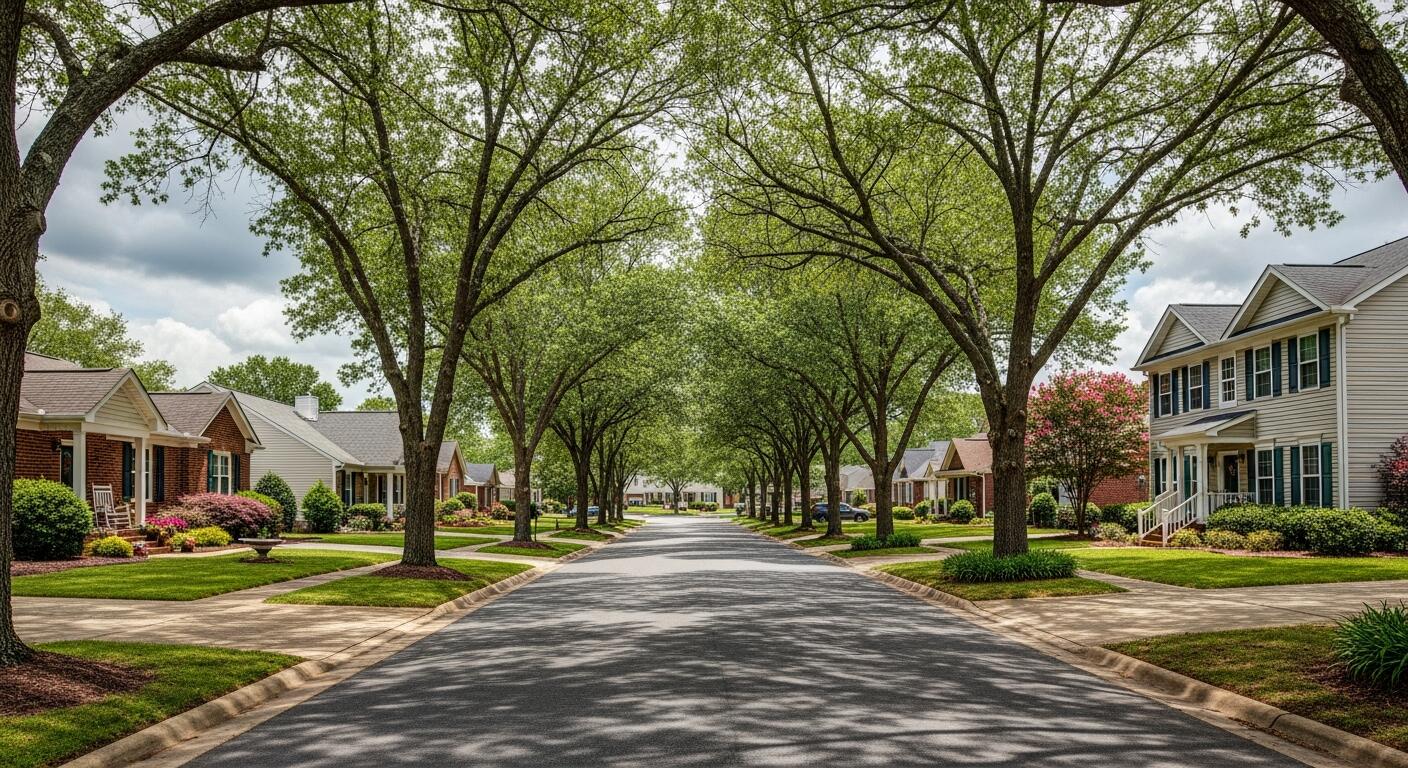
Hope Mills sits in the Sandhills region of Cumberland County, where humid summers, tropical storm remnants, and a high water table combine to put homes and businesses under constant moisture pressure. Properties near Hope Mills Lake, Rockfish Creek, and the low-lying pockets off Camden Road see repeat water intrusion that dries slowly and invites microbial growth.
Restoration work here covers a full range of emergencies, each requiring different equipment and containment methods:
- Water damage restoration - burst supply lines, roof leaks, appliance failures, and storm-driven rain intrusion
- Flooded basement cleanup - extraction, structural drying, and moisture mapping for below-grade and crawl space areas
- Sewage cleanup - Category 3 contamination from backed-up mains, septic failures, and toilet overflows
- Fire damage restoration - structural stabilization, board-up, debris removal, and contents recovery
- Smoke damage restoration - soot removal, HVAC decontamination, thermal fogging, and odor neutralization
- Mold removal - containment barriers, HEPA filtration, antimicrobial treatment, and material removal
The benefit of fast professional response is straightforward: contained damage, salvaged building materials, fewer contents lost, and documentation that supports an insurance claim. Companies including RestorePro Reconstruction, Gentry Restoration, and SERVPRO maintain rapid-response coverage across Hope Mills and surrounding Cumberland County communities.
Common Damage Restoration Issues in Hope Mills, North Carolina
Local geography drives most of the damage calls in this part of North Carolina. Sandy loam soil drains quickly at the surface but sits over clay layers that trap water against foundations after heavy rainfall.
Frequent Causes of Property Damage
- Tropical storm and hurricane remnants pushing rainfall totals past what storm drains can carry
- Rockfish Creek and Little Rockfish Creek backwater affecting nearby parcels
- Crawl space flooding under raised-foundation homes with failed vapor barriers
- Sump pump failures during extended power outages
- Septic system saturation in unsewered areas outside town limits
- Kitchen grease fires and space heater incidents during cold snaps
- Lightning strikes from summer thunderstorms causing attic and electrical fires
- HVAC condensate line clogs dripping into ceilings and wall cavities
Warning Signs Worth Acting On
- Musty or earthy odor in closets, crawl spaces, or near return air vents
- Cupping or buckling in hardwood and laminate flooring
- Discoloration or staining along baseboards and drywall seams
- Persistent condensation on windows and ductwork
- Gurgling drains or slow-clearing toilets, both early indicators of a main line backup
- Lingering smoke odor that returns on humid days after a small fire
- Peeling paint or efflorescence on block foundation walls
Sewage backups deserve particular caution. Wastewater carries bacteria and viruses that ordinary household cleaners cannot address, and porous materials touched by Category 3 water generally need removal rather than cleaning.
Neighborhoods We Serve in Hope Mills
Coverage spans the town and the surrounding Cumberland County corridor, including:
- Central Hope Mills - the Main Street corridor, Trade Street, and areas surrounding Hope Mills Lake and Municipal Park
- Rockfish and Golfview - established residential streets with mature tree canopy and older service lines
- Legion Road and Camden Road corridors - a mix of single-family homes, townhomes, and small commercial properties
- Lakewood, Brookstone, and Bridgewater - newer subdivisions with slab and crawl space construction
- Cumberland Road and Elk Road areas - along the northern edge toward Fayetteville
- Gray's Creek and Rockfish Township - rural parcels with private wells and septic systems
Service also reaches nearby Fayetteville, Fort Liberty housing areas, Spring Lake, Parkton, Raeford, Stedman, and Lumber Bridge - useful for military families managing property remotely during deployment or PCS transitions.
Seasonal Damage Patterns in Hope Mills
Damage types in Hope Mills shift predictably through the year, and knowing the pattern helps property owners prepare.
- January through February - Frozen and burst pipes in crawl spaces, exterior hose bibs, and unheated garages. Heating equipment and fireplace fires peak alongside space heater use.
- March through April - Spring rains and severe thunderstorms drive roof leaks, flooded basements, and crawl space standing water. Pollen loading strains HVAC filtration.
- May through June - Rising humidity accelerates mold growth in areas that stayed damp through winter. Early-season lightning fires increase.
- July through August - Peak humidity and afternoon storms. AC condensate overflows, ceiling stains, and mold behind vinyl wallpaper and furniture placed against exterior walls.
- September through October - Hurricane season peak. Wind-driven rain, sewer surcharges, septic saturation, and widespread water intrusion after tropical systems track inland.
- November through December - Cooking fires around holidays, smoke damage from improperly maintained flues, and the first freeze events stressing plumbing.
Mold remediation calls tend to trail water events by two to six weeks, which is why drying verification matters more than surface appearance.
Housing Characteristics & Restoration Considerations
Hope Mills housing stock spans several distinct construction eras, and each responds differently to water, fire, and microbial damage.
Older Homes (pre-1980)
- Raised crawl space foundations with block piers - prone to ground moisture wicking and vapor barrier failure
- Cast iron and galvanized drain lines nearing end of service life, raising sewage backup risk
- Plaster or older gypsum board that absorbs water deeply and dries slowly
- Possible asbestos-containing floor tile, mastic, and popcorn ceilings requiring testing before demolition
- Knob-and-tube or early aluminum wiring in a small share of properties, an ignition consideration
1980s Through 2000s Construction
- Slab-on-grade foundations where water travels laterally under flooring and is easy to miss
- Fiberglass batt insulation in crawl spaces that holds moisture and falls away once saturated
- Original HVAC ductwork in crawl spaces, a common path for smoke odor and mold spore distribution
Newer Subdivisions and Multifamily
- Tight building envelopes that trap moisture without mechanical dehumidification
- Engineered wood flooring and OSB subfloor that delaminate quickly once wet
- Shared walls in townhomes and duplexes allowing water and smoke to migrate between units
Crawl spaces are the single biggest restoration variable in Hope Mills. Because so many homes are built above grade rather than over basements, moisture problems develop out of sight - joists, subfloor, and insulation can sustain significant damage before anyone notices an odor upstairs. Encapsulation and dehumidification are frequently recommended after remediation.
Environmental Conditions & Damage Implications
The Sandhills climate creates conditions that both cause damage and complicate its cleanup.
Climate Factors
- Humid subtropical classification with long, warm, moisture-heavy summers
- Annual rainfall in the 45 to 50 inch range, much of it delivered in intense bursts
- Summer relative humidity regularly above 70 percent, keeping materials near mold-supporting moisture content
- Mild winters that allow mold activity nearly year-round rather than pausing it
- Tropical system exposure from June through November
Soil and Groundwater
- Sandy surface soils over denser clay subsoil, producing perched water against foundations
- Shallow water tables in low-lying areas near creeks and the lake, stressing crawl spaces and sump systems
- Slow subsurface drainage after multi-day rain events, prolonging crawl space saturation
Air and Water Quality Implications
- Heavy seasonal pine pollen loads HVAC filters, reducing airflow and increasing condensation issues
- Well water in rural township areas may carry iron and sediment that stain materials after a flood
- Smoke odor bonds more aggressively to surfaces in humid air, making thorough soot removal and sealing important
- Septic field saturation during wet periods raises the likelihood of Category 3 backups indoors
Practical takeaway: drying in Hope Mills requires controlled dehumidification, not open windows. Bringing in outdoor air during a humid stretch often adds moisture rather than removing it, which is why professional crews rely on containment, low-grain refrigerant dehumidifiers, and moisture meter readings to confirm materials reach dry standard.
Hurricane and Tropical Storm Recovery for Hope Mills Property Owners
Hope Mills has felt the inland reach of major tropical systems, and residents along Rockfish Creek know how quickly water rises when a storm stalls over the region. Storm recovery is rarely a single-service job - one event can produce water intrusion, sewage contamination, and mold growth in the same structure.
What to Do in the First 24 Hours
- Confirm the structure is safe to enter and shut off electricity to affected areas if water reached outlets or panels.
- Photograph and video every damaged room, contents, and exterior area before moving anything.
- Contact your insurance carrier to open a claim and record the claim number.
- Call a restoration provider for emergency extraction, tarping, or board-up - contained damage costs far less to repair.
- Treat any floodwater or backup as contaminated and keep children and pets out of affected rooms.
- Move salvageable contents to a dry, conditioned area rather than a hot garage.
How Storm Restoration Typically Proceeds
- Assessment and moisture mapping - thermal imaging and meters identify hidden saturation in walls, subfloor, and crawl spaces
- Extraction and debris removal - standing water pumped out, unsalvageable porous materials removed under containment
- Contamination control - antimicrobial application where sewage or floodwater was involved
- Structural drying - air movers and dehumidifiers run with daily readings until materials reach dry standard
- Odor and soot work - HVAC cleaning, sealing, and deodorization when fire or smoke was part of the event
- Reconstruction - drywall, insulation, flooring, trim, and paint returned to pre-loss condition
Preparing Before the Next Storm
- Clear gutters, downspouts, and yard drains ahead of storm season
- Test sump pumps and consider a battery backup for outage protection
- Inspect crawl space vapor barriers and grading around the foundation
- Keep an inventory with photos of major contents for claim documentation
- Know where your water main shutoff is located
For military families stationed at Fort Liberty and homeowners managing rentals in Hope Mills, having a restoration contact identified in advance shortens the gap between a loss and the start of drying - the window that determines whether mold remediation becomes part of the job.





