
Damage Restoration in James City, NC
- Damage Restoration Services Overview
- Common Damage Restoration Issues in James City, North Carolina
- Neighborhoods We Serve in James City
- Seasonal Damage Patterns in James City
- Housing Characteristics & Restoration Considerations
- Environmental Conditions & Damage Implications
- Storm Season Preparedness and Transparent Restoration for Craven County Property Owners
Damage Restoration Services Overview
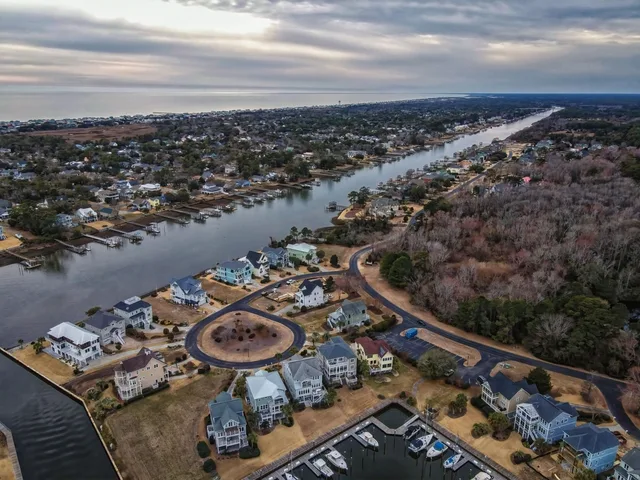
Few things unsettle a household faster than standing water in a hallway, the smell of smoke clinging to every surface, or a dark patch spreading across a bathroom ceiling. In James City, where the Neuse and Trent Rivers meet just across the water from downtown New Bern, property damage often arrives with little warning - a tropical system, a failed water heater, or a sewer line that backs up during heavy rain.
Restoration work covers a connected set of services, each addressing a different stage or type of loss:
- Water Damage Restoration - extraction, moisture mapping, and structural drying after leaks, storms, or appliance failures
- Flooded Basement - pumping, cleaning, and drying below-grade and low-lying spaces where water collects and lingers
- Sewage Cleanup - removal of contaminated material, disinfection, and safe disposal following backups or septic failures
- Fire Damage Restoration - debris removal, soot cleaning, structural stabilization, and content recovery
- Smoke Damage Restoration - odor neutralization, HVAC cleaning, and treatment of surfaces smoke reached even when flames did not
- Mold Removal - containment, safe removal, and correction of the moisture source that allowed growth
Handled properly, these services protect the value of your property, limit secondary damage, and shorten the time your family spends living around a problem instead of in a home.
Common Damage Restoration Issues in James City, North Carolina
James City sits low, close to water, and in the path of coastal storm systems. That combination produces a predictable set of restoration calls year after year.
Water Intrusion and Flooding
- Storm surge and river backflow from the Neuse and Trent during tropical systems
- Rainfall that overwhelms yard drainage on flat, sandy-clay lots
- Crawl space standing water in homes built on block piers
- Supply line and water heater failures in older plumbing
- Flooded basements and sunken utility rooms in the few properties that have them
Sewage and Sanitation Problems
- Municipal line surcharges when heavy rain enters the system
- Septic drain field saturation when the water table rises
- Tree root intrusion in older clay laterals along established streets
Fire and Smoke
- Space heater and fireplace incidents during cold snaps from December through February
- Kitchen grease fires that push smoke through the entire HVAC system
- Electrical faults in aging panels and outdated wiring
- Lightning strikes during summer thunderstorms
Warning Signs to Watch
- Musty odor that grows stronger on humid days or when the AC runs
- Cupping hardwood, bubbling paint, or soft baseboards
- Slow drains in multiple fixtures at once, often the first hint of a sewer issue
- Persistent smoke smell weeks after a small fire, usually meaning soot remains in ductwork
- Condensation on interior walls or visible growth behind furniture
Neighborhoods We Serve in James City
Restoration crews work throughout James City and the surrounding Craven County communities, adapting to the different housing stock and drainage conditions found in each area.
- Olde James City - historic riverfront blocks with older homes and shallow crawl spaces
- Carolina Pines - wooded golf-course community with mature trees and septic systems
- Riverdale and Croatan - low-lying areas along US 70 near the Croatan National Forest
- Fairfield Harbour and Trent Woods - waterfront properties with docks, boat lifts, and higher storm exposure
- Bridgeton, Bridgeton Heights, and Neuse Forest - established neighborhoods across the Neuse
- Downtown New Bern, Ghent, and Riverside - historic districts where careful, materials-sensitive restoration matters
- Havelock, Cherry Point, and Newport - military families and rental properties with quick turnaround needs
Coverage extends through Craven, Pamlico, and Jones counties, including River Bend, Vanceboro, and Pollocksville.
Seasonal Damage Patterns in James City
Restoration demand in eastern North Carolina follows a rhythm shaped by hurricane season, humidity, and heating months.
- January - February: Frozen and burst pipes during hard freezes, chimney and space heater fires, and smoke damage from wood stoves used heavily during cold stretches.
- March - April: Spring rains reveal roof leaks and crawl space seepage. Mold that took hold over winter becomes visible as temperatures rise.
- May - June: Humidity climbs sharply. Mold removal calls increase in closed-up vacation homes and rentals. Thunderstorms bring lightning-related fires.
- July - August: Peak humidity plus AC condensate line clogs cause ceiling and closet water damage. Early tropical systems begin producing flooding.
- September - October: The height of hurricane season. Storm surge, wind-driven rain, flooded basements and crawl spaces, and sewage backups when systems surcharge.
- November - December: Heating equipment returns to service, raising fire and smoke risk. Holiday cooking accidents and unattended candles add to the total.
Mold is the one issue with no true off-season here - given moisture, growth can begin within a day or two in any month.
Housing Characteristics & Restoration Considerations
James City housing spans more than a century of building styles, and each type responds differently to water, fire, and smoke.
Common Construction Types
- Mid-century ranch homes on crawl space foundations with vented perimeter walls
- Historic wood-frame houses near the riverfront with plaster walls, heart pine floors, and original millwork
- 1980s - 2000s subdivisions with slab-on-grade foundations and vinyl siding
- Modular and manufactured homes set on piers, common along rural corridors
- Elevated coastal builds constructed to flood-zone standards with living space above grade
How Construction Affects Restoration
- Crawl spaces trap humidity beneath floors, making them the single most common source of mold in the area - drying often requires dehumidification below the home, not just inside it.
- Plaster and lath in older homes absorbs water and smoke odor deeply, calling for slower, more controlled drying than modern drywall.
- Slab foundations push water outward across flooring, so extraction under carpet pad, laminate, and engineered wood becomes the priority.
- Manufactured home floor systems can hold water in the belly board, requiring targeted access and drying.
- Blown-in and batt insulation saturated by floodwater or contaminated by sewage generally must be removed rather than dried.
- Ductwork running through crawl spaces spreads both smoke odor and mold spores through the whole house if not cleaned.
Because most losses eventually involve rebuilding - drywall, trim, flooring, cabinetry - it helps when mitigation and reconstruction are coordinated under one plan.
Environmental Conditions & Damage Implications
The environment around James City directly shapes how damage develops and how restoration must be approached.
Climate and Humidity
- Humid subtropical conditions with long, warm summers and average relative humidity that stays high much of the year
- Annual rainfall well above the national average, concentrated in summer and early fall
- Warm, moist air that slows natural drying and accelerates microbial growth on damp materials
Water and Soil Conditions
- A high water table across much of the area, limiting how quickly saturated ground drains
- Sandy loam over dense clay subsoil - the surface drains, then water pools at the clay layer and migrates toward foundations
- Brackish influence from the Neuse estuary and Pamlico Sound, which introduces salt into floodwater and increases corrosion risk on fasteners, HVAC coils, and electrical components
- Septic systems that struggle during saturated periods, raising backup risk
Air Quality Implications
- Elevated indoor humidity supports common indoor molds, so dehumidification is part of nearly every water job
- Smoke particulate settles into HVAC systems, insulation, and porous contents, requiring filtration and source removal rather than masking agents
- Pollen-heavy spring seasons compound respiratory complaints in homes with existing mold issues
These conditions mean drying targets in James City are stricter than in drier regions - a floor that feels dry to the touch may still hold enough moisture to feed growth.
Storm Season Preparedness and Transparent Restoration for Craven County Property Owners
Living between two rivers near the head of Pamlico Sound means storm planning is part of ordinary homeownership in James City. Preparation shortens recovery time, and clear communication during recovery reduces the frustration that so often follows a loss.
Before Storm Season
- Photograph each room, including closets, appliances, and serial numbers, and store the images off-site.
- Review your policy for flood coverage - standard homeowners policies typically exclude rising water, and separate flood insurance may be needed.
- Clear gutters, extend downspouts away from the foundation, and check yard grading.
- Test sump pumps and crawl space dehumidifiers, and add battery backup where practical.
- Locate and label the main water shutoff and electrical panel so anyone in the household can act quickly.
- Move stored items in low areas onto shelving above expected water levels.
What Clear Communication Looks Like During a Project
- A documented scope - written explanation of what will be removed, what will be dried in place, and why
- Moisture readings shared with you - daily logs showing progress toward drying goals rather than vague reassurance
- Photo documentation of hidden conditions behind walls, under flooring, and in crawl spaces
- Direct coordination with your adjuster, with copies of everything submitted on your behalf
- Honest categorization of water losses, since clean water, gray water, and sewage require different handling and disposal
- Clear boundaries between mitigation and rebuild, so you know which phase you are in and what comes next
Restoration in a coastal, high-humidity county rarely ends at extraction. Salt exposure, crawl space moisture, and lingering smoke odor all need follow-through. Property owners who receive straight answers about hidden damage, drying timelines, and reconstruction steps make better decisions and end up with results that hold up through the next storm season.





