
Damage Restoration in Kings Mountain, NC
- Damage Restoration Services Overview
- Common Damage Restoration Issues in Kings Mountain, North Carolina
- Neighborhoods We Serve in Kings Mountain
- Seasonal Damage Patterns in Kings Mountain
- Housing Characteristics & Restoration Considerations
- Environmental Conditions & Damage Implications
- Crawl Space and Basement Moisture: The Root of Most Kings Mountain Mold Problems
Damage Restoration Services Overview
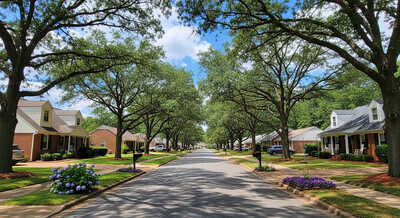
Kings Mountain sits at roughly 1,000 feet of elevation along the eastern edge of the Blue Ridge foothills - high enough that homes here see freezing rain and ice storms that pass over Charlotte entirely. That elevation difference shows up in burst pipes, ice-dammed roofs, and saturated crawl spaces that Gaston and Cleveland County homeowners deal with year after year.
Restoration work in this area covers a connected set of problems, and most jobs involve more than one:
- Water damage restoration - extraction, structural drying, and moisture mapping after pipe failures, appliance leaks, and roof intrusion
- Flooded basement recovery - pumping, sump system evaluation, and drying of below-grade finished space
- Sewage cleanup - containment and disinfection of Category 3 contamination from backups and septic failures
- Fire damage restoration - structural stabilization, debris removal, and content recovery
- Smoke damage restoration - soot removal from surfaces and HVAC systems, plus odor neutralization
- Mold removal - containment, controlled removal, and correction of the moisture source
The benefit of addressing these quickly is straightforward: drywall, framing, and subfloor can often be dried and saved within the first days, but the same materials become demolition once microbial growth takes hold.
Common Damage Restoration Issues in Kings Mountain, North Carolina
Local geography drives most of what goes wrong here. Homes built on the slopes near the state park and along the ridgelines shed water downhill toward foundations, while properties in low-lying spots near Buffalo Creek and King's Creek deal with slow drainage after heavy rain.
Frequent Causes
- Hydrostatic pressure pushing groundwater through basement wall cracks and cold joints
- Crawl space vapor intrusion from red clay soil that holds moisture long after storms pass
- Winter pipe ruptures in uninsulated crawl spaces, garages, and exterior walls
- Sewer line backups caused by root intrusion in older clay laterals
- Septic system saturation on rural parcels outside city sewer service
- Kitchen fires, chimney and wood stove fires, and electrical faults in older wiring
- Failed water heaters, washing machine supply lines, and HVAC condensate pans
Warning Signs Worth Acting On
- Musty odor that intensifies when the HVAC system cycles on
- Cupping or crowning hardwood floors, especially near exterior walls
- Efflorescence - white mineral crusting - on basement block walls
- Tide lines or discoloration along baseboards after a storm
- Gurgling drains or slow floor drains, often the first hint of a sewer backup
- Persistent smoke odor weeks after a small kitchen or fireplace fire
- Peeling paint, sagging ceiling texture, or rusted fastener heads in drywall
Smoke damage in particular gets underestimated. Soot particles are small enough to travel through return ducts and settle in rooms far from the fire, so a contained garage fire can leave odor throughout a two-story home.
Neighborhoods We Serve in Kings Mountain
Coverage extends across the city and into the surrounding Cleveland and Gaston County communities:
- Downtown Kings Mountain and the historic Battleground Avenue corridor
- Neighborhoods off Cansler Street, Piedmont Avenue, and Cleveland Avenue
- Subdivisions along Shelby Road and York Road
- Communities near Kings Mountain State Park and Crowders Mountain
- Bethlehem, Grover, and Waco
- Rural properties along Oak Grove Road, Margrace, and Dixon School Road
- Nearby Shelby, Bessemer City, Cherryville, and Gastonia
- Lake Montonia and surrounding waterfront properties
Response covers both residential and commercial work - textile and manufacturing facilities along the I-85 corridor, churches, schools, and small businesses on the main street all face the same water, fire, and mold risks as single-family homes, usually on a larger footprint.
Seasonal Damage Patterns in Kings Mountain
Winter (December - February)
- Frozen and burst supply lines during cold snaps, particularly in crawl spaces
- Ice dams causing roof leaks and ceiling stains
- Heating-related fires from space heaters, fireplaces, and wood stoves
- Chimney and flue fires producing heavy smoke and soot deposits
Spring (March - May)
- Peak flooded basement season as saturated clay soil sheds runoff toward foundations
- Sewer and septic backups when systems take on stormwater
- Mold growth accelerating as humidity climbs and temperatures warm
Summer (June - August)
- Thunderstorm-driven roof and window intrusion
- HVAC condensate overflows soaking ceilings and attic decking
- Hidden crawl space mold blooming under sustained high dew points
- Lightning strikes and electrical fires
Fall (September - November)
- Tropical remnants pushing inland with several inches of rain in a day
- Clogged gutters overflowing against foundations
- First heating-season fires from equipment that sat unused all summer
Housing Characteristics & Restoration Considerations
Kings Mountain's housing stock spans well over a century, and the construction era of a home largely determines how a restoration project unfolds.
Pre-1950 Homes
- Mill-era cottages and craftsman bungalows with balloon framing, which allows fire and smoke to travel vertically inside wall cavities
- Plaster over wood lath - slow to dry and prone to delamination once saturated
- Original heart pine floors that often justify specialized drying rather than replacement
- Potential asbestos and lead-based paint requiring testing before demolition
Mid-Century Homes (1950s - 1980s)
- Block or brick foundations with vented crawl spaces that pull in humid summer air
- Galvanized or early copper plumbing nearing the end of service life
- Minimal wall insulation, which speeds drying but increases freeze risk
- Clay sewer laterals vulnerable to root intrusion and collapse
Newer Construction (1990s - Present)
- Tighter envelopes that trap moisture and hold smoke odor longer
- Finished basements and bonus rooms where water damage reaches carpet, drywall, and stored contents at once
- Engineered wood subfloor and OSB sheathing that swell irreversibly with prolonged saturation
- PEX and CPVC lines that resist freezing better but still fail at fittings
Manufactured homes are common on rural parcels around the city and need a different approach - underbelly insulation holds water against the frame, so drying requires opening and replacing that layer rather than relying on air movement alone.
Environmental Conditions & Damage Implications
The physical environment around Kings Mountain shapes nearly every restoration decision made here.
Soil and Drainage
- Dense red Piedmont clay drains slowly and expands when wet, pressing against foundation walls
- Shallow bedrock in parts of the Kings Mountain belt limits water infiltration and pushes runoff sideways
- Sloped lots concentrate surface water at downhill foundation corners
- Poor percolation contributes to septic saturation and surfacing effluent after heavy rain
Climate and Humidity
- Summer relative humidity frequently exceeds the 60 percent threshold where mold activates
- Elevation brings more freeze-thaw cycles than lower-lying Charlotte, stressing pipes and masonry
- Annual rainfall in the upper 40-inch range, delivered in intense bursts
- Cool spring nights over damp crawl spaces produce condensation on ductwork and joists
Air and Water Factors
- Heavy tree canopy and pollen load that soot and smoke residue bind to, complicating cleaning
- Well water on rural properties, where iron and mineral content can stain surfaces during flood cleanup
- Regional wildfire and controlled-burn smoke that drifts in and settles in HVAC systems
These conditions mean drying targets have to be set against realistic local equilibrium moisture content, not generic numbers. Dehumidification capacity often needs to exceed what a similar-sized job would require in a drier climate, and crawl space encapsulation frequently becomes part of the long-term fix after a mold remediation.
Crawl Space and Basement Moisture: The Root of Most Kings Mountain Mold Problems
A large share of mold removal calls in Kings Mountain trace back to a space the homeowner rarely enters. Vented crawl spaces sitting on clay soil act like moisture reservoirs - warm humid air enters through foundation vents, contacts cooler framing and ductwork, and condenses. Over a few seasons that cycle produces visible growth on floor joists and subfloor without a single plumbing leak.
How a Moisture-Driven Remediation Typically Proceeds
- Inspection with moisture meters and thermal imaging to map wet materials and locate the source
- Establishment of containment with negative air pressure so spores are not distributed into living space
- Removal of unsalvageable porous materials - insulation, affected drywall, saturated subfloor sections
- HEPA vacuuming and antimicrobial treatment of remaining framing and hard surfaces
- Controlled drying with dehumidification until materials reach documented target readings
- Source correction - grading, gutter extensions, vapor barrier installation, sump or drainage work
- Post-remediation verification before any rebuild begins
Preventive Steps That Reduce Repeat Damage
- Extend downspouts at least six feet from the foundation, further on sloped lots
- Maintain positive grade away from the house - clay settles and reverses slope over time
- Install a sealed vapor barrier across crawl space soil and up the piers
- Test sump pumps before spring and keep a battery backup on hand
- Insulate exposed crawl space and garage piping ahead of winter
- Have sewer laterals scoped if the home predates the 1980s
- Keep dryer vents, chimneys, and wood stove flues cleaned annually to cut fire and smoke risk
The same discipline applies after fire and smoke events. Water used in suppression soaks into the same clay-adjacent crawl spaces and basements, meaning a fire job in Kings Mountain almost always includes a structural drying phase - and skipping it invites a mold call a few months later.





