
Damage Restoration in Mason City, IA
- Damage Restoration Services Overview
- Common Damage Restoration Issues in Mason City, Iowa
- Neighborhoods We Serve in Mason City
- Seasonal Damage Patterns in Mason City
- Housing Characteristics & Restoration Considerations
- Environmental Conditions & Damage Implications
- Storm Response and Insurance Documentation for North Iowa Property Owners
Damage Restoration Services Overview
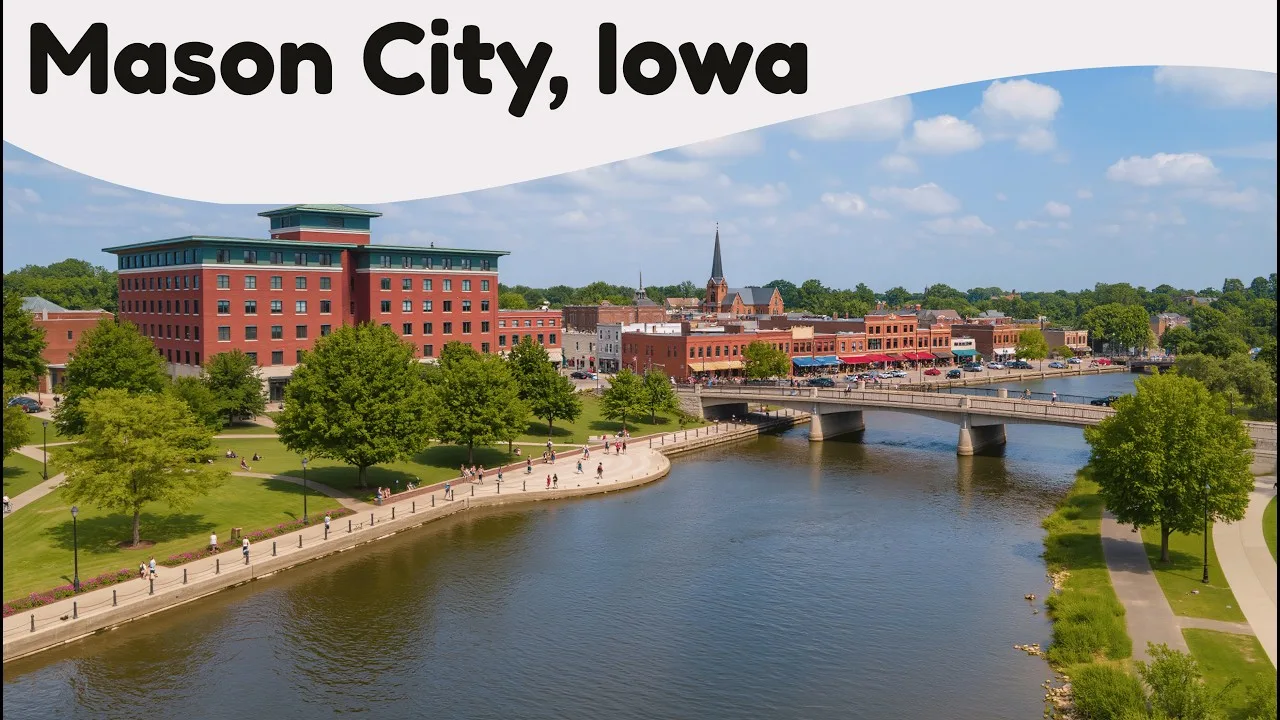
Mason City sits in the heart of North Iowa, where freeze-thaw cycles, spring snowmelt along the Winnebago River, and summer thunderstorm complexes put steady pressure on homes and businesses. Older brick construction downtown and mid-century neighborhoods with block foundations both react differently to moisture, which shapes how restoration work is planned here.
Property owners in Cerro Gordo County typically need a connected set of services rather than a single fix:
- Water Damage Restoration - extraction, structural drying, and moisture mapping after pipe breaks, appliance failures, and roof leaks.
- Flooded Basement - pump-out, saturated material removal, and drying of block and poured walls after sump failures or groundwater intrusion.
- Sewage Cleanup - containment, removal of contaminated materials, and antimicrobial treatment following backups in older clay laterals.
- Fire Damage Restoration - stabilization, debris removal, soot and char cleaning, and content recovery.
- Smoke Damage Restoration - odor neutralization, HVAC cleaning, and treatment of surfaces far from the burn area.
- Mold Removal - containment, source correction, and removal of colonized materials in basements, crawl spaces, and attics.
Key benefits for local residents include limiting secondary damage, protecting indoor air quality through long heating seasons, and producing documentation that supports an insurance claim.
Common Damage Restoration Issues in Mason City, Iowa
Local weather and infrastructure drive most losses. Heavy storms, wind, and hail regularly push commercial weather damage cleanup to the top of the list, while residential calls trend toward basements and frozen plumbing.
Frequent Causes
- Frozen and burst supply lines in unheated crawl spaces, garages, and vacant rentals during deep January cold snaps.
- Sump pump failures during rapid spring melt when the water table rises near the Winnebago River and Willow Creek.
- Sewer backups when saturated ground and heavy rain overload aging laterals in older neighborhoods.
- Wind-driven rain and hail breaching roofs, causing water intrusion through ceilings and wall cavities.
- Kitchen fires, furnace puff-backs, and electrical faults that spread soot through duct systems.
- Chronic humidity in finished basements feeding mold growth behind paneling and under carpet pad.
Warning Signs Worth Acting On
- Musty odor that intensifies when the furnace or AC cycles on.
- Efflorescence, chalky white residue, or dark staining along basement block walls.
- Buckling laminate, cupped hardwood, or tack strips pulling loose from concrete.
- Slow floor drains, gurgling toilets, or standing water near the floor drain.
- Yellow-brown ceiling rings after a hail or wind event, even weeks later.
- Soot film on window glass, lampshades, or vent registers after a small fire.
Acting within the first day or two typically keeps a drying job from becoming a mold remediation project.
Neighborhoods We Serve in Mason City
Crews respond across the city and surrounding North Iowa communities, adjusting equipment plans to the housing stock in each area.
- Historic Park / Rock Glen - Prairie School homes with plaster walls and original woodwork requiring careful drying.
- Downtown and the River City district - masonry commercial buildings, upper-floor apartments, and shared-wall water migration.
- East Park and Forest Park neighborhoods - mature trees, older sewer laterals, and full basements.
- Southbridge Mall area and 4th Street SW corridor - retail and light commercial properties.
- Willowbrook and southwest subdivisions - newer slab and poured-wall construction.
Service also extends to Clear Lake, Ventura, Nora Springs, Rockwell, Sheffield, Plymouth, Manly, Garner, Charles City, and rural properties throughout Cerro Gordo, Worth, Floyd, and Hancock counties.
Seasonal Damage Patterns in Mason City
- December through February - Frozen pipe bursts, ice dam leaks along north-facing eaves, and furnace puff-backs that spread smoke damage. Heating season fires peak with space heaters and fireplace use.
- March and April - Snowmelt combined with still-frozen ground drives flooded basement calls, sump pump overload, and groundwater seepage through block joints.
- May through July - Severe thunderstorms bring hail, straight-line wind, roof breaches, and lightning-related fires. Sewage backups spike during intense rainfall events.
- July through September - Sustained humidity and dew points fuel mold growth in basements, crawl spaces, and closed-up seasonal properties near Clear Lake.
- October and November - Grilling, burn piles, and early furnace startup produce fire and smoke damage; first hard freeze exposes unwinterized hose bibs and irrigation lines.
Scheduling gutter cleaning, sump pump testing, and dryer vent inspection ahead of each shift in season reduces the odds of an emergency call.
Housing Characteristics & Restoration Considerations
Mason City's housing stock skews older than the national average, with a large share of homes built before 1960 and a notable cluster of early 1900s construction near the historic districts. That age profile shapes nearly every restoration decision.
Common Construction Types and What They Mean
- Concrete block and stone foundations - porous and prone to lateral seepage; drying requires wall cavity ventilation rather than surface air movement alone.
- Plaster over wood lath - holds moisture longer than drywall and can be salvaged with controlled drying if addressed quickly.
- Balloon-frame walls in pre-1930 homes - open cavities let water and smoke travel between floors, so inspection extends well beyond the visible damage.
- Knob-and-tube or early wiring - influences how equipment is powered and when electrical evaluation is needed after fire or flooding.
- Finished basements with paneling and carpet - frequently the first area to develop mold after a flooded basement event.
- Cast iron and clay sewer laterals - susceptible to root intrusion and offset joints leading to sewage cleanup needs.
- Post-1990 subdivisions - poured walls and tighter envelopes dry faster but trap smoke odor and humidity when ventilation is limited.
Historic properties also carry preservation considerations. Original trim, hardwood, and decorative plaster are often restorable when stabilization begins early, which is why moisture readings, containment, and material-specific drying plans matter more than a one-size approach.
Environmental Conditions & Damage Implications
North Iowa's humid continental climate creates wide seasonal swings that stress building materials and complicate drying work.
Climate and Water Factors
- Winter lows well below zero drive freeze damage and ice dams; heated, dehumidified drying chambers become necessary indoors.
- Summer dew points in the 60s and 70s mean outside air alone cannot dry a structure - refrigerant or desiccant dehumidification is required.
- Annual precipitation around 33 inches, concentrated in spring and early summer storms, raises basement seepage risk.
- Hard groundwater high in calcium and magnesium leaves mineral residue on affected surfaces and inside equipment.
- The Winnebago River and Willow Creek influence local water tables in low-lying neighborhoods.
Soil and Air Quality
- Heavy glacial till and clay-rich soils drain slowly, holding hydrostatic pressure against foundation walls after rain.
- Expansive clay shifts with moisture cycles, opening cracks that admit groundwater into basements.
- Agricultural dust, spring pollen, and harvest-season particulates load HVAC filters and worsen post-fire air quality.
- Tight, well-insulated homes retain smoke odor and mold spores longer without dedicated air filtration.
These conditions explain why remediation here pairs moisture control with source correction - grading, downspout extension, and sump discharge routing - so the same basement does not require repeat mold removal every few seasons.
Storm Response and Insurance Documentation for North Iowa Property Owners
Mason City sees its share of severe weather, and a single storm can generate wind, hail, roof leak, and basement flooding claims across an entire neighborhood in one afternoon. Knowing what to do in the first hours protects both the structure and the claim.
Steps to Take After Storm or Water Damage
- Confirm safety first - avoid standing water near outlets or panels, and leave the building if you suspect structural or electrical hazards.
- Shut off the water supply or affected circuit if it can be done safely.
- Photograph and video every affected room before anything is moved or removed.
- Call for emergency mitigation so extraction and drying begin before materials swell and delaminate.
- Notify your insurance carrier and record the claim number and adjuster contact.
- Move undamaged contents to a dry area and keep damaged items until documented.
- Save receipts for temporary repairs, lodging, and supplies.
Documentation That Supports a Claim
- Daily moisture readings from affected walls, subfloor, and framing.
- Thermal imaging and moisture maps showing hidden migration paths.
- Equipment logs listing air movers, dehumidifiers, and air scrubbers on site.
- Photo records of soot lines, char depth, and affected contents after a fire.
- Containment and disposal records for sewage cleanup and mold removal work.
- Written scope describing what was cleaned, treated, or removed and why.
Local restoration teams work with adjusters routinely and understand what North Iowa carriers expect to see. Free estimates are available for Mason City homeowners and business owners, whether the situation involves a flooded basement, a sewage backup, lingering smoke odor, or mold discovered during a remodel. Early mitigation almost always narrows the scope of eventual repairs.





