
Damage Restoration in Clear Lake, IA
- Damage Restoration Services Overview
- Common Damage Restoration Issues in Clear Lake, Iowa
- Neighborhoods We Serve in Clear Lake
- Seasonal Damage Patterns in Clear Lake
- Housing Characteristics & Restoration Considerations
- Environmental Conditions & Damage Implications
- Working With Insurance and Understanding the Restoration Process
Damage Restoration Services Overview
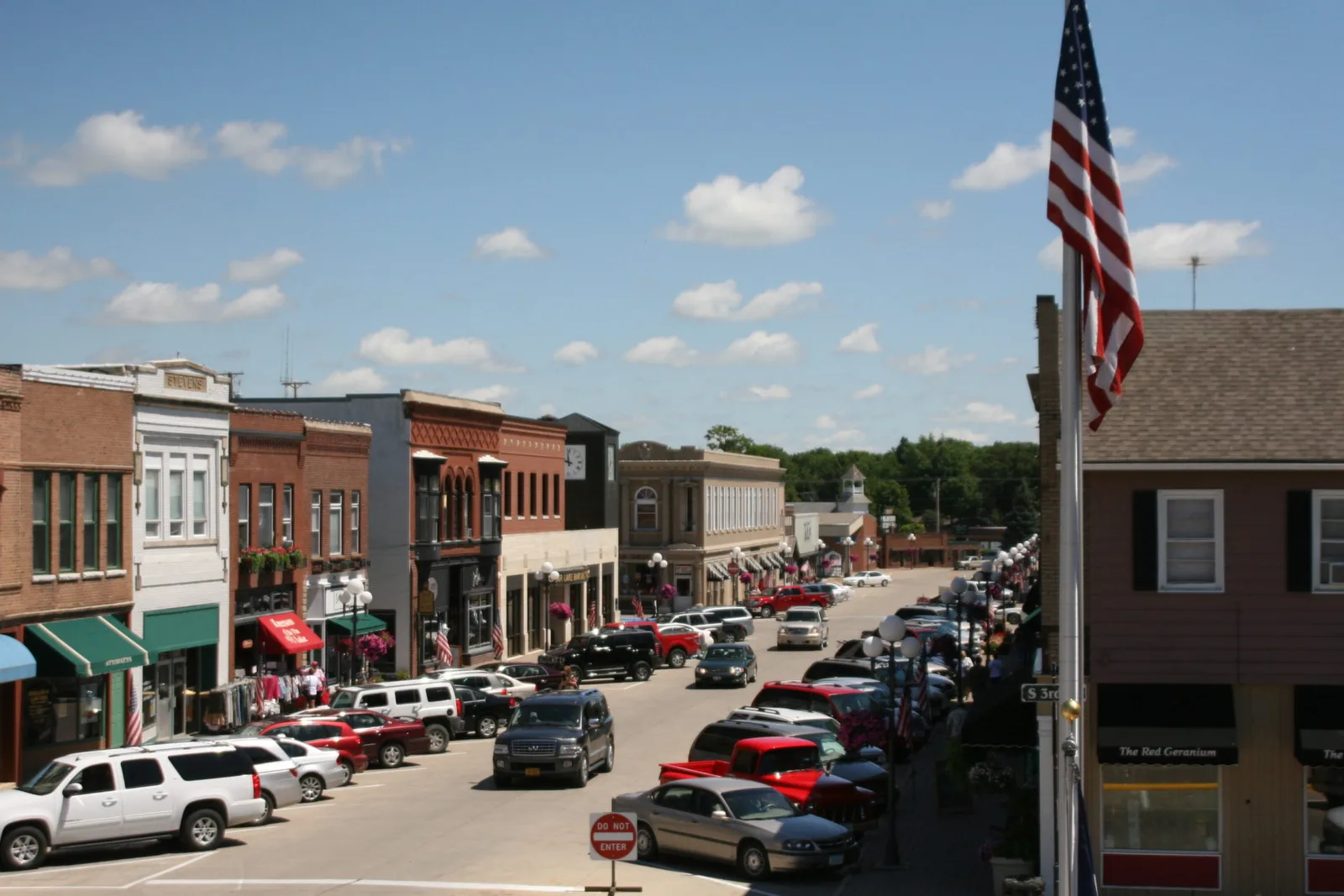
Clear Lake sits along the shoreline of one of Iowa's most popular natural lakes, and that proximity shapes nearly every restoration call in town. High water tables, lakefront cottages, aging basements, and hard Midwest winters combine to create conditions where water finds its way inside faster than most homeowners expect.
Restoration work here spans emergency response, structural drying, and rebuilding. Property owners in Cerro Gordo County rely on trained crews with commercial-grade equipment to stabilize a property before secondary damage sets in.
- Water Damage Restoration - extraction, structural drying, moisture mapping, and monitoring after burst pipes, appliance failures, or roof leaks
- Flooded Basement - pumping standing water, drying block and poured foundation walls, and salvaging contents stored below grade
- Sewage Cleanup - safe removal of contaminated water, disposal of porous materials, and antimicrobial treatment of affected surfaces
- Fire Damage Restoration - debris removal, structural cleaning, content pack-out, and coordination of repairs
- Smoke Damage Restoration - soot removal from walls and ductwork, odor neutralization, and treatment of HVAC systems
- Mold Removal - containment, air filtration, removal of affected materials, and correction of the moisture source
The benefit for Clear Lake residents is straightforward: faster stabilization means fewer materials lost, less rebuilding, and a shorter disruption to daily life or business operations.
Common Damage Restoration Issues in Clear Lake, Iowa
Local geography drives most of the damage patterns here. Properties near the lake, Ventura Marsh, and low-lying drainage areas face groundwater pressure that inland homes rarely see.
Frequent Causes of Loss
- Frozen and burst supply lines in seasonal cottages left unheated over winter
- Sump pump failure during spring snowmelt or heavy summer thunderstorms
- Hydrostatic pressure pushing water through foundation cracks and cove joints
- Sanitary sewer backups when municipal lines surcharge during downpours
- Kitchen fires, wood stove and fireplace issues, and electrical faults in older wiring
- Lightning strikes during severe weather season across north central Iowa
- Hidden mold growth behind paneling, under carpet pad, and inside wall cavities
Warning Signs Worth Acting On
- Musty or earthy odors that intensify after rain or when the furnace runs
- White chalky efflorescence on basement block walls
- Buckling laminate, cupping hardwood, or soft drywall near the floor line
- Gurgling floor drains or slow-draining fixtures on the lowest level
- Yellow-brown staining on ceilings after ice dam season
- Lingering smoke odor that returns on humid days, even after cleaning
- Recurring allergy or respiratory symptoms that improve away from home
Small signs escalate quickly. Mold can begin colonizing damp materials within a day or two, and soot becomes more corrosive to metals and finishes the longer it sits.
Neighborhoods We Serve in Clear Lake
Coverage extends across the city and the surrounding Cerro Gordo County communities, including seasonal and year-round lakefront properties.
- Downtown Clear Lake and Main Avenue - historic commercial buildings, apartments above storefronts, and restaurant kitchens
- North Shore and Lakeview Drive - waterfront homes and cottages with walkout lower levels
- South Shore Drive and Clear Creek area - properties near drainage corridors and shoreline
- Ventura and the west end of the lake - marsh-adjacent homes with high groundwater
- Clear Lake State Park vicinity - cabins, rentals, and campground facilities
- Northeast residential additions - mid-century and newer subdivisions
- Surrounding towns - Mason City, Ventura, Garner, Thornton, Rockwell, Nora Springs, and Clarion
Crews stationed in the Mason City area reach Clear Lake quickly, which matters most when standing water or sewage contamination is spreading by the hour.
Seasonal Damage Patterns in Clear Lake
North Iowa weather produces predictable cycles, and knowing them helps property owners prepare ahead of the calls that spike each season.
- December through February - frozen pipes in crawl spaces and unheated cottages, ice dam leaks along eaves, and a rise in heating-related fire and smoke damage from furnaces, space heaters, and fireplaces
- March and April - snowmelt combines with saturated frozen ground, driving flooded basement calls, sump pump overload, and sewer backups
- May through July - severe thunderstorms bring wind-driven rain, roof damage, lightning fires, and flash flooding around Clear Creek and low-lying lots
- July and August - peak humidity accelerates mold growth in basements, crawl spaces, and closed-up seasonal rentals
- September and October - the first furnace runs push dust and lingering smoke odors through duct systems; grill and fire pit incidents tail off
- November - winterization season, when overlooked shutoffs and drained lines lead to burst supply pipes weeks later
Vacation properties deserve extra attention. A leak in an unoccupied lake home may run undetected for days, turning a minor repair into a full structural drying and mold remediation project.
Housing Characteristics & Restoration Considerations
Clear Lake's housing stock is a mix of turn-of-the-century homes, mid-century ranches, converted lake cottages, and newer construction on the city's edges. Each type responds differently to water, fire, and smoke.
Older Homes and Historic Properties
- Plaster and lath walls hold moisture longer than drywall and require careful controlled drying
- Balloon framing lets smoke and soot travel between floors through open wall cavities
- Stone and clay tile foundations seep during high water table periods
- Original wood floors often can be saved with mat drying if addressed immediately
- Knob-and-tube or early wiring raises fire risk and complicates rebuild work
Mid-Century Ranches and Split Levels
- Concrete block basements with finished paneling trap moisture behind the surface
- Below-grade bedrooms and family rooms are the most common flooded basement losses
- Older cast iron and clay sewer laterals are prone to root intrusion and backups
- Ductwork in the lower level spreads smoke odor throughout the house
Lake Cottages and Seasonal Rentals
- Crawl spaces and shallow foundations sit close to the water table
- Intermittent heating creates condensation and mold on framing and insulation
- Additions built over decades often have mismatched materials that dry at different rates
Newer Construction
- Tighter building envelopes hold humidity in when ventilation is inadequate
- Engineered flooring and OSB subfloor swell fast and rarely dry in place
- Poured walls with drain tile still fail when a sump pump loses power
Environmental Conditions & Damage Implications
Clear Lake's environment influences how damage develops and how restoration is approached. The lake itself moderates humidity nearby, while glacial soils and a shallow water table shape what happens below grade.
Climate Factors
- Humid continental climate with sharp temperature swings and deep winter frost
- Roughly 33 to 35 inches of annual precipitation, concentrated in late spring and summer
- Summer dew points frequently in the 60s and 70s, feeding basement mold growth
- Freeze-thaw cycling that widens foundation cracks year over year
Soil and Groundwater
- Glacial till and clay-heavy soils drain slowly and hold water against foundations
- Shallow water table near the shoreline and marsh areas increases hydrostatic pressure
- Expansive clay shifts with moisture, stressing footings and basement walls
- Saturated ground during snowmelt overwhelms drain tile and sump systems
Water and Air Quality
- Hard water is common in north Iowa, contributing to scale buildup and appliance supply line failures
- Agricultural dust and seasonal field burning add particulates that combine with smoke residue
- Nutrient loading in the lake watershed makes any groundwater intrusion a contamination concern
These conditions mean drying plans account for outdoor dew point, and mold remediation always includes correcting the underlying moisture source rather than treating visible growth alone.
Working With Insurance and Understanding the Restoration Process
Most Clear Lake property owners face a water, fire, or mold loss only once or twice in a lifetime. Clear communication about what happens next removes much of the stress from an already difficult situation.
How a Typical Project Unfolds
- Initial contact and dispatch - details about the source, affected areas, and safety concerns are gathered before crews arrive
- On-site inspection - moisture meters, thermal imaging, and visual assessment map the full extent of damage, including areas you cannot see
- Scope and walkthrough - findings are explained in plain language, with photos documenting conditions before work begins
- Mitigation - water extraction, sewage removal, soot cleaning, or containment setup starts immediately to stop damage from spreading
- Drying and monitoring - air movers and dehumidifiers run while daily readings track progress toward dry standards
- Cleaning and deodorization - contents cleaned, surfaces treated, and odors addressed at the source rather than masked
- Repairs and reconstruction - drywall, flooring, trim, and paint restored to pre-loss condition
What Helps Your Claim Move Smoothly
- Photograph damage before anything is moved, if it is safe to do so
- Report the loss to your carrier promptly and note your claim number
- Keep receipts for emergency purchases and temporary lodging
- Save damaged items for adjuster review unless they present a health hazard
- Ask which items are salvageable and which will be documented for replacement
Questions Worth Asking Any Restoration Company
- What certifications do the technicians hold for water, fire, and mold work?
- How will daily moisture readings be shared with me and my adjuster?
- Who handles communication with my insurance company?
- Will the same team handle both mitigation and rebuild?
Documentation is shared directly with adjusters throughout the project, so decisions are based on measured data rather than guesswork - and you always know what stage the work has reached.





