
Damage Restoration in Harrisburg, NC
- Damage Restoration Services Overview
- Common Damage Restoration Issues in Harrisburg, North Carolina
- Neighborhoods We Serve in Harrisburg
- Seasonal Damage Patterns in Harrisburg
- Housing Characteristics & Restoration Considerations
- Environmental Conditions & Damage Implications
- From Emergency Response to Full Reconstruction in Harrisburg
Damage Restoration Services Overview
Damage spreads by the hour. Water wicks into drywall within minutes, smoke residue etches into finishes overnight, and mold colonies can establish in a damp Harrisburg crawl space in a day or two. Fast, organized response is what separates a contained cleanup from a full reconstruction project.
Property damage rarely arrives as a single problem. A burst supply line floods a basement, saturated framing feeds mold growth, and a backed-up sewer line adds contamination on top of it. Coordinated restoration handles the whole chain of events rather than one symptom.
- Water Damage Restoration - extraction of standing water, structural drying, moisture mapping, and monitoring until materials reach dry standards.
- Flooded Basement Cleanup - pump-out, contents removal, sump and drainage evaluation, and dehumidification of below-grade spaces.
- Sewage Cleanup - containment of Category 3 water, removal of porous materials, and antimicrobial treatment of affected surfaces.
- Fire Damage Restoration - board-up, debris removal, structural cleaning, and rebuild of damaged framing and finishes.
- Smoke Damage Restoration - soot removal from surfaces and HVAC systems, deodorization, and treatment of hidden residue in wall cavities.
- Mold Removal - containment barriers, air filtration, safe material removal, and correction of the moisture source.
For Harrisburg homeowners and business owners, the benefit is straightforward: less demolition, fewer replaced materials, shorter disruption, and documentation that supports an insurance claim from first call through final walkthrough.
Common Damage Restoration Issues in Harrisburg, North Carolina
Harrisburg sits in Cabarrus County along the Rocky River corridor, where clay-heavy soils shed water rather than absorb it. That combination - fast neighborhood growth, humid summers, and poor-draining ground - drives most of the damage calls in the area.
Frequent Causes of Property Damage
- Heavy summer thunderstorms and remnants of tropical systems overwhelming gutters, downspouts, and yard drainage
- Failed water heaters, washing machine hoses, refrigerator lines, and dishwasher supply connections
- Sump pump failure during multi-day rain events, leading to flooded basements and lower levels
- Sewer line backups from root intrusion in older laterals or municipal surcharge during downpours
- Winter pipe freezes in unconditioned crawl spaces, garages, and exterior walls
- Kitchen fires, fireplace and chimney issues, and electrical faults in aging panels
- HVAC condensate line clogs that quietly saturate ceilings and closet floors
Warning Signs Worth Acting On
- Musty odors in a basement, crawl space, or closet that never fully clear
- Buckling hardwood, soft baseboards, or drywall that feels cool and damp
- Staining rings on ceilings under bathrooms or HVAC units
- Slow drains in multiple fixtures at once, often the first hint of a main line problem
- Peeling paint, efflorescence, or white powder on foundation walls
- Lingering smoke odor that returns when the heat runs, signaling residue in ductwork
Catching any of these early keeps a drying project from turning into a mold remediation and rebuild.
Neighborhoods We Serve in Harrisburg
Response covers the full Harrisburg footprint and the surrounding communities along the I-485 and NC-49 corridors.
- Rocky River Crossing, Highland Creek, and Stallings Farm
- Hampton Ridge, Chelsea Woods, and Farmwood
- Bradford Park, Cardinal Pointe, and Meadow Ridge
- Downtown Harrisburg and the Roberta Road corridor
- Properties near Harrisburg Park, Hickory Ridge, and Pharr Mill Road
- Surrounding areas including Concord, Mint Hill, Midland, Charlotte's University City, Pineville, and Belmont
Commercial clients across Harrisburg's office parks, retail centers, warehouses, and restaurant spaces receive the same rapid dispatch. Knowing local street layouts, common builder plans, and typical foundation types shortens the time between the first call and the first piece of equipment running on site.
Seasonal Damage Patterns in Harrisburg
Each season brings a different mix of problems, and knowing the pattern helps property owners prepare before trouble starts.
Winter (December - February)
- Frozen and burst pipes in crawl spaces, attics, and exterior walls during cold snaps
- Heating equipment, space heater, and fireplace fires producing smoke and soot damage
- Ice dams and roof leaks after mixed winter precipitation
Spring (March - May)
- Sustained rainfall saturating clay soils and pushing groundwater into basements
- Sump pump overload and sewage backups during storm surges
- Mold growth accelerating as humidity climbs and homes stay closed up
Summer (June - August)
- Severe thunderstorms, wind-driven rain, and tropical remnants causing roof and window intrusion
- HVAC condensate overflows and AC drain pan failures
- Peak mold season in crawl spaces where dew points stay high
Fall (September - November)
- Hurricane remnants tracking inland with heavy rainfall
- Leaf-clogged gutters directing water against foundations
- First-of-season furnace and chimney fires as heating systems restart
Housing Characteristics & Restoration Considerations
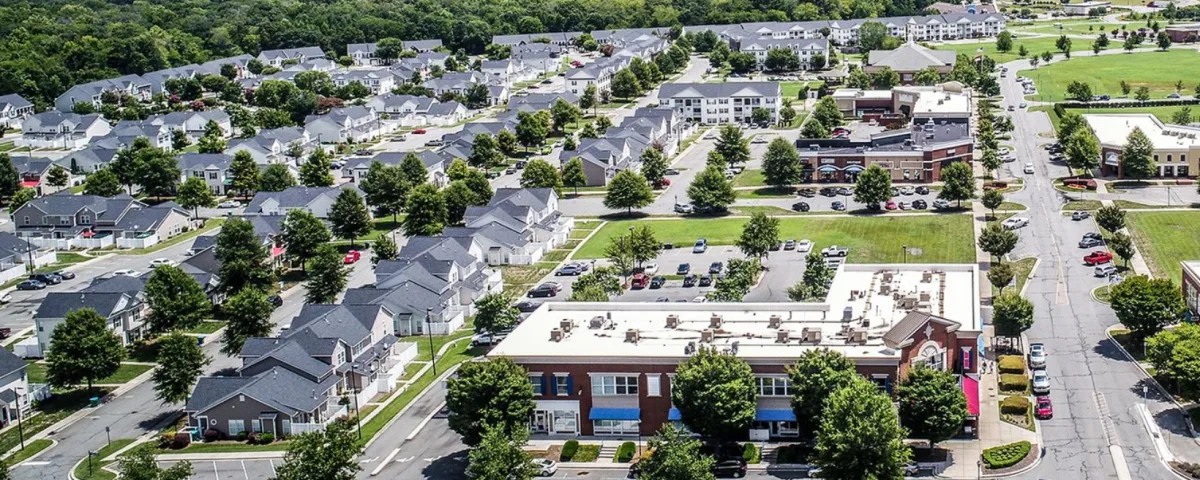
Harrisburg's housing stock is unusually varied for a town its size - decades-old farmhouses and ranch homes sit near subdivisions built during the 1990s through the 2020s growth wave. Each construction era responds differently to water, fire, and mold.
Older Homes (pre-1990)
- Vented crawl spaces with exposed dirt floors that hold moisture and feed mold
- Galvanized or early polybutylene plumbing prone to pinhole leaks and sudden failures
- Plaster, lath, and solid wood trim requiring gentler drying and specialized soot cleaning
- Aging sewer laterals vulnerable to root intrusion and collapse
- Possible asbestos-containing materials that change how demolition is handled
Newer Construction (1995 - present)
- Engineered wood subfloors and OSB sheathing that swell quickly and dry slowly
- Tight building envelopes that trap humidity and hold smoke odor longer
- Finished basements and bonus rooms with carpet, drywall, and cabinetry at flood risk
- Multi-story layouts where an upstairs laundry or bathroom leak affects three levels
- Complex HVAC zoning that spreads smoke and mold spores building-wide
Restoration plans account for these differences. A slab-on-grade townhome with laminate flooring needs a different drying approach than a two-story home with a crawl space and hardwood throughout. Moisture meters, thermal imaging, and cavity drying equipment locate hidden saturation behind cabinets, under tile, and inside wall assemblies before it becomes a mold problem.
Environmental Conditions & Damage Implications
Harrisburg's humid subtropical climate is the single biggest factor in how quickly damage escalates. Summer dew points regularly sit in the upper 60s and low 70s, meaning indoor materials stay damp long after the visible water is gone.
Climate and Humidity
- Annual rainfall in the mid-40-inch range, spread across all four seasons
- Extended humid stretches from May through September that stall natural drying
- Freeze-thaw cycles in winter that stress plumbing and foundation joints
Soil and Drainage
- Piedmont red clay with low permeability, holding water against foundation walls
- Hydrostatic pressure forcing seepage through block joints and cracks
- Rocky River floodplain areas and low-lying lots with slower runoff
- Expansive clay movement that opens gaps in slabs and crawl space walls
Air and Water Quality Effects
- Pollen-heavy spring air loading HVAC filters and worsening post-fire particulate issues
- Moderately hard municipal water contributing to appliance and water heater wear
- Well systems in outlying areas requiring separate handling after any sewage event
These conditions mean drying equipment sizing, dehumidification targets, and containment setups are calibrated to local dew points rather than generic standards. Mold remediation in Harrisburg also includes correcting the moisture source - crawl space encapsulation, drainage correction, or grading fixes - so the problem does not return the following summer.
From Emergency Response to Full Reconstruction in Harrisburg
Most property owners call during the worst hour of a bad day. Water is still rising, smoke odor fills every room, or a sewage backup has made half the house unusable. What they need is one team that handles the entire arc - stabilization, cleanup, drying, remediation, and rebuild - without handing the project off three times.
How a Harrisburg Restoration Project Typically Unfolds
- 24/7 dispatch and arrival - crews mobilize around the clock, with emergency board-up, tarping, or water shutoff as the first move.
- Hazard control - electrical, structural, and contamination risks are identified and isolated before any work begins.
- Inspection and documentation - moisture mapping, thermal imaging, photo documentation, and scope development for the insurance file.
- Extraction and removal - standing water pumped out, sewage-contaminated porous materials removed, fire debris cleared.
- Drying and containment - air movers, commercial dehumidifiers, negative air machines, and containment barriers set and monitored daily.
- Cleaning and treatment - soot removal, antimicrobial application, duct cleaning, and thermal fogging or hydroxyl deodorization for smoke odor.
- Verification - moisture readings confirmed against dry standards and post-remediation clearance where mold was involved.
- Reconstruction - drywall, flooring, trim, cabinetry, paint, and structural repairs to return the property to pre-loss condition.
What Comprehensive Service Means Day to Day
- One point of contact from first call through final walkthrough
- Direct communication with adjusters and detailed loss documentation
- Contents pack-out, cleaning, and storage when a space must be cleared
- Coordination of plumbing, electrical, and HVAC trades under one schedule
- Clear updates so you always know what is happening and what comes next
The result for Harrisburg residents and business owners is a shorter timeline, fewer surprises, and a property that is genuinely dry, clean, and safe rather than simply patched over.





