
Damage Restoration in Woodfin, NC
- Damage Restoration Services Overview
- Common Damage Restoration Issues in Woodfin, North Carolina
- Neighborhoods We Serve in Woodfin
- Seasonal Damage Patterns in Woodfin
- Housing Characteristics & Restoration Considerations
- Environmental Conditions & Damage Implications
- Emergency Response After River Flooding and Storm Events in Woodfin
Damage Restoration Services Overview
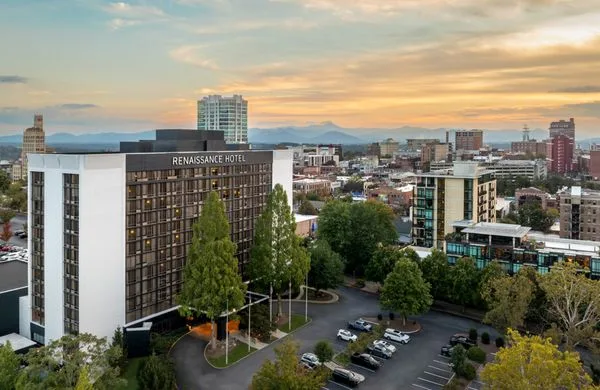
Woodfin sits along a bend of the French Broad River that has shaped the town's history - and its risk profile. In 2025, the Town of Woodfin was named one of eight recipients sharing $5.7 million in flood resilience funding through the North Carolina Department of Environmental Quality's Flood Resiliency Blueprint, a direct response to what Hurricane Helene's rains did to homes, bridges, the recycling plant, and local employers along the river corridor.
That reality shapes how restoration work is approached here. Property damage in Woodfin rarely arrives in isolation - a saturated crawl space becomes a mold problem, a backed-up sewer line becomes a health hazard, and a kitchen fire leaves smoke residue in rooms the flames never touched.
Services available to Woodfin homeowners, landlords, and business operators include:
- Water damage restoration - extraction, structural drying, moisture mapping, and documentation after leaks, burst pipes, or river flooding
- Flooded basement cleanup - pump-out, content handling, and drying of below-grade and daylight basements
- Sewage cleanup - containment and sanitizing of Category 3 contaminated water
- Fire damage restoration - board-up, roof tarping, soot removal, and structural cleaning
- Smoke damage restoration - odor neutralization, HVAC cleaning, and surface treatment
- Mold removal - containment, controlled removal, and moisture-source correction
The benefit of coordinated service is continuity: mitigation, cleaning, and build-back reconstruction handled under one documented scope.
Common Damage Restoration Issues in Woodfin, North Carolina
Woodfin's terrain - steep slopes above, floodplain below - concentrates water in ways flatter towns never experience. Runoff moves fast off the ridges toward Riverside Drive and the low-lying properties near the greenway.
Water and Flooding Triggers
- French Broad River rises during tropical remnants and prolonged spring rain
- Hillside runoff overwhelming footing drains and driveway culverts
- Frozen and burst supply lines in unheated crawl spaces during January cold snaps
- Failed sump pumps in daylight basements during multi-day storms
- Aging galvanized or polybutylene plumbing in mid-century homes
Sewage and Contamination Triggers
- Municipal line surcharges when stormwater overloads the system
- Septic drain field saturation on properties outside sewer service
- Root intrusion in older clay laterals under mature oaks and poplars
Fire and Smoke Triggers
- Wood stoves, fireplaces, and creosote buildup during long mountain winters
- Space heaters and overloaded circuits in homes with original wiring
- Outdoor burning and brush fires during dry autumn stretches
- Generator misuse and improvised heat sources after outages
Warning Signs Worth Acting On
- Musty odor that intensifies when the HVAC runs
- Cupping hardwood, bubbling paint, or tape seams lifting on drywall
- Efflorescence - white chalky residue - on basement block walls
- Slow drains on multiple fixtures at once, a hallmark of main line trouble
- Soot filming on window glass or a smoke odor returning on humid days
Neighborhoods We Serve in Woodfin
Crews respond throughout Woodfin and the surrounding Buncombe County communities, covering riverside properties, ridge-top subdivisions, and everything between.
- Woodfin proper - Riverside Drive corridor, Elk Mountain Road, Woodfin Riverside Park and greenway area, Silver-Line vicinity
- North Asheville edges - Beaverdam, Lakeview Park, Merrimon Avenue corridor
- Northern Buncombe - Weaverville, Reems Creek, Barnardsville, Alexander
- Greater Asheville - Biltmore Forest, Arden, Skyland, Enka, Candler, Leicester, Fairview
- Eastern corridor - Black Mountain, Swannanoa, Montreat, Ridgecrest
- Regional reach - McDowell and Transylvania counties
Semper Fi Restoration & Repair operates from 3038 US Hwy 70 in Black Mountain, placing crews within a short drive of Woodfin via I-240 and US 19/23. Call (828) 660-1008 for dispatch or a no-obligation consultation.
Seasonal Damage Patterns in Woodfin
Damage in the French Broad valley follows a fairly predictable rhythm, and knowing it helps property owners get ahead of trouble.
- December through February - Pipe freezes in crawl spaces and exterior walls, chimney and wood stove fires, smoke damage from heating appliances, and ice-dam water intrusion at roof edges on north-facing slopes.
- March through May - Peak river and groundwater season. Flooded basements, saturated crawl spaces, sump pump failures, and the first mold colonies emerging on winter-dampened framing.
- June through August - Humid, storm-driven months. Afternoon thunderstorms cause roof leaks and flash runoff; high indoor humidity accelerates mold growth on HVAC components, closet walls, and basement contents. Sewer surcharges follow heavy cells.
- September through October - Tropical remnants season, as Helene demonstrated. The highest risk for major riverine flooding, sewage contamination, and widespread structural saturation.
- November - Dry leaf litter plus the first fires of the season increase brush and chimney fire calls; smoke odor complaints rise as houses close up.
Shoulder seasons deserve attention too - the freeze-thaw swings of late February and early March open masonry cracks that admit water for months afterward.
Housing Characteristics & Restoration Considerations
Woodfin's housing stock spans more than a century, and each era brings its own restoration challenges.
Pre-1950 Homes
- Stone or brick foundations with unsealed crawl spaces that wick ground moisture
- Plaster over wood lath, which holds water far longer than drywall and requires slower, monitored drying
- Original wood flooring that may be salvageable with in-place drying if addressed quickly
- Potential asbestos-containing materials and lead paint requiring careful handling during fire or water repairs
Mid-Century Ranches and Split-Levels
- Partially finished basements and daylight basements built into hillsides - the most common flooded-basement calls in the area
- Cast iron and clay sewer laterals prone to root intrusion and collapse
- Minimal wall insulation, allowing smoke residues to migrate through cavities
Newer Construction and Riverfront Rebuilds
- Slab-on-grade and engineered floor systems that trap water beneath finished flooring
- Tight building envelopes that concentrate humidity and smoke odor indoors
- Vinyl plank and laminate that must often be removed rather than dried
Across all housing types, hillside siting matters. Homes cut into a slope carry uphill hydrostatic pressure against foundation walls, making perimeter drainage, grading, and vapor barrier condition central to any lasting mold or water solution. Build-back reconstruction follows mitigation - framing, drywall, flooring, cabinetry, trim, and finishes returned to remodel-quality standards, with verification that the drying and cleaning underneath was completed correctly.
Environmental Conditions & Damage Implications
Woodfin's environment is beautiful and, from a building science standpoint, demanding.
Climate
- Roughly 45 or more inches of annual precipitation, with summer humidity regularly exceeding 70 percent
- Cool nights and warm days producing condensation on crawl space ductwork and cold water lines
- Winter freeze-thaw cycles that stress masonry, flashing, and buried pipe
Soil and Terrain
- Clay-heavy mountain soils that drain slowly and hold water against foundations
- Steep gradients funneling runoff toward valley-floor structures
- Shallow bedrock in places, limiting infiltration and pushing water sideways into basements
Water Quality After Flooding
When the French Broad receded after Helene, the river was left polluted - a reminder that floodwater in this corridor should be treated as contaminated. Silt deposits carry bacteria, fuel residue, and industrial runoff that ordinary cleaning will not neutralize.
Air Quality Implications
- Mountain valley inversions trap smoke and particulates, prolonging odor problems after fires
- High ambient humidity means mold spores find viable conditions within 24 to 48 hours of wetting
- Crawl space air migrating upward - the stack effect - carries musty odors and spores into living space
Effective restoration here addresses the environmental driver, not just the visible damage: encapsulation, dehumidification, drainage correction, and negative-pressure containment during removal work.
Emergency Response After River Flooding and Storm Events in Woodfin
Helene proved how quickly conditions change along the French Broad. Homes flooded, bridges washed out, and the recycling plant and Silver-Line - Woodfin's largest employer - took direct hits. In events like that, response sequence determines how much of a property can be saved.
What Happens in the First Hours
- Contact and triage - a call to (828) 660-1008 starts scope-gathering: water source, affected levels, utility status, and occupancy.
- Site safety - electrical and gas hazards addressed, structural stability assessed, contaminated zones flagged.
- Emergency stabilization - roof tarping and board-up to stop further water and weather intrusion.
- Bulk water removal - truck-mounted extraction and submersible pumps clear standing water from basements and crawl spaces.
- Containment for contaminated water - sewage and floodwater zones isolated with barriers and negative air machines before any handling begins.
- Documentation - moisture readings, photos, and material inventories captured for insurance from the first visit forward.
Why Speed Matters Here
- Mold can begin colonizing wet framing within a day or two in Woodfin's humidity
- Soot becomes acidic as it sits, permanently etching metal, glass, and finishes
- Contaminated silt hardens into affected materials, making removal costlier the longer it waits
- Hardwood and cabinetry are often salvageable early, rarely salvageable late
Preparing Before the Next Event
- Photograph rooms, mechanical systems, and valuables now for baseline records
- Know your water main and electrical shutoff locations
- Test sump pumps and backflow valves ahead of spring and hurricane season
- Move irreplaceable items above known flood elevations
- Keep gutters, culverts, and hillside swales clear year-round
Semper Fi Restoration & Repair, NC LIC # 107360, handles mitigation and full build-back reconstruction for Woodfin properties - and will step in to define scope and rebuild when another provider handled the initial drying. Reach the team at admin@sfrestoration.com or (828) 660-1008.





