
Damage Restoration in Black Mountain, NC
- Damage Restoration Services Overview
- Common Damage Restoration Issues in Black Mountain, North Carolina
- Neighborhoods We Serve in Black Mountain
- Seasonal Damage Patterns in Black Mountain
- Housing Characteristics & Restoration Considerations
- Environmental Conditions & Damage Implications
- Storm Recovery and Flood Preparedness in the Swannanoa Valley
Damage Restoration Services Overview
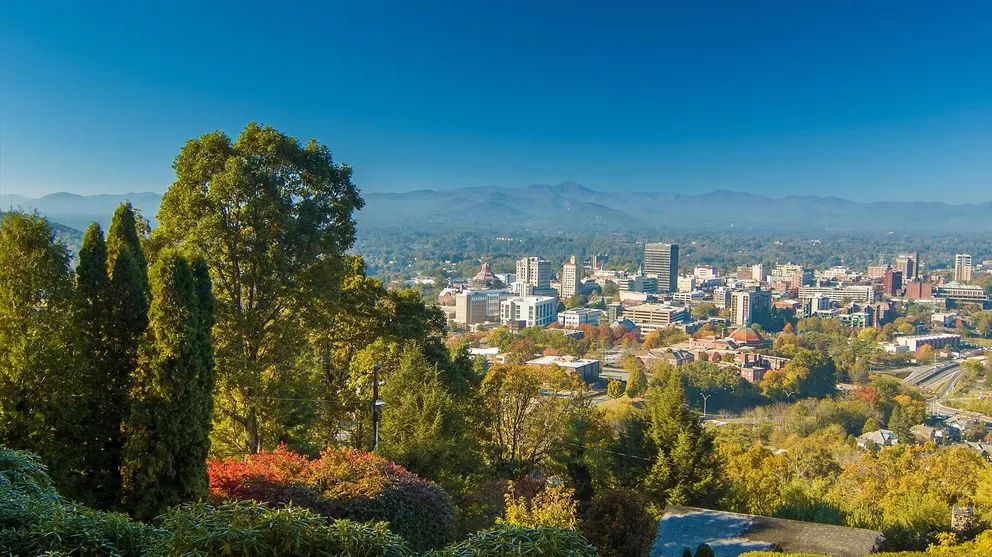
Black Mountain sits at the mouth of the Swannanoa Valley, one of the wettest corridors in Western North Carolina - some nearby ridgelines collect more than 60 inches of rain in an average year. That volume of water has to go somewhere, and too often it goes into crawl spaces, basements, and finished lower levels along the Swannanoa River corridor.
Restoration work here covers a connected set of problems that rarely arrive alone:
- Water Damage Restoration - extraction, structural drying, and moisture mapping after burst pipes, roof leaks, or storm intrusion
- Flooded Basement - pump-out, contents handling, and drying of below-grade spaces built into mountain slopes
- Sewage Cleanup - safe removal of Category 3 water, sanitizing, and disposal of porous materials
- Fire Damage Restoration - board-up, debris removal, soot cleaning, and structural repair
- Smoke Damage Restoration - odor neutralization, HVAC cleaning, and treatment of surfaces far from the burn area
- Mold Removal - containment, controlled removal, and correction of the moisture source feeding growth
Benefits for local homeowners are practical: faster drying limits secondary mold growth, documented moisture readings support insurance claims, and early containment keeps damage from spreading through open floor plans and shared wall cavities.
Common Damage Restoration Issues in Black Mountain, North Carolina
Terrain drives most of what happens here. Water runs downhill fast off the Blue Ridge escarpment, collects in the valley floor, and pushes against foundations that were never designed for saturated soil.
Local Causes We See Repeatedly
- Swannanoa River and tributary flooding during tropical systems and stalled fronts
- Overwhelmed municipal lines and septic systems that back up into lower-level fixtures
- Roof and flashing failures after wind events, leading to slow attic and ceiling saturation
- Hydrostatic pressure forcing groundwater through basement wall cracks and cove joints
- Frozen or split supply lines in unconditioned crawl spaces during January cold snaps
- Wood stove, fireplace, and chimney fires common in older mountain homes
- Wildfire and controlled-burn smoke drifting into the valley and settling indoors
Warning Signs Worth Acting On
- Musty odor in a crawl space or closet that intensifies after rain
- Cupping hardwood, bubbling paint, or a tide line on drywall
- Efflorescence - white mineral crusting - on basement block walls
- Slow drains on the lowest floor, gurgling toilets, or sewage odor near floor drains
- Soot filming on window glass, light fixtures, or the return air grille
- Recurring allergy symptoms that ease when occupants leave the house
After Tropical Storm Helene, many properties also carry hidden damage behind repaired surfaces - wet insulation and framing sealed up before drying finished. Those cases surface later as mold, and they need moisture verification rather than guesswork.
Neighborhoods We Serve in Black Mountain
Coverage extends across the Town of Black Mountain and the surrounding Swannanoa Valley communities in Buncombe County.
- Downtown Black Mountain - historic storefronts and older residences near Cherry and State Streets
- Montreat - steep-slope homes and conference properties along Flat Creek
- Swannanoa - river-adjacent homes and older housing stock along US 70
- Ridgecrest and Riceville-adjacent areas - higher-elevation properties with heavy rainfall and runoff exposure
- Broad River and Lake Tomahawk areas - lakeside and creek-side lots with elevated groundwater
- Cheshire Village, Grovemont, and Bee Tree - mixed-age residential neighborhoods
- Old Fort, Fairview, and East Asheville - surrounding service territory
Response times matter more in mountain terrain, where a single blocked road can add distance. Local crews familiar with valley access routes, private drives, and gravel approaches reach properties faster after storms.
Seasonal Damage Patterns in Black Mountain
- December through February - Pipe freezes in crawl spaces and vacant seasonal homes. Chimney and wood stove fires peak, bringing smoke damage that travels through duct systems into unaffected rooms.
- March through May - Spring rain and snowmelt raise the water table. Flooded basements, crawl space standing water, and the first mold blooms of the year become routine calls.
- June through August - Afternoon thunderstorms drop intense rain in short windows. Sewage backups follow when systems surcharge. Humidity above 60 percent indoors keeps mold active even without a leak.
- September through October - Tropical remnants reach the Blue Ridge. This is the highest-risk window for river flooding, wind-driven rain, roof failures, and large-loss water damage across the valley.
- November - Heating systems restart after months idle, raising furnace-related fire and puffback smoke incidents. Leaf-clogged gutters redirect roof water straight into foundations.
Year-round, unconditioned crawl spaces stay humid enough in this valley to support mold growth in any month.
Housing Characteristics & Restoration Considerations
Black Mountain's housing stock spans well over a century, and the construction era of a home shapes nearly every restoration decision.
Common Building Types
- Early 1900s to 1940s cottages and bungalows - plaster over wood lath, balloon framing, and stone or brick pier foundations
- Mid-century ranches - block crawl space walls, original hardwood, and sometimes asbestos-containing floor tile or mastic
- 1980s to 2000s split-levels and walkout basements - finished lower levels cut into hillsides
- Modern mountain homes and cabins - tight envelopes, cathedral ceilings, and log or timber construction
- Rental cabins and second homes - long vacancy periods that let small leaks become large losses
How Construction Affects the Work
- Balloon-framed walls give fire and smoke a vertical path from basement to attic, so inspection has to extend well beyond the visible damage.
- Plaster holds moisture far longer than drywall and often needs injection drying rather than removal.
- Walkout basements and daylight lower levels flood first and hold water against carpet pad, subfloor, and insulated stud bays.
- Crawl space piers and vented foundations allow humid valley air to condense on floor joists, feeding mold under otherwise dry homes.
- Cast iron and clay sewer laterals in older neighborhoods crack and root-invade, causing repeat backups until the line itself is addressed.
- Tight modern envelopes trap smoke odor in insulation and soft goods, requiring hydroxyl or ozone treatment plus HVAC cleaning.
Pre-1978 homes also require lead-safe practices during demolition, which changes how affected materials are cut and contained.
Environmental Conditions & Damage Implications
The valley's microclimate is the single biggest variable in how quickly damage escalates here.
Climate and Moisture
- Orographic lift over the Blue Ridge produces rainfall totals well above state averages
- Summer dew points routinely support indoor humidity above the 60 percent mold threshold
- Cool nights and warm days create condensation on ductwork, cold water lines, and crawl space joists
- Fog and shade on north-facing slopes slow natural drying of exteriors and foundations
Soil, Water, and Air
- Clay-heavy mountain soils over shallow bedrock shed water laterally instead of absorbing it, pushing runoff toward foundations
- High water tables near the Swannanoa River and Flat Creek keep hydrostatic pressure on basement walls
- Municipal water service in Black Mountain depends on the North Fork line, and service disruptions complicate cleanup and sanitizing after major events
- Well and septic properties outside town limits face backup risk when drain fields saturate
- Valley inversions trap woodsmoke and wildfire smoke at ground level, drawing particulate into homes through HVAC intakes
What This Means for Restoration
- Drying plans need dehumidification sized for ambient humidity, not just for the wet materials
- Flood and sewage water in this terrain frequently carries silt, agricultural runoff, and bacteria - it is treated as contaminated
- Mold clearance should include a moisture-source correction such as drainage, grading, or crawl space encapsulation
- Smoke remediation includes filtration and duct cleaning even when the fire was contained to one room
Storm Recovery and Flood Preparedness in the Swannanoa Valley
Helene reshaped how Black Mountain thinks about water. The storm damaged public infrastructure, parks, and municipal buildings, and it proved that valley properties well outside mapped floodplains can take on significant water. Recovery here is now as much about preparation as it is about response.
What a 24-Hour Emergency Response Looks Like
- Initial contact and triage - safety hazards, power status, and water category identified before crews arrive
- Site stabilization - board-up, tarping, and standing water extraction to stop ongoing loss
- Moisture mapping - thermal imaging and meters locate water inside wall cavities, under flooring, and in insulation
- Controlled removal - unsalvageable porous materials taken out under containment, especially with sewage or mold involved
- Structural drying - air movers and dehumidifiers positioned and monitored with daily readings
- Sanitizing and odor control - antimicrobial application, HVAC cleaning, and smoke odor treatment as needed
- Reconstruction - drywall, flooring, cabinetry, and roofing returned to pre-loss condition
Preparation Steps for Valley Property Owners
- Keep gutters and downspouts clear and discharging at least six feet from the foundation
- Regrade soil so it slopes away from the house on all sides
- Install and test a sump pump with battery backup before storm season
- Add a backwater valve if your lowest fixtures sit below street level
- Encapsulate or dehumidify crawl spaces to hold humidity below mold-supporting levels
- Move irreplaceable items and documents off basement floors and onto shelving
- Photograph rooms and contents annually to support future insurance claims
- Have chimneys, wood stoves, and dryer vents inspected before heating season
Documentation matters as much as equipment. Detailed moisture logs, photographs, and material inventories give adjusters what they need and keep claims moving while your home dries.





