Damage Restoration in Amador County, CA
- Damage Restoration Services Overview
- Common Damage Restoration Issues in Amador County, California
- Neighborhoods We Serve in Amador County
- Seasonal Damage Patterns in Amador County
- Housing Characteristics & Restoration Considerations
- Environmental Conditions & Damage Implications
- Storm Outages, Backup Power, and Rapid Response Across the Foothills
Damage Restoration Services Overview
When a pipe bursts in Jackson or a wildfire pushes smoke through the Sierra foothills, the hours that follow decide how much of your home you keep. Professional restoration turns that chaos into a managed process - documented, sequenced, and handled by technicians who know how quickly moisture and soot spread through Amador County construction.
Homeowners here face a wide spectrum of property emergencies, and a single event often triggers several at once. A winter storm that knocks out PG&E power can silence a sump pump, flood a basement, and start mold growth in the same week.
- Water Damage Restoration - extraction, structural drying, and moisture mapping after supply line breaks, appliance failures, and roof leaks.
- Flooded Basement - pumping standing water, drying foundation walls, and addressing the drainage failure that caused it.
- Sewage Cleanup - containment, removal of contaminated materials, and antimicrobial treatment for septic backups and main line failures.
- Fire Damage Restoration - debris removal, structural stabilization, and cleaning of heat-affected surfaces and contents.
- Smoke Damage Restoration - odor neutralization, soot removal, and HVAC decontamination after house fires or wildfire smoke intrusion.
- Mold Removal - containment barriers, HEPA filtration, and removal of colonized materials with post-remediation verification.
The benefit for Amador County residents is straightforward: faster stabilization, cleaner documentation for insurance carriers, and a property that dries out correctly rather than hiding problems behind fresh drywall.
Common Damage Restoration Issues in Amador County, California
Amador County sits between the valley floor and the high Sierra, and that elevation range produces damage patterns you would not see in a flatland community. Atmospheric river storms drop heavy rain on decomposed granite soils, saturate hillsides, and topple pines onto rooflines and power lines.
Recent extended PG&E outages following storm damage made a familiar problem worse - homes without power lose sump pumps, dehumidifiers, and heat, and untreated wet materials begin breaking down within days.
Local Causes of Property Damage
- Fallen trees and limbs breaching roofs, opening the structure to rain intrusion
- Frozen or split supply lines in unheated crawl spaces at higher elevations near Pioneer and Pine Grove
- Septic system saturation during prolonged rain, forcing sewage backups into low fixtures
- Wildfire smoke drifting into homes through vents, attics, and window gaps
- Failed sump pumps and clogged foundation drains during multi-day outages
- Older galvanized and polybutylene plumbing reaching end of service life
Warning Signs Worth Acting On
- Musty odors in basements, crawl spaces, or closets along exterior walls
- Staining, bubbling paint, or soft baseboards after a storm
- Gurgling drains or slow fixtures suggesting septic or main line trouble
- Persistent smoke smell that returns when the heater or AC runs
- Efflorescence or white powder on concrete foundation walls
- Visible mold at the base of drywall or behind stored boxes
Neighborhoods We Serve in Amador County
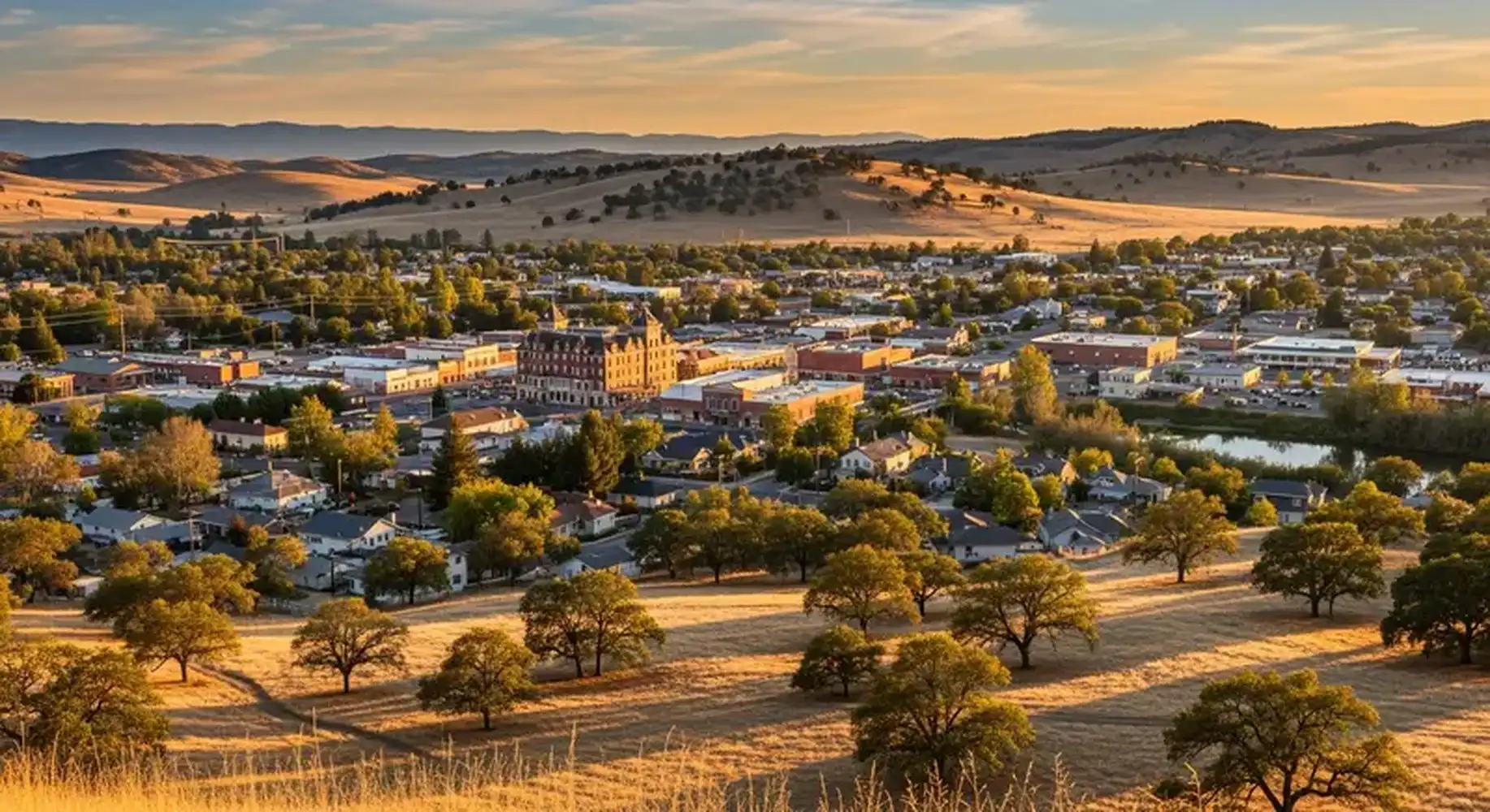
Coverage spans the full county, from the Highway 49 corridor up through the Highway 88 communities toward Kirkwood.
- Jackson - historic downtown structures, hillside homes, and older residential blocks
- Sutter Creek - Gold Rush era buildings with stone foundations and mixed additions
- Ione - valley-edge subdivisions, ranch properties, and slab-on-grade homes
- Plymouth and the Shenandoah Valley - wineries, agricultural outbuildings, and rural residences on septic
- Amador City and Drytown - small-lot historic homes with limited access for equipment
- Pine Grove, Pioneer, and Volcano - forested parcels with wildfire and snow-load exposure
- Buckhorn, River Pines, Fiddletown, and Kirkwood - remote properties often served by well water and private drainage
Surrounding areas along the Calaveras, El Dorado, and Sacramento County lines are served as well, including properties near Lake Amador, Lake Camanche, and the Mokelumne River corridor.
Seasonal Damage Patterns in Amador County
Each season brings a distinct mix of emergency calls, and knowing the pattern helps homeowners prepare rather than react.
- December through March - peak water damage season. Atmospheric rivers, saturated soils, and storm-driven power outages produce flooded basements, crawl space standing water, and roof leaks from downed limbs.
- January and February - cold snaps at higher elevations split exposed pipes in crawl spaces and unheated garages, often discovered only when the thaw begins.
- March through May - snowmelt and lingering saturation drive septic backups and sewage cleanup calls, followed closely by mold growth in materials that never fully dried.
- June through September - wildfire season dominates. Fire damage restoration and smoke damage restoration needs climb, including homes miles from any flame that still take on heavy smoke odor and ash infiltration.
- July and August - air conditioning condensate line failures and water heater ruptures create quiet, slow leaks behind walls.
- October and November - the first rains reveal summer roof damage, clogged gutters, and drainage that was never corrected, launching the cycle again.
Housing Characteristics & Restoration Considerations
Amador County housing stock is unusually varied, spanning 150-year-old Gold Rush construction to recent foothill builds. That mix shapes every restoration plan.
Common Construction Types
- Historic 1850s-1920s homes in Sutter Creek, Amador City, and Jackson - board-and-batten siding, lath and plaster walls, stone or brick foundations, and shallow crawl spaces
- Mid-century ranch homes in Ione and Jackson - raised wood floors, original galvanized plumbing, minimal wall insulation
- 1970s-1990s foothill cabins and A-frames in Pine Grove and Pioneer - wood siding, exposed beams, wood stoves, and daylight or partial basements
- Newer slab-on-grade construction in Ione and Plymouth - engineered flooring and drywall that wicks moisture quickly
How Age Affects Restoration Work
- Plaster and lath dry far slower than drywall, requiring extended dehumidification and cavity drying rather than immediate demolition
- Homes built before 1980 warrant asbestos and lead testing before any fire or water damage material removal
- Stone and unreinforced masonry foundations absorb groundwater, making flooded basement drying a longer, monitored process
- Wood stoves and older chimneys concentrate smoke damage in attic spaces and along framing
- Original cast iron and clay sewer laterals crack and root-intrude, driving repeat sewage cleanup events
- Tight crawl spaces limit access, so low-profile air movers and remote moisture sensors are used to reach saturated framing
Environmental Conditions & Damage Implications
The county's Mediterranean foothill climate - wet winters, hot bone-dry summers - creates a punishing expansion and contraction cycle for building materials and drainage systems.
Soil and Water
- Decomposed granite and clay-heavy soils shed water rather than absorb it, pushing runoff toward foundations and basement walls
- Expansive clay in the western county swells in winter and shrinks in summer, cracking slabs and foundation stem walls
- Many rural properties rely on wells and septic systems, so a backup means contaminated groundwater risk alongside interior damage
- Hard mineral water accelerates corrosion in older water heaters and supply lines
Air and Fire Exposure
- Summer wildfire smoke degrades regional air quality for weeks, depositing fine particulate in attics, ductwork, and soft furnishings
- Dry summer heat bakes soot residue onto surfaces, making early smoke damage restoration far more effective than delayed cleaning
- Low winter ventilation combined with high indoor humidity encourages mold in crawl spaces and closets
Practical Implications
- Drying plans must account for large seasonal humidity swings, not fixed assumptions
- Mold removal in foothill homes typically requires crawl space vapor barrier work, not just wall remediation
- Sewage cleanup on septic properties includes coordination with pumping and drainfield evaluation
Storm Outages, Backup Power, and Rapid Response Across the Foothills
Extended PG&E outages after Sierra storms create a compounding problem: the same event that floods a basement also removes the electricity needed to dry it. When crews cannot reach downed lines for days because of unstable trees and blocked roads, homeowners are left with saturated materials and no way to run a pump or dehumidifier.
Restoration work in Amador County is built around that reality. Self-powered response means drying begins before the grid comes back.
Equipment That Works Without Utility Power
- Trailer-mounted and portable generators sized to run multiple air movers and dehumidifiers simultaneously
- Truck-mounted extraction units that pull thousands of gallons independent of household electricity
- Low-grain refrigerant dehumidifiers for cold, damp winter conditions when standard units lose efficiency
- Desiccant systems for stone foundations, dense plaster, and hardwood that resist conventional drying
- Submersible trash pumps for flooded basements holding debris-laden water
Diagnostic and Treatment Technology
- Thermal imaging cameras that map hidden moisture behind lath, tile, and cabinetry without demolition
- Penetrating and non-invasive moisture meters used to log daily drying progress
- HEPA air scrubbers with carbon filtration for wildfire smoke, soot, and mold spore capture
- Hydroxyl and ozone generators for deep odor neutralization in fire and smoke damage restoration
- Negative air containment for sewage cleanup and mold removal, preventing cross-contamination
- Remote sensors that transmit temperature and humidity readings between technician visits
What the Response Looks Like
- Site assessment, hazard check, and photo documentation for the insurance claim
- Water extraction or debris removal and immediate containment of affected zones
- Controlled demolition of unsalvageable materials, with testing first in pre-1980 homes
- Structural drying with daily moisture readings until targets are met
- Antimicrobial application, odor treatment, and air quality clearance
- Reconstruction planning that matches historic finishes where required