Damage Restoration in Napa, CA
- Damage Restoration Services Overview
- Common Damage Restoration Issues in Napa, California
- Neighborhoods We Serve in Napa
- Seasonal Damage Patterns in Napa
- Housing Characteristics & Restoration Considerations
- Environmental Conditions & Damage Implications
- Wildfire Smoke Damage and Wine Industry Property Restoration
Damage Restoration Services Overview
When disaster strikes your Napa property, professional damage restoration services provide the peace of mind and expertise needed to restore your home or business to its pre-loss condition. Our comprehensive restoration solutions address the full spectrum of damage scenarios that Napa residents face throughout the year.
Our complete range of restoration services includes:
- Water Damage Restoration - Emergency water extraction, structural drying, and moisture control
- Flooded Basement - Basement water removal, dehumidification, and foundation protection
- Sewage Cleanup - Biohazard removal and sanitization of contaminated areas
- Fire Damage Restoration - Structural repairs, content cleaning, and property reconstruction
- Smoke Damage Restoration - Odor elimination, soot removal, and air quality restoration
- Mold Removal - Professional remediation and prevention strategies
Napa property owners benefit from our 24/7 emergency response capabilities, advanced restoration equipment, and certified technicians who understand the unique challenges posed by the region's climate and housing characteristics. Fast response times minimize secondary damage and reduce overall restoration costs.
Common Damage Restoration Issues in Napa, California
Napa's Mediterranean climate and geographic location create specific conditions that lead to various property damage scenarios. The region's proximity to the Napa River and seasonal weather patterns contribute to recurring restoration challenges.
Primary damage causes in Napa include:
- Seasonal flooding from winter storms affecting basements and ground-level areas
- Wildfire exposure during dry summer months requiring fire and smoke damage restoration
- Aging plumbing systems in older homes causing water damage and sewage backups
- High humidity periods promoting mold growth in poorly ventilated spaces
- Storm-related roof damage leading to water intrusion and structural issues
Warning signs property owners should monitor include:
- Musty odors indicating potential mold development
- Water stains on ceilings or walls suggesting hidden leaks
- Unusual increases in utility bills pointing to water system problems
- Persistent smoke odors after nearby wildfire activity
- Standing water in basements during heavy rainfall
- Discolored or warped flooring materials
Early detection and professional intervention prevent minor issues from escalating into major restoration projects. Regular property inspections help identify vulnerabilities before they become costly damage scenarios.
Neighborhoods We Serve in Napa
Our restoration services extend throughout Napa County, covering both urban centers and rural vineyard properties. We respond to emergency calls across all residential and commercial areas.
Service areas include:
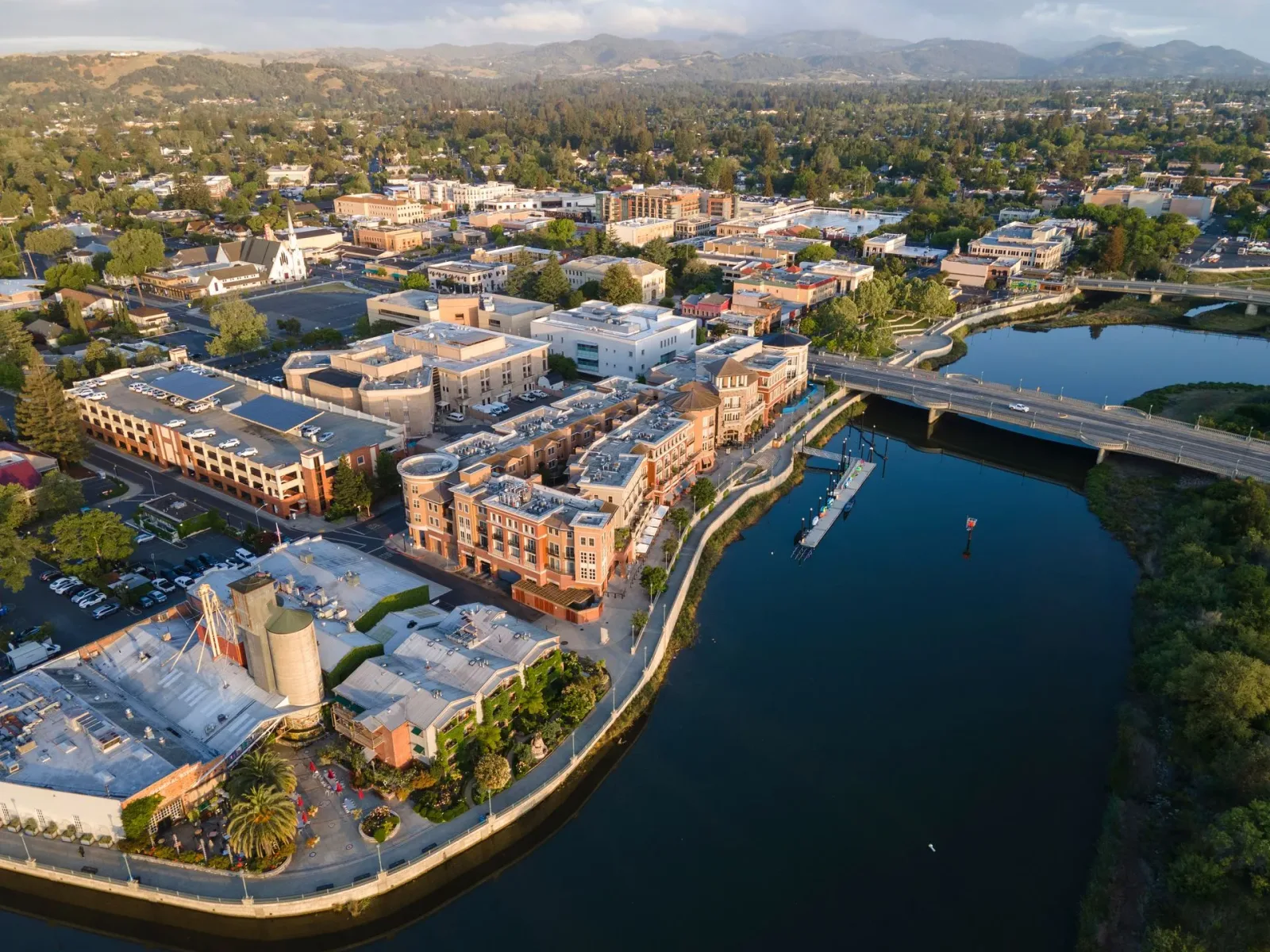
- Downtown Napa - Historic buildings and modern developments
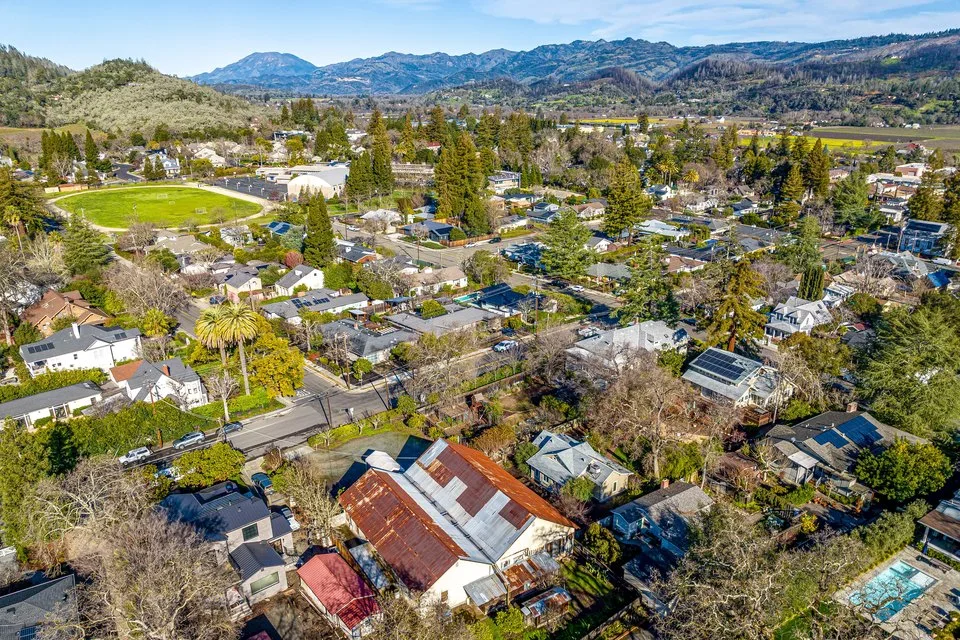
- Browns Valley - Hillside homes with unique drainage challenges
- Westwood Hills - Elevated properties with fire risk considerations
- Silverado Trail corridor - Luxury estates and vineyard properties
- American Canyon - Newer residential communities
- Yountville - Commercial and hospitality establishments
- St. Helena - Rural properties and wine industry facilities
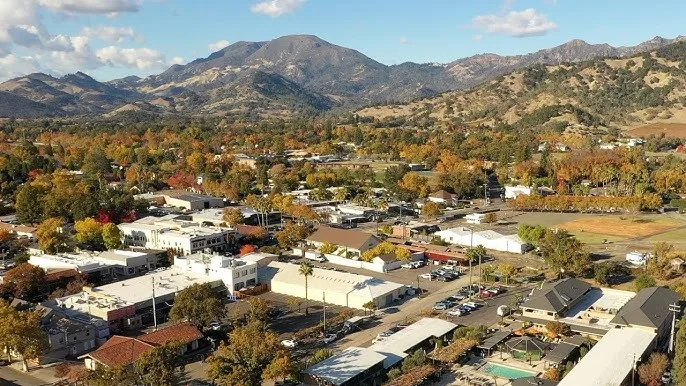
- Calistoga - Historic structures and geothermal area properties
Each neighborhood presents distinct restoration challenges based on property age, construction methods, and environmental exposure factors.
Seasonal Damage Patterns in Napa
Napa's damage patterns follow predictable seasonal cycles that help property owners prepare for potential restoration needs throughout the year.
Winter (December-February): Peak season for water damage restoration and flooded basements due to heavy rainfall and saturated soils. Storm systems bring the highest risk for plumbing failures and roof leaks.
Spring (March-May): Mold removal requests increase as humidity levels rise and winter moisture creates favorable growth conditions. Sewage cleanup needs often emerge from overwhelmed drainage systems.
Summer (June-August): Fire and smoke damage restoration dominate service calls during peak wildfire season. Dry conditions and high temperatures create maximum fire risk throughout the region.
Fall (September-November): Mixed damage types occur as weather transitions. Early fall extends fire season while late fall brings first winter storms. Property owners often discover summer damage that requires immediate attention before winter weather arrives.
Understanding these patterns allows residents to schedule preventive maintenance and prepare emergency response plans for their most vulnerable seasons.
Housing Characteristics & Restoration Considerations
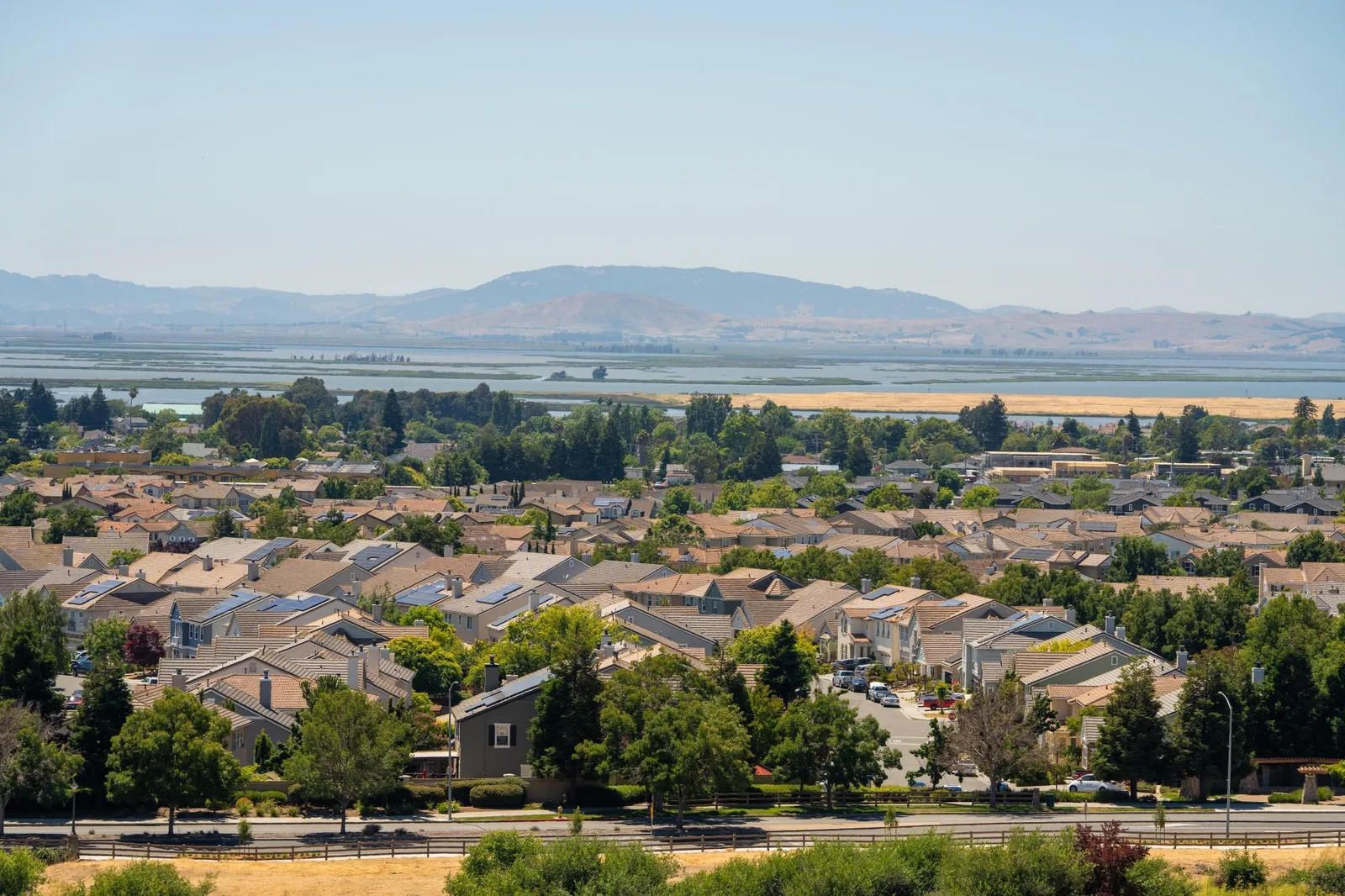
Napa's diverse housing stock ranges from historic Victorian homes built in the late 1800s to contemporary luxury estates constructed within the last decade. This variety creates unique restoration challenges based on construction methods, materials, and building codes from different eras.
Common housing characteristics affecting restoration needs:
- Pre-1950s homes often feature balloon framing that allows rapid fire spread and complex water damage patterns
- Mid-century properties may have original plumbing systems prone to failure and sewage backup issues
- Adobe and stone construction requires specialized techniques for water damage restoration and mold prevention
- Modern homes typically include better moisture barriers but may have complex HVAC systems affecting smoke damage restoration
Basement characteristics vary significantly across Napa:
- Older homes often lack proper waterproofing, increasing flood risk
- Wine cellars require specialized humidity control during restoration
- Crawl spaces in raised foundations need targeted mold prevention strategies
- Concrete slab foundations may hide water damage until extensive deterioration occurs
Understanding these construction details allows restoration professionals to develop targeted approaches that preserve historical integrity while meeting modern safety standards. Each property type requires customized restoration protocols to achieve optimal results.
Environmental Conditions & Damage Implications
Napa's Mediterranean climate features dry summers and wet winters, creating distinct environmental conditions that influence property damage patterns and restoration requirements. The region's unique geography combines valley floor properties with hillside locations, each presenting different exposure risks.
Climate factors affecting restoration needs:
- Annual rainfall averaging 24 inches concentrates water damage risks during winter months
- Summer temperatures exceeding 90°F create ideal conditions for rapid mold growth when moisture is present
- Low humidity periods increase fire risk but help accelerate water damage drying processes
- Seasonal wind patterns can drive wildfire smoke into structures requiring specialized smoke damage restoration
Soil composition throughout Napa affects foundation stability and drainage:
- Clay-rich valley soils expand when wet, potentially causing foundation movement and water intrusion
- Rocky hillside soils provide better drainage but create runoff that can overwhelm basement waterproofing
- Alluvial deposits near the Napa River increase flood risk for ground-level properties
- Volcanic soils in certain areas offer excellent drainage but may shift during seismic activity
Air quality considerations include seasonal smoke exposure from regional wildfires and occasional dust from agricultural activities. These factors require specialized filtration and cleaning protocols during restoration projects. Water quality remains generally excellent, though mineral content can affect cleaning processes and equipment selection during restoration work.
Wildfire Smoke Damage and Wine Industry Property Restoration
Napa's world-renowned wine industry creates unique restoration challenges when wildfire smoke affects vineyards, tasting rooms, and production facilities. Smoke damage restoration in wine country requires specialized knowledge of how smoke particles interact with sensitive equipment, stored products, and climate-controlled environments.
Wine industry properties face specific smoke damage risks:
- Barrel storage areas where porous wood surfaces absorb smoke particles and odors
- Tasting rooms with expensive furnishings and customer areas requiring immediate odor elimination
- Production equipment needing detailed cleaning to prevent contamination of future vintages
- HVAC systems that can distribute smoke particles throughout entire facilities
- Wine inventories potentially affected by smoke exposure through cork and bottle contamination
Our restoration approach for wine industry properties includes:
- Immediate air quality assessment to determine contamination levels
- Specialized cleaning protocols for stainless steel tanks and processing equipment
- Ozone treatment and thermal fogging for persistent odor elimination
- HVAC system decontamination and filter replacement programs
- Content evaluation and cleaning for wine inventories and tasting room materials
- Coordination with insurance adjusters familiar with wine industry valuations
Clear communication throughout the restoration process helps wine industry clients understand how smoke damage affects different areas of their operations. We provide detailed documentation of cleaning procedures and air quality testing results to support insurance claims and maintain industry certifications. Our transparent approach includes regular progress updates and explanation of specialized techniques used to address the unique challenges of wine country smoke damage restoration.