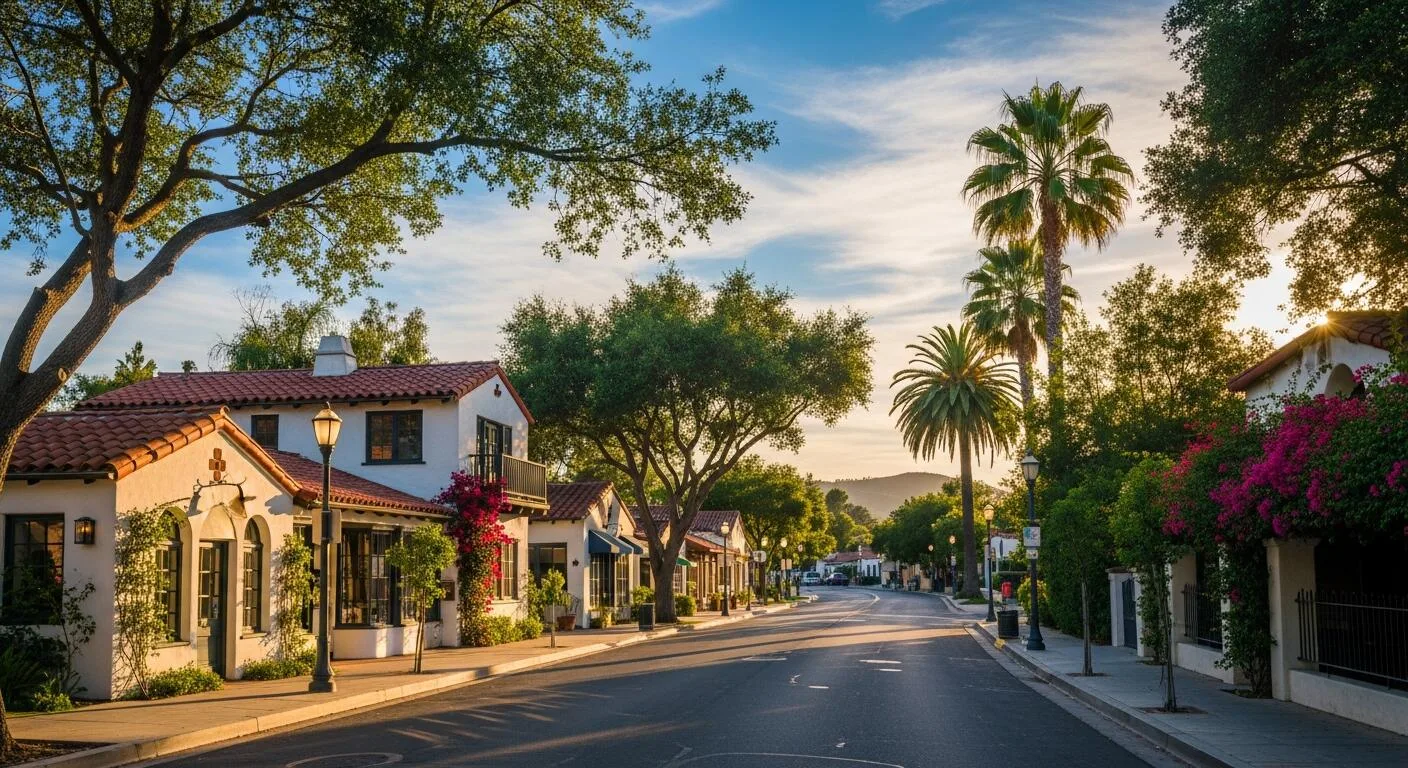
Damage Restoration in Ventura, CA
- Damage Restoration Services Overview
- Common Damage Restoration Issues in Ventura, California
- Neighborhoods We Serve in Ventura
- Seasonal Damage Patterns in Ventura
- Housing Characteristics & Restoration Considerations
- Environmental Conditions & Damage Implications
- Wildfire Preparedness & Smoke Damage Prevention
Damage Restoration Services Overview
Professional damage restoration brings peace of mind when disaster strikes your Ventura property. Quick response and expert techniques can mean the difference between minor repairs and major reconstruction costs.
Our comprehensive restoration services address every type of property damage common in Ventura:
- Water Damage Restoration - From burst pipes to storm flooding
- Flooded Basement - Complete water extraction and structural drying
- Sewage Cleanup - Safe removal and sanitization of contaminated water
- Fire Damage Restoration - Structural repairs and content cleaning
- Smoke Damage Restoration - Odor elimination and surface restoration
- Mold Removal - Professional remediation and prevention
Local restoration professionals understand Ventura's unique challenges, from coastal humidity that accelerates mold growth to seasonal weather patterns that increase water damage risks. Professional teams coordinate with insurance companies and local officials to streamline the restoration process and get your property back to pre-damage condition safely and efficiently.
Common Damage Restoration Issues in Ventura, California
Ventura's coastal location and Mediterranean climate create specific damage risks that property owners should recognize. The combination of ocean proximity and seasonal weather patterns contributes to various restoration challenges throughout the year.
Water damage incidents frequently occur due to:
- Winter storm systems bringing heavy rainfall and flooding
- Aging plumbing in older neighborhoods near downtown
- Coastal moisture infiltration causing basement flooding
- Sprinkler system failures in commercial properties
Fire and smoke damage risks increase during:
- Santa Ana wind events in fall and winter
- Dry summer months with elevated fire danger
- Wildfire activity in surrounding hillsides
Mold problems develop rapidly in Ventura due to:
- High humidity levels from ocean proximity
- Poor ventilation in older construction
- Hidden moisture from minor leaks
- Condensation issues in HVAC systems
Sewage backup incidents often result from heavy rains overwhelming aging sewer infrastructure in established neighborhoods. Property owners should watch for water stains, musty odors, visible mold growth, and unexplained increases in utility bills as early warning signs requiring immediate professional assessment.
Neighborhoods We Serve in Ventura
Our restoration services cover all Ventura neighborhoods and surrounding communities. We respond quickly to damage incidents throughout the greater Ventura area.
Primary service areas include:
- Downtown Ventura and Historic District
- Midtown and East Ventura residential areas
- Pierpont Bay and beachfront properties
- Ventura Avenue corridor
- Telegraph Road commercial district
- Foothill communities and hillside homes
We also serve nearby communities including Oxnard, Camarillo, Santa Paula, and Ojai. Our local presence means faster response times and familiarity with neighborhood-specific challenges, from historic district building codes to coastal property moisture issues.
Seasonal Damage Patterns in Ventura
Ventura experiences distinct seasonal patterns that influence damage restoration needs throughout the year. Understanding these cycles helps property owners prepare for potential issues.
Winter (December - February): Peak season for water damage from storm systems and flooding. Heavy rains can overwhelm drainage systems and cause basement flooding. Sewage backup incidents increase during major storm events.
Spring (March - May): Mold growth accelerates as humidity rises and temperatures warm. Water damage from winter storms may reveal hidden mold problems requiring professional remediation.
Summer (June - August): Fire danger peaks during dry months. Smoke damage from distant wildfires can affect indoor air quality. HVAC systems work harder, potentially causing water damage from condensation issues.
Fall (September - November): Santa Ana wind events create extreme fire danger. Wildfire smoke damage becomes a concern for properties throughout the region. Early winter storms can catch properties unprepared for water intrusion.
Professional restoration teams adjust their response strategies based on seasonal patterns, maintaining specialized equipment and expertise for each type of damage common during different times of year.
Housing Characteristics & Restoration Considerations
Ventura's diverse housing stock presents unique restoration challenges based on construction era and building materials. Many properties date from different decades, each requiring specialized restoration approaches.
Historic downtown properties often feature:
- Pre-1950s construction with plaster walls and hardwood floors
- Limited moisture barriers requiring careful water damage restoration
- Original electrical systems needing special fire damage considerations
- Basement areas prone to flooding and mold growth
Mid-century neighborhoods typically include:
- 1950s-1970s ranch-style homes with concrete slab foundations
- Single-story layouts that facilitate smoke damage restoration
- Original plumbing systems susceptible to water damage incidents
- Minimal attic ventilation contributing to mold problems
Newer developments feature:
- Modern construction with improved moisture barriers
- Updated fire safety systems requiring specialized restoration techniques
- Complex HVAC systems that can spread smoke damage quickly
- Multi-level designs creating unique water damage challenges
Professional restoration teams assess each property's specific construction characteristics to develop targeted restoration plans. Understanding building materials, structural systems, and historical construction methods allows for more effective damage remediation while preserving architectural integrity.
Environmental Conditions & Damage Implications
Ventura's Mediterranean climate and coastal location create specific environmental conditions that directly impact damage restoration needs. The combination of ocean proximity, seasonal weather patterns, and local geography influences how different types of damage develop and spread.
Climate factors affecting restoration include:
- Average humidity levels of 60-70% promoting mold growth
- Salt air accelerating corrosion and material deterioration
- Temperature fluctuations causing expansion and contraction damage
- Seasonal wind patterns spreading fire and smoke damage
Soil conditions in Ventura impact foundation stability and drainage:
- Clay-rich soils that expand when wet, causing structural stress
- Poor natural drainage in low-lying areas near the coast
- Varying soil composition affecting basement waterproofing needs
- Seismic activity creating micro-cracks that allow water intrusion
Air quality considerations include:
- Seasonal wildfire smoke requiring specialized filtration
- Ocean moisture contributing to indoor humidity problems
- Agricultural dust affecting HVAC system performance
- Industrial emissions from nearby facilities
Professional restoration teams account for these environmental factors when developing remediation strategies. Local expertise helps identify how Ventura's specific conditions affect drying times, mold prevention, air quality restoration, and long-term damage prevention measures.
Wildfire Preparedness & Smoke Damage Prevention
Ventura's location in Southern California's wildfire-prone region makes smoke damage prevention and fire restoration planning essential for property owners. The city's proximity to wildland areas and history of significant fire events requires proactive preparation and rapid response capabilities.
Recent wildfire activity has demonstrated the need for comprehensive fire and smoke damage restoration services. Properties throughout Ventura can be affected by smoke and ash even when fires occur miles away, particularly during Santa Ana wind events that carry particles across the region.
Smoke damage prevention strategies include:
- Installing high-efficiency air filtration systems
- Sealing gaps around windows and doors
- Maintaining HVAC systems to prevent smoke infiltration
- Creating defensible space around properties
- Regular cleaning of gutters and roof areas
When smoke damage occurs, professional restoration becomes necessary to address:
- Odor penetration in fabrics, carpets, and porous materials
- Soot residue on walls, ceilings, and surfaces
- HVAC system contamination requiring thorough cleaning
- Air quality restoration and ongoing monitoring
Fire damage restoration involves structural assessment, debris removal, and complete reconstruction when necessary. Local restoration professionals maintain specialized equipment for fire and smoke damage, including thermal foggers, ozone generators, and industrial-grade air scrubbers. They coordinate with insurance adjusters and local fire officials to document damage thoroughly and begin restoration work quickly to prevent secondary damage from weather exposure or continued smoke infiltration.