Damage Restoration in Santa Barbara, CA
- Damage Restoration Services Overview
- Common Damage Restoration Issues in Santa Barbara, California
- Neighborhoods We Serve in Santa Barbara
- Seasonal Damage Patterns in Santa Barbara
- Housing Characteristics & Restoration Considerations
- Environmental Conditions & Damage Implications
- Wildfire Restoration & Recovery in Santa Barbara's Fire-Prone Environment
Damage Restoration Services Overview
Delaying damage restoration can lead to structural deterioration, health hazards, and exponentially increasing repair costs. Water damage that sits untreated for just 24-48 hours can spawn dangerous mold colonies, while fire residue continues eating away at surfaces long after flames are extinguished.
Santa Barbara residents face unique restoration challenges due to the region's wildfire history, coastal moisture, and aging infrastructure. Professional restoration services address these complex issues with specialized equipment and proven techniques.
Our comprehensive damage restoration services include:
- Water Damage Restoration - Emergency water extraction, structural drying, and moisture monitoring
- Flooded Basement - Pump-out services, foundation assessment, and waterproofing solutions
- Sewage Cleanup - Hazmat-level sanitization and contaminated material removal
- Fire Damage Restoration - Soot removal, odor elimination, and structural repairs
- Smoke Damage Restoration - Deep cleaning, air purification, and surface treatment
- Mold Removal - Professional remediation, air quality testing, and prevention strategies
Fast response times protect your property value and family health. Professional restoration combines emergency mitigation with long-term prevention, ensuring your home returns to pre-damage condition safely and efficiently.
Common Damage Restoration Issues in Santa Barbara, California
Santa Barbara's Mediterranean climate and wildfire-prone environment create specific restoration challenges. The region's 30-year fire cycle history means residents face recurring threats from both direct fire damage and secondary water damage from firefighting efforts.
Local factors contributing to damage include:
- Seasonal wind patterns - Santa Ana winds spread fire rapidly and drive smoke into structures
- Aging water infrastructure - Older pipes in historic neighborhoods frequently burst
- Coastal moisture - High humidity levels accelerate mold growth after water events
- Hillside drainage issues - Heavy rains cause basement flooding and foundation seepage
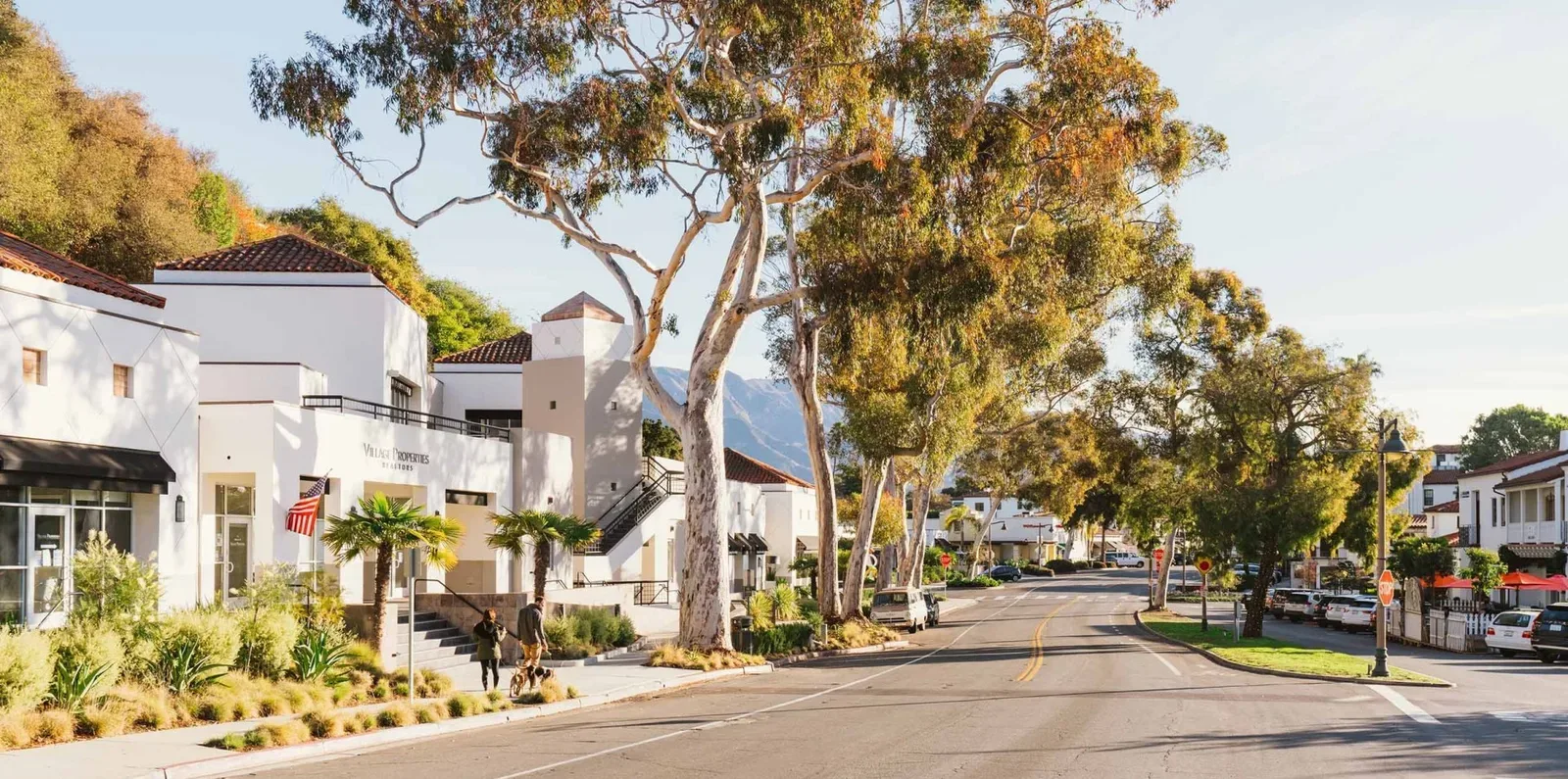
- Eucalyptus trees - Falling branches damage roofs, leading to water intrusion
Warning signs requiring immediate attention:
- Musty odors indicating hidden moisture or mold growth
- Discolored walls or ceilings suggesting water damage
- Persistent smoke smells after fire incidents
- Standing water in basements or crawl spaces
- Sewage backups from overwhelmed municipal systems
- Soot residue on surfaces and HVAC systems
Early intervention prevents minor issues from becoming major disasters. Professional assessment identifies hidden damage that untrained eyes might miss, protecting your investment and family safety.
Neighborhoods We Serve in Santa Barbara
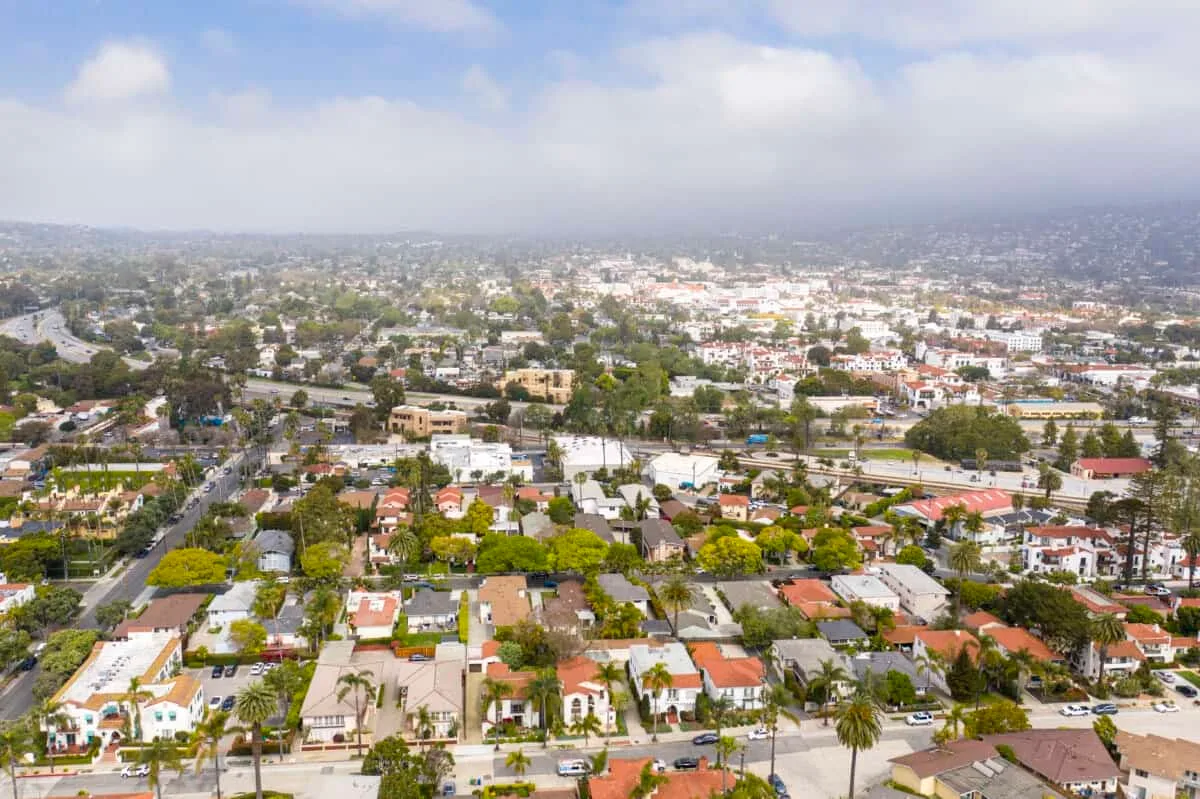
Our restoration teams serve all Santa Barbara communities, from oceanfront properties to hillside estates. Each neighborhood presents unique challenges requiring specialized approaches and local knowledge.
Primary service areas include:
- Downtown Santa Barbara - Historic buildings with unique restoration requirements
- Mesa - Coastal properties facing salt air and moisture challenges
- Riviera - Hillside homes prone to wildfire and water runoff issues
- Hope Ranch - Large estates requiring comprehensive restoration services
- Montecito - Luxury properties demanding premium restoration techniques
- Goleta - Mixed residential and commercial restoration needs
- Carpinteria - Beach community properties with unique environmental exposures
- Summerland - Coastal homes requiring specialized moisture control
We also serve surrounding areas including Isla Vista, Mission Canyon, and San Roque. Our local presence means faster response times and deeper understanding of area-specific restoration challenges.
Seasonal Damage Patterns in Santa Barbara
Santa Barbara's damage patterns follow predictable seasonal cycles. Understanding these patterns helps property owners prepare for and respond to restoration needs throughout the year.
Fire Season (September - December):
- Peak wildfire risk during hot, dry Santa Ana wind conditions
- Smoke damage restoration needs increase dramatically
- Water damage from firefighting efforts affects surrounding properties
Winter Storms (December - March):
- Heavy rainfall causes basement flooding and foundation leaks
- Aging roof systems fail under water load
- Sewage systems overflow during intense storm events
Spring Conditions (March - June):
- Mold growth accelerates in moisture-damaged areas
- Post-storm damage assessment reveals hidden issues
- Plumbing failures increase as systems age
Summer Dry Period (June - September):
- Fire preparation and prevention activities peak
- Air conditioning failures can cause water damage
- Drought conditions stress plumbing systems
Year-round coastal moisture maintains consistent mold remediation needs, while the Mediterranean climate creates distinct restoration seasons requiring different expertise and equipment.
Housing Characteristics & Restoration Considerations
Santa Barbara's diverse housing stock spans from 1920s Spanish Colonial Revival homes to modern coastal developments. Each architectural style presents unique restoration challenges requiring specialized knowledge and techniques.
Common housing characteristics affecting restoration:
- Adobe and stucco construction - Absorbs water readily, requiring careful drying techniques
- Red tile roofing - Creates unique fire and water damage patterns
- Wooden shake roofs - High fire vulnerability in older neighborhoods
- Basement-level construction - Prone to flooding and moisture intrusion
- Historic preservation requirements - Restoration must maintain architectural integrity
Age-related restoration considerations:
- Pre-1950s homes - Often lack modern waterproofing and fire-resistant materials
- 1950s-1980s construction - May contain asbestos requiring specialized handling during restoration
- Modern homes - Feature advanced materials but complex systems requiring expert knowledge
Foundation types impact restoration approaches:
- Concrete slab foundations require different water extraction methods
- Crawl space construction allows better access but increases mold risk
- Hillside construction on stilts presents unique fire and water challenges
Understanding these characteristics allows restoration professionals to develop targeted strategies that preserve property value while ensuring safety and code compliance.
Environmental Conditions & Damage Implications
Santa Barbara's unique environmental conditions significantly influence damage patterns and restoration requirements. The Mediterranean climate, coastal location, and fire-prone ecosystem create specific challenges for property restoration.
Climate factors affecting restoration:
- Average humidity 65-75% - Accelerates mold growth after water damage
- Temperature range 50-75°F - Creates ideal conditions for microbial activity
- Seasonal rainfall 15-20 inches - Concentrates water damage in winter months
- Coastal salt air - Increases corrosion and material degradation
Soil composition impacts include:
- Clay soils retain moisture, increasing foundation seepage risk
- Sandy coastal soils drain quickly but shift during water events
- Hillside slopes direct water flow toward structures
- Expansive soils create foundation movement during wet/dry cycles
Air quality considerations:
- Wildfire smoke infiltration requires specialized filtration systems
- Marine layer moisture affects indoor air quality during restoration
- Seasonal pollen loads complicate air purification efforts
- Dust from Santa Ana winds carries contaminants into structures
Water source characteristics:
- Hard water deposits complicate cleaning and restoration processes
- Saltwater intrusion affects coastal properties during storm surge
- Municipal water pressure variations impact fire suppression systems
These environmental factors require restoration professionals to adapt techniques, select appropriate materials, and implement long-term prevention strategies specific to Santa Barbara's unique conditions.
Wildfire Restoration & Recovery in Santa Barbara's Fire-Prone Environment
Santa Barbara's documented 30-year fire cycle makes wildfire restoration expertise essential for local property owners. The region's history of devastating fires - from the 1990 Paint Fire to recent Thomas and Cave Fires - demonstrates the ongoing need for specialized fire and smoke damage restoration services.
Wildfire restoration complexities unique to Santa Barbara:
- Multi-phase damage assessment - Fire, smoke, water, and chemical retardant damage require different restoration approaches
- Structural integrity evaluation - Adobe and stucco construction responds differently to fire exposure than wood frame
- Historical preservation requirements - Many properties require restoration techniques that maintain architectural authenticity
- Environmental contamination - Ash and debris contain toxins requiring specialized removal procedures
Post-fire restoration process includes:
- Emergency board-up and weather protection installation
- Comprehensive damage assessment including hidden structural issues
- Hazardous material identification and safe removal
- Smoke odor elimination using advanced ozone and hydroxyl treatments
- Water damage restoration from firefighting efforts
- Mold prevention in water-damaged areas
- Complete reconstruction using fire-resistant materials and techniques
Secondary damage prevention strategies:
- Immediate water extraction prevents mold growth in fire-damaged structures
- Air quality monitoring protects occupants during restoration
- Soot stabilization prevents further damage to salvageable materials
- HVAC system cleaning eliminates smoke contamination throughout the property
Understanding Santa Barbara's fire patterns enables restoration professionals to implement prevention measures and rapid response protocols that minimize damage and accelerate recovery. This local expertise proves invaluable when disaster strikes, ensuring properties are restored safely and efficiently while meeting all regulatory requirements.