Damage Restoration in Tehama County, CA
- Damage Restoration Services Overview
- Common Damage Restoration Issues in Tehama County, California
- Neighborhoods We Serve in Tehama County
- Seasonal Damage Patterns in Tehama County
- Housing Characteristics & Restoration Considerations
- Environmental Conditions & Damage Implications
- Wildfire, Smoke Intrusion, and Post-Fire Water Risk in the Tehama Interface
Damage Restoration Services Overview
What happens in the first few hours after a pipe bursts, a wildfire pushes smoke through your neighborhood, or a sewer line backs up into your home? Those early decisions often determine whether a property is dried and saved or torn out and rebuilt.
Property owners across Tehama County face a wide mix of hazards, and restoration work here has to cover all of them. Our teams respond around the clock, drawing on more than 65 years of field experience serving Red Bluff, Corning, and the surrounding valley and foothill communities.
- Water Damage Restoration - extraction, structural drying, and moisture mapping with meters and thermal imaging
- Flooded Basement - pump-out, sump and drainage evaluation, and drying of below-grade spaces and crawl areas
- Sewage Cleanup - removal of contaminated materials, antimicrobial treatment, and containment of Category 3 water
- Fire Damage Restoration - board-up, debris removal, soot cleaning, and coordination with rebuild trades
- Smoke Damage Restoration - odor neutralization, HVAC cleaning, and treatment of wildfire smoke residues
- Mold Removal - containment, HEPA filtration, controlled removal, and moisture source correction
The benefit for local residents is simple: one response team that understands rural water systems, older housing stock, and the fire-adapted landscape that shapes life in this county.
Common Damage Restoration Issues in Tehama County, California
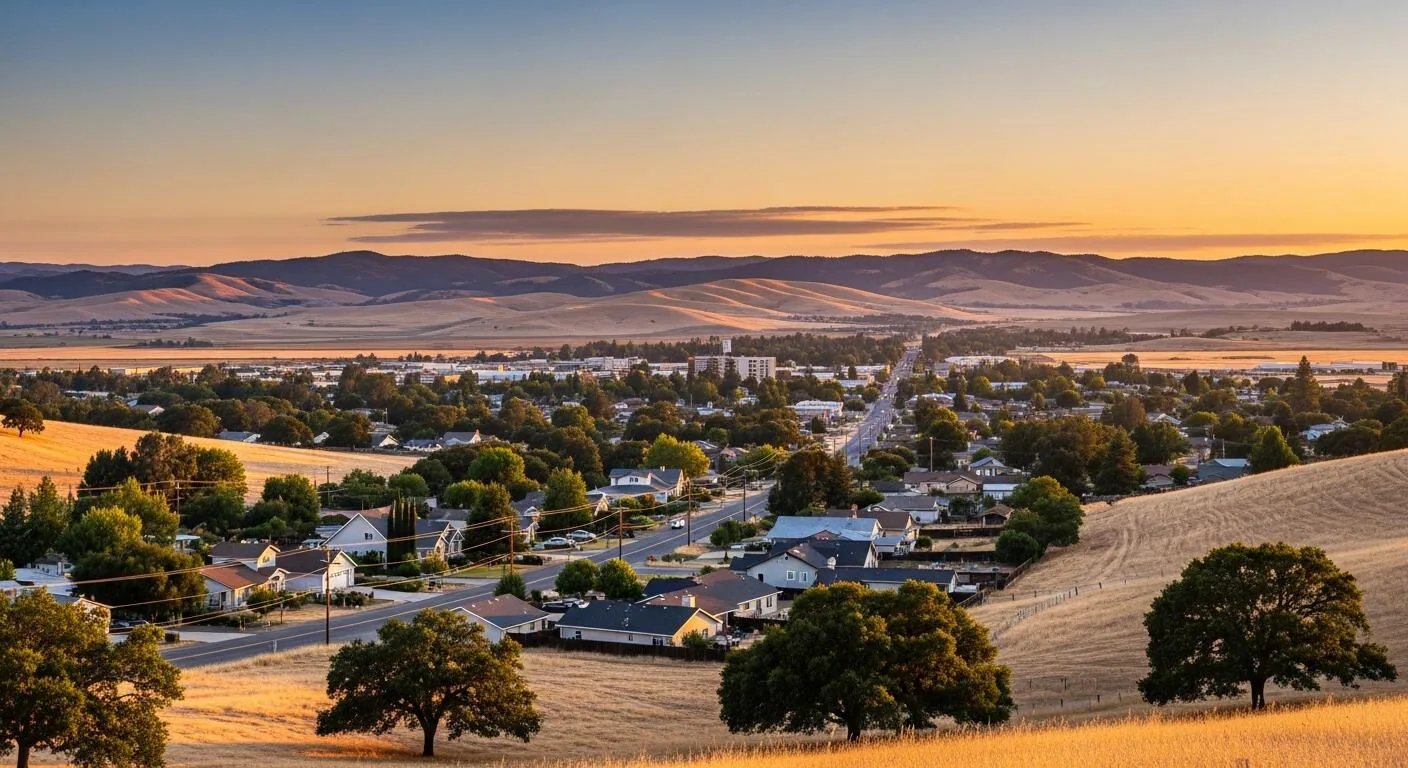
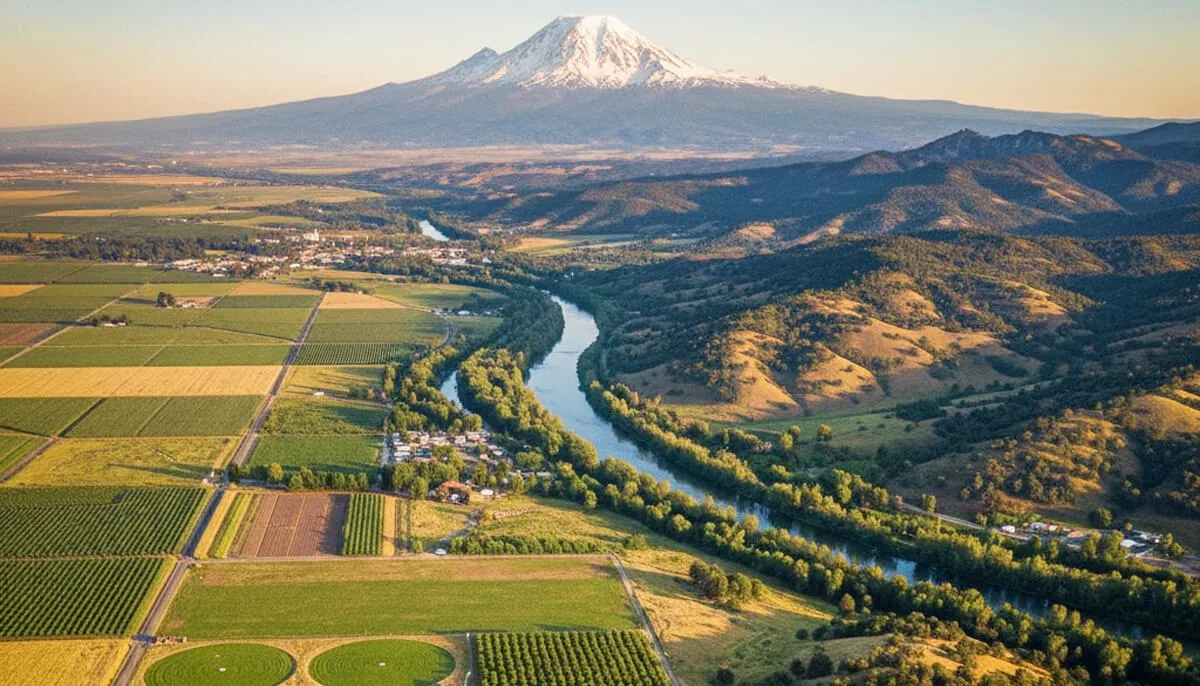
Damage patterns here follow the county's geography - a hot valley floor along the Sacramento River, oak woodlands, and forested slopes reaching toward the Mendocino National Forest.
Frequent Causes of Loss
- Winter storm runoff overwhelming ditches, culverts, and rural driveways, sending water toward foundations
- Sacramento River and tributary flooding affecting low-lying parcels near Red Bluff and Los Molinos
- Failed water heaters, supply lines, and washing machine hoses in homes built decades ago
- Septic system failures and rural sewer backups after saturated soils lose absorption capacity
- Wildfire and structure fire losses, plus heavy smoke intrusion from regional burns
- Mold growth in crawl spaces, under vinyl flooring, and behind wall cavities after slow leaks
Warning Signs Worth Acting On
- Musty odors in hallways, closets, or near floor vents
- Cupping or discolored flooring, especially laminate over slab
- Staining at baseboards, sagging drywall seams, or bubbling paint
- Gurgling drains, slow toilets, or wet spots above a leach field
- Gray film on windows and fabrics after smoke events
- Increased allergy symptoms that improve when occupants leave the house
Seasonal timing matters. Damp winters drive water and mold calls, while the long dry stretch from late spring through October raises fire and smoke exposure across the county.
Neighborhoods We Serve in Tehama County
Response crews cover the valley floor, the foothills, and the outlying ranch properties in between.
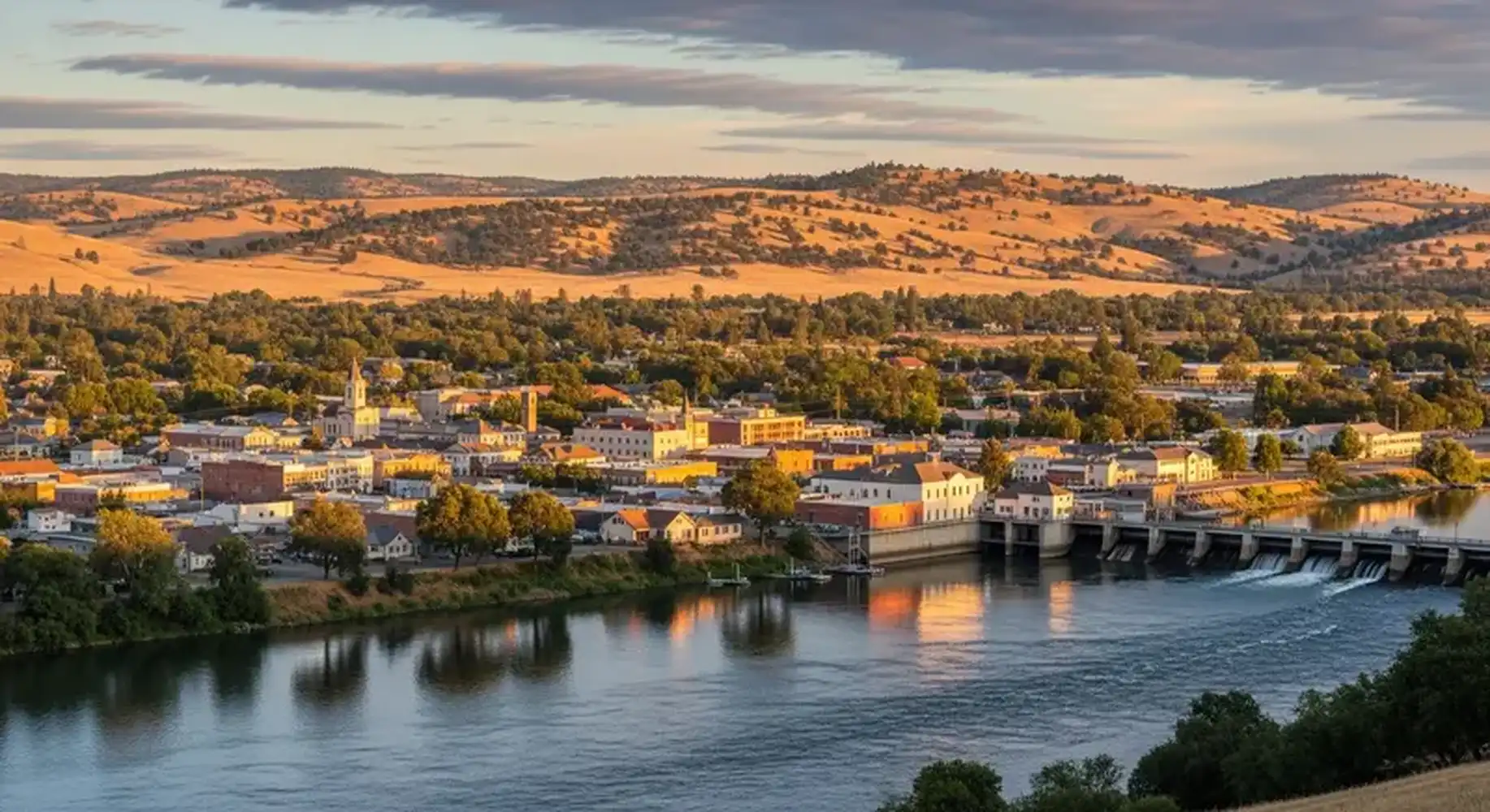
- Red Bluff - downtown historic districts, riverside neighborhoods, and newer subdivisions on the west side
- Corning - olive country homes, agricultural outbuildings, and commercial properties near the interstate
- Los Molinos and Tehama - river-adjacent parcels prone to seasonal high water
- Gerber and Proberta - rural residences on septic and well systems
- Cottonwood area - properties spanning the northern county line
- Manton, Mineral, and Paynes Creek - forested foothill and mountain homes in wildland urban interface zones
- Rancho Tehama Reserve and Bowman - remote residential communities with limited hydrant access
Surrounding areas including Anderson, Chico, and Orland fall within our regional service footprint, which keeps equipment staged close when multiple losses hit at once.
Seasonal Damage Patterns in Tehama County
- December through February - atmospheric river storms bring flooded basements, roof leaks, crawl space saturation, and overwhelmed septic systems. Sewage backups spike when soils stay waterlogged.
- March through May - snowmelt from the eastern foothills and residual moisture feed mold growth inside walls and under flooring. Warming temperatures accelerate colonies that started during winter.
- June through August - triple-digit heat stresses supply lines, appliance hoses, and irrigation connections. Fire risk climbs sharply as annual grasses cure.
- September through October - peak wildfire season. North winds carry smoke into homes across the valley, driving odor and soot cleanup demand even for structures far from any flame front.
- November - first rains hit fire-scarred slopes, producing debris flows, sediment-laden runoff, and sudden water intrusion in properties that never flooded before.
Because these cycles overlap, a single property may need smoke remediation in October and drying services by January.
Housing Characteristics & Restoration Considerations
Tehama County housing skews older than the state average, with a large share of homes built between the 1950s and 1980s alongside historic properties in Red Bluff and newer manufactured and modular housing throughout rural areas.
Construction Types and What They Mean
- Wood-frame homes with raised foundations - crawl spaces trap moisture, so drying often requires access panels, ground vapor barriers, and dedicated dehumidification below the floor
- Slab-on-grade construction - water migrates laterally under flooring adhesives, demanding careful moisture mapping before any material is removed
- Manufactured homes - belly wrap and insulation hold water for weeks; drying strategies differ substantially from stick-built structures
- Historic Victorian and early-century homes - lath and plaster, original millwork, and layered wallpaper need gentler cleaning methods after fire and smoke events
- Agricultural outbuildings and shops - metal siding, open framing, and stored chemicals complicate both fire and water response
Age-Related Restoration Factors
- Galvanized supply piping that corrodes and fails without warning
- Original cast iron drain lines contributing to sewage backups
- Pre-1980 materials that call for asbestos and lead testing before demolition
- Limited attic and wall insulation, which changes how quickly cavities dry
- Older ductwork that spreads soot and mold spores through the whole house
Documenting these conditions early supports accurate insurance claims and prevents surprise delays mid-project.
Environmental Conditions & Damage Implications
The county sits at the northern end of the Sacramento Valley, where a Mediterranean climate delivers concentrated winter rainfall and intensely dry summers. That contrast shapes nearly every restoration decision.
Climate and Air
- Summer temperatures regularly exceed 100 degrees, speeding evaporation but also driving mold growth wherever moisture and heat combine
- Wildfire smoke events reduce air quality for days at a time, pushing fine particulate deep into HVAC systems, attic insulation, and soft furnishings
- Winter humidity slows natural drying, making mechanical dehumidification necessary rather than optional
- Strong north winds accelerate fire spread and force smoke through gaps in older building envelopes
Soil and Water
- Clay-heavy valley soils expand and contract, cracking foundations and creating entry points for groundwater
- Alluvial soils near the Sacramento River drain unevenly, leaving standing water against structures
- Hardpan layers block percolation, contributing to septic saturation and yard flooding
- Well-supplied properties may face iron and mineral staining that complicates cleanup after water losses
- Burn scars shed water rapidly, raising downstream flood and debris risk for several seasons
Understanding these conditions guides equipment placement, drying targets, and the sequencing of mold prevention steps on every job.
Wildfire, Smoke Intrusion, and Post-Fire Water Risk in the Tehama Interface
Much of Tehama County lies in or near the wildland urban interface, where homes meet oak woodland, chaparral, and national forest land. Restoration work in this setting rarely involves fire alone.
How Local Fuel Management Connects to Property Protection
Regional partners including the Resource Conservation District of Tehama County work with the Mendocino National Forest and private landowners on thinning, mastication, biomass treatments, and prescribed fire. Programs such as roadside fuel reduction and the Tehama Mendocino Fuel Reduction Partnership aim to reestablish natural fire regimes and reduce hazardous vegetation near communities.
- Reduced fuel loads lower the odds of a structure-threatening fire reaching a neighborhood
- Healthier forest stands support watershed function, which moderates winter runoff
- Defensible space around homes gives crews safer access during and after an event
- Fire-adapted landscapes mean fewer catastrophic burn scars feeding future debris flows
What Restoration Looks Like After a Fire Event
- Secure the structure with board-up, tarping, and hazard assessment
- Remove debris, char, and unsalvageable contents under controlled conditions
- Clean soot from surfaces using methods matched to each material - dry sponge, abrasive, or solvent-based
- Address smoke odor at the source, including HVAC systems, insulation, and porous contents
- Dry any water introduced by suppression efforts before mold has a chance to establish
- Monitor for secondary moisture problems through the first wet season
Preparing Before the Next Season
- Clear vegetation and combustible material within the immediate home zone
- Screen vents and seal gaps that let smoke and embers inside
- Replace aging supply hoses and inspect septic systems before winter
- Photograph rooms and valuables for faster claim documentation
- Keep a contact ready for 24/7 emergency response